
Why Are Russian Mold Shops Investing in Automated Mold Tilters?
Manual mold handling is a big problem. It is dangerous, slow, and costs a lot of money. Are you still risking your workers’ safety and losing profits because your mold operations are not efficient? Automated mold tilters offer a clear path to better safety and higher output. They are a smart solution for today’s factories.
Russian mold shops are investing in automated mold tilters to boost safety, increase production efficiency, reduce labor costs, and protect valuable molds from damage. This move is driven by the strong need for modern, reliable solutions in a very competitive market. Factories want to make more products faster and safer.
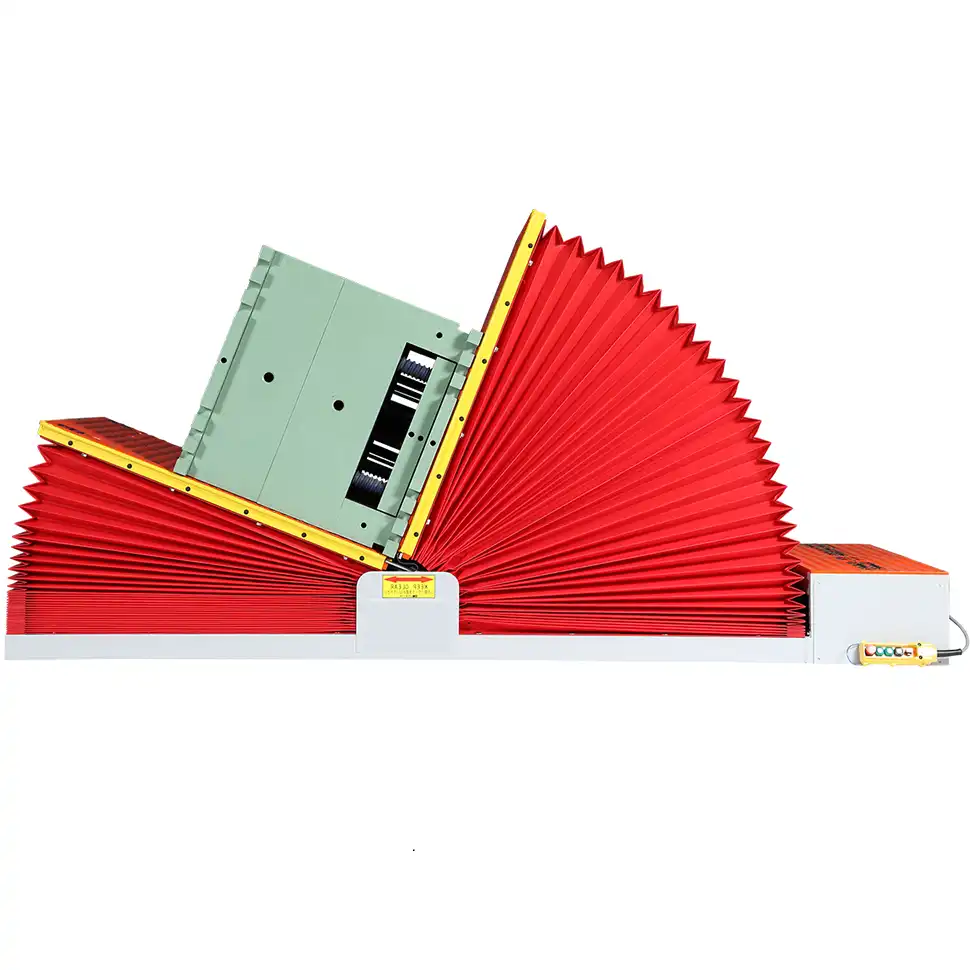
Understanding why these machines are so important goes beyond just their mechanical functions. It is about transforming how a factory works. Let us look deeper into the specific ways automated mold tilters are changing the game for businesses, just like the challenges Michael Chen faces in his metal processing plant.
How Do Automated Mold Tilters Boost Production Efficiency?
Are your production lines struggling with slow, manual mold flipping? This often creates bottlenecks right at the end of the manufacturing process. It can hold back your entire output.
Automated mold tilters dramatically speed up mold orientation processes. They integrate smoothly into production flows. This removes the efficiency bottlenecks that manual handling often causes. They make the whole line run much faster.
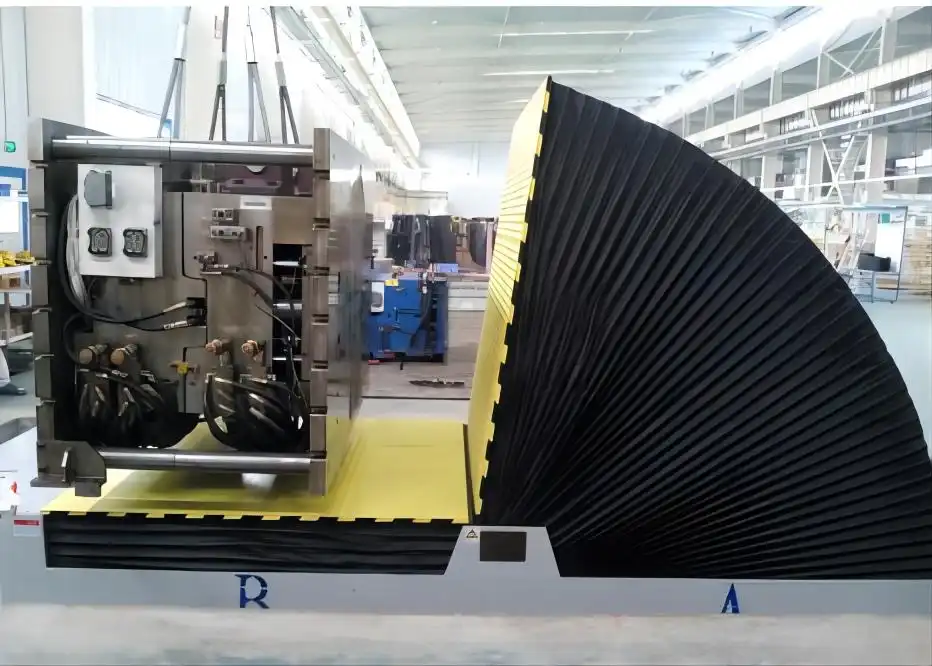
Automated mold tilters bring a big change to how factories operate. They are not just about flipping molds. They are about making the whole process more streamlined and fast. In many factories, manual mold handling is slow. Workers need to use cranes or forklifts. This takes a lot of time and effort. An automated tilter does this task much faster. It does it with precision every time. This means molds move through the factory quicker. It stops delays that can build up. This is very important for plants that handle large steel coils or heavy wires. Any slowdown can cost a lot of money. The machine ensures that each mold is turned correctly. It is ready for the next step without any manual adjustments. This precision also reduces errors. It makes sure that molds are always in the right position for the next stage of work. This leads to higher overall output. It helps meet tight production goals.
Streamlining the Workflow
Automated mold tilters make the workflow much smoother. They remove the need for manual positioning. Workers do not have to wait for a crane or use complex lifting gear. The machine takes the mold. It turns it quickly and safely. Then, it places it where it needs to go. This simple action saves a lot of time. It also makes the whole production line flow better. There are fewer stops and starts. This leads to a more continuous operation. This continuous flow helps to maximize machine uptime. It also helps to minimize idle time for workers. My experience setting up packing machine factories showed me that every second saved on one task adds up to huge gains over a year.
Reducing Cycle Times
The time it takes to process one mold is called its cycle time. Automated tilters significantly cut down this time. A human operator might take several minutes to safely flip a heavy mold. An automated machine can do it in seconds. This faster action directly speeds up the entire production line. If you are processing many molds each day, these seconds add up. For example, in a metal processing plant, faster mold flipping means faster output of finished products. This could be anything from steel components to finished wire reels. The ability to quickly move from one mold orientation to another means your machines are running more often. They are waiting less for manual handling. This increases total production capacity without needing more space or more workers.
Enhancing Throughput
Throughput is the total amount of product a factory can make in a certain time. Automated mold tilters improve throughput a lot. By reducing cycle times and streamlining the workflow, these machines allow a factory to process more molds per hour or per shift. This means more finished products can leave the factory. This directly impacts sales and profits. For a factory manager like Michael Chen, increasing throughput is a top goal. Automated mold tilters help achieve this by removing a common bottleneck. They ensure that heavy, awkward molds do not slow down the entire operation. This investment allows a factory to take on more orders. It lets them deliver products faster. This makes customers happier. It also gives the company a competitive edge in the market.
Can Mold Tilters Really Eliminate Workplace Injuries?
Is the safety of your team at risk every time a heavy mold needs turning? Manual handling of heavy objects is one of the most common causes of serious workplace injuries. This is a constant worry for factory managers.
Automated mold tilters completely remove the need for manual handling of heavy molds. They drastically reduce the risk of muscle injuries, crushing accidents, and other common workplace dangers. This makes the work environment much safer for everyone.
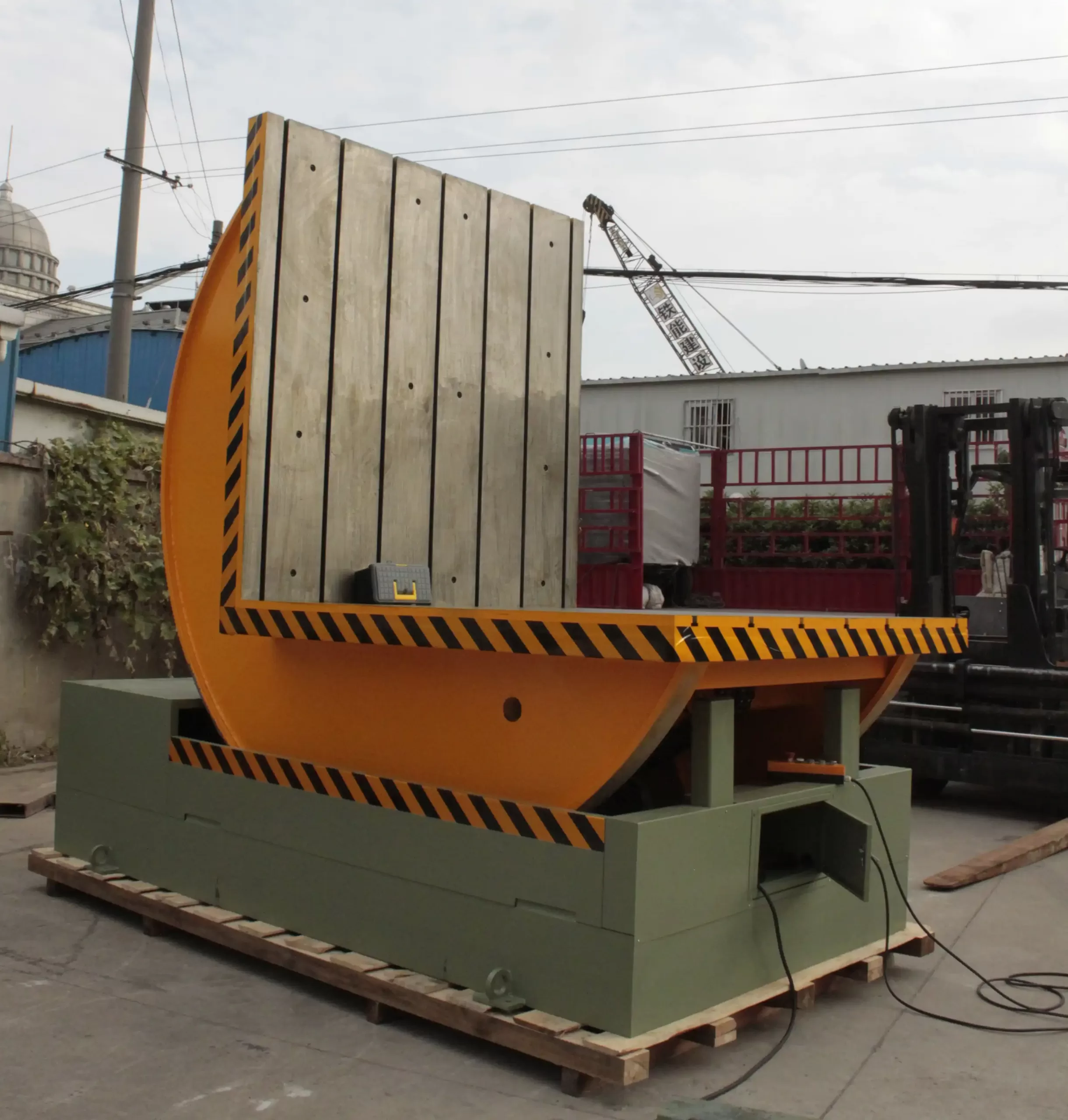
Workplace safety is not just a moral duty. It also makes good business sense. Accidents cost money through medical bills, lost workdays, and higher insurance premiums. Michael Chen, as a factory manager, knows this well. Manual handling of heavy molds or large steel coils is very risky. Workers can strain their backs, drop heavy objects on their feet, or get crushed by a falling mold. Automated mold tilters take the human element out of this dangerous task. They use hydraulic or electric systems to lift and rotate molds smoothly. This means workers do not have to exert physical force or put themselves in harm’s way. This change significantly lowers the chance of accidents. It makes the entire operation much safer for the employees.
Protecting Workers from Heavy Loads
One of the biggest benefits of automated mold tilters is that they protect workers from heavy loads. Molds can weigh hundreds or even thousands of kilograms. Lifting, pulling, or pushing these weights manually is extremely risky. It can lead to severe injuries. These include back problems, hernias, and broken bones. Automated tilters handle these heavy weights with ease. They do all the lifting and rotating. Workers simply control the machine from a safe distance. This means no more strenuous physical labor for turning molds. It creates a work environment where physical strain is much less common. This also helps reduce long-term health issues for employees.
Minimizing Human Error
Manual processes always carry the risk of human error. A momentary lapse in concentration, a slip, or incorrect technique can lead to a serious accident when handling heavy molds. Automated mold tilters remove this risk. They perform the same task with consistent precision every time. There is no fatigue, no distraction, and no rushing. The machine follows pre-programmed commands. It ensures the mold is handled correctly and safely. This reduction in human error not only prevents accidents but also reduces damage to expensive molds and other equipment. My own experience in factory environments showed me that consistency from machines is key to both safety and quality.
Creating a Safer Work Environment
Implementing automated mold tilters fundamentally changes the safety culture of a factory. When dangerous tasks are automated, workers feel safer. They are more confident in their jobs. This can lead to higher morale and lower employee turnover. Workers are less likely to seek other jobs if they feel their employer cares about their safety. Reduced accidents also mean fewer investigations, less paperwork, and lower insurance costs. For a company, this is a win-win situation. It is an investment in both worker well-being and the company’s financial health. It shows a commitment to modern, responsible manufacturing practices.
What Are the Cost Savings of Automated Mold Handling?
Are hidden costs from inefficiency and damage eating into your profit margins? Many factories overlook the true cost of manual processes until they analyze them closely.
Investing in automated mold tilters delivers big cost savings. It cuts labor expenses. It reduces product damage during handling. It lowers insurance premiums. It extends equipment lifespan through precise operation. These savings improve the factory’s overall profitability.
The upfront cost of an automated mold tilter can seem high. But the long-term savings often make it a very smart investment. For a factory manager like Michael Chen, who focuses on cost control and ROI, these machines offer a clear path to better financial health. The savings come from several areas. These include labor costs, reduced product damage, and lower operational overhead. When I started my own packing machine factory, I learned that every dollar saved on operations goes straight to the bottom line. Automated handling reduces the need for multiple workers to perform a dangerous task. It also makes sure valuable products like steel coils or wires are not damaged during internal movement.
Reducing Labor Expenses
Manual mold handling often needs several workers. They might use chains, levers, or even manual hoists. An automated mold tilter can do the same job with one operator. This operator simply controls the machine from a safe distance. This means fewer people are needed for this specific task. Those workers can then be moved to other parts of the factory where their skills are more valuable. This reduction in labor for dangerous, repetitive tasks leads to significant savings in wages and benefits over time. For companies looking to optimize their workforce, this is a direct way to cut operational costs without sacrificing output.
Preventing Product Damage
Product damage during handling is a silent profit killer. When heavy molds or steel coils are moved manually, there is always a risk of dropping them or bumping them. This can damage edges or surfaces. For example, in Michael Chen’s factory, damaged steel coil edges lead to customer complaints and lost profits. An automated mold tilter handles items with precision and care. It prevents these accidental drops or impacts. The controlled movement ensures that molds and products are kept in perfect condition. This reduces scrap rates. It lowers rework costs. It also leads to happier customers who receive undamaged goods. This directly impacts the company’s reputation and its bottom line.
Lowering Operational Overhead
Beyond labor and product damage, automated mold tilters contribute to lower operational overhead in other ways. First, fewer accidents mean lower insurance premiums and fewer worker compensation claims. This is a direct financial benefit. Second, the increased efficiency means that production goals can be met faster. This can reduce overtime costs. Third, a safer and more efficient workplace can lead to better employee retention. This lowers the costs associated with hiring and training new staff. Finally, the precise operation of these machines means less wear and tear on other equipment. It also means less strain on the factory floor itself. All these small savings add up to a significant financial return on investment over the life of the machine.
Why Is Choosing the Right Partner as Important as the Machine Itself?
Have you been burned by equipment suppliers who disappear after the sale? Many factory managers have dealt with vendors who only care about making a sale and offer poor after-sales support.
Selecting a reputable and experienced partner, not just a vendor, ensures long-term support, expert guidance, and customized solutions. This truly addresses your operational challenges. It prevents costly mistakes and builds trust for the future.
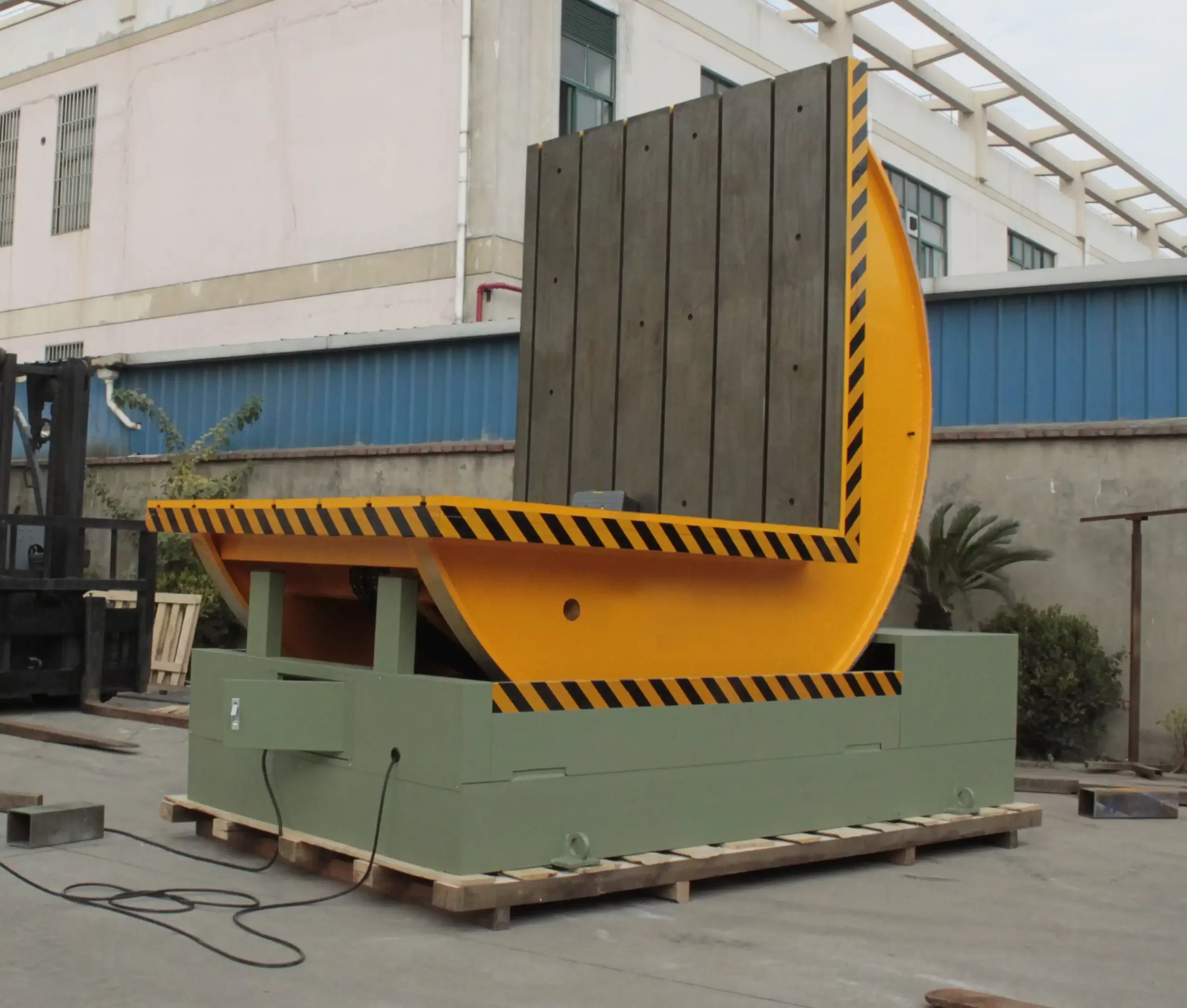
When you invest in a major piece of machinery like an automated mold tilter, you are not just buying metal and circuits. You are entering a relationship. For a factory manager like Michael Chen, who has experienced supplier trust crises, this relationship is very important. He does not want a company that just sells a machine and then forgets about him. He needs a partner who understands his production bottlenecks, safety issues, and efficiency problems. This partner should offer professional insights and reliable solutions. My journey from a packing machine engineer to a factory owner taught me the true value of trust and expertise. It is about understanding the client’s needs from the ground up.
Beyond the Sale: The Value of Partnership
A good supplier acts as a partner. This means their job does not end when the machine is delivered. They offer support for installation, training, and ongoing maintenance. They are available for troubleshooting. They provide spare parts when needed. This long-term relationship is vital for keeping your production line running smoothly. A reliable partner helps you maximize your investment. They make sure the machine continues to perform at its best for many years. This commitment is what separates a true solutions provider from a simple vendor. It is about ensuring your success, not just making a quick sale.
Expertise That Matters
The best partners have deep industry knowledge. They understand the specific challenges of handling molds or large steel coils. They know about safety regulations and efficiency demands. This expertise allows them to recommend the right machine for your unique needs. They can also offer insights on how to integrate it into your existing workflow. For example, at FHOPEPACK, our mission is to share knowledge. We help people understand mold design and manufacturing better. This comes from years of hands-on experience. I started as an employee in a packing machine factory. Then, I built my own successful factory. This journey gives me a unique perspective on what factory managers truly need. It is about practical solutions, not just theoretical ideas.
Tailored Solutions for Real Problems
Every factory is different. What works for one might not work for another. A good partner does not offer a one-size-fits-all solution. They take the time to understand your specific production bottlenecks, your unique safety concerns, and your financial goals. Then, they recommend a tailored solution. This might involve custom features for the mold tilter. It could involve advice on optimizing your floor layout. This personalized approach ensures that the investment you make truly solves your problems and helps your business grow. It is about finding a machine that fits your factory perfectly and supports your growth for the long term. This is the kind of partnership I aim to provide through FHOPEPACK.
My Insights
From my time as a packing machine engineer and building my own factory, I have seen many companies struggle with old ways of working. I understand the pressures factory managers like Michael Chen face every day. They need to boost output, control costs, and keep their people safe. Manual handling of heavy molds or coils is a huge barrier to all these goals. It is slow. It is risky. It damages products.
I learned that financial independence came from helping clients grow their businesses. Now, through FHOPEPACK, I want to give back. My goal is to make mold knowledge accessible to everyone. Investing in automated mold tilters is not just buying equipment. It is buying a solution to real, painful problems. It is about improving safety so workers go home safe. It is about boosting efficiency so the factory makes more money. It is about protecting valuable products from damage. Most importantly, it is about finding a partner who understands your challenges and truly wants to see you succeed. This is why I share my expertise. I want to help you make smart choices that transform your operations and lead to lasting success.
Conclusion
Automated mold tilters are a game-changer for safety, efficiency, and cost savings in mold handling. They directly address critical factory challenges, offering strong returns on investment.








