
Which Modular Scalability Options Suit Diverse European Mold Sizes?
Are you managing a factory in Europe, wrestling with the challenge of handling molds of all shapes and sizes? Do you find your current methods slow, risky, and costing you more than they should? I know the feeling. In my years running a packing machine factory, I saw how easily bottlenecks form. Manually moving heavy molds or constantly reconfiguring lines wastes precious time. It also puts your team at serious risk. Every minute of downtime, every injured worker, every damaged product chips away at your profits. You need solutions that adapt, not fight, your varied production. That is why I started FHOPEPACK. I want to share how smart, modular equipment can change everything. We can help you navigate the complexities of European mold sizes, boosting safety and efficiency from day one.
Modular scalability options for diverse European mold sizes often involve flexible, adaptable handling equipment like mold tilters and flippers. These systems use standardized components that allow for easy customization, re-configuration, or expansion. This means you can handle a wide range of mold dimensions and weights, from small to extremely large. These options ensure your operations remain efficient and safe, no matter how your product line changes.
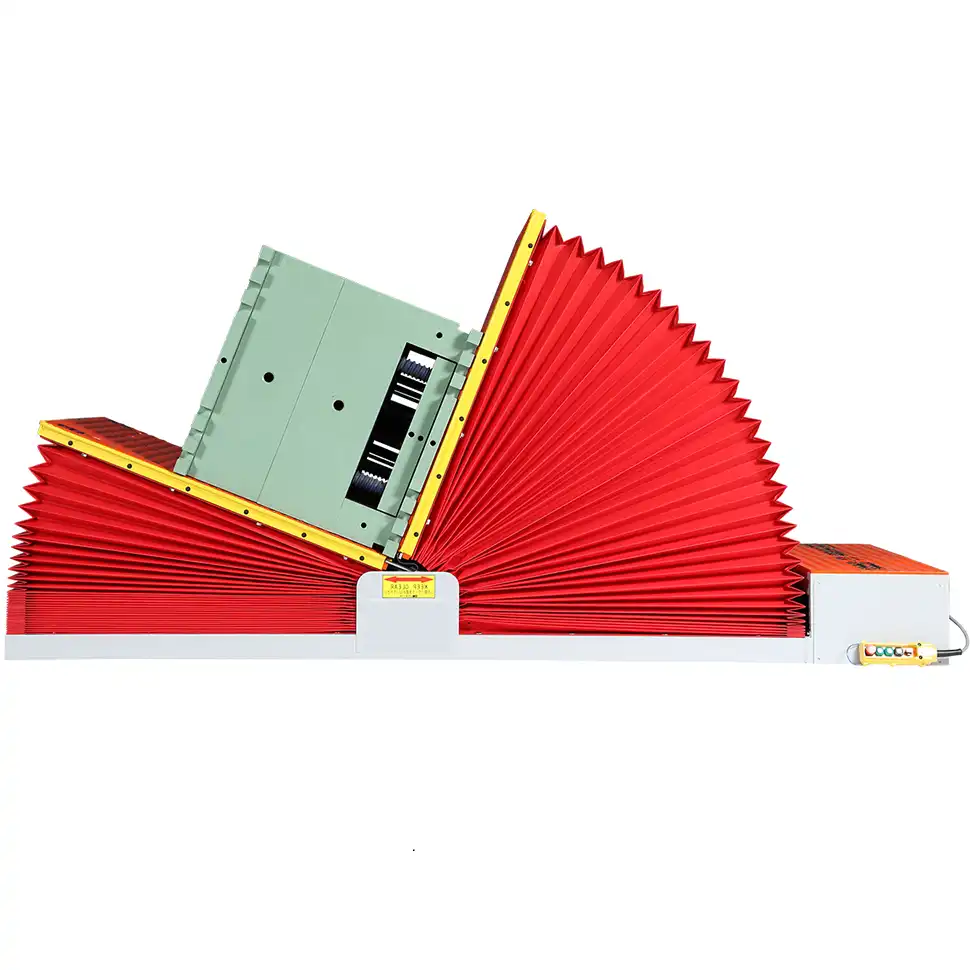
As someone who built a successful factory from the ground up, I understand that choosing the right equipment is more than just a purchase. It is an investment in your factory’s future. It is about solving real problems like those Michael Chen faces. He needs reliability, safety, and efficiency. So, let us dive deeper into how modular solutions can meet these exact needs for factories dealing with diverse mold sizes.
Why Do European Mold Sizes Demand Flexible Solutions?
Are you struggling with a production line that handles molds of all shapes, weights, and dimensions? Do your current methods feel rigid and inefficient when faced with constant variations in size? This is a common headache for many factory managers, especially in Europe where diverse manufacturing needs mean a wide array of mold specifications. Trying to force a single solution onto every mold size is like trying to fit a square peg in a round hole. It leads to slow changeovers, increased manual labor, and a higher risk of accidents or product damage. The key lies in flexibility. Understanding why this diversity matters is the first step. Then we can explore how adaptable solutions can solve this problem.
European mold sizes demand flexible solutions because the continent’s manufacturing sector is incredibly diverse, producing everything from small precision parts to large automotive or industrial components. This variation means handling equipment must accommodate a wide range of dimensions, weights, and specific geometries. A flexible approach, often through modular systems, allows factories to quickly adapt their operations. This adaptation ensures efficiency, reduces setup times, and lowers the risk of errors or damage to valuable molds.
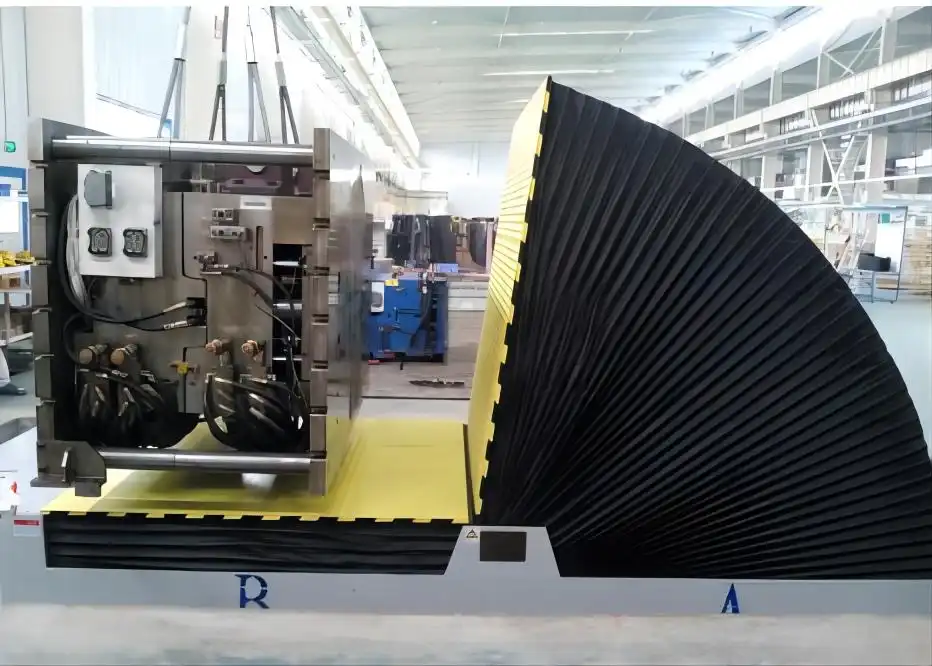
When I started my own packing machine factory, I quickly learned that one size rarely fits all. This is especially true for mold handling in European industries. Think about it. One day, you might be flipping a small, intricate mold for electronics. The next, you might be dealing with a massive, heavy mold for automotive body panels. Each mold has unique requirements. A system built for a small mold will break under a large one. A system for large molds will be overkill and inefficient for small ones. This creates bottlenecks and wastes resources.
The need for flexibility comes from several factors. First, European manufacturers often serve a global market. This means they produce a wide variety of products. Each product might need a different mold. Second, contract manufacturing is common. This means factories take on jobs for many clients. Each client has their own mold specifications. Third, product lifecycles are getting shorter. Companies need to change production lines quickly. This means they need equipment that can adapt fast.
Consider the challenges of these diverse molds:
- Weight Variation: Molds can weigh a few kilograms or many tons. A single fixed-capacity machine cannot handle this range safely or efficiently.
- Size Variation: Length, width, and height differ greatly. A compact machine might not fit a large mold. A large machine is slow and takes up too much space for small molds.
- Shape Complexity: Some molds are simple blocks. Others have complex, irregular shapes that are hard to secure and flip.
- Material Sensitivity: Molds are valuable. They are often made of hardened steel. Any damage means costly repairs or replacements.
A truly flexible solution means your equipment can adjust its capacity, dimensions, and grip. It should also minimize the need for manual intervention. This saves time. It also improves safety. It means you can use the same base equipment for many tasks. You just change out or add specific modules. This approach reduces the need for multiple specialized machines. It also makes your production line more agile. It helps factories like Michael’s stay competitive. It allows them to take on diverse projects without major retooling. It is about smart growth.
How Can Modular Tilters Improve Plant Safety?
Is the thought of your workers manually handling heavy, awkward molds keeping you up at night? Are you worried about high injury rates and rising insurance costs? I know the pressure. At my own factory, safety was always a top priority. When you have workers moving massive items, even with forklifts, there are still risks. Pinch points, dropped loads, and repetitive strain injuries are very real dangers. These incidents cause pain for your employees. They also hit your bottom line hard with medical bills and lost productivity. The good news is that modular mold tilters offer a clear path to a safer workplace. They tackle the biggest hazards head-on.
Modular mold tilters significantly improve plant safety by automating the hazardous process of flipping and positioning heavy molds. They eliminate the need for manual lifting, twisting, or awkward maneuvers, which are major causes of workplace injuries. By securely clamping and hydraulically rotating molds, these machines reduce the risk of dropped loads, pinch points, and strains. Their modular design also means they can be tailored to specific mold sizes and weights, ensuring maximum stability and safety for each operation.
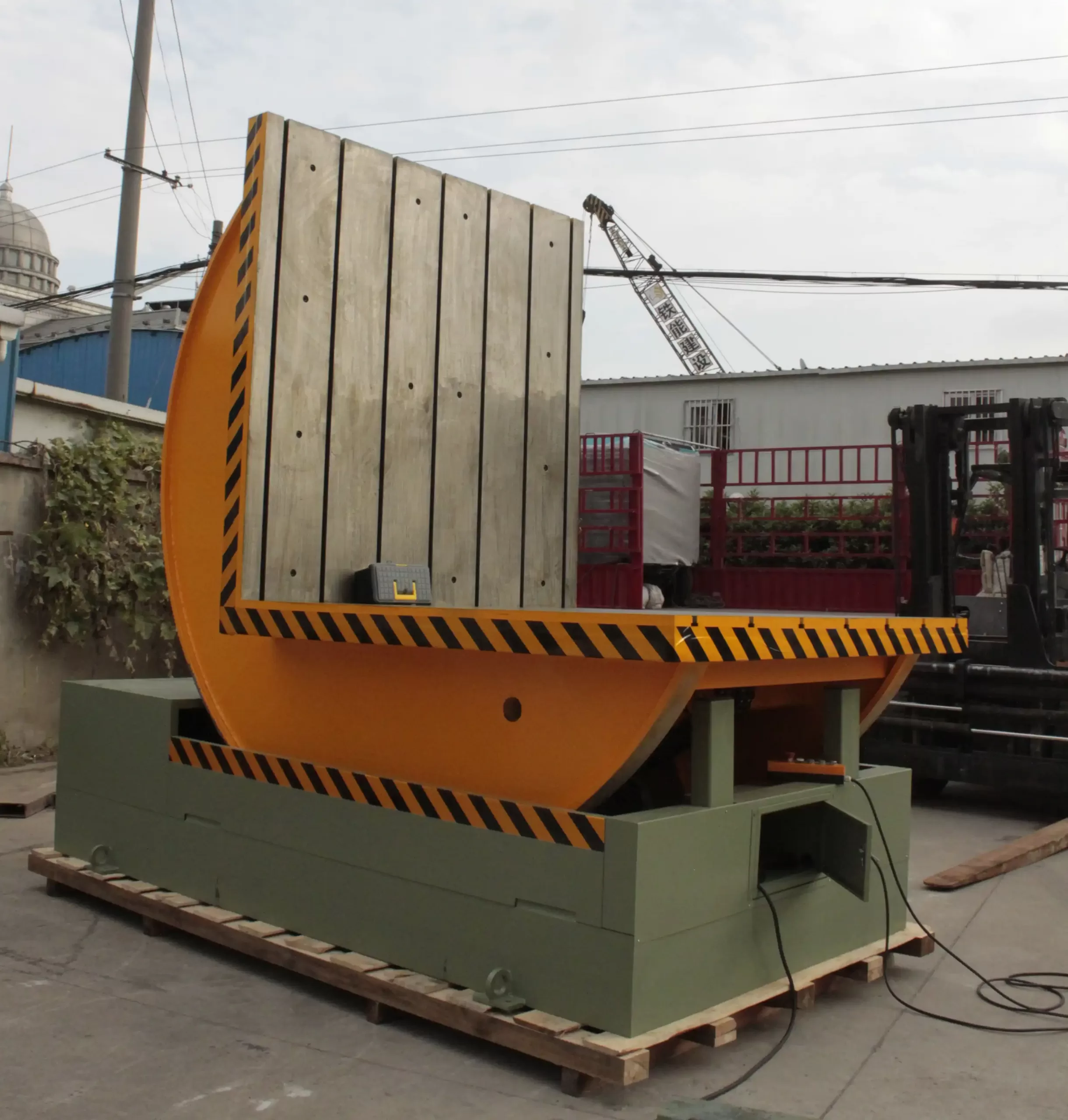
Safety was never just a buzzword for me. It was a core value in my factory. I saw firsthand how quickly an accident could happen. Especially when dealing with heavy items like molds. Michael Chen, the factory manager in Mexico, faces this exact problem. His team manually moves heavy molds. This creates huge safety risks. This includes high worker injury rates. It also leads to high insurance costs.
Modular mold tilters directly address these dangers. They do it by taking the human element out of the most dangerous parts of the process. Think about the typical risks involved in mold handling:
- Manual Lifting and Flipping: This is perhaps the biggest risk. Workers strain their backs. They can also drop molds. This causes severe injuries. It also damages the mold itself. Tilters use hydraulic power to do this work. The machine takes the load. Not the worker.
- Pinch Points: When heavy objects are moved or rotated, there are many pinch points. Hands or fingers can get caught. Tilters are designed with safety guards. They also have controlled movements. This reduces these risks.
- Dropped Loads: Improper rigging or sudden shifts can cause a mold to fall. A dropped mold is a massive hazard. It can crush limbs. It can also cause major structural damage to the facility. Modular tilters have secure clamping systems. They hold the mold firmly in place throughout the rotation.
- Forklift Accidents: Even with forklifts, there is a risk. Forklifts can tip over. They can collide with workers. They can also drop loads if not handled correctly. While forklifts might still be used to bring molds to the tilter, the riskiest part – the flipping – is done by the automated machine.
The “modular” aspect adds another layer of safety. This means you can get a tilter built specifically for your mold sizes. Or one that can adapt to different sizes safely. A tilter designed for small molds might not be stable enough for a huge mold. But a modular system can have different attachments or larger frames. These adapt to the specific mold without compromising stability. For instance, you can have interchangeable platforms or adjustable clamps. These ensure a snug fit for every mold. This prevents shifting during operation. This personalized fit is vital. It stops molds from slipping. It makes the whole operation much safer. It also lowers the chance of product damage. This reduces client complaints. It also saves the company money in repair costs. Ultimately, it means a safer environment for everyone. It also means less worry for the factory manager.
Do Standardized Modules Boost Production Efficiency?
Are your mold handling processes slow and causing production bottlenecks? Do long changeover times for different mold sizes eat into your valuable production schedule? I have seen it many times. When processes rely too much on manual labor or on equipment that cannot easily adapt, the whole line grinds to a halt. Every minute spent adjusting, re-tooling, or waiting for manual intervention means lost output. This directly affects your delivery times and your factory’s reputation. It also wastes valuable employee time. The answer is yes. Standardized modules are a game-changer for efficiency. They offer a streamlined approach to mold handling.
Standardized modules significantly boost production efficiency by simplifying mold handling processes and reducing downtime. These modules allow for quick setup and changeovers, as components are interchangeable and easily configured for different mold sizes and types. This modularity minimizes manual intervention and allows for a more automated, continuous workflow. This leads to faster throughput, less labor dependency, and a more consistent output, directly addressing efficiency bottlenecks common in factories.
When I was building my packing machine factory, efficiency was always on my mind. It is not just about making things faster. It is about making them smarter. Standardized modules are key to this. They simplify complex tasks. They make production lines run smoother. Michael Chen, like many factory managers, is looking to boost output. He wants to cut down on slow, manual processes. This is where modularity shines.
Think about how traditional mold handling often works. You might have one machine for small molds and another for large ones. Or you might have a single machine that needs major adjustments for each new mold size. This leads to several problems:
- Long Changeover Times: If a machine needs a lot of manual adjustment for each new mold, production stops. This wasted time adds up. It can quickly eat into your daily output targets.
- Increased Manual Labor: Relying on many workers to move or adjust molds means higher labor costs. It also means more chances for human error.
- Bottlenecks: If mold handling is slow, it slows down every other process down the line. It creates a bottleneck. This stops the whole factory from running at full speed.
- Inconsistent Quality: Manual processes can lead to inconsistencies. This affects the final product. It can cause damage to the mold. This leads to customer complaints.
Standardized modules solve these issues. They are like building blocks. You can combine them in different ways. They fit together easily. For example, a modular mold tilter might have a core frame. Then you can add different size platforms. Or different clamping mechanisms. You can swap these out quickly. It is much faster than re-tooling a fixed machine.
Here are some ways standardized modules boost efficiency:
- Reduced Setup Time: Because modules are pre-engineered and fit together easily, setting up for a new mold size takes minutes, not hours.
- Optimized Workflow: With modules, the machine can handle a wider range of molds without needing to be taken offline. This means a more continuous flow of work.
- Lower Labor Dependency: Automated modular systems reduce the need for multiple workers to handle molds. This frees up your team for other important tasks.
- Scalability: As your production needs grow, you can add more modules or upgrade existing ones. You do not need to buy entirely new machines. This means your initial investment continues to pay off.
- Consistent Operation: Machines perform tasks with precision every time. This reduces errors. It also ensures consistent mold handling. This protects your valuable assets.
This approach means factories can be more agile. They can respond to market demands faster. It means less money tied up in idle machines. It means more products shipped on time. It is a smart way to manage your factory’s output.
What About the Long-Term Cost Savings of Scalable Systems?
Are you looking at new equipment but worrying about the upfront cost? Do you wonder if the investment will truly pay off in the long run? I remember those feelings well. When I first started my packing machine factory, every dollar counted. It is easy to see an equipment purchase as just an expense. But the truth is, a poorly chosen machine can actually cost you more over time. It can lead to ongoing problems. This includes higher labor costs, product damage, and frequent breakdowns. These issues chip away at your profits. Scalable mold handling systems are different. They offer significant long-term cost savings. They provide a clear return on investment.
Scalable mold handling systems, especially those with modular designs, offer significant long-term cost savings by reducing operational expenses and minimizing production losses. They cut down on manual labor costs, decrease product damage, and lower injury-related expenses. Their adaptability means less need for multiple specialized machines or frequent, costly retooling. This results in a faster return on investment and a more resilient, profitable operation over many years.
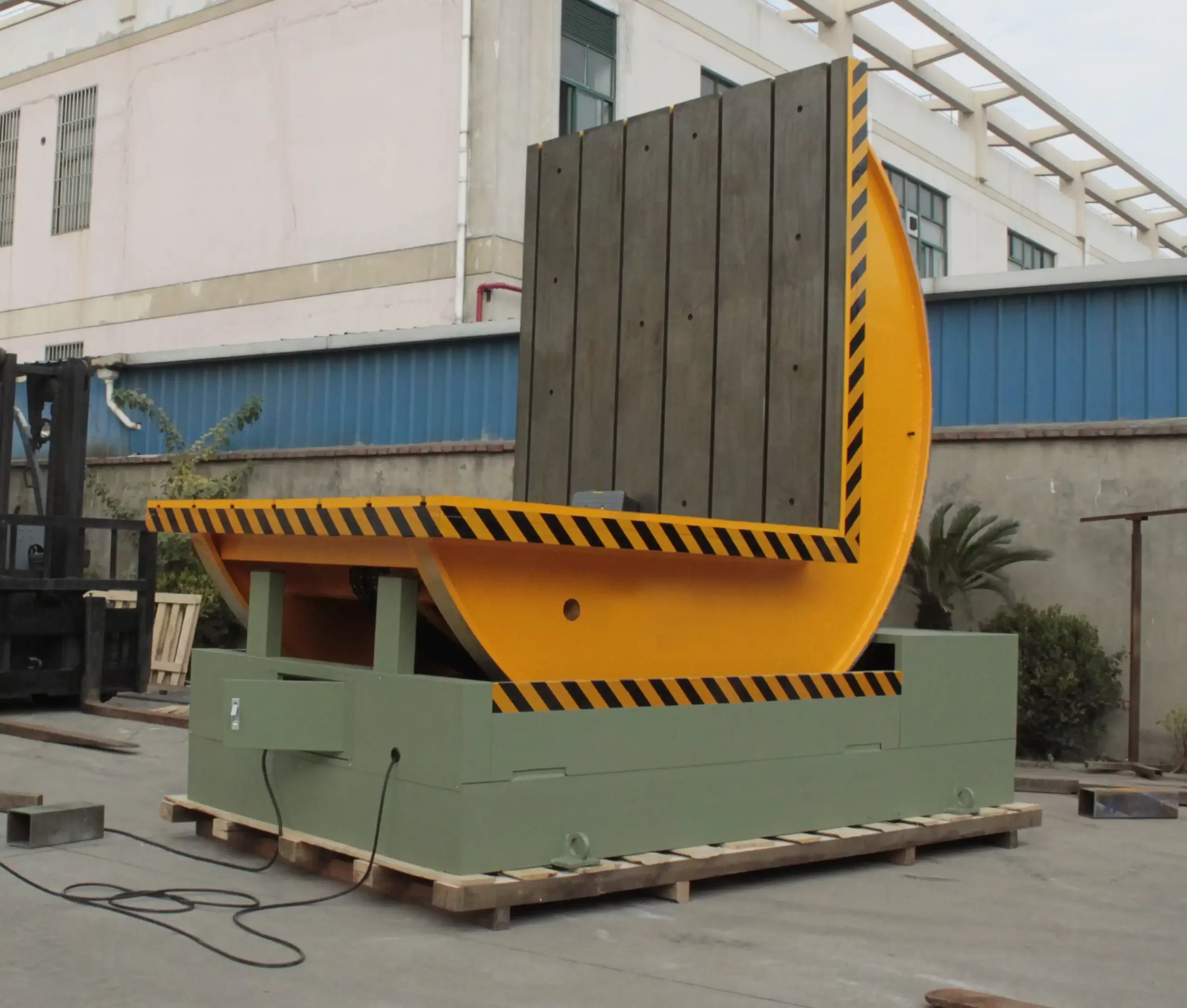
When I worked in the packing machine industry, I learned a crucial lesson: the cheapest option is rarely the best in the long run. Michael Chen understands this. He wants solutions with a clear Return On Investment (ROI). This means the money you spend today must save you more money tomorrow. Scalable mold handling systems do exactly this. They are designed to deliver long-term value.
Let us break down how these systems save money:
- Reduced Labor Costs: This is often the biggest saving. Manual handling of molds requires many workers. It also demands specialized skills. Automated, scalable systems reduce the number of people needed for this task. Over time, the savings in wages and benefits are huge. Michael mentioned his processes rely on a lot of manual labor. This is a direct answer to his challenge.
- Minimized Product Damage: Damaged molds or products during handling are costly. They lead to scrap. They also lead to customer complaints. Modular tilters handle molds with precision. They secure the mold properly. This greatly reduces the risk of scratches, dents, or other damage. Less damage means less rework. It means fewer material losses. It means happier customers. This protects your profits.
- Lower Insurance and Injury Costs: Safety improvements directly impact your bottom line. Fewer worker injuries mean lower medical expenses. They mean fewer workers’ compensation claims. They mean lower insurance premiums. A safe workplace also boosts morale. It reduces employee turnover. This saves on recruitment and training costs. This point is very important for Michael. He faces high injury risks.
- Increased Uptime and Throughput: Efficient modular systems reduce bottlenecks. They speed up production. This means you can produce more in less time. More output means more sales. It means more profit. The initial investment pays for itself faster when your factory runs at peak efficiency.
- Reduced Need for Multiple Machines: Instead of buying separate machines for different mold sizes, a scalable system can handle a wide range. This saves on capital expenditure. It saves on maintenance costs for multiple machines. It also saves on floor space.
- Future-Proofing Your Investment: As your business grows, your needs might change. You might handle new mold sizes. A scalable system can adapt. You can add new modules or reconfigure existing ones. You do not need to replace the whole system. This extends the life of your investment. It protects your capital.
Consider this simple comparison:
| Factor | Traditional Manual Handling | Automated Scalable System (e.g., Modular Tilter) |
|---|---|---|
| Labor Cost | High (many workers, high injury risk, high turnover) | Low (fewer workers, safer operations, stable workforce) |
| Product Damage | Frequent (human error, dropped loads, improper handling) | Minimal (precise, secure, automated handling) |
| Safety Incidents | High (strains, crushed limbs, falls) | Very Low (automated, safety features, reduced manual interaction) |
| Throughput | Slow, inconsistent (bottlenecks, long changeovers) | Fast, consistent (quick setup, continuous flow) |
| Flexibility | Poor (hard to adapt to varied sizes, requires re-tooling) | High (modular design, adaptable to wide range of sizes) |
| Long-term ROI | Negative (hidden costs, lost production, high overhead) | Positive (significant savings, increased output, future-proof) |
Investing in a scalable system is not just buying a machine. It is investing in a more efficient, safer, and ultimately more profitable future for your factory. It frees up capital in the long run. It allows you to focus on growth.
My Insights: What I’ve Learned About Partnering for Success?
Have you ever bought equipment from a supplier who just wanted to sell a machine and then disappeared when you needed help? Do you feel like you are on your own after the purchase? I know that frustration. Michael Chen mentioned his past experiences with suppliers who cared more about sales than service. This kind of relationship is not sustainable. It leaves you feeling unsupported. It can even put your entire operation at risk when problems arise. You need more than just a vendor. You need a true partner. My journey in the packing machine industry taught me that success is built on strong partnerships. I want to share my perspective on what makes a supplier a real partner.
From my experience building and running a factory, I have learned that partnering for success means finding a supplier who truly understands your challenges and goals, not just sells you a machine. A true partner offers expert guidance, provides reliable long-term support, and customizes solutions. They work with you to ensure the equipment solves your specific problems, like efficiency or safety, and genuinely contributes to your business growth, much like FHOPEPACK aims to do for our clients.
My journey in the packing machine industry was a long one. I started as an employee. Then I built my own successful factory. This journey taught me many things. One of the most important lessons was about partnership. I achieved financial independence. I helped many of my clients grow their businesses. This was not just about selling machines. It was about understanding their needs. It was about solving their problems. Michael Chen wants a partner who “truly understands his production bottlenecks, safety hazards, and efficiency challenges.” He wants someone who can provide “professional insights and reliable solutions.” This is exactly what I believe in.
Here is what I look for in a good partner, and what FHOPEPACK offers:
- Deep Industry Knowledge: A real partner knows your industry inside and out. They do not just know their products. They know your processes. They understand your pain points. They have seen similar challenges before. For me, with years in packing and factory management, I know the shop floor. I know the pressures. This allows me to offer insights beyond just equipment features. It helps me suggest solutions that really work.
- Problem-Solving Focus: A bad supplier just pushes products. A good partner listens to your problems first. They ask about your specific challenges. They look at your current setup. Then they suggest solutions that fit your unique situation. For Michael, it is about reducing manual handling risks. It is about speeding up production. It is about getting a clear ROI. A partner focuses on these goals.
- Long-Term Support: The sale is just the beginning. What happens when you need spare parts? What happens when you have a technical question? What happens if a machine breaks down? A reliable partner offers excellent after-sales service. They provide quick support. They help with maintenance. This ensures your equipment runs smoothly for years. This builds trust. It makes your investment safer.
- Customization and Scalability: As discussed, your needs change. A good partner offers solutions that can adapt. They can customize equipment. They can help you scale up or down as needed. They do not force you into a rigid solution. They offer options. This protects your investment. It allows your business to grow without being held back by old equipment.
- Transparency and Honesty: I believe in being upfront. A good partner is transparent about costs. They are honest about what their equipment can and cannot do. They do not over-promise. They build a relationship based on trust. This means you know what to expect. There are no hidden surprises.
My goal with FHOPEPACK is to be that partner. I built my factory by solving problems. I want to share that knowledge. I want to help others succeed. Just as the coil packing and steel wire packing industries gave me opportunities, I want to give back. It is not just about selling equipment. It is about helping your business thrive. It is about ensuring your investment in automation truly delivers. It is about making your factory safer, more efficient, and more profitable. That is the true meaning of partnership.
Conclusion
Choosing the right modular mold handling system brings efficiency, safety, and clear ROI. It is about finding a trusted partner who understands your challenges and helps your factory thrive in the long term.








