
Why Is Seamless MES/ERP Integration a Must-Have for European Upenders?
Are you a factory manager in Europe struggling with outdated, disconnected systems? Do your upenders operate in isolation, creating data silos and slowing down your entire production line? Many managers face this exact issue. This disconnect is not just inconvenient. It directly leads to wasted time, increased labor costs, and a higher risk of errors. Imagine the insights you are missing. Think of the efficiency gains you are leaving on the table. The answer lies in seamless MES/ERP integration for your upenders. This is not just a technology trend. It is a fundamental shift that can transform your operations.
Seamless MES/ERP integration for European upenders is essential because it bridges the gap between your shop floor operations and your broader business systems. This connection ensures real-time data flow. It improves production planning. It enhances traceability. It reduces manual errors. It transforms isolated upenders into smart, interconnected parts of your digital factory. This leads to significant gains in efficiency, cost control, and overall operational visibility.
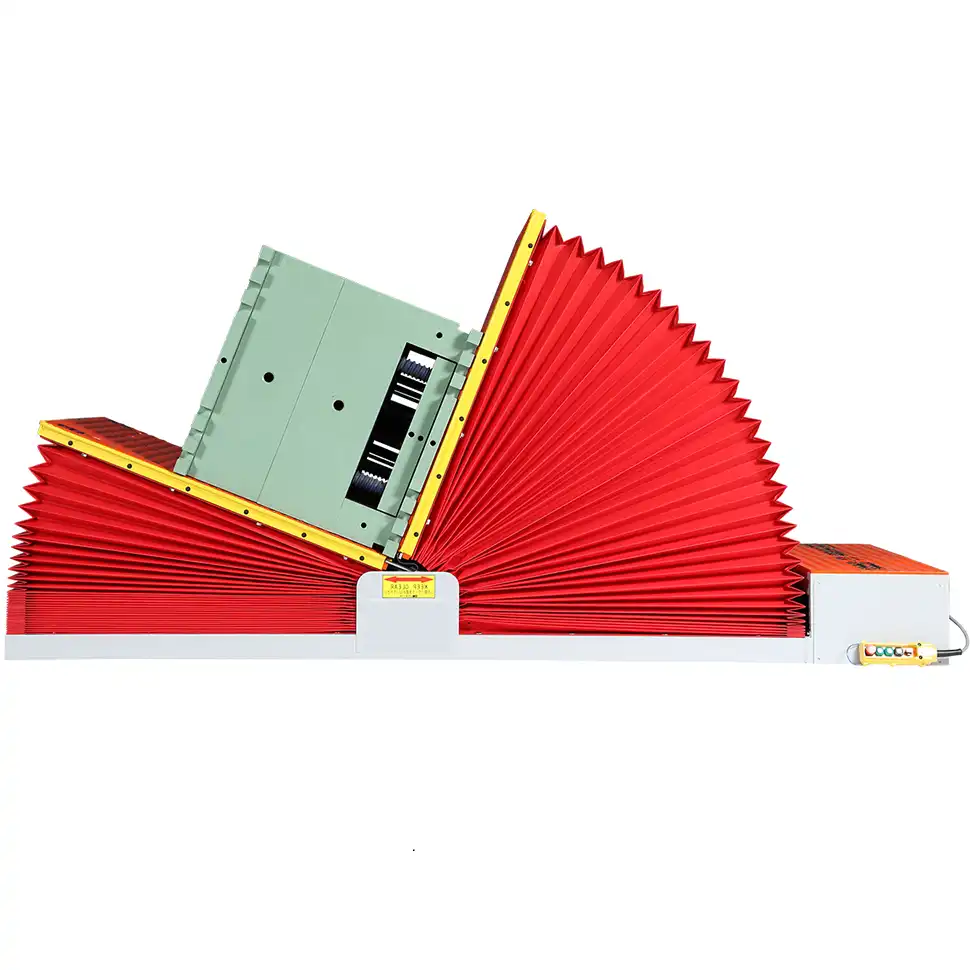
You might think integrating complex systems is difficult. You might even wonder if it is truly worth the effort. But I am here to tell you it is. Let us look deeper into why this integration is not just a good idea, but a critical step for modern European factories.
How Does MES/ERP Integration Boost Efficiency in Coil and Wire Packing?
Do your coil and wire packing lines feel stuck in the past? Are manual processes and disconnected machines holding back your throughput? Many factories struggle with this bottleneck at the end of their production line. This old way of working creates delays. It means longer lead times. It means higher labor costs. It directly affects your ability to meet demanding customer schedules. MES/ERP integration is the solution. It connects your packing processes directly to your overall production plans. This creates a smooth, automated workflow from start to finish.
MES/ERP integration significantly boosts efficiency in coil and wire packing by automating data exchange and streamlining workflows. It allows production schedules from ERP to flow directly to the MES. The MES then optimizes upender operations. This eliminates manual data entry. It reduces errors. It speeds up material handling. It ensures that packing activities are perfectly synchronized with upstream production. This ultimately improves overall factory throughput and delivery times.
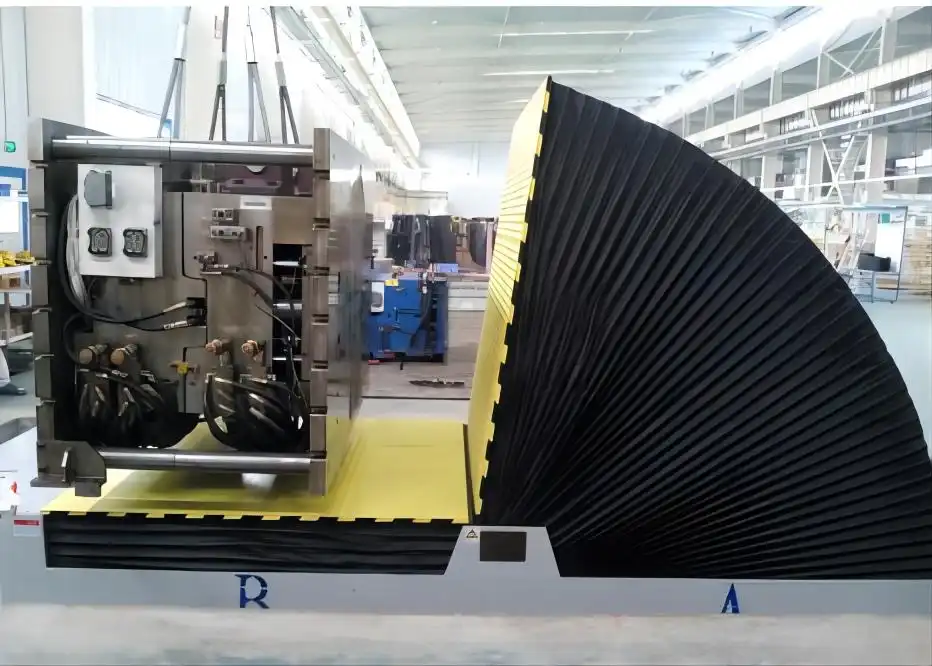
When I started my journey in the packing machine industry, I saw many factories with incredible production lines. But then everything slowed down at the very end. This was often at the packing stage. People used clipboards and manual entries. This created a huge disconnect. MES/ERP integration changes this completely. It brings the same level of precision and automation to your upenders as you have in your core manufacturing.
First, think about real-time data. Your upenders handle heavy coils and wires. They perform critical turns and movements. When these machines are integrated, they send data instantly. This includes cycle times. It includes completed units. It includes any errors. Your MES captures this data. It then feeds it into your ERP system. This means your production planners always know the exact status of finished goods. They can make better decisions. They can adjust schedules quickly. This reduces bottlenecks.
Second, consider optimized scheduling. Your ERP holds your customer orders. It has your raw material inventory. It has your overall production plan. Without integration, someone manually translates this plan to the shop floor. With integration, the ERP passes the packing order directly to the MES. The MES then instructs the upender. It tells it what to do, when to do it, and how. This removes human error. It ensures the right coil or wire is packed for the right order at the right time. This improves order fulfillment speed.
Third, resource allocation becomes smarter. You can track upender utilization. Are some machines overworked while others sit idle? Integrated data shows you this. You can then balance workloads. This prevents machine wear and tear on one unit. It maximizes the lifespan of your equipment. It also helps in planning maintenance. You can schedule it during slow periods. This prevents unexpected downtime.
Finally, think about material flow. In a metal processing factory, coils are heavy. They need careful handling. An upender turns them safely. With integration, the system knows what coil is coming next. It prepares the upender. This could mean pre-setting parameters. It could mean preparing the next packaging materials. This smooths out the entire flow. It reduces the need for manual checks. It also lowers the risk of mishandling materials. This leads to fewer damaged products.
Michael, I know you focus on throughput. This kind of integration is how you achieve it. It is not just about one machine. It is about making your whole factory work like a single, well-oiled machine. It connects the dots.
Benefits of Integrated Upender Operations
| Feature | Manual Process Challenges | Integrated System Benefits |
|---|---|---|
| Data Collection | Slow, error-prone, outdated | Real-time, accurate, automated |
| Production Scheduling | Disconnected, prone to manual errors | Dynamic, optimized, centrally controlled |
| Resource Utilization | Uneven loads, reactive maintenance | Balanced, proactive, predictive |
| Material Tracking | Gaps in visibility, difficult tracing | End-to-end, seamless, precise |
| Quality Control | Spot checks, post-process correction | In-line monitoring, immediate feedback |
This table shows the clear difference. It shows why an integrated system is a must-have. It brings efficiency to the forefront. It turns your upenders into smart, productive assets.
Can MES/ERP Integration Improve Safety for Heavy Material Handling?
Is safety a constant worry in your heavy manufacturing plant? Do your workers still manually handle huge, heavy items like steel coils or molds? This creates serious risks every single day. Manual handling of heavy loads leads to terrible injuries. It increases insurance costs. It makes good employees leave. This directly impacts your company’s bottom line and reputation. MES/ERP integration helps improve safety. It reduces the need for human intervention with heavy machinery. This makes your factory a safer place to work.
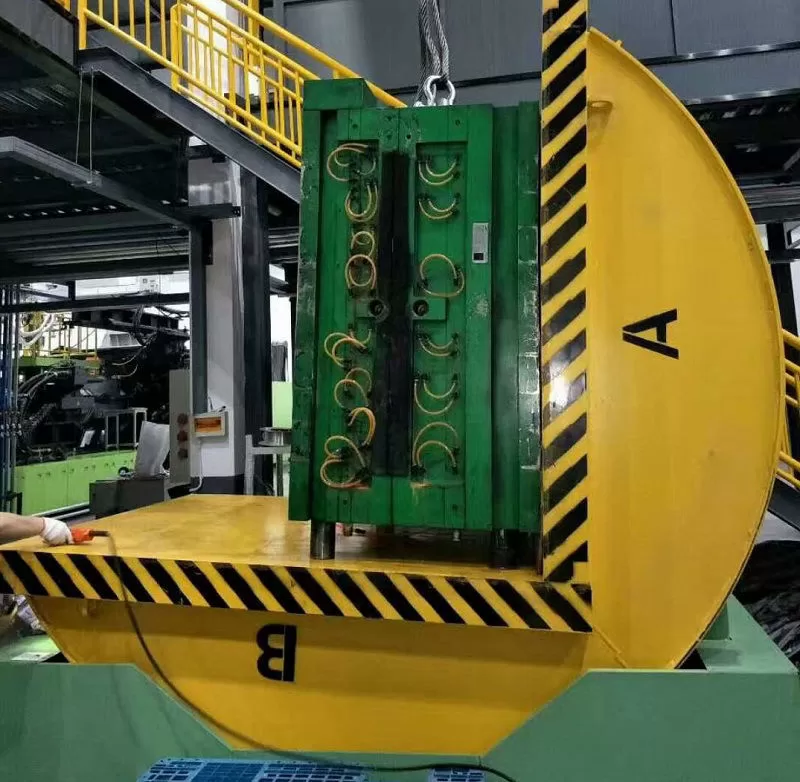
MES/ERP integration significantly improves safety in heavy material handling by minimizing human exposure to hazardous operations. It enables automated control of upenders. This reduces the need for manual positioning or intervention with heavy coils and molds. This integration allows for predictive maintenance. It signals potential equipment failures. It ensures compliance with safety protocols through automated checks and real-time alerts. This leads to a safer work environment and fewer accidents.
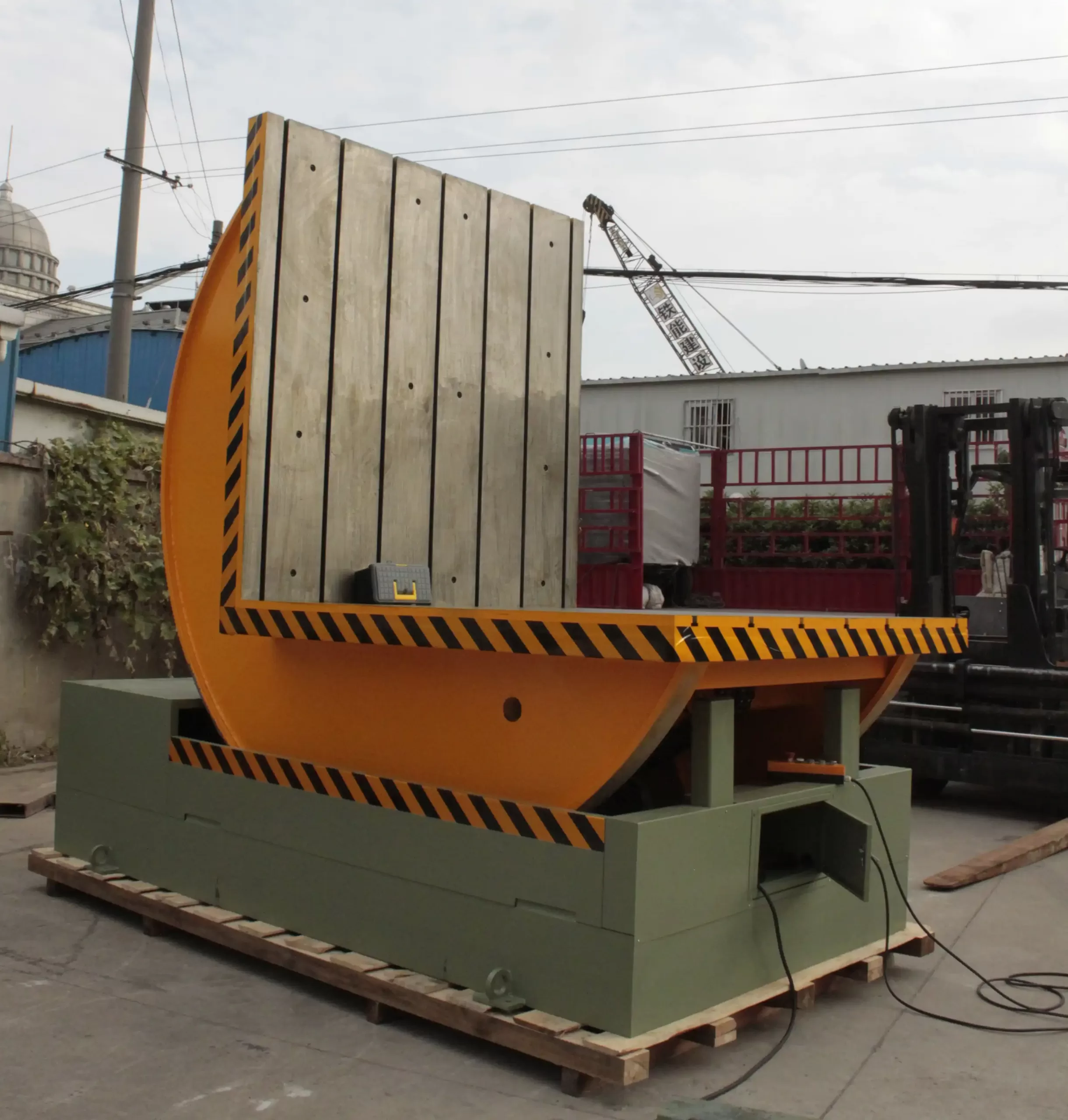
Safety was always a top priority for me when I built my factory. I saw firsthand the dangers of manual handling in other plants. One mistake could cause a lifelong injury. For heavy objects like steel coils or large molds, upenders are essential. But even with upenders, manual tasks around them still carry risks. This is where integration makes a huge difference.
First, think about automated operation. When an upender receives instructions directly from the MES, it performs its function precisely. There is less need for an operator to stand close to the moving parts. The system can start and stop operations based on data. It can detect if something is out of place. This reduces the chance of accidents caused by human error or proximity to moving machinery.
Second, real-time safety monitoring is key. Integrated systems can monitor machine health continuously. They can track the weight being lifted. They can track the speed of operation. If a parameter goes outside safe limits, the system can issue an alert. It can even shut down the machine automatically. This prevents overloading. It prevents dangerous speeds. It ensures the upender always operates within its design limits. This directly protects your workers.
Third, consider predictive maintenance for safety. Integrated systems collect data on machine performance. They can spot early signs of wear and tear. They can predict when a part might fail. This allows you to schedule maintenance proactively. You can replace worn components before they break. This prevents sudden machine failures. Such failures can be very dangerous, especially with heavy loads. A scheduled repair is always safer than an emergency breakdown.
Fourth, improved traceability also plays a role in safety. Every action taken by the upender is logged. This includes what it handled, when, and by whom (if any manual input was involved). If an accident occurs, you have clear data. You can trace back what happened. This helps in root cause analysis. It allows you to implement better safety protocols. It ensures compliance with all safety regulations. This kind of data also helps in training your staff. It shows them how to work safely around the equipment.
Michael, I know the pressure you face regarding safety. It is not just about avoiding fines. It is about protecting your team. Investing in integration is investing in their well-being. It is about creating a factory where everyone feels safe. This also reduces your insurance costs over time. It makes your company a preferred employer.
Safety Improvements with Integrated Upenders
| Aspect | Manual/Disconnected Risks | Integrated System Safety Benefits |
|---|---|---|
| Operator Proximity | High risk of impact/crush injuries | Reduced manual intervention, remote control |
| Equipment Failure | Unpredictable breakdowns, sudden hazards | Predictive maintenance, fewer surprises |
| Overloading | Miscalculations, exceeding weight limits | Automated weight checks, warnings |
| Compliance & Audits | Difficult to prove adherence, manual logs | Automated logging, verifiable data |
| Training | Based on observation, limited feedback | Data-driven insights, targeted training |
This comprehensive approach to safety makes a real impact. It turns a potential hazard into a controlled process.
How Does Integrated Data Reduce Product Damage and Costs?
Are you tired of seeing your valuable steel coils or wires get damaged during internal transfers or packing? Does this lead to customer complaints and lost profits? Product damage is a hidden cost many factories overlook. Each damaged product means re-work. It means wasted materials. It means unhappy customers. This directly impacts your reputation and your bottom line. Integrated data from MES/ERP systems can dramatically reduce product damage. It optimizes handling and packing processes. This saves you money and keeps your customers happy.
Integrated data from MES/ERP systems reduces product damage and costs by ensuring precise, automated handling and packing. Real-time data allows upenders to operate with optimal parameters for each product type. This minimizes errors and rough handling. It also enables better inventory management and traceability. This prevents products from being misplaced or mishandled. This leads to fewer reworks. It leads to reduced material waste. It leads to improved customer satisfaction. All of these directly cut operational costs.
One of the biggest frustrations for factory owners like Michael is product damage. You put so much effort into making a high-quality product. Then, it gets damaged right at the end, during packing or internal transfer. It is heartbreaking. I have seen this many times. It is a direct hit to your profits. But it is also a hit to your customer relationships. Integrated data helps solve this.
First, think about precise handling instructions. Different coils might have different specifications. Some need extra gentle care for their edges. Some are heavier. Some require specific orientation for the next process. When your upender is connected to the MES, it receives these exact instructions. It knows the specific product it is handling. It can adjust its speed. It can adjust its tilt angle. It can adjust its rotation accordingly. This eliminates guesswork. It prevents common mistakes that lead to dents or scratches.
Second, consider optimized material flow. Sometimes, damage happens because products sit around too long. Or they are moved too many times. An integrated system tracks material flow from start to finish. It ensures coils move directly from production to upender. Then they go to storage or shipping. It minimizes unnecessary handling. It reduces the chance of accidental damage during storage or transit. This smooth flow also means less congestion on the factory floor. This further reduces collision risks.
Third, improved inventory accuracy saves money. If your ERP knows exactly what is packed and where it is, you avoid losing products. You avoid double handling. You avoid shipping the wrong item. These seem like small things. But they add up. Lost products are wasted money. Shipping the wrong item leads to return costs and unhappy customers. Real-time inventory updates from the MES to the ERP prevent these costly errors.
Fourth, data insights can pinpoint problem areas. If an integrated system logs every instance of damage, you can analyze it. Is it happening with a specific product type? Is it happening at a certain stage? Is it related to a particular upender or operator? This data helps you identify the root cause. You can then make targeted improvements. This could mean adjusting the upender settings. It could mean retraining staff. This data-driven approach is far more effective than just reacting to complaints.
Michael, you mentioned product damage. This is a direct loss for you. It impacts your financial health. By investing in MES/ERP integration, you are not just buying a machine. You are investing in a system that protects your product. This means more satisfied customers and higher profits. This is a clear ROI.
Cost Savings Through Reduced Damage
| Source of Damage/Cost | Manual/Disconnected Impact | Integrated System Solution |
|---|---|---|
| Mishandling | Dents, scratches, ruined edges | Automated, precise, product-specific handling |
| Lost Inventory | Misplaced items, unknown stock | Real-time tracking, accurate counts |
| Rework/Scrap | Material waste, labor costs | Reduced errors, fewer damaged goods |
| Customer Complaints | Returns, lost sales, reputation damage | Higher quality, consistent product delivery |
| Inefficient Space Use | Cluttered areas, difficult navigation | Optimized flow, organized storage |
These points highlight how integrated systems directly tackle the causes of product damage and inefficiency. They turn them into opportunities for cost savings and profit.
Why Is a Trusted Partner Crucial for Complex System Integration?
Have you dealt with equipment suppliers who only care about the sale? Do they disappear after the delivery, leaving you with poor after-sales support? Finding a truly reliable partner for complex systems like MES/ERP integration can feel impossible. A bad partner can turn a promising investment into a nightmare. You get stuck with systems that do not work. You face constant downtime. You feel unsupported. This costs you time, money, and peace of mind. Choosing a trusted partner is not just important. It is crucial. You need someone who understands your factory. You need someone who offers real expertise and long-term support.
A trusted partner is crucial for complex system integration, especially for MES/ERP with upenders, because they offer more than just equipment. They provide in-depth industry knowledge. They understand unique factory challenges. They offer tailored solutions. A reliable partner ensures seamless implementation. They provide comprehensive training. They give robust after-sales support. This safeguards your investment. It builds a long-term relationship based on expertise and proven success, rather than just a transaction.
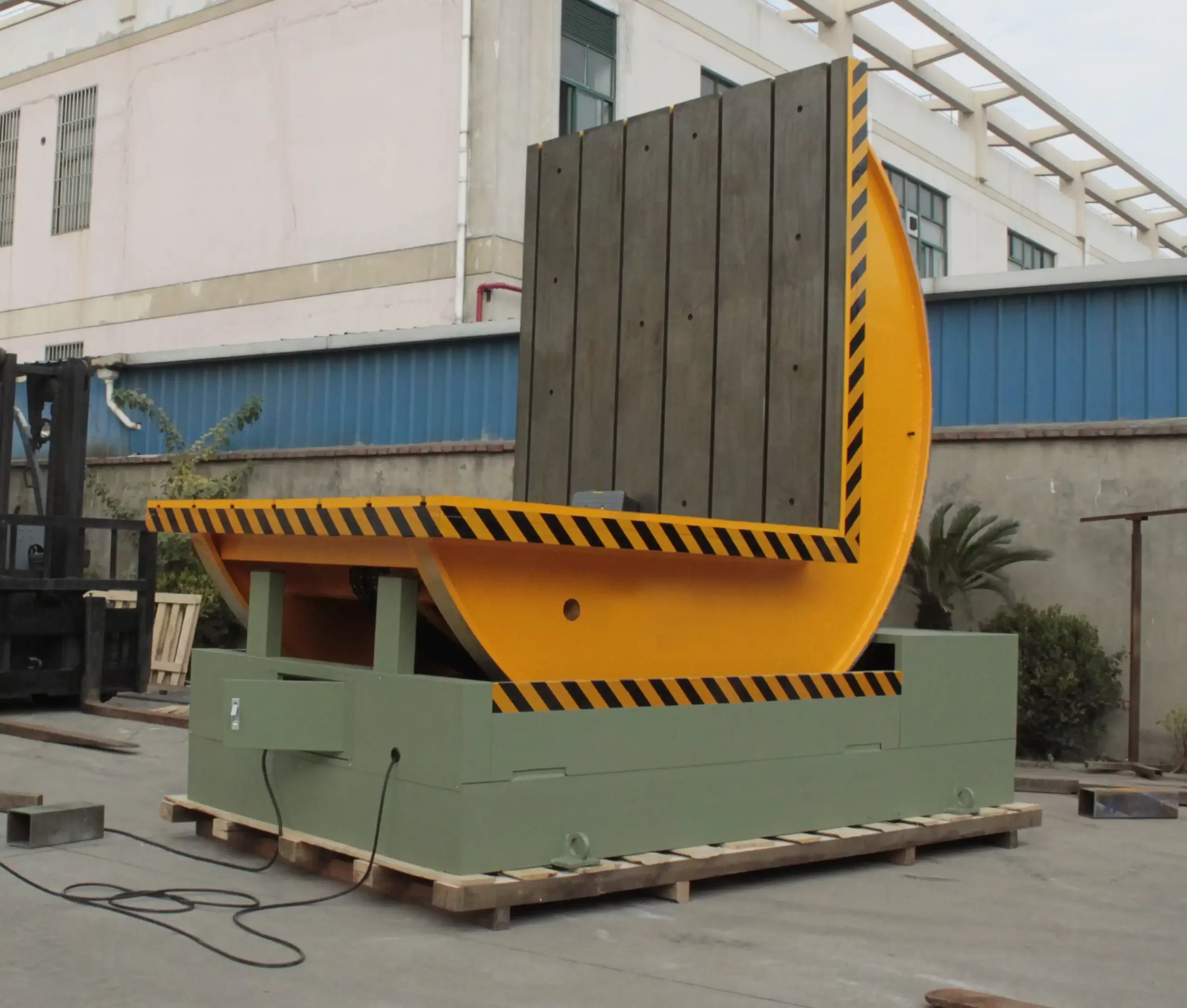
Michael, your experience with unreliable suppliers is common. It is frustrating. I have been on both sides. I started as an employee. Then I built my own factory. I know what it feels like to need solutions and get only sales talk. This is why I always emphasize finding the right partner. Especially for something as big as MES/ERP integration with your core machinery like upenders.
First, you need someone with deep industry expertise. It is not enough to know how upenders work. The partner must understand your industry. They need to know about metal processing. They need to know about heavy coils and wires. They need to understand the unique challenges of a European factory environment. A true expert will ask about your specific bottlenecks. They will not just try to sell you a standard solution. They will tailor it. My own journey, from factory employee to owner, gave me this deep understanding. I know what keeps factory managers up at night.
Second, look for a partner who offers end-to-end support. The sale is just the beginning. You need help with planning. You need help with installation. You need staff training. Most importantly, you need excellent after-sales service. What happens if something breaks? How quickly can they respond? A good partner will have local support or a very strong remote team. They will ensure your system runs smoothly long after it is installed. They will offer regular maintenance and updates.
Third, seek transparency and proven results. Ask for case studies. Talk to their existing clients. A trusted partner will be open about their successes and challenges. They will show you how they solved problems for other companies. They will not over-promise. They will set realistic expectations. They will focus on clear ROI for your investment. This is about building a relationship. It is not about a quick deal.
Finally, trust often comes from shared values. As FHOPEPACK, our mission is about sharing knowledge. It is about helping others succeed. I believe in giving back to the industry that helped me achieve financial independence. This mindset drives our approach. We want to be a partner who genuinely helps you grow your business. We want to solve your real problems. We do not just want to sell you a machine. We want to help you build a better, more efficient, and safer factory.
Michael, you are looking for someone who understands your production bottlenecks, safety concerns, and efficiency challenges. You are looking for professional insights and reliable solutions. This is precisely what a true partner brings to the table. They become an extension of your team.
Qualities of a Trusted Integration Partner
| Trait | What it means for you | Why it matters for integration |
|---|---|---|
| Deep Industry Knowledge | They speak your language, understand your unique needs | Tailored solutions, fewer mistakes, faster implementation |
| Comprehensive Support | From planning to post-installation service | Maximized uptime, minimized headaches, long-term performance |
| Proven Track Record | Evidence of successful projects, happy clients | Reduced risk, confidence in your investment |
| Transparency & Honesty | Clear communication, realistic expectations | No hidden costs, reliable promises |
| Problem-Solving Mindset | Focus on solutions, not just sales | Real answers to your challenges, true partnership |
Choosing the right partner is arguably as important as choosing the right technology. It secures your investment. It ensures your long-term success.
My Insights: The Future of European Packing Automation
Are you wondering what is next for packing automation in Europe? Is your factory ready for the future of smart manufacturing? Many are looking for the edge that keeps them competitive. Staying with old methods means falling behind. It means losing market share. It means struggling to meet new demands. The world of manufacturing is changing fast. The future is clear. It involves more integration. It involves smarter machines. I believe this path will transform European factories. It will make them more resilient and profitable.
The future of European packing automation, especially for heavy industries, will be defined by deeper MES/ERP integration. This will lead to fully autonomous and intelligent operations. This will involve more predictive analytics. It will involve AI-driven optimization. It will involve enhanced connectivity between all factory components. This will allow upenders and packing lines to self-adjust and anticipate needs. This shift will ensure greater efficiency. It will reduce human error. It will create highly responsive, future-proof manufacturing environments across Europe.
My journey in the packing machine industry has been long. I started as an employee. I learned the ropes. I saw the challenges. Then, I had the chance to build my own factory. That experience, from the ground up, showed me the power of automation. It showed me how good machines, when used right, can change lives. They changed mine. They helped my clients grow. Now, as I share knowledge through FHOPEPACK, I see the next big wave. It is full integration.
For European factories, especially those dealing with heavy materials like coils and wires, this future is not far off. We are already seeing the move towards Industry 4.0. This means factories are becoming smarter. They are becoming more connected. Your upenders will not just flip coils. They will communicate. They will tell the system when they are busy. They will ask for the next material. They will even flag potential issues before they become problems.
I predict we will see even more advanced predictive maintenance. This goes beyond just sensing wear and tear. It will use AI to analyze vast amounts of data. It will look at historical patterns. It will predict failures with even greater accuracy. This means almost zero unplanned downtime for your upenders. Imagine a factory where machines rarely stop unexpectedly. That is the goal.
We will also see greater focus on energy efficiency. Integrated systems can monitor power consumption. They can identify inefficient operations. They can suggest ways to reduce energy use. This is very important in Europe, given the focus on sustainability and rising energy costs. Smart upenders will be part of a larger smart grid within the factory. They will help reduce your carbon footprint. They will save you money on energy bills.
Finally, the human role will change. It will move from manual labor to supervision and problem-solving. Workers will monitor systems. They will analyze data. They will handle exceptions. They will operate complex interfaces. This means safer jobs. It means more fulfilling work. It means a more skilled workforce. I believe this is a win-win for everyone involved. My goal with FHOPEPACK is to help you navigate this future. It is about equipping you with the knowledge and tools to thrive.
The financial independence I found through this industry pushed me to share this knowledge. I want to see others succeed. Investing in smart automation and integration is the path to that success. It is the path to a resilient, profitable future for European manufacturing.
Future Trends in Packing Automation for Europe
| Trend | Impact on Factories | Benefits for Michael’s Plant |
|---|---|---|
| Hyper-Integration | All systems communicate seamlessly | End-to-end visibility, total control |
| AI & Machine Learning | Predictive operations, self-optimization | Near-zero downtime, maximum efficiency |
| Energy Optimization | Reduced consumption, lower bills | Cost savings, sustainability compliance |
| Human-Robot Collaboration | Safer, more skilled workforce | Improved safety, higher productivity |
| Modular & Flexible Systems | Adapt quickly to new products/demands | Agility, faster market response |
This is the direction we are headed. It is an exciting time to be in manufacturing.
Conclusion
Seamless MES/ERP integration transforms European upenders into smart, efficient, and safe assets. It drives profitability. It reduces risks. It prepares your factory for the automated future. Partner wisely for this essential journey.








