
How Do Preventive Maintenance Programs Extend Tilter Lifespans Across Europe?
Manufacturing plants across Europe face constant pressure. They need to produce more. They need to control costs. And they must keep everyone safe. I have seen factory managers, just like Michael Chen, lose sleep over these things. A common pain point? Equipment reliability, especially for heavy-duty machinery like tilters. When a tilter goes down, the whole production line can stop. This means lost time, lost money, and a lot of headaches. It is a big problem for any business.
Preventive maintenance programs make tilter lifespans much longer by catching small issues before they become big failures. These programs involve regular inspections, proper lubrication, and timely parts replacement. They help keep the machines running smoothly, reduce unexpected breakdowns, and ensure the equipment works well for many years. This proactive approach saves money and boosts production.
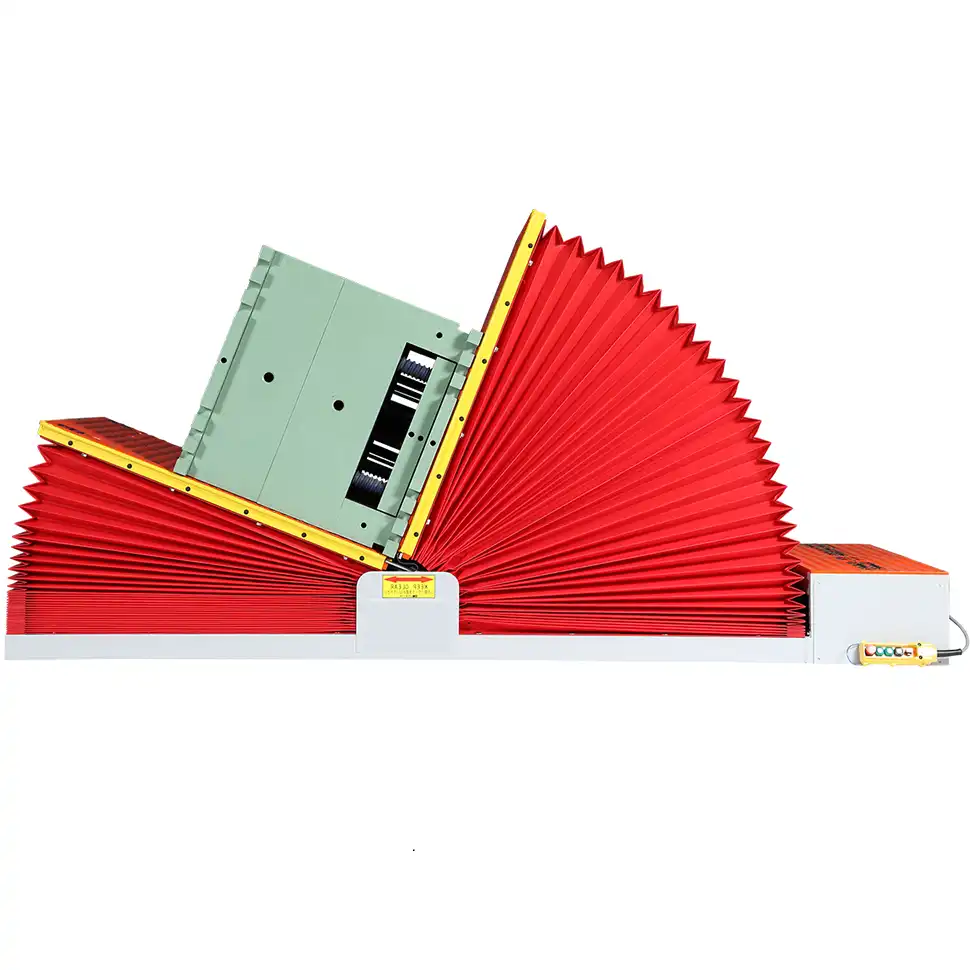
So, how exactly does this work? And why is it even more critical for factories operating in Europe? Stick with me. We will dive deep into how scheduled maintenance keeps your tilters running, meeting strict European standards, and helping your business grow.
Why Is Tilter Maintenance So Important for European Factories?
You might think, “Maintenance is just an added cost.” But for factories in Europe, it is far more than that. The stakes are very high. European manufacturing environments demand top-notch efficiency and strict adherence to safety. Without regular maintenance, tilters can fail. This leads to costly downtime. It also creates dangerous situations for workers.
Tilter maintenance is critical in Europe because of strict safety laws, high labor costs, and the need for non-stop production. European countries have very tough rules about worker safety and machine operation. If a machine breaks down, it can cause serious injuries. Also, labor is expensive in Europe. So, every hour a machine is down, money is lost. Keeping machines running well prevents these problems.
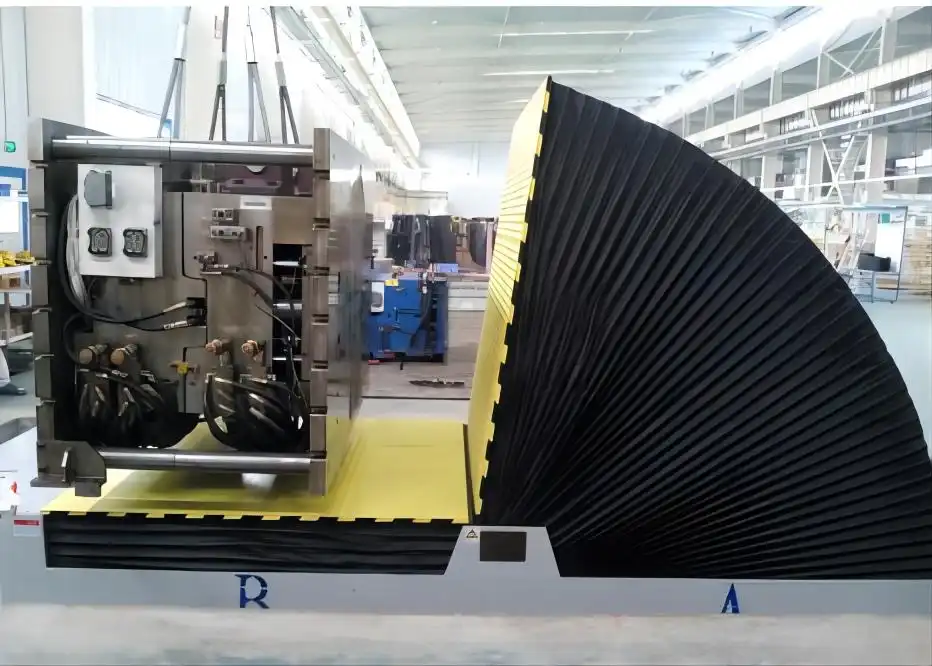
I have spent many years in the packing machine industry. I started on the factory floor. I know firsthand how a single machine failure can ripple through an entire operation. In Europe, this ripple effect is often magnified. Strict regulations, like those related to CE marking and various EU directives, mean that machine failures can lead to heavy fines, legal issues, and even production halts by authorities. European factories also face intense global competition. They cannot afford any dip in productivity. High labor costs mean that relying on manual processes is often not sustainable. This makes reliable automation, like tilters, essential. When a tilter fails, it is not just about a repair bill. It is about lost production, wasted raw materials, and potential safety incidents.
- Regulatory Compliance: European Union (EU) laws are very strong. The Machinery Directive 2006/42/EC is one example. It sets essential health and safety requirements for machinery. This includes tilters. Regular maintenance ensures a machine continues to meet these rules over its lifetime. It is not enough for a machine to be safe when new. It must stay safe. Factories must perform periodic checks. They must keep records of all maintenance work. This proves they are following the rules. If an accident happens, these records are vital.
- High Operational Costs: Labor costs in Europe are generally higher than in other parts of the world. This makes efficiency crucial. A well-maintained tilter operates at its peak. It completes tasks quickly. It does not waste energy. When a tilter breaks, emergency repairs are expensive. They often require specialized technicians. Plus, the cost of lost production adds up very fast. For example, if a steel coil tilter stops, an entire processing line might idle. This means workers are standing idle, but still being paid. Raw materials might also be stuck.
- Safety Standards: Safety is paramount in European workplaces. Tilters often handle heavy and dangerous loads, like large steel coils or molds. A machine failure can cause serious harm. It can lead to severe injuries or even fatalities. Preventive maintenance checks for worn parts, loose connections, and faulty safety systems. This reduces the risk of accidents. For example, hydraulic systems must be checked often for leaks or pressure drops. Electrical systems need regular inspection for frayed wires or short circuits. Safety interlocks must work perfectly. My own experience building factories showed me that investing in safety from the start is always cheaper than dealing with an accident later. It protects both people and profits.
What Specific Preventive Maintenance Steps Extend Tilter Lifespans?
Many factory managers, like Michael, ask me: “What exactly do we need to do?” They know maintenance is important. But they need practical steps. Knowing the specific tasks helps them plan better. It also helps them train their teams. This makes sure the tilters run for a long time.
Key preventive maintenance tasks include regular inspections, proper lubrication, timely part replacement, and system calibration. All these steps focus on stopping wear and tear before it causes a breakdown. By following a clear schedule, factories can ensure their tilters remain reliable and efficient, extending their useful life significantly.
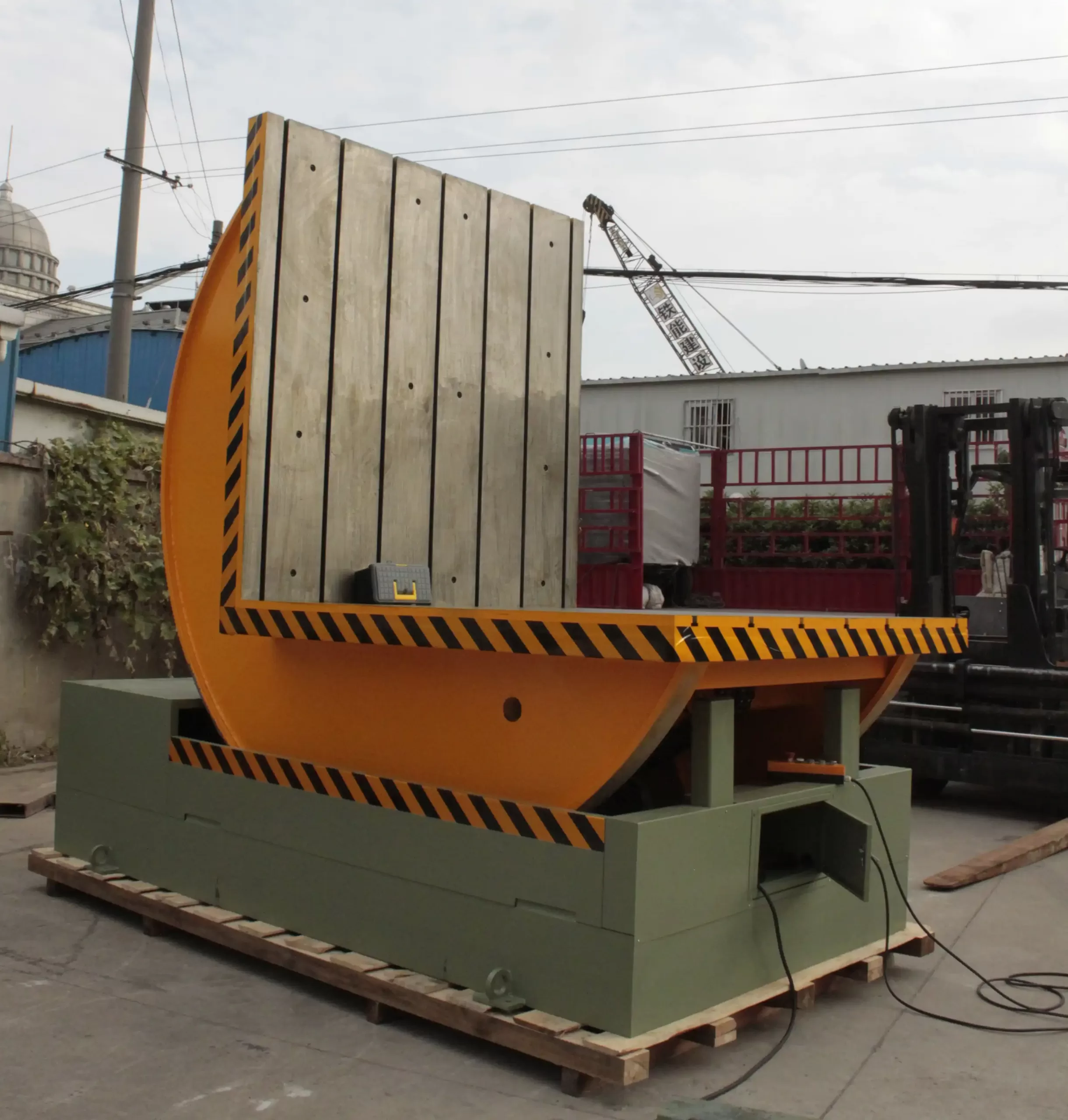
When I was first building my packing machine factory, I learned the hard way that cutting corners on maintenance always leads to bigger problems. A small check today can prevent a major repair tomorrow. For tilters, this means a structured approach. It is not just about fixing things when they break. It is about keeping them from breaking at all. This involves a mix of daily checks, weekly tasks, and more thorough monthly or quarterly inspections.
- Daily Visual Checks: Operators should check the tilter before each shift. They look for obvious damage, fluid leaks, or unusual noises. They check that all safety guards are in place. They make sure emergency stop buttons work. This quick check can spot early warning signs. For example, a small hydraulic leak, if caught early, can prevent a complete system failure. I always tell my team: “Your eyes are your first line of defense.”
- Lubrication Schedule: Moving parts need grease or oil to reduce friction. This prevents wear. A detailed lubrication schedule ensures all bearings, gears, and pivot points get the right type and amount of lubricant. Too little or the wrong type of lubricant speeds up wear. It can cause parts to seize up. Too much can also create issues. Factories should use the manufacturer’s recommendations for lubricant types and intervals. For example, a heavy-duty tilter handling steel coils needs robust grease for its pivot points.
- Component Inspection and Replacement: Parts wear out over time. This is normal. This includes hydraulic hoses, electrical cables, sensors, and structural components. Regular inspections help identify worn parts. They can then be replaced before they fail. For example, hydraulic hoses can crack. Electrical cables can fray. Sensors can become faulty. Replacing them proactively avoids sudden breakdowns. It also reduces safety risks.
- Hydraulic System: Check fluid levels, hose condition, and pump efficiency. Look for leaks. Test pressure.
- Electrical System: Inspect wiring, connections, motors, and control panels. Check sensors and limit switches.
- Mechanical Parts: Look at bearings, gears, and chains for wear. Check bolts for tightness.
- Structural Integrity: Inspect the frame for cracks or deformation. Check the base and anchoring.
- Safety Features: Test emergency stops, interlocks, and warning lights.








