
Enhancing Coil Handling with Custom Engineered Solutions
Struggling with slow, unsafe coil handling? Inefficient processes can cripple productivity and endanger your team. Discover how custom engineered solutions are revolutionizing material handling in heavy industries, transforming challenges into streamlined, high-performance operations built for safety and efficiency.
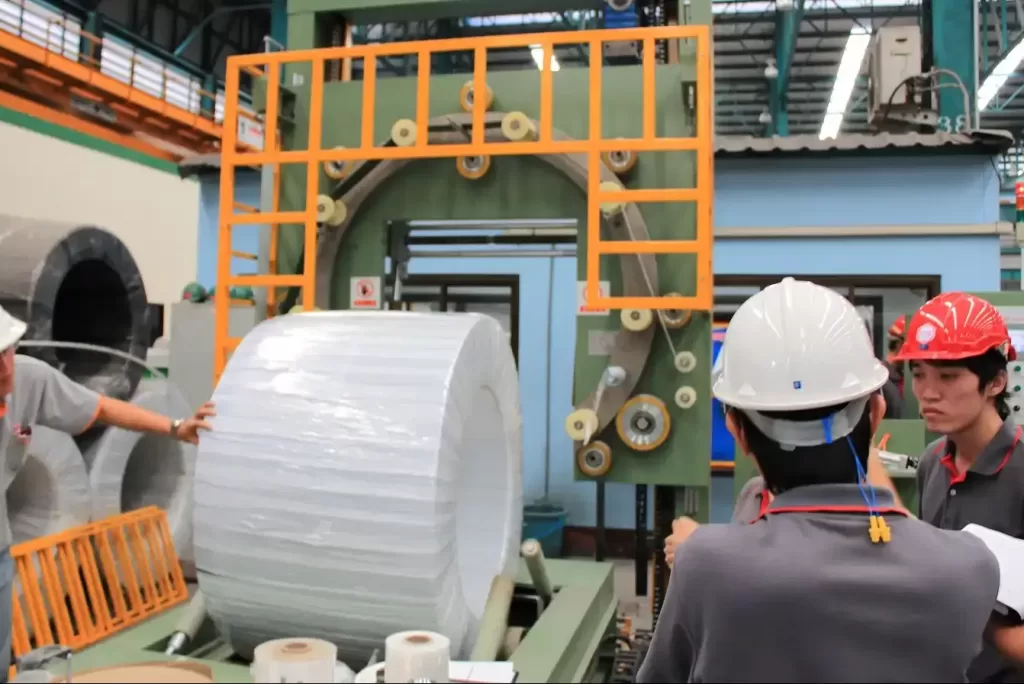
Enhancing coil handling with custom engineered solutions involves deploying specialized equipment like gantry cranes, overhead cranes, coil cars, or automated grabs. These solutions, tailored to specific operational needs and facility layouts, integrate features like rotating hooks, custom attachments, and automation. They significantly boost safety, efficiency, and throughput, minimizing manual handling risks and optimizing workflow for heavy materials like steel coils.
The complexities of handling heavy coils demand more than standard equipment. Tailoring lifting and transport systems to the unique challenges of high-production environments unlocks unprecedented levels of performance and safety. Let’s explore how these specialized solutions make a difference across various operational needs.
1: Revolutionizing Steel Coil Handling with Custom Gantry Cranes
Moving millions of tons of steel coils annually requires robust, reliable equipment. Standard lifting methods often fall short, creating bottlenecks and compromising safety. Specialized gantry cranes engineered for this heavy-duty task provide a powerful answer to these challenges in high-throughput facilities.
Gantry cranes, particularly custom-engineered rubber-tired models like the Mi-Jack Travelift, are pivotal in enhancing steel coil handling efficiency and safety within high-production environments. Designed for demanding duty cycles and tailored to site-specific layouts, they feature specialized attachments such as hydraulic rotating hooks and custom spreader bars, often used with C-hooks. These innovations allow for precise, rapid lifting, rotation, and placement of multi-ton coils over railcars or within facilities. By enabling operations over existing infrastructure and integrating features that minimize human interaction with suspended loads, custom gantries eliminate the need for ground rigging, significantly improve throughput (e.g., loading four steel coils per railcar in under 30 minutes with a 70-ton capacity), and maintain critical safety distances for workers, making them indispensable for maximizing productivity and safety in steel mills and processing centers.

The Anatomy of a High-Performance Coil Handling Gantry
Custom engineered gantry cranes are not merely large lifting machines; they are sophisticated systems designed to interact precisely with their environment and the specific characteristics of steel coils. Their design factors in site-specific requirements like existing rail lines, facility height limitations, and traffic flow, which standard cranes may not accommodate efficiently.
Custom Attachment Engineering
The heart of a coil-handling gantry’s specialization lies in its attachments. A hydraulic-powered rotating hook, for instance, allows operators to orient the coil precisely without manual intervention, crucial when loading into narrow railcar openings or tight storage spaces. Combined with a custom spreader bar and C-hook, this setup ensures the load is stable and balanced, reducing sway and improving control. The Mi-Jack system used in Kentucky exemplifies this, integrating the Travelift with a rotating spreader bar and C-hook to lift and rotate heavy coils as railcars move beneath, enabling seamless loading and unloading. This engineering eliminates the need for ground rigging crews, a major safety improvement.
Integrated Safety Features
Beyond eliminating ground personnel risk, custom gantries incorporate features that enhance overall workplace safety. Precision controls allow for smooth acceleration, deceleration, and positioning, minimizing sudden movements that could dislodge or damage coils. The design ensures operators can maintain a safe distance while the hoist handles the heavy lifting and positioning. High-duty cycle engineering means the crane is built to withstand continuous, rigorous use without premature failure, reducing the risk of mechanical breakdowns during operation.
Optimizing Throughput
The efficiency gains from custom gantry cranes are significant. Tailored dimensions allow the crane to span rail lines or processing areas optimally. The combination of high lifting capacity (like 70 tons) and specialized attachments speeds up cycle times dramatically. Loading four steel coils into a railcar in under 30 minutes, as described at the Ghent facility, is a testament to this optimized workflow. This speed is critical for maintaining a streamlined supply chain between production and processing facilities, where millions of tons of coils are handled annually.
Custom Gantry vs. Traditional Methods: A Comparison
| Feature | Custom Gantry Crane (e.g., Travelift) | Traditional Forklifts/Cranes with Rigging |
|---|---|---|
| Safety | Eliminates ground rigging, distance | Requires ground personnel, close contact |
| Speed/Throughput | High cycle times, rapid loading | Slower, manual positioning, more steps |
| Precision | Hydraulic rotation, fine positioning | Limited rotation, less precise placement |
| Required Personnel | Operator only (for lifting/placing) | Operator + Riggers |
| Flexibility | Mobile (rubber-tired), site-adapted | Rail-bound or less agile |
| Capacity | High (e.g., 70+ tons) | Varies widely |
By engineering gantries with these specific features and site needs in mind, facilities handling heavy coils can achieve unprecedented levels of operational performance, safety, and efficiency.
2: The Power of Custom Overhead Cranes in Coil Management
Within the confines of a steel mill or processing plant, overhead space is prime real estate for efficient material flow. Custom overhead cranes offer unparalleled precision and control for managing heavy steel coils, elevating operations literally and figuratively while integrating into existing structures.
Custom overhead cranes enhance coil handling by providing tailored lifting and transport solutions optimized for indoor or contained environments. Engineered for high duty cycles and heavy loads, they integrate advanced automation features, robust hooks, and durable components built to withstand extreme conditions like high temperatures. This customization ensures precise positioning, minimizes downtime, and significantly improves safety and efficiency in steel manufacturing and processing facilities by aligning crane capabilities with specific process requirements.

Engineering Overhead Excellence for Steel Coils
Overhead cranes are workhorses in facilities where floor space is limited or where material flow benefits from being managed from above. For steel coil handling, standard overhead cranes may not suffice due to the extreme demands of the material’s weight, shape, temperature, and the high frequency of movements required. Custom engineering addresses these challenges directly.
Designing overhead cranes specifically for coil handling means building them with exceptional strength and durability. Steel mill environments are harsh, involving high temperatures, dust, and constant heavy loads. Custom cranes incorporate features like heat-shielded electrical components, boards, and sensors to prevent failures when transporting coils directly from the hot mill. This robust construction is essential for maintaining high uptime, crucial in facilities where production pace is critical. Suppliers like Morgan Engineering highlight achieving 99% uptime even in these challenging conditions.
Precision is another key aspect of custom overhead cranes. Handling large, heavy coils requires accurate positioning to avoid damage to the coil itself, surrounding equipment, or structures. Custom designs often include advanced control systems and specialized coil hooks or grabs that interface perfectly with the coil’s “eye” or outer diameter, ensuring a secure grip and stable lift.
Automation plays a significant role in the efficiency of custom overhead cranes for coil handling. Given the repetitious nature of moving coils from storage to processing lines or vice versa, automation systems like Morgan’s CEPHAS can manage coil tracking and transport autonomously. This not only speeds up the process but also reduces operator fatigue and potential for human error, contributing directly to increased productivity and enhanced safety. The ability to automate these high-cycle tasks makes the coil yard operation smoother and more predictable. Customization allows these automated features to be seamlessly integrated with existing facility layouts and production management systems, ensuring the crane acts as an intelligent component within the larger operational framework, tailored to the unique flow of the specific facility.
3: Specialized Coil Handling Equipment Beyond Cranes
Not all coil handling happens overhead. Are you maximizing safety and efficiency at ground level or between processes? Specialized equipment like coil cars and automated grabs are critical links in the chain, preventing bottlenecks and protecting workers by providing tailored solutions for specific horizontal and vertical movements.
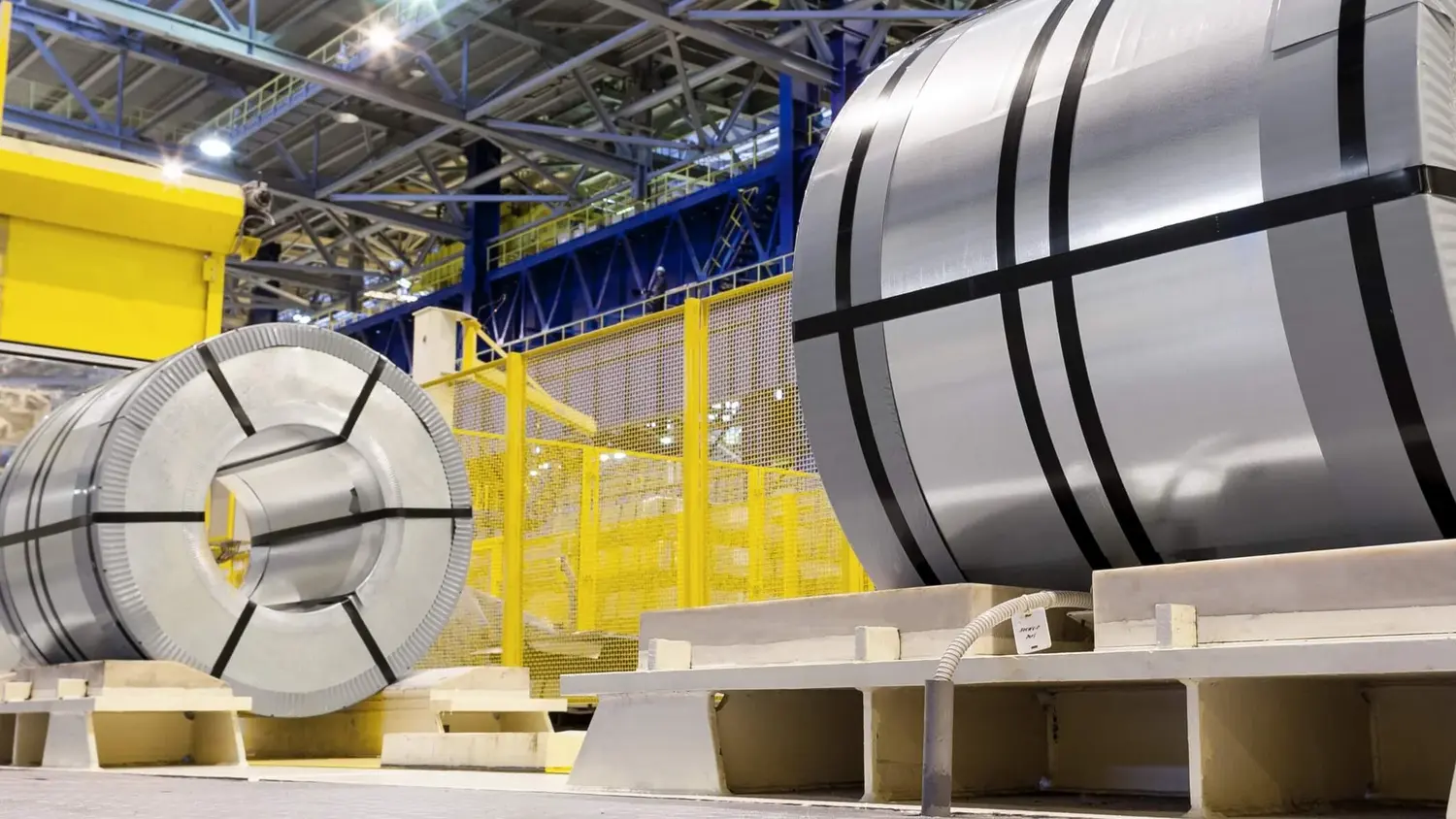
Beyond cranes, specialized equipment like coil cars and automated vertical grabs enhance coil handling by providing precise movement, positioning, and secure lifting at floor level or between processing steps. Coil cars facilitate horizontal transport and alignment, while automated grabs offer hands-free, precise vertical lifting. These custom solutions improve workflow, reduce manual handling risks, increase productivity, and integrate seamlessly into diverse industrial operations by addressing specific handling requirements.
Integrating Diverse Handling Solutions for a Seamless Workflow
Efficient coil handling involves a chain of movements, not just a single lift. Custom engineered solutions at various points in this chain ensure smooth transitions, minimize manual effort, and bolster safety. Equipment like coil cars, automated grabs, coil pallets, and upenders address specific challenges in horizontal movement, ground-level storage, and orientation changes.
Coil Cars for Horizontal Precision
Coil cars, as offered by companies like Southworth, are essential for efficiently moving coils horizontally within a facility or aligning them precisely with processing equipment. Available in various configurations (LS-Style, L-Cam Style, Opposed Cylinder Style) based on coil weight and application, they reduce the need for forklifts or manual pushing in certain areas, significantly improving safety and workflow. They ensure coils are delivered accurately to the next stage, whether it’s a decoiler or a storage rack. Custom options allow them to fit specific track widths, pit depths, and weight capacities required by the facility’s layout and products.
Automated Grabs: Hands-Free Vertical Lifting
Automated vertical coil grabs, like those from Avon Engineering, provide a highly controlled and safe method for lifting coils vertically, often used for loading onto coil cars or within automated storage systems. Their automated mechanisms allow for hands-free operation, drastically increasing safety by keeping personnel away from the load. Programmable features and precise load positioning capabilities ensure that coils are lifted and placed accurately, minimizing the risk of damage. Their versatility allows them to handle coils of various sizes and weights, making them ideal for high-volume steel service centers and production lines.
Foundational Safety and Efficiency Practices
Integrating these specialized equipment pieces requires a strong foundation of safety protocols and efficient workflow design, as outlined in general material handling guides.
| Practice | How it Enhances Coil Handling | Equipment Interaction |
|---|---|---|
| Proper Storage | Prevents accidental rolling/falling, ensures easy access (e.g., “eye to the sky” or racks) | Requires coil cars/cranes for placement/retrieval; racks support custom dimensions |
| PPE Use | Protects workers from sharp edges, heavy objects | Essential even with automated systems as workers may interact with equipment or coils |
| Training | Ensures safe operation of specialized equipment (coil cars, grabs), correct lifting techniques | Operators must be certified and trained on specific custom equipment features |
| Regular Maintenance | Prevents equipment breakdowns, ensuring reliable operation of grabs/cars and supporting systems | Crucial for uptime of automated features and mechanical components |
| Efficient Workflow | Minimizes unnecessary coil movements, optimizes path from storage to use | Determines the optimal placement and interaction points for specialized equipment |
By combining custom-engineered equipment like coil cars and automated grabs with these fundamental practices, facilities can create a truly seamless, safe, and efficient coil handling environment that goes beyond just the primary lifting apparatus.
4: Optimizing the Coil Handling Ecosystem
Efficient coil handling isn’t just about the equipment; it’s about integrating solutions into a cohesive workflow. Optimizing the entire ecosystem, from storage to transport to processing integration, is key to unlocking maximum productivity and safety and ensuring that custom engineered solutions deliver their full potential.
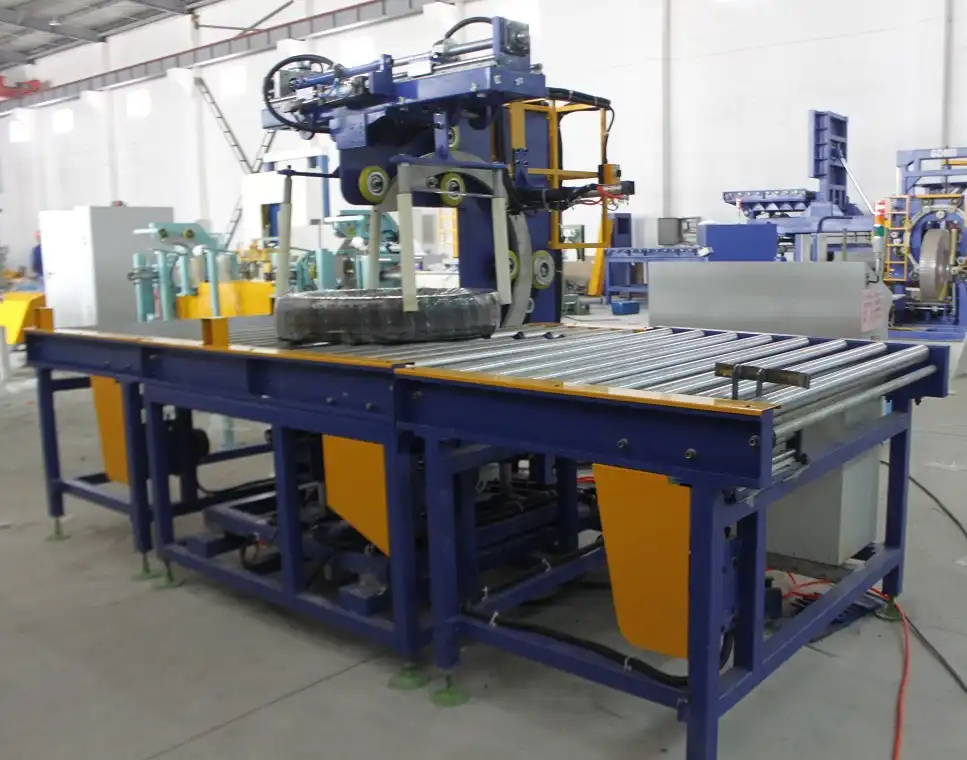
Optimizing the coil handling ecosystem involves integrating custom engineered lifting and transport solutions with robust workflow design, inventory management systems, and proactive maintenance protocols. Implementing procedures for safe storage, ensuring appropriate equipment usage, and maintaining strong supplier relationships further enhance efficiency. This holistic approach minimizes manual intervention, reduces downtime, prevents material damage, and creates a safer, more productive environment from receiving to processing by ensuring all components work in concert.
A truly optimized coil handling process views each step – receiving, storage, internal transport, processing line feeding, and outbound shipping – as interconnected. Custom engineered solutions provide the precision tools needed at each step, but their effectiveness is magnified when supported by efficient operational practices.
Inventory management systems, for instance, ensure operators know exactly where each coil is located, its specifications, and its destination. This data is crucial for directing automated cranes, coil cars, or vertical grabs to the correct coil, minimizing search time and potential errors that could lead to damage or delay. An efficient workflow design minimizes the travel distance and number of transfers required, reducing the risk of accidents and the wear and tear on handling equipment. Layouts should be designed to facilitate direct paths from receiving to storage and storage to processing lines, with specialized equipment positioned at critical transfer points.
Product inspection protocols, particularly for incoming coils, ensure that materials entering the handling system meet quality standards. This prevents wasting time and effort moving and processing substandard coils. Strong relationships with reliable suppliers ensure consistent delivery schedules and quality, providing a predictable input stream for the optimized handling system.
Finally, rigorous and preventive maintenance programs for all handling equipment – cranes, coil cars, grabs, and even coil pallets and racks – are non-negotiable. Breakdowns in any part of the chain can halt the entire process. Custom engineered equipment, while built for durability, requires specific maintenance expertise to ensure continued reliable performance, especially given the heavy loads and demanding environments. This holistic approach, where custom equipment works in concert with smart processes and vigilant maintenance, defines a high-performance coil handling ecosystem.
Conclusion
Enhancing coil handling with custom engineered solutions is paramount for modern heavy industries. By investing in tailored lifting and transport equipment like specialized gantry cranes, custom overhead cranes, coil cars, and automated grabs, integrating advanced automation, and implementing comprehensive safety and workflow protocols, businesses can achieve significant gains in productivity, safety, and operational efficiency. These specialized solutions, combined with sound practices from receiving to final coil handling, ensure seamless operations and long-term success.








