
How to Optimize Strapping Efficiency with Automatic Machines
Struggling with bottlenecks and rising labor costs in your packaging process? Manual strapping is slow, inconsistent, and can lead to worker fatigue and errors. Discover how automatic strapping machines can revolutionize your operations, boosting throughput and ensuring consistently secure loads.
Optimizing strapping efficiency with automatic machines involves selecting the right equipment for your volume and load type, implementing proper operator training and safety protocols, establishing a rigorous preventative maintenance schedule, and integrating the machine seamlessly into your existing packaging line workflow for maximum throughput and reduced labor costs.
Adopting automation in your strapping process isn’t just about speed; it’s a strategic move to enhance overall operational excellence. By understanding the benefits and best practices, you can unlock significant improvements. Read on to explore how automatic machines deliver efficiency, safety, and reliability.
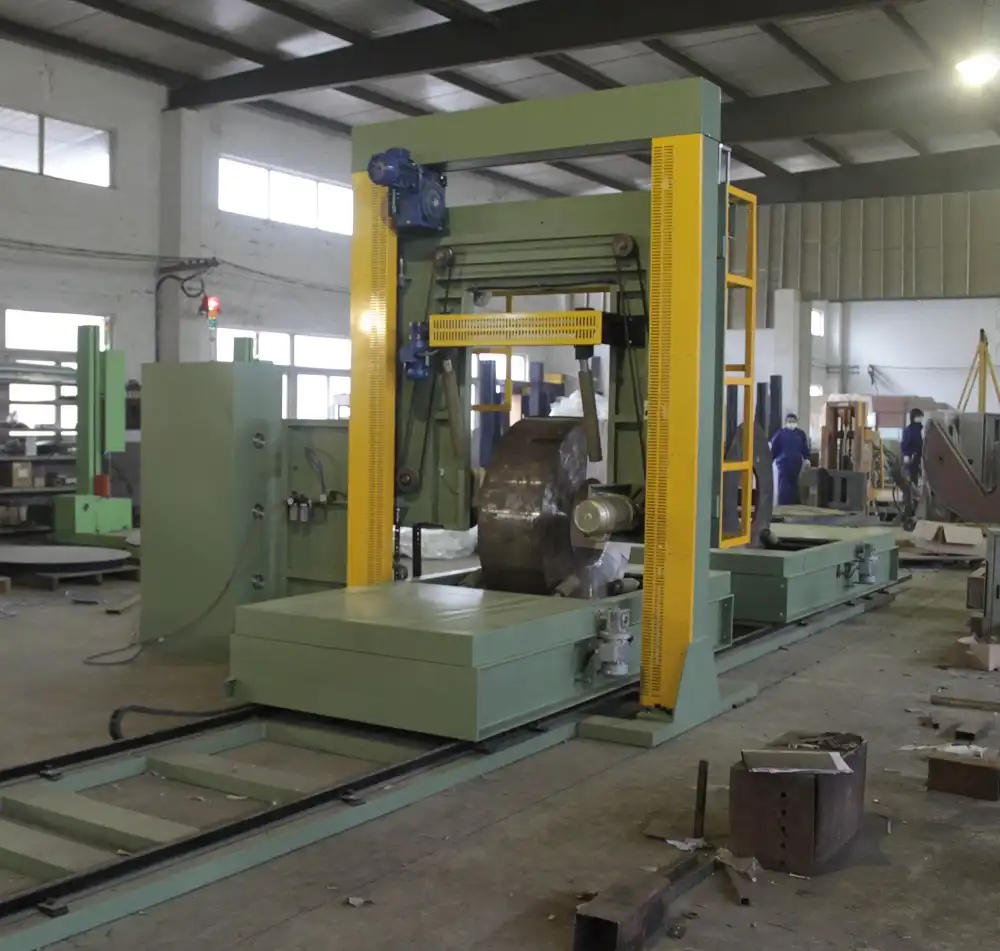
The Case for Automatic Strapping Machines: Boosting Productivity and Cutting Costs
Are you still relying heavily on manual strapping for critical tasks? While effective for low-volume or highly variable loads, human-powered strapping is a major bottleneck in high-throughput environments, draining valuable labor resources and introducing variability that impacts packaging quality and speed.
Automated strapping machines dramatically increase productivity and reduce costs by automating the tensioning, sealing, and cutting processes, requiring minimal human intervention. They operate at high speeds, handle consistent package sizes efficiently, minimize material waste through precise strap application, and significantly reduce labor hours dedicated to the strapping process, leading to a rapid return on investment in packaging and logistics operations.
Transitioning from manual methods to automated systems fundamentally changes your packaging workflow, shifting labor from repetitive physical tasks to oversight and quality control. This not only speeds things up but also creates a safer work environment and ensures consistent strap application every time.

Why Automation Drives Superior Strapping Performance
Automatic strapping machines offer inherent advantages over manual or semi-automatic methods, particularly when dealing with high volumes or specific load types like coils, bundles, or pallets requiring consistent steel banding. The core benefit lies in the automation of the most labor-intensive and variable steps: tensioning, sealing, and cutting. Unlike manual tools where tension and seal quality can vary from operator to operator, automatic machines apply precise, repeatable tension and create strong, reliable seals every cycle. This consistency is critical for ensuring loads remain secure during transit and storage, minimizing shifts, damage, and potential product loss. Furthermore, the speed at which automated systems can process items far exceeds human capabilities, allowing facilities to handle significantly higher throughput without increasing headcount.
Comparing Manual vs. Automatic Strapping
To illustrate the performance difference, consider a hypothetical scenario comparing manual steel strapping with an automatic steel strapping machine for unitizing steel coils.
| Metric | Manual Steel Strapping | Automatic Steel Strapping Machine | Performance Gain (Automatic vs. Manual) |
|---|---|---|---|
| Cycle Time (per strap) | 45-60 seconds (tension, seal, cut) | 5-10 seconds (tension, seal, cut) | 80-90% faster |
| Labor Required | 1 Operator (highly physical) | 1 Operator (monitoring/loading) | Significant reduction in physical input |
| Tension Consistency | Highly variable (operator dependent) | Highly consistent (machine programmed) | Near perfect consistency |
| Seal Strength | Variable (tool/operator dependent) | Highly consistent (machine calibrated) | More reliable |
| Strap Material Usage | Potential waste from manual cutting | Minimal waste (precise cutting) | Optimized material use |
| Ergonomics/Safety | High risk of strain/back pain, cuts | Reduced physical strain, integrated guards | Significantly improved safety profile |
| Throughput Capacity | Limited by operator speed and fatigue | High volume, consistent speed | Order of magnitude higher |
This comparison clearly demonstrates how automating the strapping process, whether using PET or steel banding for secure packaging, translates directly into higher productivity, lower labor costs, and enhanced packaging quality. The initial investment in automation is rapidly offset by these operational efficiencies, making it a compelling upgrade for manufacturers and logistics centers aiming for peak performance.
Selecting the Ideal Automated Strapping Solution for Your Needs
Navigating the market for automatic strapping machines requires careful consideration of your specific operational demands. Not all machines are created equal, and the “right” choice depends heavily on factors like the volume of items needing strapping, the size and weight of your packages or loads, the type of strap material required (e.g., PET vs. steel), and the integration needs of your existing packaging line.
Choosing the optimal automatic strapping machine involves assessing your specific load dimensions, weight, volume, and desired strap material (like heavy-duty strap), then matching these requirements to the machine’s arch size, tension capabilities, speed, and level of automation (semi-automatic to fully integrated systems) to ensure it fits seamlessly into your workflow.
Making an informed decision is crucial for maximizing efficiency gains and ensuring the machine provides a long-term, reliable solution. Understanding the different types and their capabilities is the first step.
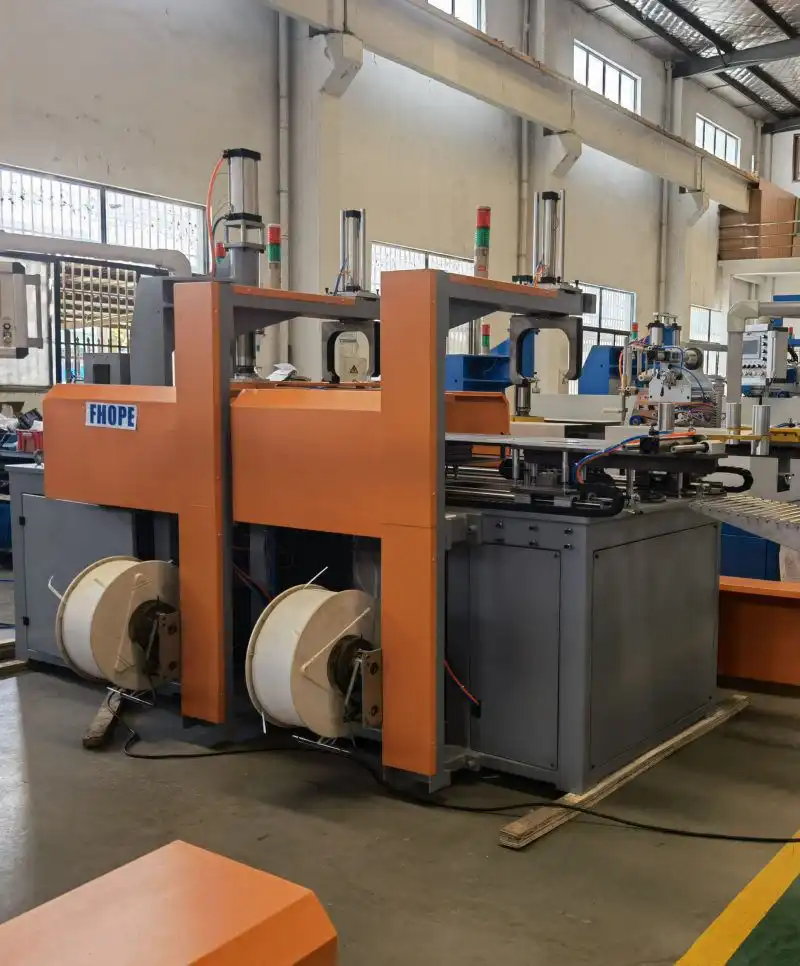
Selecting the appropriate automated strapping machine is a strategic decision that impacts efficiency, safety, and cost-effectiveness. The market offers a spectrum of options, ranging from standalone semi-automatic units to fully integrated inline systems capable of handling thousands of cycles per day. For securing large or heavy items like metal coils or bundled timber, machines designed for heavy-duty strap applications, specifically using steel banding, are often necessary due to the material’s superior break strength and tension retention. Conversely, for lighter or less rigid items like corrugated boxes on a pallet, a high-speed PET strapping machine with a large arch size might be the most efficient choice.
Key considerations include the machine’s arch dimensions, which dictate the maximum package size it can accommodate. The required tension is also critical; heavy industrial loads demand machines capable of applying significant tension to ensure stability. Speed and cycle time are paramount for high-volume operations – a machine’s ability to quickly tension, seal, and cut the strap directly impacts throughput. The level of automation needed will determine if a semi-automatic machine (where an operator positions the package and initiates the cycle) is sufficient, or if a fully automatic system (integrated into a conveyor line with automatic package detection and strapping) is required to eliminate manual handling entirely. Investing time in analyzing these factors and consulting with reputable suppliers ensures you select a machine that is not only efficient but also appropriately scaled for your present and future operational needs, providing reliable secure packaging for all your products.
Ensuring Safety and Longevity: Operating and Maintaining Your Automated Strapping Machine
While automated machines are designed for efficiency and reduced physical strain, they still require proper handling and care to ensure both operator safety and machine longevity. Neglecting safety training or routine maintenance can lead to accidents, downtime, and premature wear, negating the benefits of automation.
Worried automation means new risks? Optimizing safety with automatic strapping machines requires comprehensive operator training on proper usage and emergency procedures, providing necessary personal protective equipment (PPE), correctly assessing load dimensions and weight for machine compatibility, regularly reviewing and testing safety mechanisms, and implementing a strict preventative maintenance schedule to keep the machine in peak condition.
Proactive safety measures and consistent maintenance are not just compliance requirements; they are essential components of an optimized strapping operation, protecting your valuable workforce and your equipment investment.
Best Practices for Safe Operation and Preventative Maintenance
Operating automated strapping machines safely and maintaining them effectively are two sides of the same coin, both crucial for optimizing efficiency and extending the machine’s lifespan. Training is foundational; operators must not only know how to run the machine but also understand its safety features and emergency protocols. This includes knowing the location and function of emergency stops, how to safely clear a jam (typically after shutting down the machine), and recognizing abnormal operating sounds or movements that indicate a potential issue. Complementing training with appropriate Personal Protective Equipment (PPE), such as safety glasses and sturdy gloves, provides an additional layer of protection against potential hazards like strap snapping under tension or sharp edges, especially when handling heavy-duty strap materials.
Proper load assessment is another critical safety measure often overlooked. While automated machines handle the strapping, operators are still responsible for ensuring the load itself is suitable. Attempting to strap a load that exceeds the machine’s dimensions or weight capacity puts undue stress on the equipment and creates significant safety risks during loading, strapping, and unloading. Establishing clear procedures for checking load specifications against machine capabilities prevents potential accidents and machine damage.
Regular preventative maintenance is key to reliable and safe operation. A dirty or poorly maintained machine is prone to malfunctions, which increases the likelihood of an operator needing to interact with the machine while it’s potentially hazardous.
Automated Strapping Machine Maintenance Checklist (Daily/Weekly)
| Task | Frequency | Details | Why It’s Important |
|---|---|---|---|
| Machine Cleaning | Daily | Remove dust, strap fragments, and debris from tensioning and sealing heads. | Prevents jams and ensures smooth operation. |
| Strap Path Inspection | Daily | Check for obstructions or wear points in the strap feed path. | Ensures reliable strap feeding. |
| Cutter Blade Check | Weekly | Inspect cutter for sharpness and damage. | Clean cuts prevent strap issues. |
| Sealing Head Check | Weekly | Verify proper heating or friction welding function. | Ensures strong, consistent seals. |
| Emergency Stop Test | Weekly | Briefly test emergency stop button functionality. | Confirms safety mechanism is active. |
| General Visual Inspection | Daily | Look for loose bolts, damaged guards, or abnormal wear. | Identify potential issues early. |
| Strap Quality Check | Periodically | Inspect strapped loads for correct tension and seal integrity. | Indicates machine performance issues. |
Implementing a structured maintenance program, including daily checks by operators and scheduled professional servicing, ensures that wear and tear are addressed promptly, mechanical and electrical components function correctly, and safety features remain operational. This proactive approach minimizes unexpected breakdowns, extends the machine’s service life, and crucially, maintains a safe working environment.
Seamless Integration: Achieving Peak Efficiency with Automated Strapping Systems
Integrating automated strapping machines into your overall packaging line is where their true potential for maximizing efficiency is unlocked. A standalone machine offers improvements, but connecting it with conveyors, labeling systems, and potentially upstream or downstream processes eliminates manual handling steps, creating a continuous flow that dramatically boosts throughput.
Integrating automatic strapping machines optimizes strapping efficiency by creating a continuous, automated flow of products, eliminating manual handling bottlenecks and allowing for consistent, high-speed application of straps directly within the production or packaging line. This leads to significantly increased throughput, reduced labor dependency, and greater overall operational speed and reliability.
Moving products from one manual station to the next introduces delays and requires labor. Automated integration bridges these gaps, creating a streamlined process from the moment a product is ready to be strapped until it moves to warehousing or shipping, especially effective for high-volume items like those requiring coil strapping.
Achieving peak efficiency with automated strapping systems goes beyond simply placing a machine on the factory floor; it involves strategically integrating it into the existing workflow. For operations handling high volumes of consistently sized products, an inline fully automatic strapping machine is the ideal solution. These machines are designed to interface directly with conveyor systems, receiving products, automatically detecting their presence and position, applying the strap(s) with programmed tension, sealing, and cutting, and then releasing the product to the next station – all without human intervention. This continuous process flow eliminates the bottlenecks associated with manual loading and unloading, dramatically increasing overall line speed and throughput.
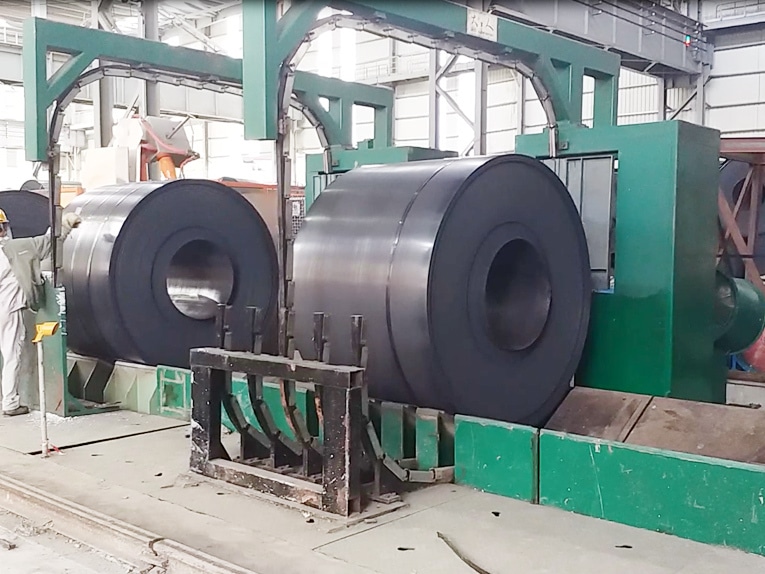
For bulky or heavy items like steel coils, automated strapping lines can be integrated with coil handling equipment, ensuring that the challenging task of securing heavy, cylindrical loads is done efficiently and safely. These systems often incorporate specialized strap applicators (like those for steel banding) and robust frames designed to handle the forces involved.
Data monitoring and analysis are also key components of an optimized integrated system. Modern automated machines can collect data on cycle counts, error rates, tension settings, and even material usage. Analyzing this data provides valuable insights into performance trends, identifies potential bottlenecks or maintenance needs before they cause downtime, and allows for continuous process refinement. By leveraging integration and data, businesses can move towards a truly optimized, high-efficiency packaging operation that maximizes the benefits of automation.
Conclusion
Optimizing strapping efficiency is paramount in today’s competitive logistics landscape. Automated strapping machines offer a powerful solution, delivering significant gains in productivity, cost reduction, safety, and packaging quality. By choosing the right machine, prioritizing operator training and safety, implementing robust maintenance practices, and seamlessly integrating the equipment into your production flow, businesses can unlock the full potential of automation. Investing in high-efficiency strapping technology is a strategic step towards achieving operational excellence and ensuring consistently secure packaging for your products. Explore advanced solutions for your needs, such as a coil packing line, to streamline your operations further.








