
How to Prevent Coil Damage During Loading and Unloading
Are you tired of dealing with damaged steel coils during loading and unloading? Imagine the frustration of discovering dents, scratches, or deformations on your valuable materials, leading to costly repairs and project delays. The good news is, preventing coil damage is achievable with the right knowledge and practices.
Preventing coil damage during loading and unloading involves several key strategies: using proper handling techniques, selecting the right equipment, ensuring securement during transit, and implementing rigorous safety protocols. By focusing on careful planning, training, and the right tools, businesses can significantly minimize the risk of damage and ensure the integrity of steel coils.
This article delves into the essential techniques and best practices to safeguard your steel coils, ensuring they arrive in perfect condition, ready for their intended use. Keep reading to learn how to protect your investment and streamline your operations.
Understanding the Risks of Coil Damage During Handling
Steel coil damage during loading and unloading is more than just a minor inconvenience; it’s a significant issue that can lead to substantial financial losses and operational disruptions. Damaged coils can result in material waste, production delays, and compromised product quality, ultimately impacting profitability and customer satisfaction.
The risks of coil damage during handling are multifaceted, stemming from improper techniques, inadequate equipment, and insufficient safety measures. These risks manifest in various forms of damage, including physical deformations like dents and bends, surface imperfections such as scratches and abrasions, and internal damage that compromises the coil’s structural integrity. The consequences extend beyond the immediate cost of repair or replacement, encompassing potential production downtime, increased material waste, and the erosion of customer trust due to compromised product quality and delivery delays. Understanding these risks is the first step towards implementing effective prevention strategies and ensuring the safe and efficient handling of steel coils.
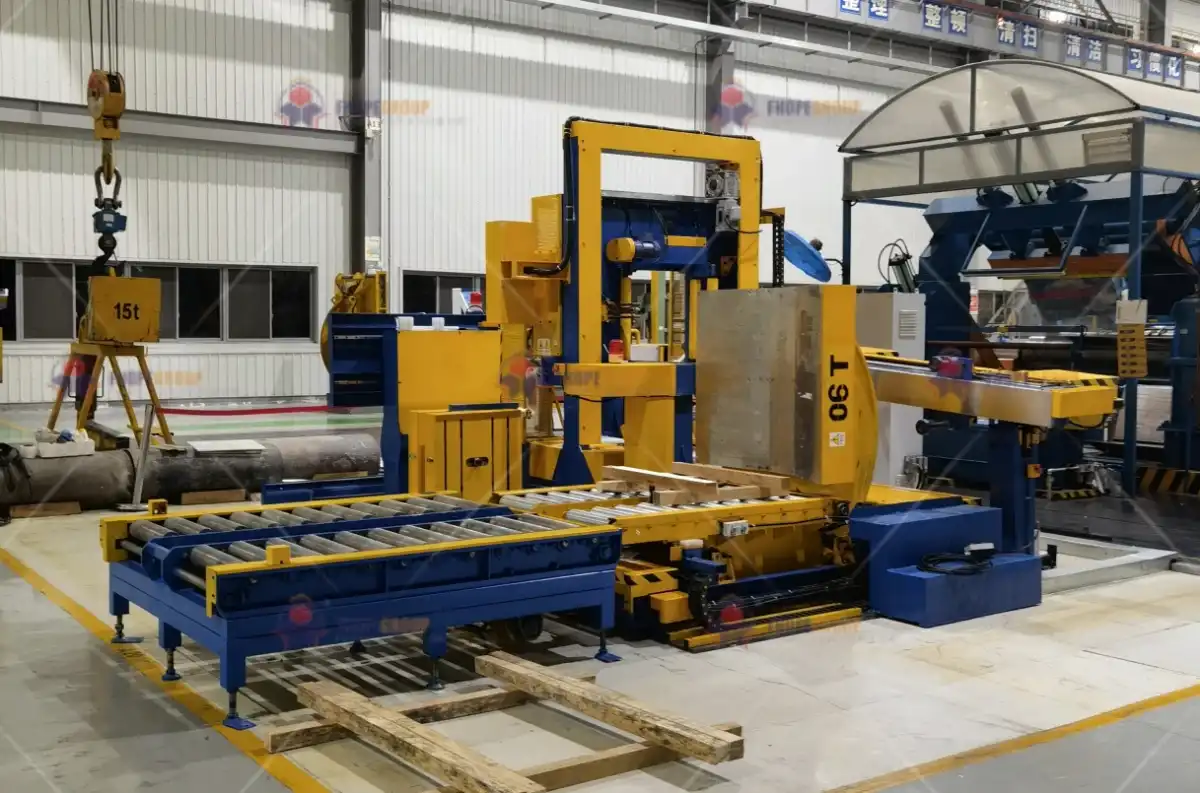
To truly mitigate these risks, it’s crucial to understand the common causes of damage and the types of damage that can occur. Let’s break down these factors for a clearer picture.
Common Causes and Types of Coil Damage: A Detailed Breakdown
Several factors contribute to steel coil damage during loading and unloading. These can be broadly categorized into handling errors, equipment issues, and inadequate protection. Understanding each category provides insights into targeted prevention strategies.
| Category | Cause | Type of Damage | Impact |
|---|---|---|---|
| Handling Errors | Improper lifting techniques | Dents, edge damage, coil telescoping | Reduced material yield, rework, potential safety hazards |
| Rough handling during placement | Scratches, abrasions, surface contamination | Cosmetic defects, reduced corrosion resistance, customer dissatisfaction | |
| Incorrect securement methods | Coil shifting, deformation, complete coil fall-off | Major damage, safety risks, delays, potential equipment damage | |
| Equipment Issues | Using damaged or unsuitable equipment | Dents, scratches, uneven lifting, coil drops | Equipment failure, safety hazards, inconsistent handling quality |
| Lack of proper attachments (e.g., coil racks) | Coil slippage, instability, rolling | Increased risk of damage during lifting and transport | |
| Insufficient equipment capacity | Overstrain on equipment, uncontrolled movements | Equipment breakdown, safety risks, potential coil damage | |
| Inadequate Protection | Lack of edge protection | Edge damage, strap marks, deformation | Reduced coil value, potential rejection, rework |
| Insufficient surface protection | Scratches, corrosion, contamination | Cosmetic defects, reduced material lifespan, customer complaints | |
| Exposure to harsh environmental conditions | Rust, water damage, surface degradation | Quality issues, material degradation, potential usability problems |
As shown in the table, handling errors are a significant source of damage. Improper lifting, such as using forks directly against the coil without protection, can cause dents and edge damage. Rough handling, like dropping coils onto the trailer bed, inevitably leads to scratches and abrasions. Incorrect securement, such as using insufficient straps or improper placement, can result in coils shifting during transit, leading to severe deformation or even coils falling off the transport vehicle.
Equipment issues also play a crucial role. Using damaged lifting equipment or forklifts without proper coil attachments can cause uneven lifting pressure and result in dents or dropped coils. Similarly, using equipment that is not rated for the coil’s weight can lead to equipment failure and dangerous situations.
Finally, inadequate protection leaves coils vulnerable to damage. Lack of edge protectors can cause straps to dig into the coil edges, leading to deformation and strap marks. Insufficient surface protection during storage or transit can result in scratches and corrosion, especially if coils are exposed to moisture or harsh weather.
By understanding these causes and the types of damage they inflict, businesses can implement targeted strategies to minimize risk at each stage of the loading and unloading process.
Best Practices for Safe Steel Coil Loading
Implementing best practices for steel coil loading is paramount to preventing damage and ensuring operational efficiency. Safe loading not only protects the coils but also safeguards personnel and equipment, contributing to a smoother and more cost-effective transportation process.
Best practices for safe steel coil loading encompass careful planning, proper equipment utilization, and adherence to established safety protocols. These practices include pre-loading inspections of coils and equipment, selecting appropriate loading methods (eye-to-sky or eye-to-wall) based on coil type and transport requirements, using specialized lifting equipment such as coil racks and magnets, and meticulously securing coils with straps and edge protectors. Furthermore, even weight distribution on trailers, trained personnel, and clear communication during the loading process are crucial components of best practices, minimizing the risk of shifting, damage, and accidents, ultimately ensuring the safe and efficient handling of steel coils.

Let’s explore key best practices in detail to provide a comprehensive guide for safe steel coil loading.
Detailed Guide to Best Loading Procedures
To ensure the safe loading of steel coils, a detailed and systematic approach is necessary. This involves several key steps, from pre-loading checks to final securement, each contributing to minimizing the risk of damage and ensuring a stable load.
-
Pre-Loading Inspection:
- Coil Condition: Thoroughly inspect each coil for pre-existing damage before loading. Document any dents, rust, or imperfections to avoid disputes later.
- Equipment Check: Inspect all lifting equipment, trailers, straps, chains, and securing devices. Ensure they are in good working order and rated for the weight of the coils.
- Trailer Preparation: Ensure the trailer bed is clean and free of debris. Use dunnage or padding if necessary to protect the coils from direct contact with the trailer surface.
-
Choosing the Right Loading Method:
- Eye-to-Sky Loading: Ideal for round coils and when using overhead cranes. Coils are placed on their side with the eye facing upwards. This method is generally easier for loading and unloading but may be less space-efficient.
- Eye-to-Wall Loading: More space-efficient and often preferred for rectangular coils or maximizing trailer capacity. Coils are placed with the eye facing the trailer wall. Requires careful bracing and securing to prevent shifting.
-
Utilizing Proper Lifting Equipment:
- Coil Racks & Saddles: Use coil racks or saddles to provide a stable base and prevent coils from rolling. These are particularly useful for eye-to-sky loading.
- Lifting Magnets: Electro-permanent lifting magnets offer secure and controlled lifting, reducing the risk of slippage and damage. They are efficient and improve safety.
- Forklifts with Coil Rams: When using forklifts, ensure they are equipped with coil rams or booms designed for handling cylindrical loads. Use padding on forks to prevent scratches.
-
Securement Techniques:
- Strapping and Chains: Use heavy-duty straps or chains to secure coils to the trailer. Follow manufacturer guidelines for the number and placement of tie-downs based on coil weight and dimensions.
- Edge Protection: Always use edge protectors between straps/chains and coil edges to prevent damage from tightening. This distributes pressure and prevents straps from cutting into the coil.
- Weight Distribution: Distribute coil weight evenly across the trailer axles to maintain stability and prevent overloading. Place heavier coils at the bottom if stacking is necessary.
-
Safe Lifting and Placement:
- Controlled Movements: Lift and lower coils slowly and smoothly. Avoid sudden stops or starts that can cause shifting or impact damage.
- Precise Placement: Carefully position coils to maximize space utilization while ensuring stability. Leave adequate space for straps and securement devices.
- Communication: Maintain clear communication between the crane/forklift operator and ground personnel using hand signals or radios to ensure coordinated and safe movements.
-
Final Inspection:
- Load Stability Check: After loading and securement, thoroughly inspect the entire load. Ensure coils are stable, straps are tight, and edge protectors are correctly positioned.
- Documentation: Complete a loading checklist to verify all steps have been followed and document the condition of the load before departure.
By consistently adhering to these detailed best practices, companies can significantly reduce the risk of steel coil damage during loading, ensuring safer operations and maintaining product integrity.
Equipment and Technology for Preventing Coil Damage
Leveraging the right equipment and technology is critical in preventing coil damage and enhancing the efficiency of loading and unloading operations. Modern solutions are designed to minimize manual handling, provide secure lifting and support, and offer real-time monitoring for safer transportation.
Equipment and technology play a vital role in preventing coil damage by providing enhanced control, stability, and protection throughout the handling process. Specialized lifting equipment like electro-permanent magnets and vacuum lifters offer secure and damage-free lifting. Coil protection products, including coil racks, pads, and edge protectors, physically safeguard coils from impact and abrasion. Automation, through automated guided vehicles (AGVs) and robotic loading systems, minimizes human error and ensures consistent, gentle handling. Furthermore, sensor-based monitoring systems provide real-time data on load stability and environmental conditions, allowing for proactive adjustments and damage prevention, ultimately contributing to safer and more efficient coil handling operations.
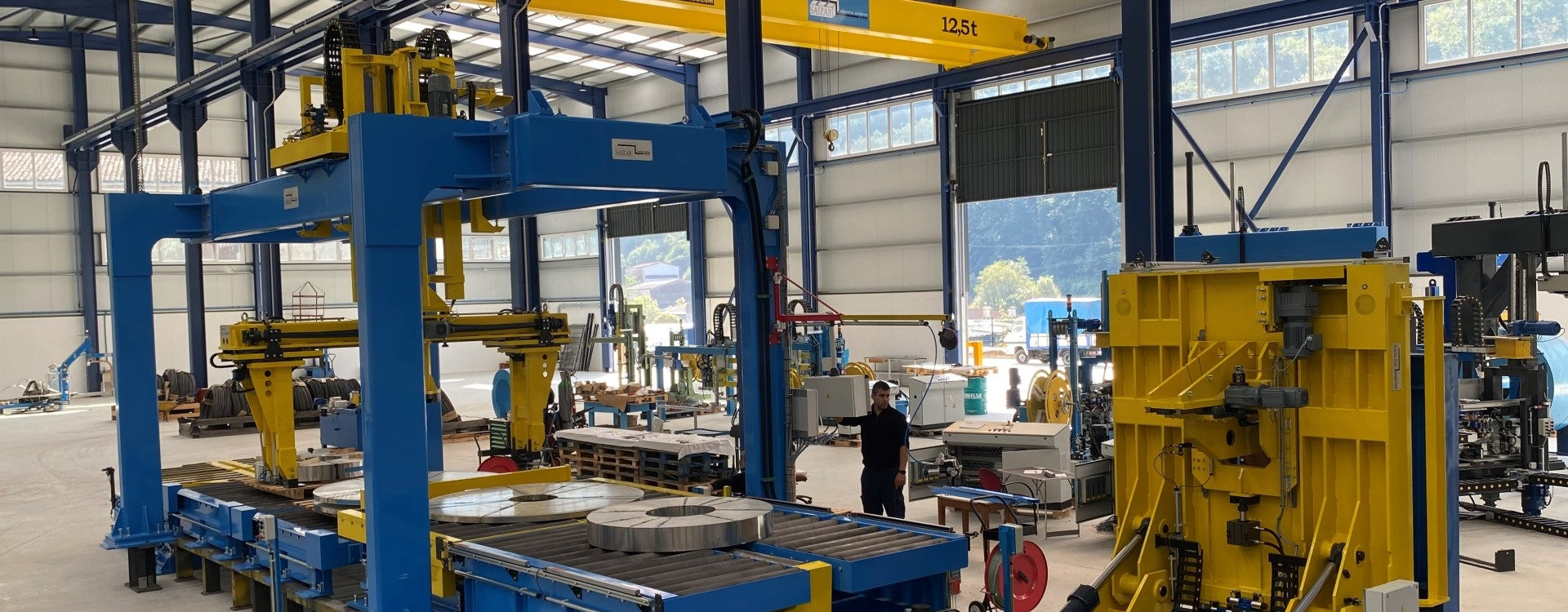
To understand the impact of equipment and technology, let’s analyze specific solutions and their benefits in detail.
Technological Solutions and Equipment Analysis for Damage Mitigation
The market offers a range of specialized equipment and technological solutions designed to minimize coil damage during loading and unloading. These innovations improve safety, efficiency, and product protection.
| Equipment/Technology | Description | Advantages | Disadvantages | Damage Prevention Mechanism |
|---|---|---|---|---|
| Electro-Permanent Magnets | Lifting magnets using a combination of electric and permanent magnet technology. | Secure grip even during power loss, precise control, fast operation, energy efficient | Higher initial cost, requires trained operators | Provides a strong, reliable, and non-marring lifting force, minimizing slippage. |
| Vacuum Lifters | Lifters that use vacuum suction to lift and move coils. | Excellent for smooth surfaces, non-damaging grip, versatile applications | Requires clean surfaces, may not be suitable for all coil types, capacity limits | Gentle lifting and handling, eliminates pressure points and scratching. |
| Coil Racks & Saddles | Specialized racks designed to support coils in eye-to-sky or eye-to-wall positions. | Stable coil support, prevents rolling, facilitates easy loading and unloading | Requires specific rack sizes for different coil dimensions, storage space needed | Provides a secure and stable base, preventing coil movement and deformation. |
| Automated Guided Vehicles (AGVs) | Driverless vehicles for transporting coils within facilities. | Reduced manual handling, consistent movements, improved safety, 24/7 operation | High initial investment, requires infrastructure changes, maintenance | Minimizes human error in handling, ensures smooth and controlled transport. |
| Robotic Loading Systems | Automated robotic arms for loading and unloading coils onto trailers/containers. | Precise and repeatable movements, increased speed, reduced labor costs, enhanced safety | Complex setup, high initial cost, requires programming and maintenance | Eliminates human variability, ensures consistent and gentle coil placement. |
| Sensor Monitoring Systems | Sensors that track load stability, vibration, and environmental conditions. | Real-time data, proactive alerts, improved traceability, enhanced safety | Integration complexity, data analysis requirements, initial setup cost | Enables timely intervention to prevent damage caused by shifting or adverse conditions. |
| Coil Protection Products (Edge Protectors, Pads) | Physical protectors made of plastic, rubber, or foam. | Cost-effective, easy to use, provides a physical barrier against damage | Wear and tear, needs replacement, manual application | Absorbs impact, prevents scratches, and distributes pressure, safeguarding coil surfaces and edges. |
As seen in the table, electro-permanent magnets offer superior grip and safety, while vacuum lifters are ideal for delicate surfaces. Coil racks and saddles provide essential support during storage and transport. Automation, particularly with AGVs and robotic systems, drastically reduces manual handling and human error, leading to more consistent and damage-free operations. Sensor monitoring adds a layer of proactive damage prevention by providing real-time insights into load conditions. Finally, coil protection products are a cost-effective and simple way to physically shield coils from common types of damage.
By strategically implementing these equipment and technological solutions, businesses can significantly minimize coil damage, improve operational efficiency, and ensure the delivery of high-quality steel coils to their customers.
Safety Measures During Steel Coil Unloading
Safety during steel coil unloading is as critical as during loading. The potential for accidents and injuries is significant due to the weight and size of the coils. Implementing stringent safety measures is not only ethically responsible but also essential for preventing costly incidents and ensuring a safe working environment.
Safety measures during steel coil unloading are paramount to protect personnel and prevent damage to equipment and materials. Key measures include establishing exclusion zones around unloading areas, using certified and regularly inspected lifting equipment, ensuring personnel wear appropriate PPE (Personal Protective Equipment) such as hard hats and safety shoes, and implementing clear communication protocols. Proper training for all personnel involved in unloading operations, adherence to safe lifting procedures, and maintaining a clean and organized unloading area are also crucial. By prioritizing safety at every step of the unloading process, businesses can significantly reduce the risk of accidents, injuries, and coil damage, fostering a safer and more productive work environment.
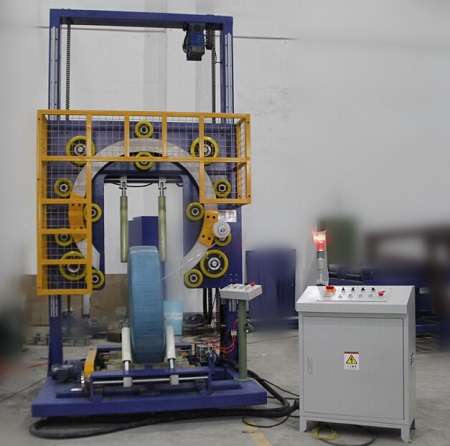
Let’s delve into the essential safety measures that must be implemented during steel coil unloading to create a secure and efficient operation.
Essential Safety Protocols for Unloading Operations
To ensure the safety of personnel and prevent damage during steel coil unloading, a comprehensive set of safety protocols must be strictly followed. These protocols cover planning, equipment use, personnel protection, and emergency preparedness.
-
Pre-Unloading Planning and Risk Assessment:
- Job Hazard Analysis (JHA): Conduct a JHA before each unloading operation to identify potential hazards and develop safe work procedures.
- Site Inspection: Inspect the unloading area for obstructions, uneven surfaces, and overhead hazards. Ensure adequate lighting and clear pathways.
- Weather Considerations: Assess weather conditions, especially wind and rain, which can impact stability and handling. Postpone unloading if conditions are unsafe.
-
Equipment Safety and Inspection:
- Certified Equipment: Use only certified lifting equipment (cranes, forklifts, magnets) that is rated for the weight of the coils being unloaded.
- Pre-Use Inspection: Conduct daily pre-use inspections of all lifting equipment, straps, chains, and attachments. Check for wear, damage, and proper functionality.
- Maintenance Records: Maintain records of regular equipment maintenance and inspections to ensure ongoing safety and compliance.
-
Personnel Protective Equipment (PPE):
- Mandatory PPE: Enforce the use of mandatory PPE for all personnel in the unloading area, including hard hats, safety glasses, steel-toed boots, and high-visibility vests.
- Gloves and Protective Clothing: Provide gloves for hand protection and appropriate clothing to protect against cuts and abrasions from steel coils and straps.
-
Safe Unloading Procedures:
- Exclusion Zones: Establish and clearly mark exclusion zones around the unloading area to keep unauthorized personnel away from lifting operations.
- Controlled Lowering: Lower coils slowly and smoothly, avoiding sudden drops or impacts. Use guide ropes if necessary to control coil movement.
- Stable Placement: Place coils on designated storage areas or racks, ensuring they are stable and cannot roll or tip over. Use chocks or blocks if needed.
-
Communication and Coordination:
- Clear Communication: Establish clear communication protocols between crane/forklift operators, slingers/riggers, and ground personnel. Use hand signals, radios, or designated signal persons.
- Trained Personnel: Ensure all personnel involved in unloading operations are properly trained in safe lifting procedures, equipment operation, and emergency response.
- Supervision: Assign a competent supervisor to oversee unloading operations and ensure adherence to safety protocols.
-
Emergency Preparedness:
- Emergency Stop Procedures: Ensure all operators are familiar with emergency stop procedures for lifting equipment.
- First Aid and Emergency Response: Have first aid kits readily available and ensure personnel are trained in basic first aid and emergency response procedures.
- Emergency Contact Information: Post emergency contact information clearly in the unloading area.
By rigorously implementing these safety measures, companies can significantly minimize the risks associated with steel coil unloading, protecting their workforce, preventing equipment damage, and ensuring the safe handling of valuable steel coil inventory.
Conclusion
Preventing coil damage during loading and unloading is not just about avoiding financial losses; it’s about ensuring operational efficiency, maintaining product quality, and prioritizing safety. By understanding the risks, implementing best practices, leveraging technology, and adhering to stringent safety protocols, businesses can significantly minimize coil damage and optimize their steel coil handling processes. Embracing automation in coil handling can further enhance efficiency and safety, paving the way for streamlined and damage-free operations in the steel industry.
Explore our coil packing line solutions to further enhance your steel coil handling and protection processes.








