
How to Optimize Coil Handling for Different Coil Sizes and Weights
Are bulky steel coils causing bottlenecks in your operations? Imagine a workspace where handling coils of any size and weight is not a hassle but a streamlined process, enhancing both safety and efficiency. Optimizing your coil handling isn’t just about moving heavy objects; it’s about transforming your workflow.
Optimizing coil handling for different coil sizes and weights involves implementing strategies that consider safety, efficiency, and space utilization. This includes using appropriate equipment like cranes, forklifts, and coil lifters, ensuring proper storage methods such as vertical and horizontal stacking, and providing comprehensive training to personnel on safe handling practices.
This article delves into the essential techniques and equipment you need to master coil handling, regardless of size or weight. Continue reading to discover how to revolutionize your material handling processes and achieve peak operational performance.
Mastering Coil Handling Safety for Varied Sizes and Weights
Handling steel coils, especially those of varying sizes and weights, presents significant safety challenges. The potential for accidents and injuries is high if proper procedures and equipment are not in place. But what if you could minimize these risks and create a workplace where safety is seamlessly integrated with efficiency?
Ensuring safety when handling different coil sizes and weights is paramount and can be achieved through comprehensive measures. These include mandatory use of Personal Protective Equipment (PPE) such as gloves and steel-toed boots, rigorous training programs on safe lifting and handling techniques, regular equipment inspections, and the implementation of clear safety protocols and signage throughout the coil handling areas.
Let’s explore the critical safety measures that will not only protect your team but also contribute to a more productive and organized coil handling operation.
Detailed Safety Protocols for Diverse Coil Handling
To effectively manage the safety challenges posed by diverse coil sizes and weights, a multi-faceted approach is crucial. This involves not only providing the right protective gear but also implementing stringent protocols and continuous training.
PPE and Safe Lifting Techniques: Your First Line of Defense
Personal Protective Equipment (PPE) is the cornerstone of workplace safety. For coil handling, this includes:
- Gloves: Heavy-duty, cut-resistant gloves are essential to protect hands from sharp edges and potential pinch points.
- Safety Glasses: Impact-resistant safety glasses or goggles shield eyes from flying debris and dust particles generated during handling.
- Steel-Toed Boots: Reinforced steel-toed boots protect feet from crushing injuries due to dropped coils or equipment.
- Protective Clothing: Durable, protective clothing such as long sleeves and trousers minimizes skin exposure to sharp edges and potential abrasions.
- Hearing Protection: In environments with heavy machinery, noise control measures and hearing protection are vital to prevent long-term hearing damage.
Beyond PPE, proper training in safe lifting techniques is equally critical. This training should cover:
- Manual Lifting Techniques: Even with mechanical aids, workers may need to manually adjust or guide coils. Training on ergonomic lifting practices, such as keeping the back straight and lifting with the legs, is essential to prevent strain and injury.
- Mechanical Aid Operation: Comprehensive training on the safe operation of equipment like gantry cranes, forklifts, coil lifters, and other specialized tools is mandatory. This includes understanding load capacities, equipment limitations, and emergency procedures.
- Emergency Response: Workers should be trained on emergency shutdown procedures and first aid protocols in case of accidents.
| Safety Element | Description | Importance | Implementation |
|---|---|---|---|
| Cut-Resistant Gloves | Protect hands from sharp coil edges and handling hazards. | Prevents lacerations and abrasions, reducing hand injuries. | Provide high-quality, durable gloves and enforce mandatory use in coil handling areas. |
| Steel-Toed Boots | Protect feet from heavy coil drops and equipment impact. | Prevents foot fractures and crush injuries. | Mandate steel-toed boots for all personnel in operational zones. |
| Ergonomic Training | Instruction on safe manual lifting and handling practices. | Reduces back injuries and musculoskeletal disorders, improving worker well-being and productivity. | Conduct regular training sessions, emphasizing proper posture and lifting techniques, and provide ongoing refreshers. |
| Equipment Training | Comprehensive operation training for cranes, forklifts, lifters. | Ensures safe and efficient equipment use, minimizing accidents and equipment damage. | Implement certification programs for equipment operators, with practical and theoretical components, and regular recertification requirements. |
| Emergency Drills | Practice scenarios for accidents, equipment malfunction, and fire hazards. | Prepares workers for real emergencies, ensuring quick and effective responses, minimizing potential harm. | Conduct routine drills, including evacuation procedures and first aid response, and regularly review and update emergency protocols. |
By rigorously implementing these detailed safety measures, facilities can significantly mitigate the risks associated with handling diverse coil sizes and weights, fostering a safer and more efficient work environment.
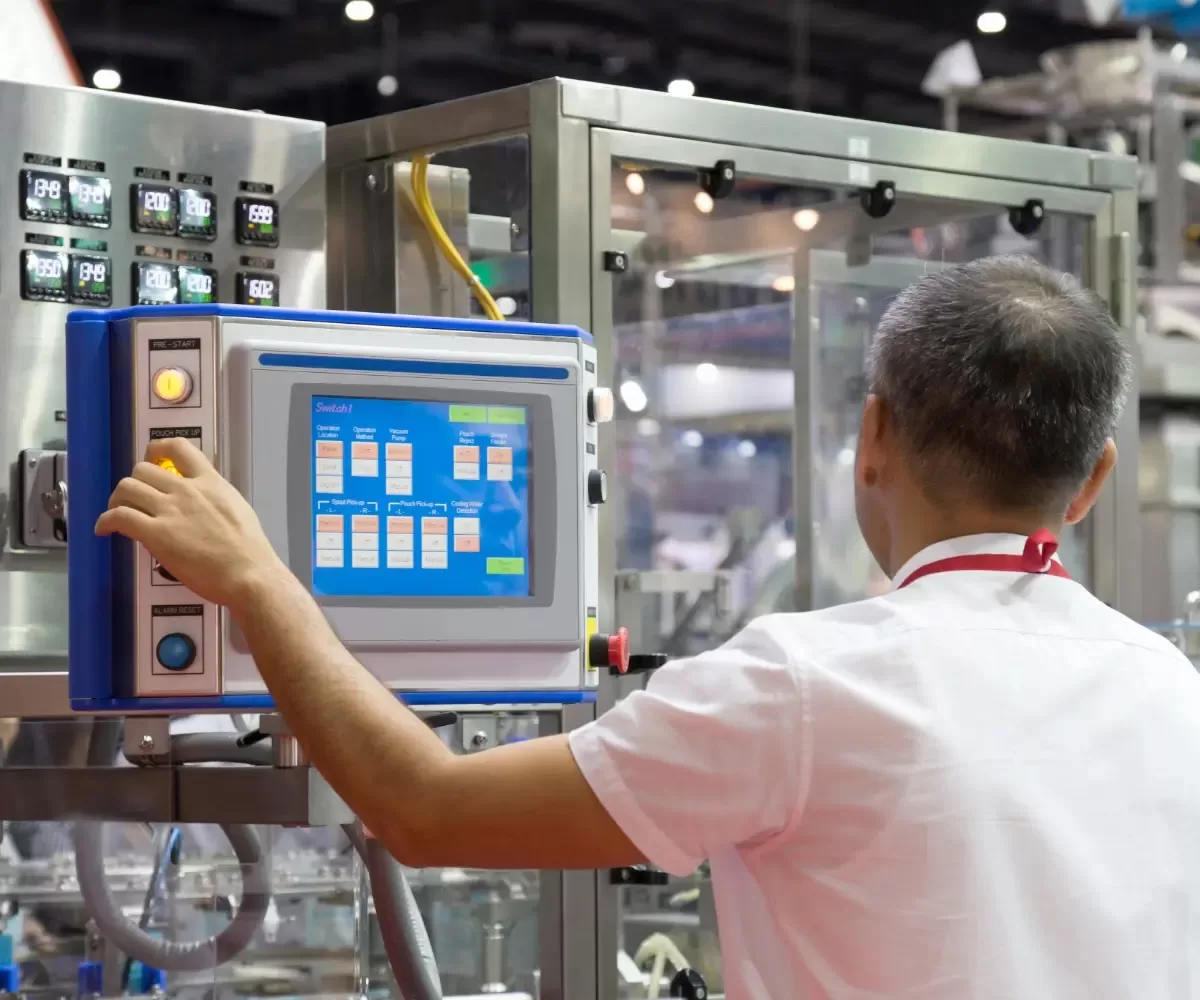
Streamlining Material Handling for Efficiency Across Coil Dimensions
Inefficient material handling can severely impact productivity, especially when dealing with a variety of coil sizes and weights. Imagine reducing downtime, minimizing material damage, and optimizing workflow simply by refining your handling processes. It’s not just about moving coils; it’s about intelligent logistics.
Streamlining material handling for efficiency across different coil sizes and weights involves optimizing workflow design to minimize unnecessary movement, implementing robust inventory management systems to track coil specifications and locations, establishing strong supplier relationships for timely deliveries, and ensuring regular maintenance of handling equipment to prevent breakdowns and maintain operational continuity.
Let’s explore the strategies that will transform your coil handling from a potential bottleneck into a source of operational excellence.
Optimizing Workflow and Inventory for Varied Coil Management
To achieve peak efficiency in handling coils of different sizes and weights, businesses need to focus on workflow optimization and meticulous inventory management.
Efficient Workflow Design: Minimizing Movement, Maximizing Output
An efficient workflow is the backbone of streamlined coil handling. Key strategies include:
- Layout Optimization: Design the facility layout to minimize travel distances between storage, processing, and shipping areas. A well-planned layout reduces handling time and the risk of damage during transport. Consider a flow-through system where coils move logically from receiving to storage to production without unnecessary backtracking.
- Dedicated Zones: Establish dedicated zones for different coil sizes and weights. This can simplify equipment allocation and ensure that the right tools are always available for specific tasks. Zone designations can be based on weight categories (e.g., light, medium, heavy) or coil dimensions.
- Standardized Procedures: Develop standardized procedures for every step of the coil handling process, from receiving and inspection to storage and retrieval. Standard Operating Procedures (SOPs) ensure consistency, reduce errors, and expedite training for new personnel.
- Point-of-Use Storage: Where feasible, store frequently used coils closer to the production line. Point-of-use storage minimizes retrieval and transport time, especially for high-demand materials. This approach requires careful inventory monitoring to prevent stockouts and overstocking.
- Ergonomic Workstations: Design workstations to minimize physical strain on workers. Adjustable height platforms, ergonomic tools, and strategically placed controls can improve comfort and efficiency, reducing fatigue and the likelihood of errors.
Inventory Management: Tracking, Control, and Optimization
Effective inventory management is crucial for preventing delays and optimizing space utilization. Key components include:
- Real-Time Tracking System: Implement a digital inventory management system that tracks coil quantities, locations, and specifications in real-time. RFID tags or barcode systems can automate data collection and improve accuracy. This system should provide instant visibility into inventory levels, coil status, and storage locations.
- Categorization and Labeling: Categorize coils based on size, weight, material type, and order specifications. Use clear and durable labels with barcode or QR codes for easy identification and scanning. Consistent labeling ensures that coils are quickly located and correctly identified throughout the handling process.
- Demand Forecasting: Utilize historical data and production schedules to forecast coil demand. Accurate forecasting helps in optimizing stock levels, reducing overstocking of less frequently used coils, and preventing shortages of critical materials.
- Regular Audits: Conduct regular physical inventory audits to verify the accuracy of the digital inventory system and identify discrepancies. Periodic audits help maintain data integrity and uncover any inefficiencies in inventory management processes.
- Waste Reduction Strategies: Implement strategies to minimize scrap and waste. This can include optimizing cutting patterns, using remnant coils for smaller jobs, and recycling scrap metal. Reducing waste not only saves material costs but also reduces storage and handling requirements for scrap.
| Strategy | Description | Efficiency Benefit | Space Optimization Benefit | Implementation Tools |
|---|---|---|---|---|
| Layout Optimization | Strategic arrangement of storage, processing, and shipping areas. | Reduced transport time, faster material flow, minimized handling. | Reduced congestion, efficient use of floor space, clear pathways. | CAD software, process mapping tools, facility layout planning. |
| Real-Time Tracking | Digital system for monitoring coil inventory and location. | Improved inventory accuracy, reduced search time, minimized stockouts and overstocking. | Optimized storage space utilization, reduced clutter, better space planning. | RFID, barcode scanners, inventory management software, cloud-based databases. |
| Standardized SOPs | Documented procedures for all coil handling processes. | Consistent operations, reduced errors, faster training, improved quality control. | Organized workflow, predictable material movement, efficient use of operational space. | SOP documentation software, process flowcharts, training manuals. |
| Demand Forecasting | Predicting future coil needs based on production schedules. | Optimized stock levels, reduced carrying costs, minimized risk of material shortages. | Reduced storage space for excess inventory, better planning of storage needs. | Forecasting software, historical data analysis tools, ERP systems. |
| Ergonomic Workstations | Work areas designed for worker comfort and efficiency. | Reduced worker fatigue, fewer injuries, increased productivity, improved morale. | Efficient use of workstation space, reduced need for excessive movement, safer operation. | Ergonomic design principles, adjustable workstations, ergonomic tools, worker feedback surveys. |
By integrating these strategies into coil handling operations, businesses can achieve significant improvements in efficiency, reduce operational costs, and optimize space utilization, creating a more competitive and productive environment.
Equipment Innovations for Handling Various Coil Specifications
Handling coils of diverse sizes and weights demands versatile and robust equipment. Using the wrong equipment can lead to inefficiencies, damage, and safety hazards. But imagine having the right tools for every coil, ensuring seamless handling and boosting productivity across your entire range of coil specifications.
Equipment innovations for handling various coil specifications include utilizing adjustable coil lifters and grabs capable of accommodating different coil diameters and widths, employing multi-directional forklifts for enhanced maneuverability in tight spaces, and integrating automated guided vehicles (AGVs) for precise and safe transport of coils through production lines. These technologies minimize manual handling, reduce the risk of coil damage, and improve overall operational efficiency.
Let’s explore the cutting-edge equipment that is revolutionizing coil handling, making it safer, faster, and more adaptable to your specific needs.
Selecting and Utilizing the Right Equipment for Coil Diversity
Choosing the appropriate equipment is paramount for safe and efficient handling of coils with varying specifications. This involves understanding the types of equipment available and how they can be best utilized.
Versatile Lifting and Handling Equipment
The market offers a range of specialized equipment designed to handle coils of different sizes and weights:
-
Adjustable Coil Lifters and Grabs: These tools are designed with adjustable arms or grippers that can accommodate a wide range of coil diameters and widths. Key features include:
- Hydraulic or Mechanical Adjustment: Allows for quick and easy adjustment to different coil sizes.
- Load Sensors: Integrated sensors to prevent overloading and ensure safe lifting within capacity limits.
- Interchangeable Pads: Different pad materials (e.g., rubber, polyurethane) to suit various coil surface finishes and prevent damage.
- Remote Controls: Wireless remote controls for safer and more precise operation, especially in hazardous or hard-to-reach areas.
-
Multi-Directional Forklifts: These forklifts offer enhanced maneuverability, crucial for navigating tight spaces and handling long or wide coils. Advantages include:
- Side-Loading Capability: Allows for picking up and placing coils from the side, ideal for narrow aisles and confined areas.
- 360-Degree Steering: Enables precise positioning and rotation of coils in any direction.
- Variable Reach Options: Telescopic forks or extended reach arms for handling coils at different distances.
- Load Stabilization Systems: Advanced stability control systems to handle heavy and unbalanced coil loads safely.
-
Automated Guided Vehicles (AGVs): AGVs provide automated and precise coil transport, reducing manual handling and improving safety. Key benefits include:
- Pre-programmed Routes: AGVs follow predefined paths, ensuring consistent and efficient material flow.
- Obstacle Detection: Advanced sensors to detect and avoid obstacles, ensuring safe operation in dynamic environments.
- Integration with WMS/MES: Seamless integration with Warehouse Management Systems (WMS) and Manufacturing Execution Systems (MES) for automated task assignment and tracking.
- Customizable Load Platforms: Platforms designed to securely hold coils of various sizes and weights, with options for clamps or cradles.
| Equipment Type | Versatility Feature | Size/Weight Range Adaptability | Maneuverability/Precision | Automation Level | Best Use Cases |
|---|---|---|---|---|---|
| Adjustable Coil Lifters | Adjustable arms, interchangeable pads. | Wide range of diameters and widths, from small to very large coils. | Precise grip and placement, reduced coil damage. | Manual to semi-automated. | General coil lifting and handling, loading/unloading from trucks, feeding processing lines. |
| Multi-Directional Forklifts | Side-loading, 360° steering, variable reach. | Small to medium coils, especially in confined spaces. | Excellent in tight spaces, precise positioning, side loading ability. | Manual operation, some models with automation features. | Narrow aisle storage, handling long coils, maneuvering in congested areas, loading/unloading in tight docks. |
| Automated Guided Vehicles | Pre-programmed routes, obstacle detection, WMS/MES integration. | Medium to large coils, depending on AGV capacity and platform design. | Highly precise, automated transport, consistent routes. | Fully automated. | Repetitive transport tasks, connecting production cells, large facilities with defined pathways, integration with automated systems. |
By strategically selecting and deploying these equipment innovations, facilities can significantly enhance their coil handling capabilities, accommodating a wide range of coil sizes and weights with improved safety, efficiency, and precision.

Space Optimization Strategies for Coil Handling Operations
Limited space in metal processing facilities is a common challenge. Bulky steel coils can quickly overwhelm valuable floor space, hindering workflow and safety. But imagine transforming your cramped facility into an organized, efficient space where coil handling is streamlined and space is maximized.
Space optimization strategies for coil handling operations focus on maximizing vertical storage using high-density racking systems, employing mobile coil pallets for flexible storage and movement, and implementing just-in-time inventory practices to reduce on-site coil storage. Efficient layout design and strategic equipment placement further contribute to making the most of available space, enhancing both productivity and safety within confined areas.
Discover how smart space optimization techniques can revolutionize your coil handling and create a more productive and less congested workspace.

Optimizing space in coil handling is crucial for enhancing efficiency and safety. Vertical storage solutions, such as high-density coil racks, are essential for maximizing space utilization. Implementing mobile coil pallets allows for flexible storage and easy rearrangement of coils. Just-in-time inventory reduces the need for extensive on-site storage, freeing up valuable space. Strategic layout design and equipment placement ensure smooth material flow and minimize congestion.
To further enhance space optimization, consider these detailed strategies:
- Vertical Storage Systems: High-density vertical coil racks are essential for maximizing vertical space. These systems can significantly increase storage capacity compared to floor stacking. Automated vertical storage systems further enhance efficiency and space savings by automating coil retrieval and placement.
- Mobile Coil Pallets: Coil pallets on wheels or casters provide flexibility in storage and movement. They are particularly useful in compact facilities where space is limited and layouts need to be frequently adjusted. Mobile pallets allow for easy rearrangement of coils and can be moved by forklifts or pallet jacks.
- Just-in-Time (JIT) Inventory: Implementing a JIT inventory system reduces the need for large on-site coil storage. By coordinating closely with suppliers for frequent and timely deliveries, facilities can minimize the amount of coil inventory held at any given time, freeing up significant space.
- Strategic Equipment Placement: Careful placement of coil handling equipment can optimize material flow and minimize space requirements. For example, positioning decoilers and straighteners close to storage areas reduces transport distances. Using compact equipment designs and multi-functional machines also saves space.
- Cross-Docking: Where applicable, implementing cross-docking strategies can further reduce storage needs. Cross-docking involves receiving coils and immediately preparing them for shipment or production without placing them into long-term storage. This approach is effective when production schedules are tightly coordinated with incoming coil deliveries.
By implementing these space optimization strategies, facilities can transform cramped and congested coil handling areas into organized, efficient, and safer workspaces, significantly boosting overall operational performance.
Conclusion
Optimizing coil handling for different coil sizes and weights is a multifaceted endeavor that significantly impacts operational efficiency, safety, and profitability. By prioritizing safety through comprehensive PPE programs and rigorous training, streamlining business processes with efficient workflows and inventory management, leveraging innovative equipment, and implementing space-saving strategies, businesses can transform their coil handling operations. Embracing best practices in material handling not only enhances productivity but also ensures a safer and more sustainable working environment, paving the way for long-term business success.
Explore our coil packing line solutions to further optimize your coil handling processes.








