
How to Enhance Security in Steel Wire Handling Operations?
Steel wire handling operations, integral to industries like construction and manufacturing, demand stringent security measures. Protecting workers, preventing equipment damage, and ensuring operational continuity are paramount. Prioritizing safety protocols minimizes risks and optimizes productivity in these critical processes.

Enhancing security in steel wire handling involves implementing comprehensive operational guidelines, conducting thorough risk assessments, using appropriate personal protective equipment (PPE), and providing regular training to personnel. Regular equipment inspections and adherence to safety standards are also crucial.
This article delves into crucial strategies to enhance security in steel wire handling, encompassing risk management, operational guidelines, and technological advancements. Let’s explore the best practices that can significantly minimize risks and improve safety in these demanding operations.
1. Implementing Comprehensive Operational Guidelines
Clear and well-defined operational guidelines are the cornerstone of any secure steel wire handling operation. These guidelines provide a structured framework for employees to follow, minimizing the risk of accidents and ensuring consistency in procedures.
To enhance security through operational guidelines, establish standardized procedures for every stage of the handling process, from receiving and storage to cutting and disposal. Regularly review and update these guidelines to reflect best practices and address emerging hazards, ensuring all personnel are adequately trained.
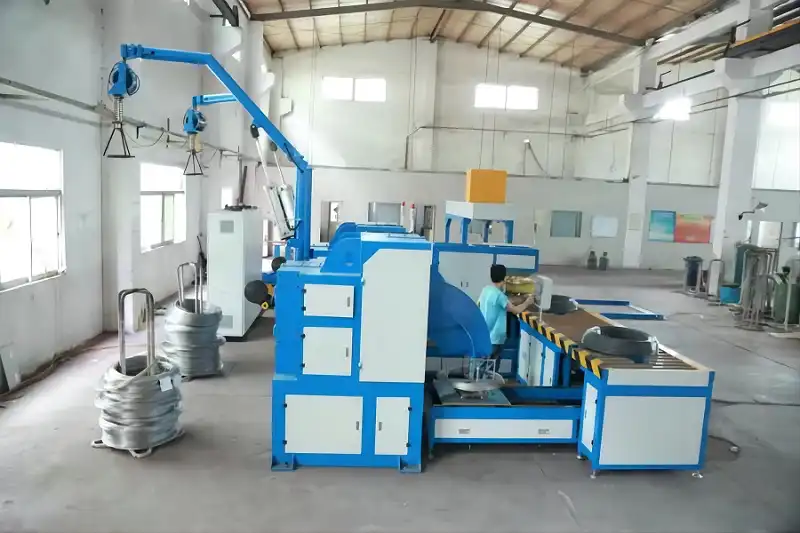
Developing Detailed Standard Operating Procedures (SOPs)
Detailed SOPs are essential for mitigating risks in steel wire handling. By outlining specific steps for each task, SOPs ensure consistency, reduce errors, and provide a reference point for training and performance evaluation.
Key Components of Effective SOPs:
- Task-Specific Instructions: Each SOP should focus on a specific task, such as loading, unloading, cutting, or storing steel wire. The instructions should be clear, concise, and easy to follow, leaving no room for ambiguity.
- Safety Protocols: Safety protocols should be integrated into every step of the SOP. This includes the use of PPE, safe handling techniques, and emergency procedures. For instance, SOPs for cutting steel wire should specify the type of eye protection required, the proper use of cutting tools, and procedures for safely disposing of scrap wire.
- Equipment Requirements: The SOP should list all necessary equipment, including wire ropes, slings, hooks, and lifting devices. It should also specify inspection procedures for each piece of equipment to ensure it is in good working order before use.
- Training Requirements: Each SOP should outline the training required for personnel to perform the task safely and effectively. This may include classroom training, hands-on demonstrations, and on-the-job mentoring.
- Emergency Procedures: The SOP should include detailed emergency procedures, such as what to do in the event of a wire rope failure, a dropped load, or a worker injury. Contact information for emergency responders should be readily available.
Example: SOP for Unloading Steel Wire Coils
| Step | Instruction | Safety Protocol | Equipment | Training Required |
|---|---|---|---|---|
| 1 | Inspect the delivery truck and ensure it is safely parked. | Chock the wheels and engage the parking brake. | Wheel chocks | Safe parking procedures |
| 2 | Verify the load against the delivery manifest. | Ensure the load matches the paperwork and report any discrepancies. | Delivery manifest | Load verification procedures |
| 3 | Inspect the steel wire coils for damage. | Check for rust, dents, or other signs of damage. | Inspection checklist | Visual inspection techniques, damage assessment |
| 4 | Use a forklift to lift the coils from the truck. | Ensure the forklift is rated for the load and operate it safely. | Forklift | Forklift operation certification, load handling techniques |
| 5 | Place the coils on designated storage racks. | Ensure the racks are properly rated and the coils are securely placed. | Storage racks | Safe storage practices, load distribution |
Regular Review and Updates:
SOPs should be reviewed and updated regularly to reflect changes in equipment, processes, or regulations. This may involve soliciting feedback from workers, conducting safety audits, and incorporating lessons learned from past incidents.
By developing and implementing detailed SOPs, organizations can create a culture of safety and reduce the risk of accidents in steel wire handling operations.
2. Conducting Thorough Risk Assessments
A comprehensive risk assessment is vital for identifying potential hazards and implementing appropriate control measures. By systematically evaluating each aspect of the steel wire handling process, organizations can proactively mitigate risks and prevent accidents.
Conduct regular and thorough risk assessments to identify potential hazards in steel wire handling, including equipment malfunctions, improper handling techniques, and environmental factors. Develop mitigation strategies for each identified risk, such as engineering controls, administrative procedures, and personal protective equipment (PPE).
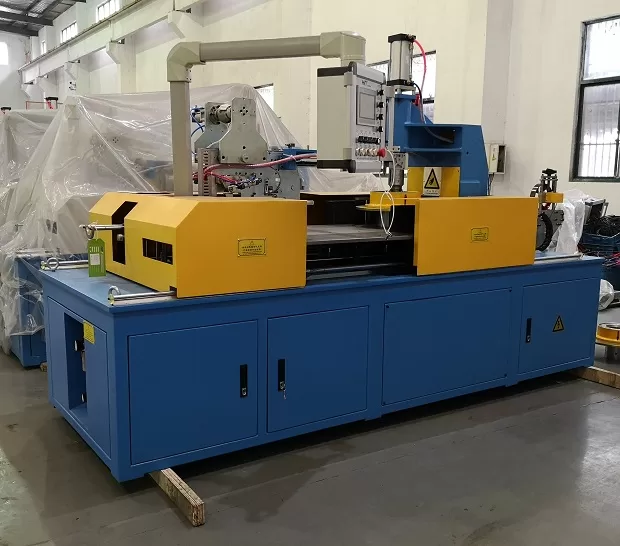
Implementing a Robust Risk Management Framework
A robust risk management framework involves a systematic approach to identifying, assessing, and controlling risks associated with steel wire handling. This framework should be integrated into all aspects of the operation, from planning and design to execution and maintenance.
Key Elements of a Risk Management Framework:
-
Hazard Identification: The first step in risk management is to identify potential hazards. This involves systematically reviewing all aspects of the steel wire handling process to identify potential sources of harm. Hazards may include:
- Equipment Failures: Wire rope breaks, hoist malfunctions, and lifting device failures.
- Improper Handling Techniques: Incorrect lifting procedures, overloading, and improper use of equipment.
- Environmental Factors: Slippery surfaces, extreme temperatures, and poor lighting.
- Human Factors: Fatigue, lack of training, and communication errors.
- Risk Assessment: Once hazards have been identified, the next step is to assess the risks associated with each hazard. This involves determining the likelihood of an incident occurring and the potential severity of the consequences.
-
Control Measures: Based on the risk assessment, appropriate control measures should be implemented to mitigate the risks. Control measures may include:
- Engineering Controls: These involve modifying the equipment or environment to eliminate or reduce the hazard. Examples include installing wire rope guards, using ergonomic lifting devices, and improving lighting.
- Administrative Controls: These involve implementing policies and procedures to reduce the risk. Examples include developing safe work practices, providing training, and conducting regular inspections.
- Personal Protective Equipment (PPE): PPE provides a barrier between the worker and the hazard. Examples include safety glasses, gloves, and hard hats.
- Monitoring and Review: The risk management framework should be continuously monitored and reviewed to ensure its effectiveness. This involves tracking incidents, conducting safety audits, and soliciting feedback from workers.
Detailed Risk Assessment Checklist for Steel Wire Handling:
| Hazard | Potential Consequence | Likelihood | Severity | Control Measures |
|---|---|---|---|---|
| Wire Rope Break | Dropped load, worker injury | Low | High | Regular inspections, proper lubrication, adherence to safe working load limits, use of certified wire ropes. |
| Improper Lifting Techniques | Strains, sprains, back injuries | Medium | Medium | Training on proper lifting techniques, use of ergonomic lifting devices, job rotation to reduce fatigue. |
| Slippery Surfaces | Slips, trips, falls | Medium | Low | Regular cleaning, use of non-slip mats, provision of appropriate footwear. |
| Equipment Malfunction | Dropped load, equipment damage | Low | High | Regular maintenance, pre-shift inspections, use of certified equipment. |
| Lack of Training | Incorrect procedures, accidents | Medium | Medium | Comprehensive training program, ongoing refresher courses, competency assessments. |
| Communication Errors | Misunderstandings, incorrect actions | Low | Medium | Clear communication protocols, use of hand signals, two-way radios. |
| Sharp Edges on Steel Wire | Cuts, lacerations | Medium | Low | Use of gloves, proper handling techniques, deburring of sharp edges, use of wire payoff machine[(https://www.fhopepack.com/wire-line/)] to reduce manual handling. |
By implementing a robust risk management framework and conducting regular risk assessments, organizations can create a safer work environment and reduce the risk of accidents in steel wire handling operations.
3. Enhancing Safety with Technology and Equipment
Technological advancements offer innovative solutions to enhance safety in steel wire handling. Investing in modern equipment and leveraging technology can minimize manual handling, reduce exposure to hazards, and improve overall operational efficiency.
Leverage technology to enhance steel wire handling safety by using automated winding and coiling systems, remote-controlled lifting devices, and sensor-based monitoring systems. Regularly update equipment to incorporate the latest safety features and ensure all machinery is well-maintained and compliant with safety standards.

Exploring Advanced Technological Solutions
Adopting advanced technological solutions can significantly improve safety and efficiency in steel wire handling operations. These technologies range from automated systems to real-time monitoring tools, providing enhanced control and reducing the risk of accidents.
Examples of Advanced Technological Solutions:
- Automated Winding and Coiling Systems: These systems automate the process of winding and coiling steel wire, reducing the need for manual handling. Automated systems improve consistency, reduce the risk of repetitive strain injuries, and minimize exposure to sharp edges and pinch points.
- Remote-Controlled Lifting Devices: Remote-controlled lifting devices allow operators to control the lifting and movement of steel wire from a safe distance. This reduces the risk of injury from dropped loads or equipment malfunctions.
- Sensor-Based Monitoring Systems: Sensor-based monitoring systems provide real-time data on the condition of wire ropes, lifting devices, and other equipment. These systems can detect signs of wear, corrosion, or damage, allowing for timely maintenance and preventing equipment failures.
- Ergonomic Lifting Aids: Ergonomic lifting aids, such as vacuum lifters and manipulators, can reduce the physical strain on workers when handling steel wire. These devices make it easier to lift, move, and position heavy coils of wire, reducing the risk of back injuries and other musculoskeletal disorders.
Benefits of Implementing Advanced Technological Solutions:
| Technology | Benefit |
|---|---|
| Automated Winding Systems | Reduced manual handling, improved consistency, minimized risk of injuries, increased efficiency. |
| Remote-Controlled Lifting | Safe operation from a distance, minimized risk of dropped loads, improved control over lifting process. |
| Sensor-Based Monitoring | Real-time condition monitoring, early detection of equipment failures, reduced downtime, improved safety. |
| Ergonomic Lifting Aids | Reduced physical strain on workers, minimized risk of back injuries, improved comfort and productivity. |
| AI-Powered Predictive Maintence | Uses machine learning to predict wire rope failure; optimizes maintenance schedules and ensures workers safety. |
Integrating Technology into Training Programs:
To ensure that workers can effectively use these technologies, it is essential to integrate them into training programs. This includes providing hands-on training on the operation and maintenance of automated systems, remote-controlled devices, and sensor-based monitoring tools.
By investing in advanced technological solutions and integrating them into training programs, organizations can significantly improve safety and efficiency in steel wire handling operations.
4. Emphasizing Personal Protective Equipment (PPE) and Training
Proper PPE and comprehensive training are essential for protecting workers from hazards in steel wire handling. Ensuring that workers have the right equipment and the knowledge to use it safely can significantly reduce the risk of accidents.
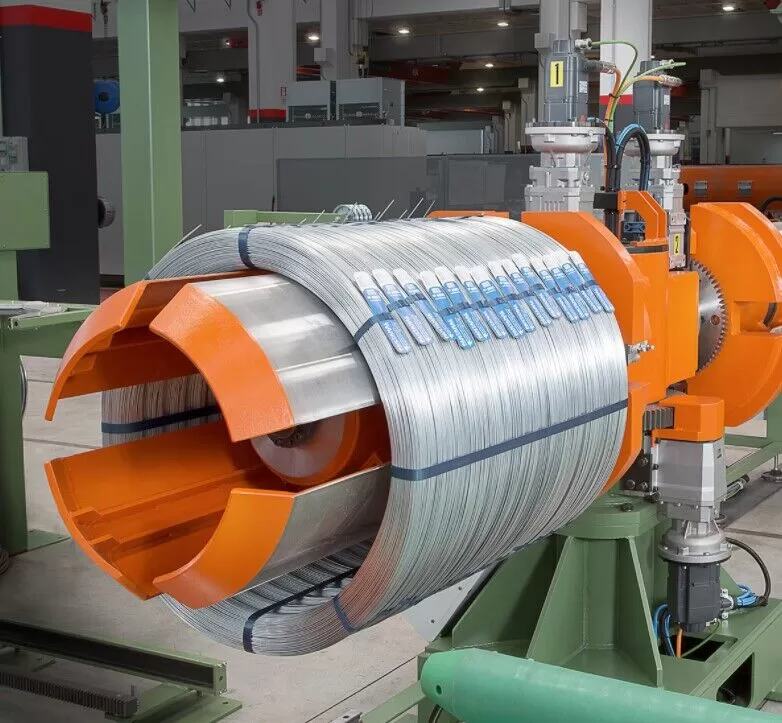
The use of personal protective equipment (PPE) in the steel wire handling industry is paramount. PPE provides a final safeguard against injuries and exposure to hazards. It should be selected based on the identified risks and should be regularly inspected and maintained.
In conclusion, by implementing comprehensive operational guidelines, conducting regular risk assessments, investing in technology, and emphasizing PPE and training, organizations can significantly enhance security in steel wire handling operations. A proactive approach to safety is essential for protecting workers, preventing equipment damage, and ensuring operational continuity.








