
How to Optimize Steel Wire Coiling Machine Performance for High-Volume Operations?
Steel wire coiling machines are essential for industries requiring efficient management of wire. Optimizing these machines is crucial for high-volume operations, ensuring productivity and minimizing downtime. Proper maintenance and strategic adjustments can significantly enhance performance.
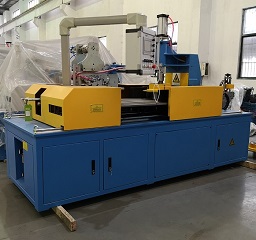
Ready to unlock the secrets to maximizing your steel wire coiling machine’s output? Let’s delve into proven strategies that will elevate your operational efficiency improvements.
1. Implementing a Robust Maintenance Schedule
A well-structured maintenance schedule is the backbone of any high-performing steel wire coiling machine. Regular check-ups can prevent unexpected breakdowns and maintain optimal functionality.
A robust maintenance schedule for steel wire coiling machines involves daily, weekly, monthly, and annual checks. This includes lubrication, cleaning, parts inspection, and timely replacements. Adhering to this schedule ensures consistent high-volume operations, reduces downtime, and extends machine lifespan, leading to significant cost savings and improved productivity.

The Critical Aspects of Preventative Maintenance
To truly optimize your steel wire coiling machine, let’s break down the key elements of a comprehensive preventative maintenance plan. We’ll explore how each component contributes to overall performance and longevity.
1.1 Daily Inspections and Cleaning
Daily inspections are crucial for identifying immediate issues. Operators should check for loose parts, unusual noises, and ensure all safety mechanisms are functional. Cleaning removes debris that can hinder performance.
1.2 Weekly Lubrication and Adjustments
Weekly lubrication of moving parts reduces friction, preventing wear and tear. Adjustments ensure proper alignment and tension, crucial for consistent coiling.
1.3 Monthly Component Checks
Monthly checks involve a more thorough inspection of critical components such as bearings, motors, and control systems. Replace worn parts proactively to avoid costly breakdowns.
1.4 Annual Overhaul and Calibration
An annual overhaul should include a comprehensive inspection, cleaning, and calibration of all machine systems. This ensures the machine operates at peak efficiency.
1.5 The Impact of Downtime
Unplanned downtime can cripple high-volume operations. The following table illustrates the potential costs associated with different downtime durations:
| Downtime Duration | Estimated Cost |
|---|---|
| 1 Hour | \$1,000 – \$5,000 |
| 4 Hours | \$4,000 – \$20,000 |
| 1 Day | \$24,000 – \$120,000 |
| 1 Week | \$168,000 – \$840,000 |
By implementing a proactive maintenance schedule, you can significantly reduce the risk of these costly disruptions, ensuring continuous and efficient production.
2. Optimizing Material Handling
Efficient material handling directly impacts the speed and quality of the coiling process. Streamlining how wire is fed into and removed from the machine is essential for maximizing throughput.
Optimizing material handling for steel wire coiling machines involves using uncoilers and coilers for smooth wire flow. Employ measuring machines for accurate length control to minimize waste. Automation and ergonomic designs enhance efficiency and safety. These practices ensure consistent [Collection] and reduced downtime, maximizing productivity in high-volume operations.

Streamlining Material Flow for Enhanced Productivity
Let’s dive into the specifics of how you can fine-tune your material handling processes for optimal efficiency.
2.1 Implementing Uncoilers and Recoilers
Using uncoilers and recoilers automates wire feeding and collection, reducing manual labor and preventing tangles.
2.2 Integrating Measuring Machines
Accurate length measurement is critical for minimizing waste. Measuring machines ensure precise cuts and coils.
2.3 Automation and Ergonomics
Automating material handling reduces human error and increases speed. Ergonomic designs minimize operator fatigue.
2.4 Selecting the Right Materials
The quality of the steel wire directly affects machine performance. Use high-grade materials to minimize defects and ensure smooth operation.
3. Leveraging Automation and Technology
Integrating automation and advanced technologies is key to boosting steel wire coiling machine performance. CNC controls, sensors, and robotic systems can significantly enhance precision and speed.
Leveraging automation for steel wire coiling machines involves CNC controls for precision, sensors for real-time monitoring, and robotics for material handling. These technologies reduce manual intervention, improve consistency, and increase production speed. Proper training ensures effective operation, leading to optimized efficiency improvements and higher output in high-volume operations.

The Future of Steel Wire Coiling: A Technological Deep Dive
Let’s explore the specific technologies that are revolutionizing steel wire coiling and how they can be implemented to maximize your machine’s potential.
3.1 CNC Controls and Programming
CNC controls allow for precise adjustments and repeatable operations, ensuring consistent coil quality. Programming enables complex coiling patterns and automated processes.
3.2 Sensor Technology and Real-Time Monitoring
Sensors monitor tension, speed, and temperature, providing real-time data for process optimization. Automated alerts notify operators of potential issues.
3.3 Robotic Integration
Robots can handle repetitive tasks such as loading and unloading wire, freeing up human operators for more complex activities.
3.4 Data Analytics and Predictive Maintenance
Analyzing machine data helps identify trends and predict maintenance needs, minimizing downtime. Predictive maintenance ensures timely interventions.
3.5 Impact of Automation
Automation can drastically improve production rates. The following table illustrates the potential gains:
| Automation Level | Production Increase | Error Rate Reduction |
|---|---|---|
| Basic | 20% | 10% |
| Intermediate | 40% | 30% |
| Advanced | 60% | 50% |
4. Training and Skill Development
Operator skill significantly impacts machine performance. Comprehensive training ensures operators understand machine functions, maintenance, and safety protocols.

Proper training for steel wire coiling machine operators includes understanding machine functions, safety protocols, and maintenance procedures. Hands-on instruction and theoretical knowledge enhance operational efficiency and minimize risks. Skilled operators ensure optimal Steel wire coiling machine performance and reduce downtime, contributing to increased productivity and safer working conditions.
Investing in Your Team: Maximizing Human Potential
A highly trained and skilled workforce is the key to unlocking the full potential of your steel wire coiling machines.
4.1 Comprehensive Training Programs
Offer training programs covering machine operation, maintenance, and troubleshooting. Include both theoretical knowledge and practical hands-on experience.
4.2 Safety Protocols and Emergency Procedures
Ensure operators are well-versed in safety protocols and emergency procedures to prevent accidents and injuries.
4.3 Continuous Learning and Skill Upgradation
Provide ongoing learning opportunities to keep operators updated on new technologies and best practices.
4.4 The Impact of Skilled Operators
Skilled operators can optimize machine settings, troubleshoot issues quickly, and perform preventative maintenance effectively, leading to higher productivity and reduced downtime.
Conclusion
Optimizing steel wire coiling machine performance for high-volume operations requires a multifaceted approach. By implementing a robust maintenance schedule, streamlining material handling, leveraging automation, and investing in operator training, manufacturers can significantly enhance efficiency, reduce costs, and ensure consistent product quality. These strategies are essential for staying competitive in today’s demanding market.








