
How to Optimize Steel Wire Rewinding Machine Performance for Heavy-Duty Construction Materials?
Steel wire rewinding machines are crucial for the heavy-duty construction sector. Optimizing their performance enhances productivity, reduces downtime, and ensures material quality. Proper maintenance and strategic adjustments are key to achieving peak efficiency improvements.
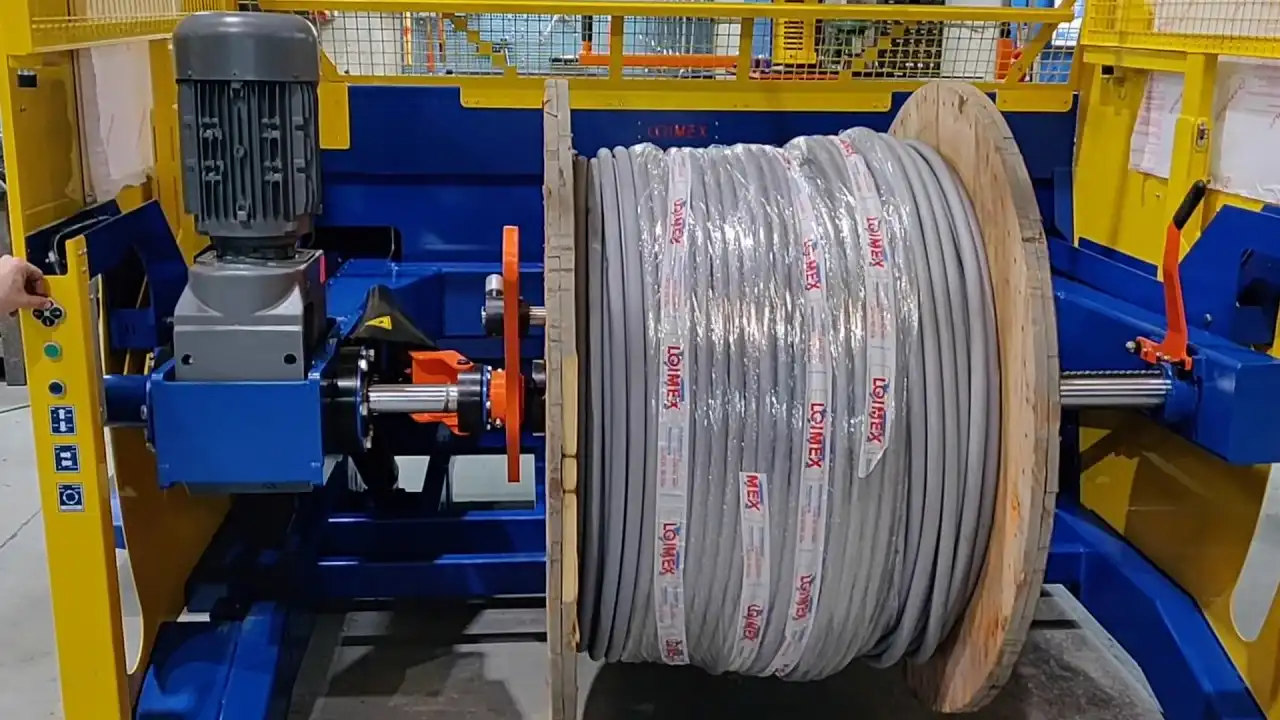
Optimizing steel wire rewinding machine performance involves regular maintenance, using quality lubricants, ensuring proper alignment, and upgrading components. Adjusting tension settings and implementing operator training programs also significantly enhance efficiency and reduce material waste.
Ready to dive deeper? Let’s explore practical steps to optimize your steel wire rewinding machine for top-tier performance in demanding construction environments.
Optimizing Steel Wire Feed for Consistent Tension
Consistent steel wire feed is critical for maintaining uniform tension during rewinding. Proper tension prevents material damage, ensures accurate coil dimensions, and reduces machine wear. Without this consistency, the entire heavy-duty construction process can suffer.
To optimize steel wire feed for consistent tension, regularly inspect and maintain the wire guides, ensure proper alignment of rollers, adjust tension settings based on wire diameter and type, and use quality lubricants. Implementing feedback control systems can also provide real-time adjustments.

The Critical Role of Wire Guides and Rollers
Wire guides and rollers are fundamental for maintaining consistent tension during the steel wire rewinding process. These components ensure that the wire moves smoothly and uniformly, preventing kinks, tangles, and uneven winding. Neglecting these elements can lead to significant performance issues, increasing material waste and machine downtime.
Regular Inspection and Maintenance
Regularly inspecting wire guides and rollers is paramount. Look for signs of wear, such as grooves, scratches, or corrosion, which can disrupt the wire’s path and cause tension inconsistencies. Replace worn components promptly to maintain smooth operation.
Proper Alignment
Ensure that wire guides and rollers are correctly aligned. Misalignment can cause the wire to rub against the sides of the guides, increasing friction and leading to uneven tension. Use precision tools to verify alignment and make necessary adjustments.
Adjusting Tension Settings
Tension settings must be adjusted based on the wire’s diameter and material type. Thicker wires require higher tension to maintain a tight wind, while thinner wires need lower tension to prevent breakage. Consult the machine’s manual for recommended settings and fine-tune as needed.
Lubrication
Use high-quality lubricants to reduce friction between the wire and the guides. Proper lubrication ensures smooth movement, prevents wear, and maintains consistent tension. Apply lubricant regularly, following the manufacturer’s guidelines.
Implementing Feedback Control Systems
Consider implementing feedback control systems for real-time tension adjustments. These systems use sensors to monitor tension and automatically adjust the machine’s settings to maintain the desired level. This can significantly improve winding accuracy and reduce material waste.
By focusing on wire guides, rollers, proper alignment, tension settings, and lubrication, you can achieve consistent steel wire feed, leading to better coil quality and more efficient rewinding operations. This detailed approach ensures that the machine operates at its peak, reducing downtime and enhancing overall productivity in heavy-duty construction projects.
| Component | Issue | Solution |
|---|---|---|
| Wire Guides | Wear and Tear | Regular inspection and timely replacement |
| Rollers | Misalignment | Precision alignment with specialized tools |
| Tension Settings | Incorrect Adjustment | Refer to manual and fine-tune appropriately |
| Lubrication | Inadequate | Regular application of quality lubricants |
| Control System | Lack of Feedback Mechanism | Implement real-time feedback control |
Maintaining Optimal Machine Alignment
Proper machine alignment is crucial for achieving peak steel wire rewinding machine performance. Misalignment can lead to uneven winding, increased wear on components, and reduced efficiency. Ensuring all parts are correctly aligned minimizes vibration and stress, extending the lifespan of the machinery.
To maintain optimal machine alignment, regularly check and adjust the alignment of all moving parts, use precision leveling tools, and ensure the foundation is stable. Proper alignment reduces vibration, minimizes wear, and ensures consistent performance, which is crucial for heavy-duty construction.

Troubleshooting Common Alignment Issues
Maintaining optimal machine alignment is essential for the efficiency and longevity of steel wire rewinding machines. Here are detailed steps to troubleshoot common alignment issues and maintain peak performance:
1. Identifying Signs of Misalignment:
- Excessive Vibration: One of the first indicators of misalignment is increased vibration during operation. Pay attention to unusual shaking or rattling, which can indicate that components are not correctly aligned.
- Uneven Winding: Misalignment can cause the wire to wind unevenly on the spool, leading to inconsistent coil dimensions and potential material waste.
- Increased Wear and Tear: Components such as bearings, gears, and rollers may show signs of premature wear if the machine is misaligned, resulting in costly replacements and downtime.
- Noise Levels: An increase in noise, such as grinding or squealing, can signify that parts are rubbing together due to misalignment.
2. Regular Alignment Checks:
- Visual Inspection: Conduct regular visual inspections to identify any obvious signs of misalignment. Check that all components are securely fastened and in their correct positions.
- Using Precision Levels: Use precision levels to verify that the machine’s base and critical components are perfectly level. Adjust the leveling feet as needed to correct any imbalances.
- Laser Alignment Tools: For more accurate assessments, use laser alignment tools to check the alignment of shafts, rollers, and other moving parts. These tools provide precise measurements and help identify even minor misalignments.
3. Adjusting and Correcting Alignment:
- Adjusting Leveling Feet: Leveling feet are often used to correct minor misalignments. Adjust these feet to ensure the machine is stable and level.
- Shimming: Use shims to correct vertical misalignment. Place shims under the machine’s feet or components to raise them to the correct height.
- Realigning Components: If a component is significantly misaligned, carefully realign it using appropriate tools. Refer to the machine’s manual for specific instructions.
- Tightening Fasteners: Ensure that all bolts, screws, and other fasteners are properly tightened. Loose fasteners can contribute to misalignment and vibration.
4. Maintaining a Stable Foundation:
- Solid Mounting: Ensure the machine is mounted on a solid, stable foundation. A weak or unstable foundation can cause the machine to shift over time, leading to misalignment.
- Vibration Dampening: Consider using vibration-dampening pads under the machine to reduce the transmission of vibrations to the surrounding environment and vice versa.
By addressing these common alignment issues, you can ensure the steel wire rewinding machine operates smoothly, efficiently, and with minimal wear and tear. This proactive approach not only extends the machine’s lifespan but also improves the quality of the rewound steel wire, ultimately enhancing productivity in heavy-duty construction projects.
Upgrading Machine Components for Enhanced Performance
Upgrading machine components is essential for enhancing steel wire rewinding machine performance. Modern components offer improved durability, precision, and efficiency, resulting in higher throughput and reduced downtime. Investing in quality upgrades can significantly improve the machine’s overall performance.
Upgrading steel wire rewinding machine components involves replacing worn parts with high-quality alternatives, installing modern control systems, and enhancing motor efficiency. High-quality components improve durability, precision, and efficiency, leading to enhanced machine performance and reduced downtime.

Selecting the Right Upgrades for Optimal Results
Upgrading machine components can substantially enhance the performance and lifespan of your steel wire rewinding machine. Here’s a structured approach to selecting the right upgrades for optimal results, focusing on key areas that can deliver significant improvements.
1. Evaluating Current Performance:
Before embarking on upgrades, assess the current performance of your machine. Identify bottlenecks, inefficiencies, and components that frequently require maintenance or replacement.
- Maintenance Records: Review maintenance logs to identify recurring issues or parts that wear out quickly.
- Performance Metrics: Analyze production data, such as throughput, downtime, and material waste, to quantify performance gaps.
- Operator Feedback: Solicit feedback from machine operators, who can provide valuable insights into the machine’s strengths and weaknesses.
2. Upgrading Key Components:
- Motors: Replace older motors with energy-efficient models that offer higher torque and speed control. Inverter-duty motors can provide precise speed adjustments, reducing energy consumption and improving winding accuracy.
- Benefits: Improved energy efficiency, enhanced speed control, reduced heat generation.
- Bearings: Upgrade to high-precision, low-friction bearings to reduce wear and improve the smoothness of rotating parts. Ceramic bearings can offer even greater durability and reduced friction.
- Benefits: Reduced friction, lower maintenance, extended lifespan.
- Control Systems: Install a modern programmable logic controller (PLC) system to automate and optimize the winding process. PLCs offer precise control over tension, speed, and winding patterns.
- Benefits: Increased automation, improved precision, reduced manual intervention.
- Sensors: Add sensors to monitor tension, speed, and position in real-time. Feedback control systems can use this data to automatically adjust machine settings and maintain optimal performance.
- Benefits: Real-time monitoring, automated adjustments, improved accuracy.
- Wire Guides and Rollers: Replace worn or damaged wire guides and rollers with high-quality components made from wear-resistant materials. Ceramic-coated guides can reduce friction and prevent wire damage.
- Benefits: Reduced friction, minimized wire damage, improved winding quality.








