
How to Enhance Pipe Bundling Machine Security in Unattended Operations?
Imagine a pipe bundling machine operating flawlessly, even without supervision. Achieving this requires careful planning and robust security measures to prevent accidents, damage, and downtime. Prioritizing safety is key to a productive and secure unmanned environment.

Enhancing Pipe bundling machine security in unattended operations involves a multi-faceted approach. Key strategies include robust physical safeguards, advanced sensor-based monitoring for anomaly detection, comprehensive software controls with remote access limitations, and thorough cybersecurity protocols. Regular maintenance and comprehensive staff training are also crucial for sustained security and operational integrity.
Ready to unlock the full potential of unattended pipe bundling operations? Let’s explore these essential security enhancements and create a safer, more productive manufacturing environment.
1. Hardening Access Control for Pipe Bundling Machines
Leaving a pipe bundling machine unattended necessitates stringent access controls to prevent unauthorized entry and potential sabotage. Weak access control presents a significant vulnerability in any unmanned operation.
To harden access control, implement biometric authentication, multi-factor verification, and robust perimeter security. Integrate these measures with an alarm system and real-time monitoring to immediately detect and respond to unauthorized access attempts. This ensures only authorized personnel can access the machine, mitigating risks and operational disruptions.
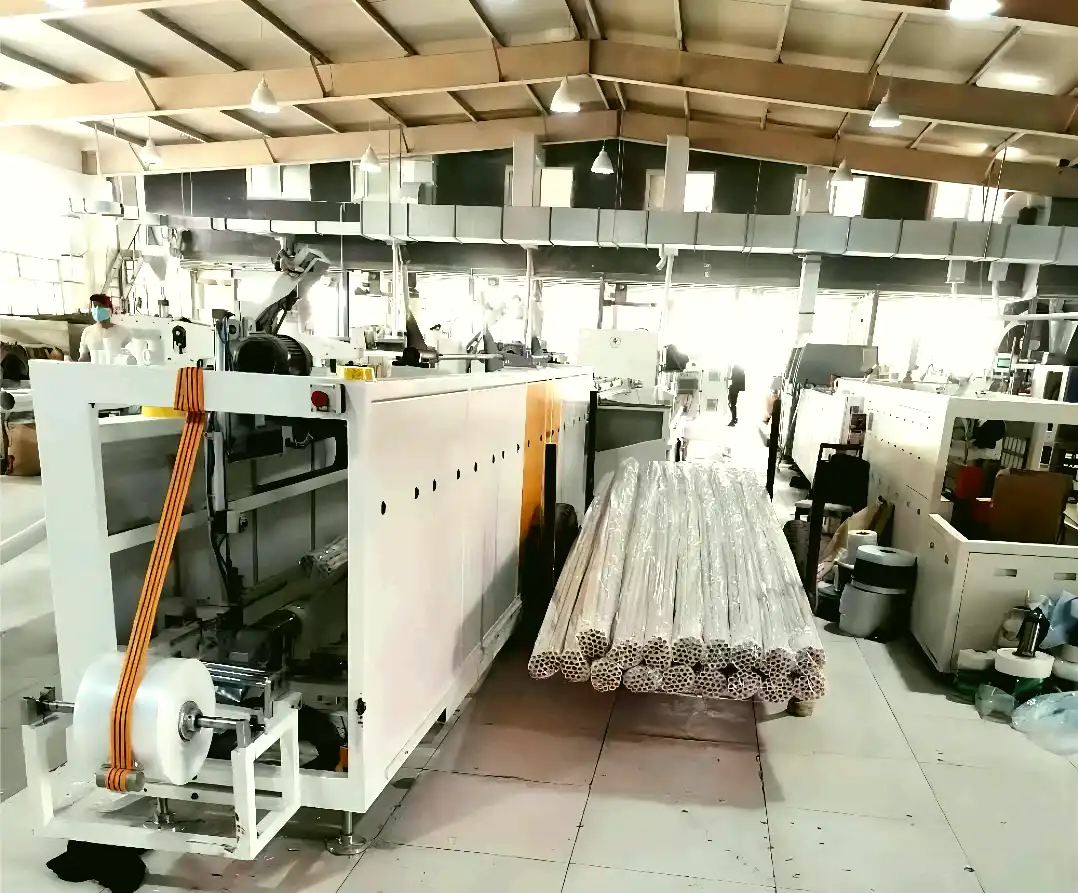
Diving Deeper: Hazard Identification and Mitigation
To address the diverse risks effectively in unattended pipe bundling operations, a systematic approach to security measures is essential. This involves identifying vulnerabilities and analyzing potential dangers.
Assessing Vulnerabilities
A comprehensive vulnerability assessment forms the foundation of any effective security program. It involves examining every stage of the unattended pipe bundling operation, from automated systems to potential access points. The goal is to proactively identify potential vulnerabilities before they can be exploited.
This assessment should consider:
- Access Points: Evaluating all physical and digital entry points to the bundling machine.
- System Controls: Assessing the security features and potential malfunctions of automated systems.
- Remote Access: Analyzing the security of remote access protocols and devices.
By methodically analyzing these areas, a comprehensive vulnerability assessment provides the insights to develop targeted risk mitigation strategies.
Implementing Risk Mitigation Strategies: A Layered Approach
Once vulnerabilities are identified, the next crucial step is to implement mitigation strategies. These strategies should be layered, combining different approaches to create a robust security net.
| Risk Area | Potential Vulnerability | Mitigation Strategy |
|---|---|---|
| Physical Access | Unauthorized entry to the bundling machine | Biometric authentication, multi-factor verification, robust perimeter security, alarm systems |
| System Controls | Tampering with automated systems | Encrypted communication protocols, regular software updates, intrusion detection systems, access logs |
| Remote Access | Unauthorized remote access | VPNs, strong passwords, multi-factor authentication, session timeouts, regular security audits |
| Cybersecurity Threats | Malware, ransomware | Firewalls, antivirus software, intrusion prevention systems, employee training, regular backups |
| Data Transmission | Interception of sensitive data | Encryption, secure communication protocols, access controls, data loss prevention tools |
| Equipment Failure | Malfunctioning machinery | Regular inspections and maintenance schedules, remote diagnostics, emergency shutdown procedures, backup systems |
| Environmental Factors | Temperature/Humidity extremes, Dust Accumulation | Environmental control systems, Sealed enclosures for sensitive components, Regular cleaning, Temperature and Humidity Monitoring Systems |
These mitigation strategies are interconnected components of a comprehensive security system, working together to minimize risk.
Continuous Improvement Through Drills and Analysis
The effectiveness of security protocols isn’t static; it requires ongoing evaluation and improvement. Regular drills and thorough post-incident analysis are crucial for identifying weaknesses and enhancing the system.
- Realistic Drill Scenarios: Security drills should simulate realistic threat scenarios to test the entire response chain.
- Performance Metrics and Analysis: Track key performance indicators during drills, such as response times and system reliability.
- Feedback and Iteration: Solicit feedback from personnel involved in drills and actual incidents to gain insights into system usability and identify potential blind spots.
By embracing a continuous improvement approach, organizations can ensure their security protocols remain effective, adaptable, and truly contribute to a safer unattended environment.
2. Comprehensive Surveillance for Round-the-Clock Monitoring
A surveillance system is the cornerstone of any pipe bundling machine unattended operation. It provides the ability to remotely monitor the equipment and the surrounding environment, ensuring continuous oversight.
Deploying a comprehensive surveillance system is essential. This includes high-resolution cameras with infrared capabilities, real-time video analytics for anomaly detection, and secure remote access for authorized personnel. Implement redundant recording systems and backup power to ensure continuous monitoring.

Deep Dive: Optimizing Surveillance Effectiveness
Optimizing surveillance effectiveness involves a deeper consideration of human factors, technological integration, and continuous improvement processes. The goal is to create a surveillance system that is not only functional but also intuitively used and consistently effective in real-world scenarios.
- Human-Centered Design: Effectiveness is influenced by the design and placement of displays, ensuring easy access, clear visual and audible alarms, and intuitive operation.
- Camera Specification and Selection: Proper camera selection depends on the monitoring environment. Consider high-resolution cameras with infrared, PTZ cameras, and a mix of both fixed and PTZ cameras.
- Continuous Improvement: Drills and analysis are crucial. Implement realistic drill scenarios, track performance metrics, and solicit feedback to gain valuable insights and iteratively refine the system.
3. Automated Safety Protocols for Immediate Response
Unattended operations require automated safety protocols that can react to emergencies without human intervention. Quick and reliable response is critical to minimizing damage and protecting equipment.
Automated safety protocols are essential. These include emergency shutdown systems triggered by sensor alerts, automated fire suppression, and robotic intervention for hazardous situations. Ensure these protocols are regularly tested and maintained, with clear procedures for remote override when necessary.
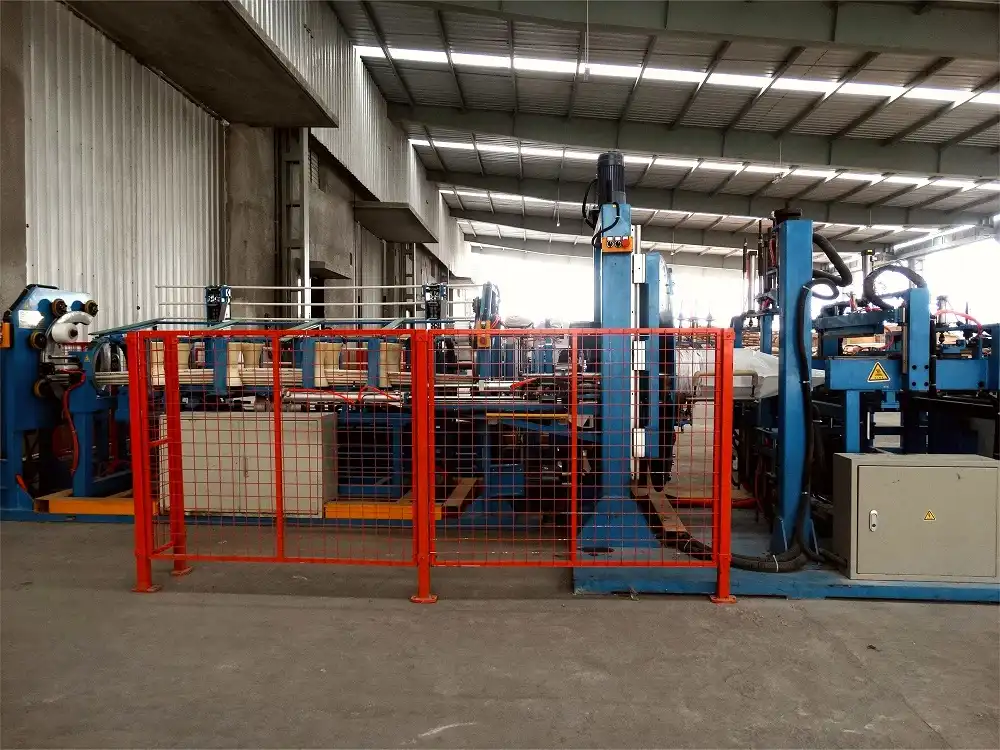
Elevating Automated Safety: Proactive Measures and Reactive Systems
Automated systems need to be more than basic; a more elevated approach is needed to ensure comprehensive safety. A combination of automated systems, sensors, and seamless integration is key. Remote monitoring and control via a SCADA system provides real-time data and control capabilities for unmanned operations, improving production efficiency and enabling rapid response.
| Automated Safety Protocol | Description | Importance |
|---|---|---|
| Remote Monitoring via SCADA | Provides real-time data and control for unmanned operation. | Increases production efficiency, enables remote response, and reduces risks. |
| Automated Emergency Shutdown | Automatically stops the machine when a problem is detected via sensor triggers. | Ensures safety, protects products and equipment from damage. |
| Robotic Intervention | Uses robots for hazardous or repetitive tasks. | Reduces potential hazards, enhances output. |
| Automatic Fire Suppression | Suppresses fire quickly upon detection. | Prevents fire from spreading and causing significant damage. |
| Periodic Testing & Maintenance | Routine tests, inspections, and preventative maintenance. | Identifies and resolves issues proactively, ensuring safety and reliability. |
By investing in automated systems and preventative actions, unmanned operation of pipe bundling machines can be achieved in a safe and reliable manner.
4. Cybersecurity Safeguards
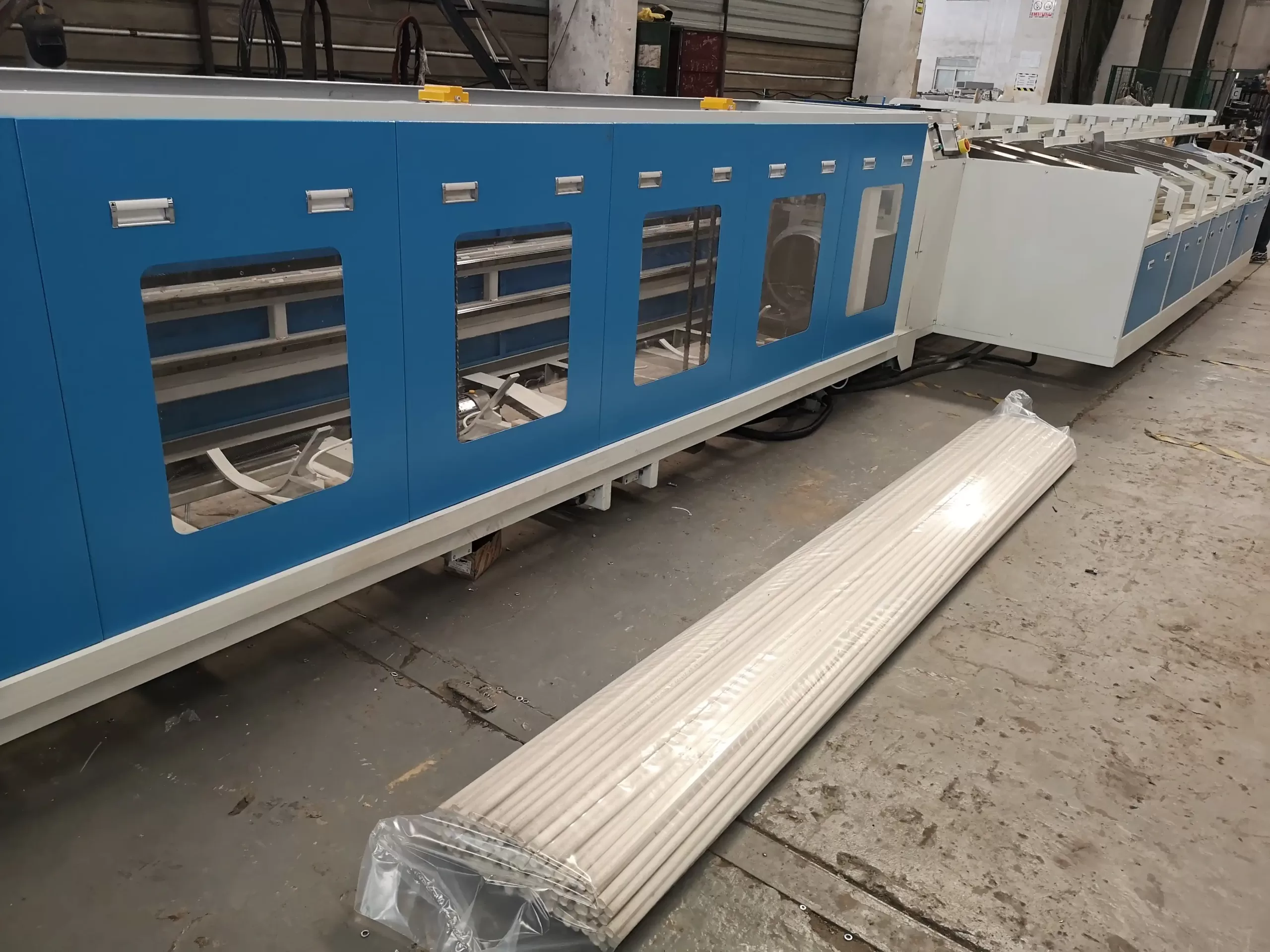
Securing your data and system integrity is crucial for steel coil [pipe packaging machines].Implement stringent cybersecurity measures to protect against hacking, malware, and unauthorized access to system controls. Deploy firewalls, intrusion detection systems, and regular security audits. Encrypt all data transmissions and implement multi-factor authentication for remote access.
Fortifying Digital Defenses: A Proactive Approach to Cybersecurity Investing in cybersecurity best practices will yield a reliable, safe, and high-performing steel coil packing line. By taking the correct proactive actions you can significantly reduce your digital and physical risks.
| Aspect | Suggestion | Importance |
|---|---|---|
| Network Segmentation | Segregate the control network from external networks to limit access points for attacks. | Reduce the attack surface by isolating critical systems from potential threats. |
| Intrusion Detection Systems (IDS) | Monitor network traffic and system logs for suspicious activity. | Provides real-time detection of unauthorized access attempts, malware infections, and other malicious activities. |
| Endpoint Protection | Use antivirus and anti-malware software on all computers and devices connected to the control network. | Minimize the risk of malware infections that could compromise system integrity and availability. |
| Data Encryption | Encrypt all data transmissions, both in transit and at rest, to protect sensitive information from unauthorized access. | Safeguard against data breaches and ensure confidentiality. |
| Incident Response Plan | Establish a well-defined incident response plan to address security breaches and system failures. | Ensure quick and effective responses to security incidents, minimizing downtime and mitigating potential damage. |
| Cybersecurity Awareness Training | Provide cybersecurity awareness training to all personnel, including engineers, operators, and IT staff. | Train employees on how to identify and avoid phishing attacks, malware, and other cybersecurity threats. |
Conclusion
Enhancing pipe bundling machine security for unattended operations requires a holistic approach. Implementing robust access control, comprehensive surveillance, automated safety protocols, and stringent cybersecurity measures creates a secure and efficient environment. This proactive strategy protects assets and personnel while maximizing productivity and minimizing operational disruptions. Prioritizing security unlocks the full potential of unattended operations for safer, more efficient manufacturing.








