
What Are the Environmental Impact Reduction Strategies for Pipe Bundling Machines?
Pipe bundling machines are revolutionizing packaging, offering numerous strategies to minimize environmental impact. These strategies directly address material waste, energy consumption, and overall operational efficiency in pipe packaging processes.
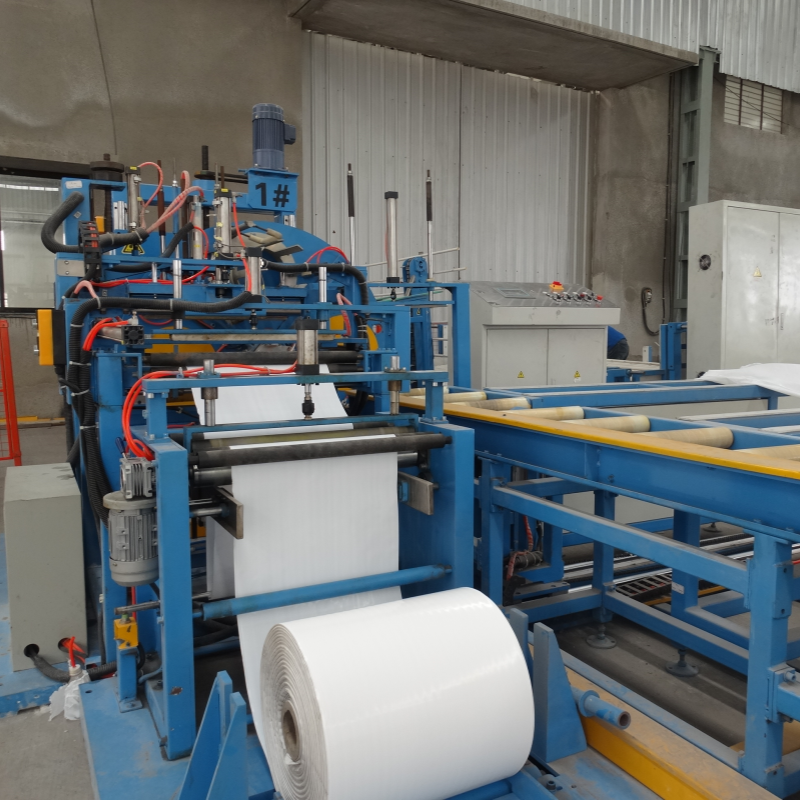
Pipe bundling machines reduce environmental impact through material optimization, energy efficiency, and waste reduction. Employing sustainable materials like recycled plastics further minimizes the carbon footprint. Implementing smart controls and regular maintenance enhance energy efficiency, ensuring compliance with sustainability standards.
Are you interested in discovering how automated pipe bundling machines can significantly reduce your company’s environmental impact and boost operational efficiency? Continue reading to learn more about the various strategies.
1. Optimizing Material Use in Pipe Bundling
Optimizing material use is key to environmentally responsible pipe bundling. It leads to substantial reductions in waste, costs, and overall environmental impact, driving sustainable practices.
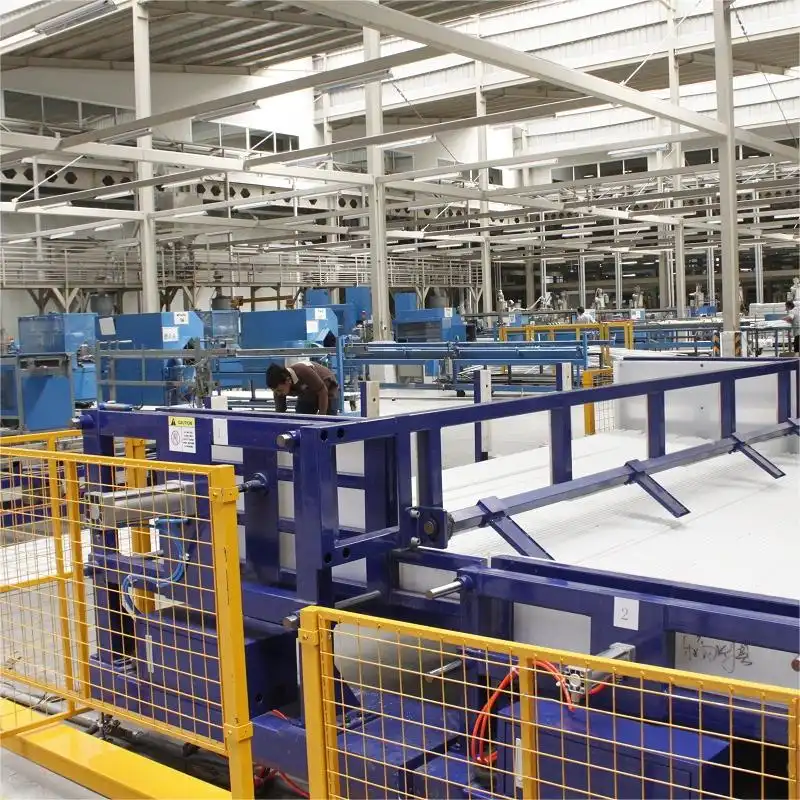
Pipe bundling machines optimize material use by precisely measuring and applying the necessary amount of strapping. This minimizes waste compared to manual bundling, which often results in excess material use. Sustainable materials, like recycled plastic and paper, further reduce the environmental impact of sustainable packaging.
Quantifying Material Optimization: A Detailed Look
To fully appreciate the impact of material optimization, let’s examine the specifics. Utilizing less material not only saves resources but also significantly cuts down on production costs and waste disposal, making the process more environmentally friendly.
Precision Strapping Techniques
Pipe bundling machines employ advanced sensors and control systems to apply strapping material with pinpoint accuracy. Unlike manual methods, where workers might add extra layers “just to be sure,” these machines calculate and use only what is needed.
Sustainable Material Alternatives
Many modern pipe bundling machines are designed to work seamlessly with sustainable materials like recycled plastics, biodegradable films, and paper-based strapping. These alternatives lessen the reliance on virgin resources and promote a circular economy.
Comparative Analysis: Manual vs. Machine Bundling
Consider a company bundling 5,000 pipe bundles per month. Here’s how the material usage might compare:
| Metric | Manual Bundling | Machine Bundling | Reduction |
|---|---|---|---|
| Strapping Material per Bundle | 4 kg | 2.5 kg | 37.5% |
| Total Material Usage/Month | 20,000 kg | 12,500 kg | 37.5% |
| Cost of Materials/Month | \$4,000 | \$2,500 | 37.5% |
| Waste Disposal Costs/Month | \$500 | \$312.5 | 37.5% |
This table clearly demonstrates the substantial benefits of using pipe bundling machines. By reducing material usage by 37.5%, the company not only saves \$1,500 on material costs each month but also significantly lowers waste disposal expenses. This optimization directly contributes to a smaller carbon footprint and more environmentally responsible operations.
Long-Term Benefits
Beyond the immediate savings, optimizing material use has long-term benefits. It reduces the demand for new resources, minimizes pollution from manufacturing processes, and helps to conserve natural habitats. Embracing these techniques is a step toward creating a more sustainable and responsible business model.
2. Energy Efficiency Strategies for Pipe Bundling Machines
Energy efficiency is essential for reducing the environmental impact. By optimizing energy consumption, businesses can save money and boost their reputation as eco-conscious entities.
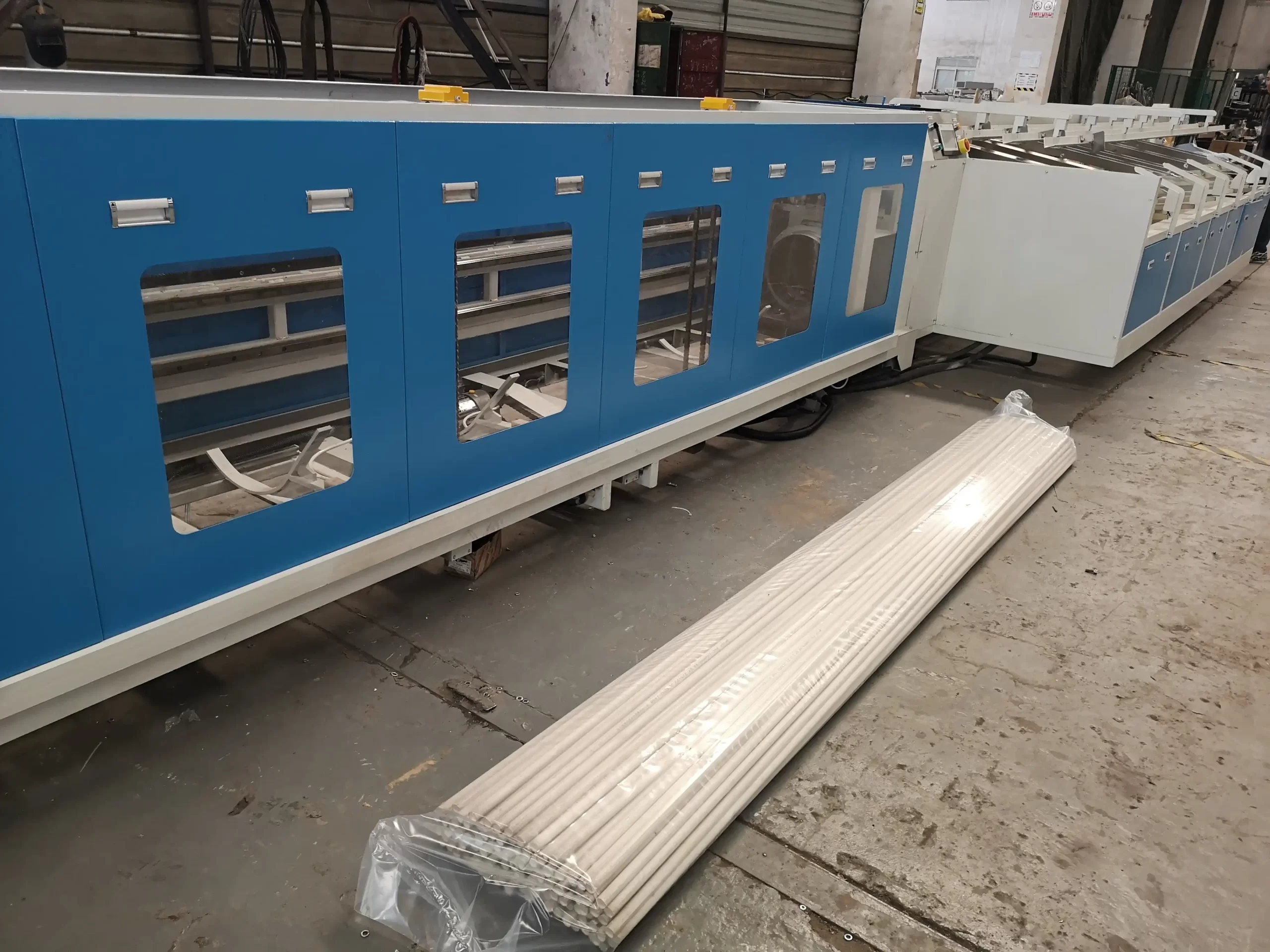
Pipe bundling machines optimize energy use through energy-efficient components and smart controls. Regular maintenance is crucial for ensuring these machines operate efficiently, minimizing downtime, and extending their lifespan, which contributes to sustainability.
Advanced Techniques and Technologies for Energy Efficiency
To enhance energy efficiency, advanced technologies and strategies should be incorporated. These ensure optimal machine performance, minimize energy waste, and lower operational costs.
Servo Motor Implementation
Servo motors deliver superior precision and drastically reduce energy use compared to traditional AC motors. Their precise control over movement and speed results in less energy wasted during operation.
Smart Control Systems
Smart control systems optimize bundling parameters based on pipe dimensions and material properties. By adjusting settings automatically, these systems reduce energy consumption and minimize material waste.
Regular Maintenance Schedules
Regular maintenance is vital for ensuring that pipe bundling machines operate at peak efficiency. Preventative maintenance reduces energy waste and minimizes downtime, contributing to long-term energy savings.
Comparative Analysis: Energy Consumption
| Feature | Impact on Energy Efficiency |
|---|---|
| Servo Motors | Reduces energy consumption by up to 40% compared to AC motors. |
| Smart Controls | Reduces energy consumption by 15% by optimizing bundling parameters. |
| Regular Maintenance | Improves energy efficiency by 5-10% by ensuring machines operate at peak performance. |
By incorporating these strategies, businesses can make significant strides in reducing energy consumption and improving their environmental footprint. These efforts not only contribute to a more sustainable future but also yield substantial cost savings over time.
3. Minimizing Waste Generation in Pipe Bundling Processes
Waste reduction is fundamental to environmental sustainability. Minimizing waste helps to reduce costs and safeguard the environment, making it a vital part of any sustainability plan.
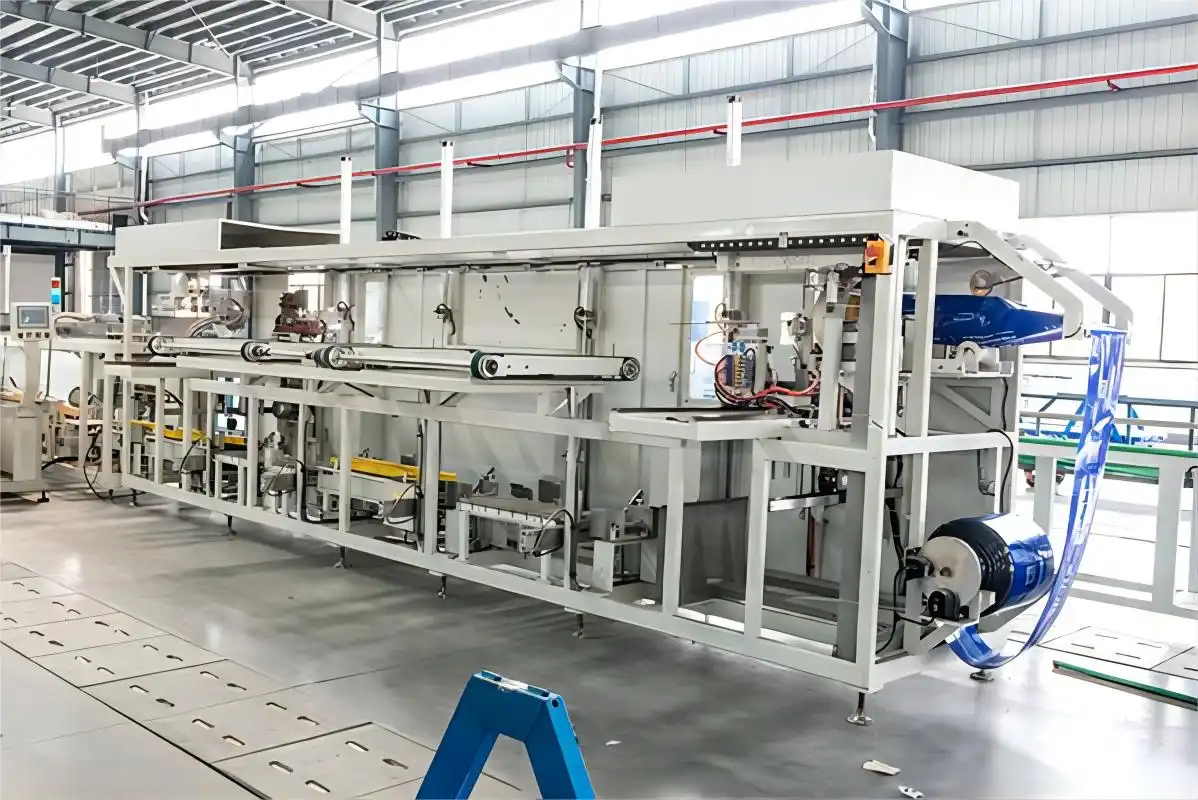
Pipe bundling machines minimize waste through optimized bundling and reduced excess material. Recycling programs for banding materials and reusable banding reduce waste. Proper operator training on efficient bundling techniques further contributes to waste reduction.
Detailed Waste Reduction Strategies
To reduce waste, a comprehensive approach is needed that combines process optimization, material management, and operator training. Specific strategies include:
Optimizing Bundling Patterns
Efficient bundling patterns minimize material usage. By analyzing pipe dimensions and bundling requirements, the most streamlined and effective approaches can be determined.
Reducing Banding Material Width
Using the narrowest banding material possible reduces overall material consumption. It is essential to ensure that the chosen material still provides adequate strength and security.
Closed-Loop Recycling Implementation
Partnering with recycling facilities ensures proper material reuse. Creating a closed-loop system can help to recycle and reuse banding materials effectively.
Waste Audit Example
| Waste Stream | Source | Current Volume (per month) | Potential Reduction Strategies | Estimated Reduction |
|---|---|---|---|---|
| Banding Material | Excess material from bundling process | 300 lbs | Optimize bundling patterns, reduce banding width | 100 lbs |
| Damaged Banding | Machine malfunctions, operator errors | 150 lbs | Implement preventative maintenance program, provide operator training | 75 lbs |
| Packaging Waste | Incoming supplies | 80 lbs | Negotiate with suppliers to reduce packaging, use reusable containers | 40 lbs |
Training and Education
In addition to these strategies, it’s crucial to train operators on efficient bundling techniques. By minimizing errors and waste, companies can ensure a more environmentally responsible process. Training should cover:
- Proper machine operation
- Optimal bundling patterns
- Waste minimization techniques
- Material recycling processes
By implementing these strategies and tracking progress, businesses can significantly reduce waste and improve their operations. This approach is not only environmentally responsible but also economically beneficial, contributing to a more sustainable and profitable business.
4. Life Cycle Assessment (LCA) for Environmental Impact Reduction

A life cycle assessment identifies improvement opportunities throughout the machine’s lifecycle. Quantifying impacts, manufacturers optimize bundling operations, leading to effective carbon footprint reduction and holistic sustainability.
An LCA helps businesses understand the overall environmental consequences. Assessing different stages provides insights into where to focus resources for improvements. Conducting an assessment typically includes:
- Material Sourcing: Assessing the environmental effect of raw extraction and processing.
- Manufacturing: Assessing emissions and the energy consumption linked to machine production.
- Transportation: Measuring transporting the materials and the machine’s carbon footprint.
- Operation: Quantifying usage and energy consumption when the machine is in operation.
- End-of-Life: Assessing the environmental influence of recycling and machine disposal.
Identifying these elements aids manufacturers in pinpointing those that need change and in improving sustainability.
Conclusion
Implementing effective strategies through pipe bundling machines can significantly reduce environmental impact. Focusing on energy efficiency, material use, and waste reduction creates operational and cost benefits. Embracing technology ensures sustainability for businesses and the environment, aligning with long-term environmental goals.








