
How to Optimize Pipe Bundling Machine Performance for Cold Chain Operations?
Maintaining the integrity of pipes in cold chain operations hinges on efficient and reliable bundling. Optimizing pipe bundling machine performance is crucial for preserving product quality and reducing operational costs. This ensures that pipes are securely packaged and protected against environmental factors.
How can pipe bundling machine performance be optimized for cold chain operations? Regular maintenance, proper material selection, and precise adjustments are key. Implementing automated systems, utilizing appropriate strapping materials, and ensuring consistent bundling tension are essential for optimal pipe packaging efficiency.
Let’s delve into specific strategies and techniques to achieve peak performance from your pipe bundling machines, ensuring the safe and efficient transport of pipes within the cold chain. Keep reading to learn more!
1: Understanding the Challenges of Cold Chain Pipe Bundling
Optimizing pipe bundling for cold chain operations involves more than just wrapping pipes together. It requires a deep understanding of the unique challenges presented by low-temperature environments and the need for product integrity.
What are the key challenges in cold chain pipe bundling, and how can they be addressed? The primary concerns revolve around maintaining structural integrity, preventing condensation, and ensuring efficient handling. Addressing these challenges requires careful material selection, precise machine adjustments, and robust bundling techniques.
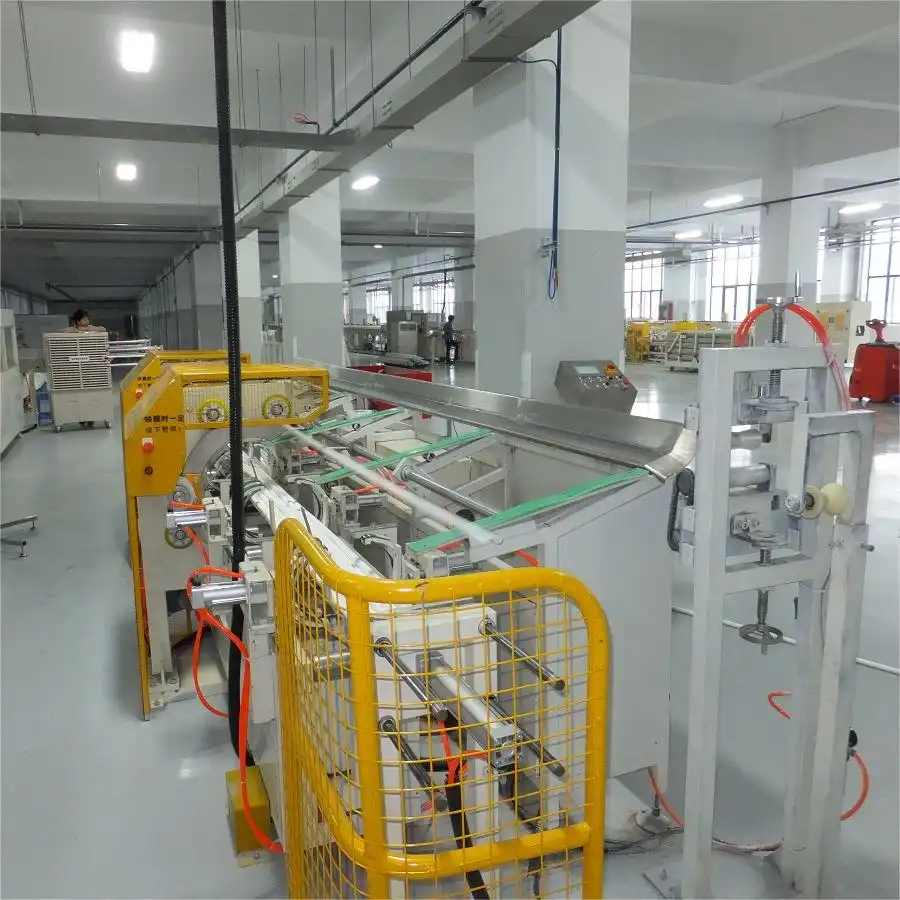
Addressing the Core Challenges of Cold Chain Pipe Bundling
To effectively address the challenges of cold chain pipe bundling, it’s essential to break down the problem into specific areas and develop targeted solutions. This involves understanding the effects of low temperatures on materials, the risks associated with condensation, and the importance of efficient handling procedures.
Material Selection: Choosing the Right Strapping and Wrapping
The materials used for strapping and wrapping play a crucial role in the success of cold chain pipe bundling. Low temperatures can cause certain materials to become brittle, compromising the integrity of the bundle. Choosing materials that remain flexible and strong in cold environments is essential.
| Material | Temperature Range | Advantages | Disadvantages |
|---|---|---|---|
| Polypropylene | -18°C to 120°C | Cost-effective, good tensile strength, resistant to many chemicals | Can become brittle at very low temperatures, susceptible to UV degradation |
| Polyester (PET) | -40°C to 75°C | High tensile strength, excellent impact resistance, good chemical resistance | More expensive than polypropylene, can be affected by strong alkalis |
| Steel | -50°C to 800°C | Extremely high tensile strength, durable, resistant to extreme conditions | High cost, potential for corrosion, can damage pipe surfaces |
| Cold-Resistant Film | -30°C to 60°C | Flexible, waterproof, provides insulation | Lower tensile strength compared to strapping materials |
Condensation Prevention: Protecting Pipes from Moisture Damage
Condensation can form on pipes when they are exposed to temperature changes, leading to corrosion and damage. Proper ventilation and the use of moisture-absorbing materials can help prevent condensation.
- Ventilation: Ensuring adequate airflow around the bundled pipes can help prevent moisture buildup.
- Desiccants: Including desiccant packs within the bundle can absorb moisture and maintain a dry environment.
- Waterproof Wrapping: Using waterproof wrapping materials can protect the pipes from external moisture sources.
Efficient Handling: Streamlining the Bundling Process
Efficient handling is crucial for minimizing the time pipes spend in cold storage and reducing the risk of damage during transport. This involves optimizing the bundling process to ensure speed, accuracy, and stability.
- Automated Systems: Implementing automated bundling systems can increase speed and reduce labor costs.
- Ergonomic Design: Designing bundling equipment with ergonomics in mind can improve worker safety and efficiency.
- Clear Labeling: Clearly labeling bundles with information such as pipe type, size, and destination can streamline the handling process.
By carefully considering these factors and implementing targeted solutions, you can overcome the challenges of cold chain pipe bundling and ensure the safe and efficient transport of pipes.
2: Machine Calibration and Maintenance for Cold Environments
The reliable performance of pipe bundling machines in cold chain operations is intrinsically linked to precise calibration and consistent maintenance. Extreme temperatures can significantly impact machine components, necessitating proactive measures.
How does temperature affect pipe bundling machines and what calibration and maintenance steps are necessary? Cold temperatures can alter material properties of machine components, leading to inaccuracies in tension and alignment. Regular checks, lubrication with cold-resistant greases, and adjustments for thermal expansion are vital.
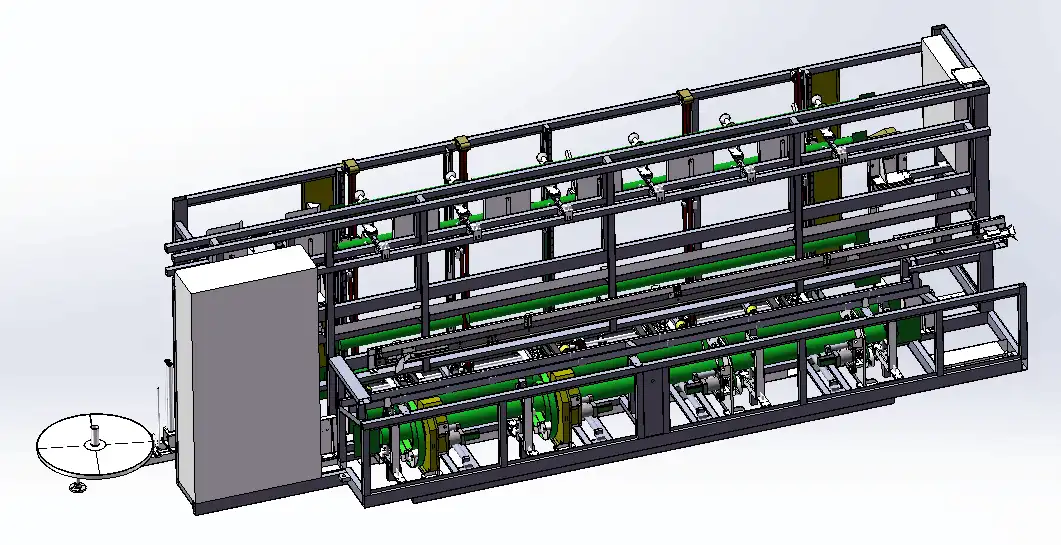
Fine-Tuning Your Machine for Cold Chain Reliability
Maintaining optimal performance in cold environments involves a multifaceted approach that addresses both the immediate and long-term effects of low temperatures on machine functionality.
- Regular Inspections: Conduct frequent visual inspections to identify signs of wear, damage, or misalignment. Pay close attention to components that are directly exposed to the cold, such as sensors, motors, and sealing mechanisms.
- Lubrication: Use cold-resistant lubricants specifically designed for low-temperature applications. These lubricants maintain their viscosity and prevent components from seizing up in the cold.
- Sensor Calibration: Calibrate sensors regularly to ensure accurate readings. Temperature fluctuations can affect sensor accuracy, leading to errors in tension control and bundle alignment.
- Thermal Expansion: Account for thermal expansion when adjusting machine settings. Materials contract in cold temperatures, which can affect the tightness of the bundling and the overall stability of the bundle.
- Software Updates: Keep machine software up to date to take advantage of the latest performance enhancements and bug fixes.
- Training: Provide operators with specialized training on how to operate and maintain the machine in cold environments.
3: Selecting the Right Strapping Materials for Cold Storage
Choosing the right strapping material is paramount in cold chain operations. The strapping must withstand the rigors of low temperatures, maintaining its integrity and ensuring the pipes remain securely bundled throughout the supply chain.
What strapping materials are best suited for cold storage, and why? Polyester (PET) and steel strapping are excellent choices due to their high tensile strength and resistance to low-temperature embrittlement. Polypropylene is less suitable as it can become brittle.
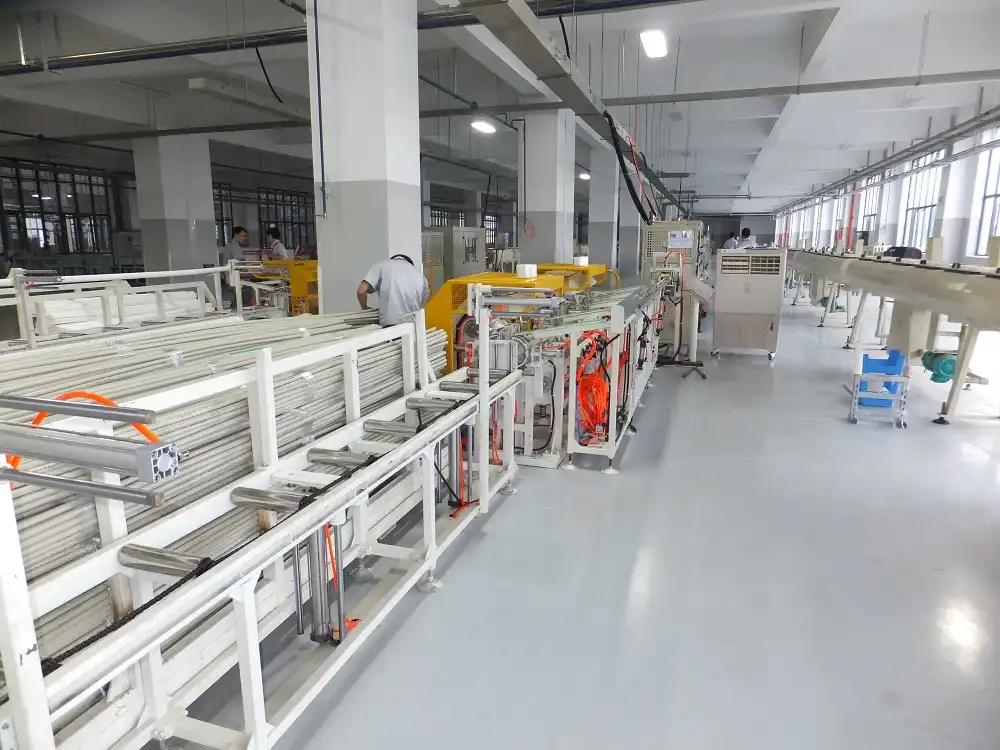
Evaluating Strapping Material Performance in Cold Conditions
Selecting the best strapping material for cold chain operations requires a thorough understanding of the properties of each material and how they perform under low-temperature conditions. The following table provides a detailed comparison of common strapping materials:
| Material | Tensile Strength | Temperature Resistance | Flexibility | Cost | Applications |
|---|---|---|---|---|---|
| Polypropylene | Low | Poor | Good | Low | Light-duty bundling, non-critical applications |
| Polyester (PET) | High | Excellent | Moderate | Moderate | Medium to heavy-duty bundling, cold chain |
| Steel | Very High | Excellent | Low | High | Heavy-duty bundling, extreme conditions |
Factors Influencing Strapping Material Selection
In addition to material properties, several other factors should be considered when selecting strapping materials for cold chain operations:
- Pipe Weight and Dimensions: The weight and dimensions of the pipes being bundled will influence the required tensile strength of the strapping material.
- Transportation Method: The method of transportation (e.g., truck, rail, ship) will impact the level of stress the bundles are subjected to.
- Storage Conditions: The storage conditions (e.g., temperature, humidity) will affect the long-term performance of the strapping material.
By carefully considering these factors and selecting the appropriate strapping material, you can ensure that your pipe bundles remain secure and protected throughout the cold chain.
4: Automation and Technology Integration for Enhanced Efficiency
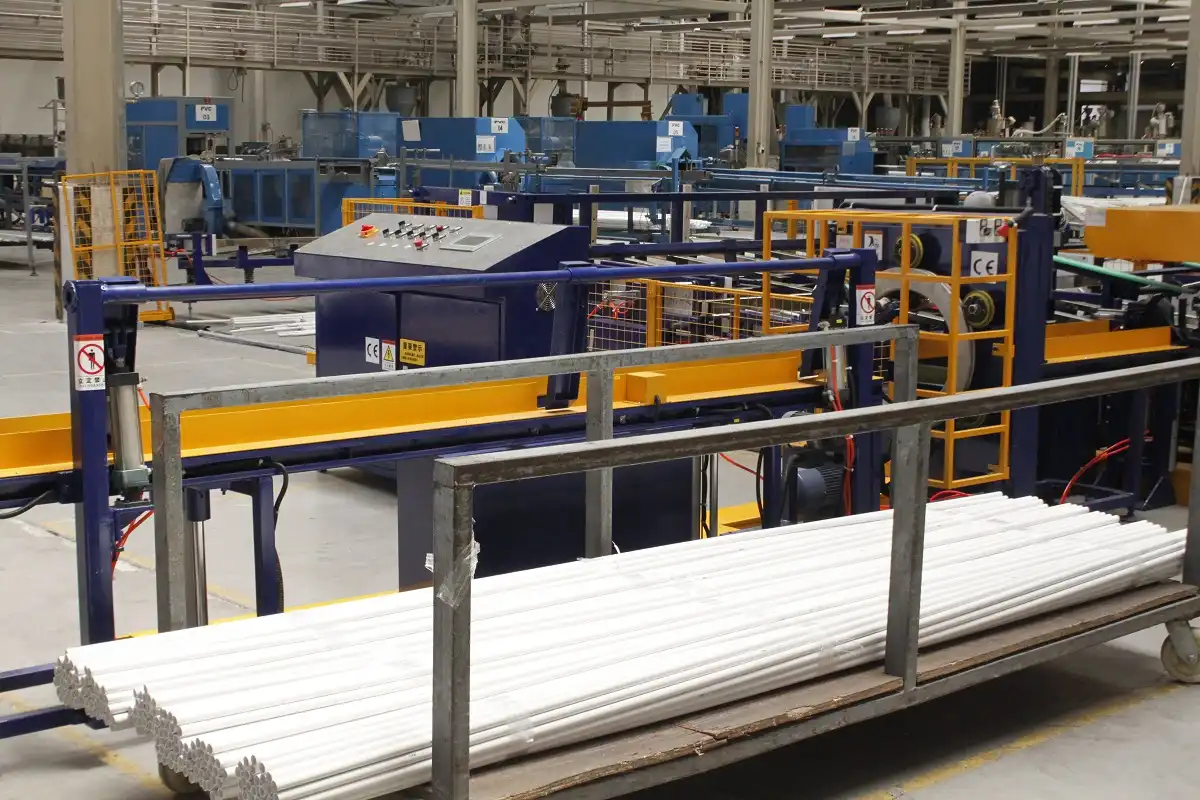
Automation and technological advancements are revolutionizing the efficiency of pipe bundling processes. Implementing these innovations can lead to significant improvements in speed, accuracy, and overall operational effectiveness.
How can automation and technology integration improve pipe bundling machine performance? Automated systems reduce manual labor, minimize errors, and increase throughput. Integrating sensors and data analytics provides real-time monitoring and optimization.
Automated pipe bundling machines, equipped with advanced sensors and control systems, can streamline the entire process. These systems can automatically detect pipe dimensions, adjust strapping tension, and ensure consistent bundle quality. The benefits of automation include reduced labor costs, increased production speed, and improved worker safety. Furthermore, incorporating data analytics allows for real-time monitoring of machine performance, enabling proactive maintenance and optimization. This results in minimized downtime and maximized efficiency, critical for meeting the demands of cold chain operations.
Conclusion
Optimizing pipe bundling machine performance for cold chain operations demands a holistic approach. Selecting robust materials, ensuring precise machine calibration, and integrating automation are vital. This guarantees pipe integrity, reduces costs, and enhances overall efficiency in demanding environments.








