
How to Enhance Pipe Bundling Machine Performance with Energy-Efficient Motors?
Upgrading pipe bundling machines with energy-efficient motors drastically cuts energy consumption. This improvement lowers operational costs and supports environmental sustainability. Optimizing performance ensures reliability and precision.
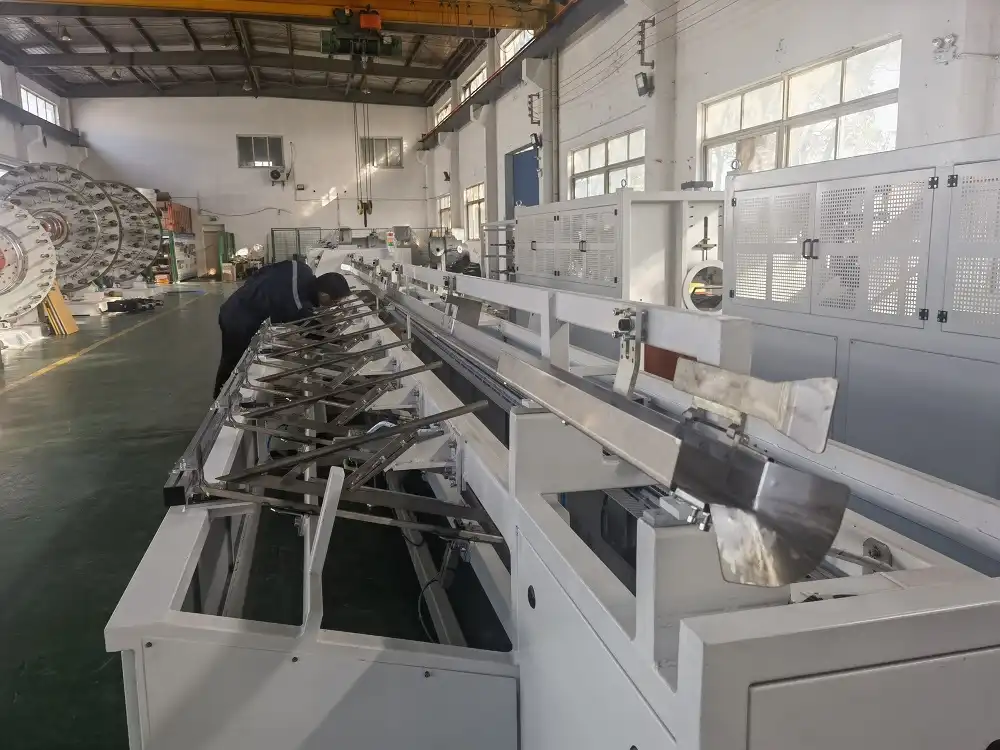
To enhance pipe bundling machine performance, replace traditional motors with energy-efficient ones like servo motors. These motors reduce energy waste during operation and idle times. Implement smart automation and maintain machinery to boost productivity and cut energy consumption. Upgrading ensures reliable, tailored, and energy-saving solutions.
Optimizing your pipe bundling machine’s performance with energy-efficient motors is not just about cutting costs, it’s about future-proofing your operations. Let’s delve into how to achieve this effectively.
1. Selecting the Right Energy-Efficient Motor
Choosing the correct motor is essential for optimizing energy use and maximizing your pipe bundling machine’s performance. Servo motors and other high-efficiency options can make a significant difference.
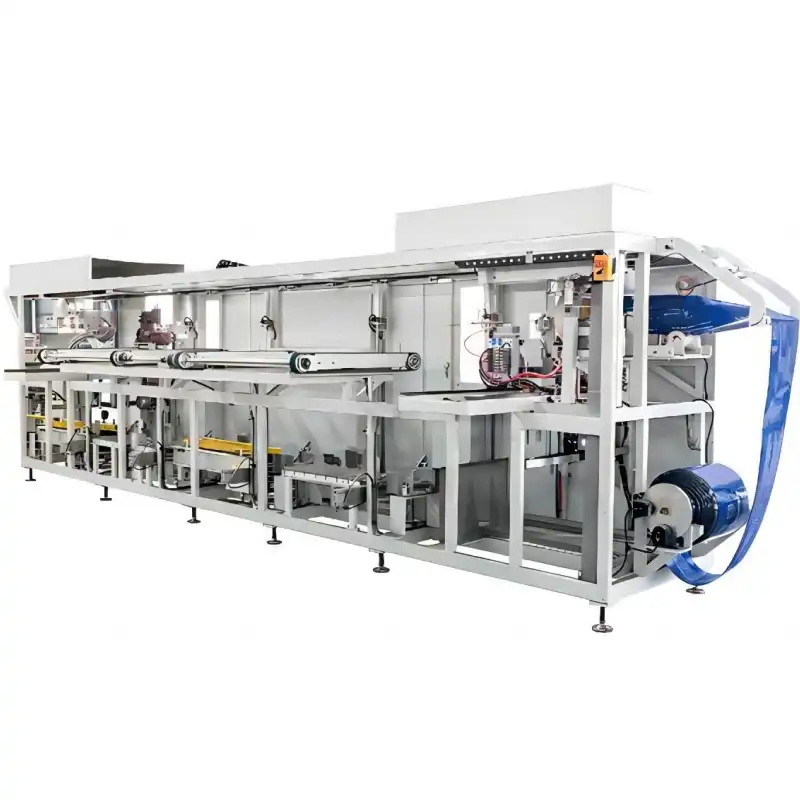
Upgrading to energy-efficient motors, such as servo motors, drastically reduces energy consumption in pipe bundling machines. Servo motors offer precise control and minimize energy waste, especially during idle periods. Optimize machine settings and ensure regular maintenance for enhanced performance and long-term energy savings. This will improve efficiency and reduce operational costs.
Optimizing Motor Performance: A Deep Dive
Selecting an energy-efficient motor is just the first step. To truly maximize your investment, you need to understand how to optimize its performance within the pipe bundling machine’s operational context. This requires considering factors such as load matching, speed control, and maintenance practices. Let’s explore these aspects in detail.
Load Matching and Motor Sizing
An oversized motor operating at light loads is notoriously inefficient. Conversely, an undersized motor will struggle, leading to overheating and premature failure. Proper motor sizing and load matching are crucial for energy efficiency. The key is to select a motor that operates near its peak efficiency point most of the time.
Consider these questions:
- What is the typical load profile of the pipe bundling machine?
- What are the peak load demands?
- What is the operating speed range?
Analyzing these factors will help you choose a motor with the appropriate horsepower and torque characteristics.
Advanced Speed Control Strategies
Traditional on/off control wastes energy as the motor constantly accelerates and decelerates. Variable Frequency Drives (VFDs) offer a more sophisticated approach.
VFDs allow you to precisely control the motor’s speed, matching it to the exact requirements of the bundling operation. This eliminates wasteful energy consumption during periods of reduced load or when the machine is idle. Furthermore, VFDs can provide soft starting, reducing stress on the motor and mechanical components, extending their lifespan.
Proactive Maintenance for Sustained Efficiency
Even the most efficient motor will degrade over time if not properly maintained. A proactive maintenance program is essential for sustaining peak performance and preventing costly breakdowns.
Key maintenance practices include:
- Regular lubrication to reduce friction
- Periodic inspections for signs of wear and tear
- Monitoring motor temperature to identify potential problems
- Cleaning the motor to prevent overheating
- Checking and tightening electrical connections to minimize energy losses
By implementing these maintenance practices, you can ensure that your energy-efficient motor continues to deliver optimal performance for years to come.
Data-Driven Performance Analysis
Modern motor control systems offer real-time data on energy consumption, motor speed, and torque. Analyzing this data can provide valuable insights into the motor’s performance and identify opportunities for further optimization.
For example, you might discover that the motor is frequently operating at less than 50% of its rated capacity, indicating that a smaller motor could be used without sacrificing performance. Or, you might identify periods of excessive energy consumption that can be addressed through adjustments to the bundling process.
Here’s a breakdown to help you understand better:
| Factor | Traditional Motor | Energy-Efficient Motor with VFD |
|---|---|---|
| Energy Consumption | High, especially during idle periods | Significantly lower, adjusts to demand |
| Speed Control | Limited | Precise and adjustable |
| Maintenance Needs | Regular, frequent | Less frequent, condition-based |
| Lifespan | Shorter | Longer |
By leveraging data-driven insights, you can continuously fine-tune your motor’s performance and maximize energy savings.
2. Implementing Smart Automation for Reduced Consumption
Automation reduces manual intervention, ensuring consistent operation and optimized Pipe bundling machine energy efficiency. Smart systems minimize material waste and energy expenditure.
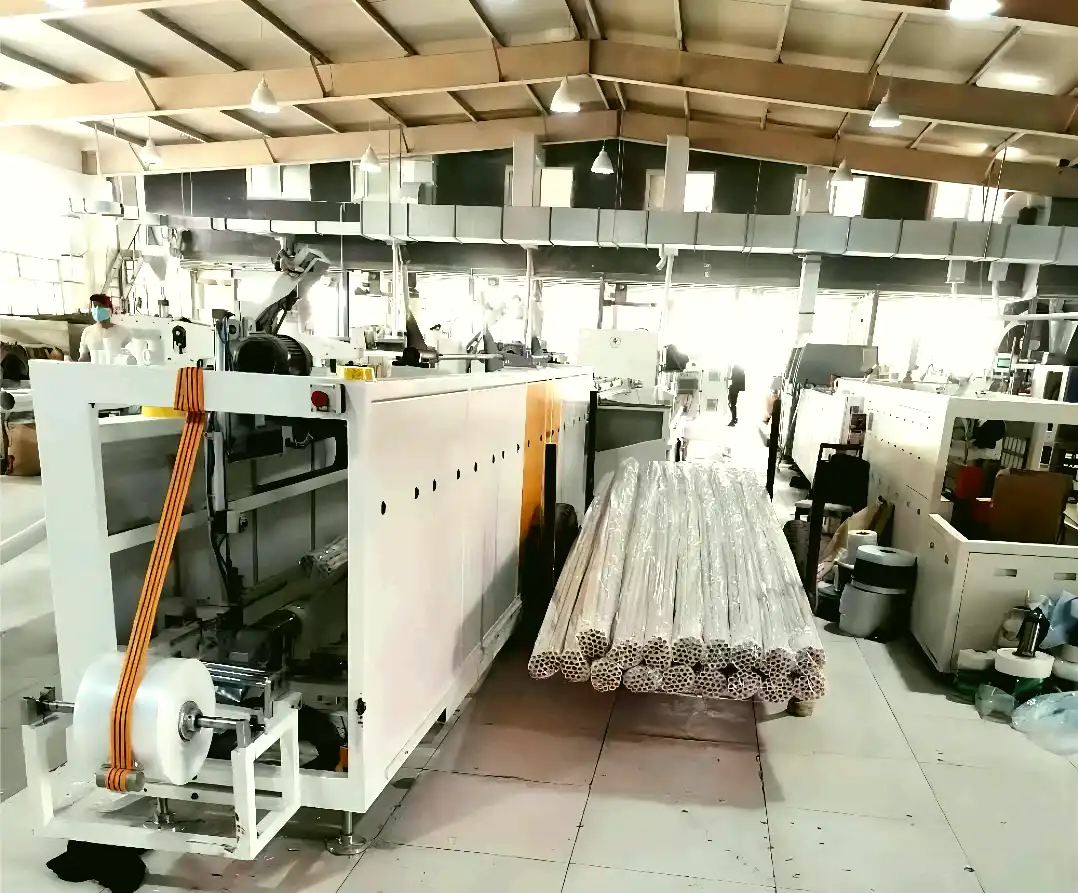
Smart automation is crucial for reducing energy consumption in pipe bundling machines. Automating material handling and integrating precise control systems optimize workflow. Features like automated sealing and cutting reduce energy waste. Implement automated packaging to streamline processes and minimize human error, leading to significant energy savings.
Enhancing Automation: Key Technological Advancements
To optimize your pipe bundling machine’s efficiency via automation, consider the latest advancements. These innovations minimize material waste, reduce energy usage, and streamline processes, enhancing overall productivity.
Integrated Control Systems
Integrated control systems manage and optimize various machine components, from motors to conveyors. These systems use sensors and feedback loops to ensure each part works harmoniously, minimizing energy waste and enhancing throughput. They can automatically adjust settings based on real-time data, optimizing performance under varying load conditions.
Precision Sensors and Actuators
Advanced sensors and actuators improve automation accuracy. These components enable the machine to handle materials more precisely, reducing errors and waste. For instance, laser sensors can accurately measure pipe dimensions, ensuring the right amount of bundling material is used, reducing waste and saving energy.
Real-time Monitoring and Optimization
Real-time monitoring systems track energy usage, material flow, and machine performance. This data informs operators and automated systems, enabling quick adjustments to optimize efficiency. Predictive maintenance features use this data to foresee potential issues, reducing downtime and maintaining optimal operation.
Here’s a comparison to better illustrate automation:
| Feature | Manual System | Automated System |
|---|---|---|
| Energy Usage | High, inconsistent | Lower, optimized |
| Material Waste | High | Reduced |
| Operational Efficiency | Low | High |
Robotics in Material Handling
Incorporating robotic arms and automated guided vehicles (AGVs) reduces manual handling. Robots can load and unload pipes precisely, reducing the risk of damage and material waste. AGVs optimize material flow, ensuring the machine is continuously fed with materials, minimizing idle time and maximizing output.
These technological advancements transform pipe bundling machines, significantly reducing energy consumption and improving overall operational efficiency.
3. Optimizing the Bundling Process and Materials
The bundling process and the materials used can significantly affect energy consumption. Selecting efficient methods and materials lowers energy use and reduces waste.
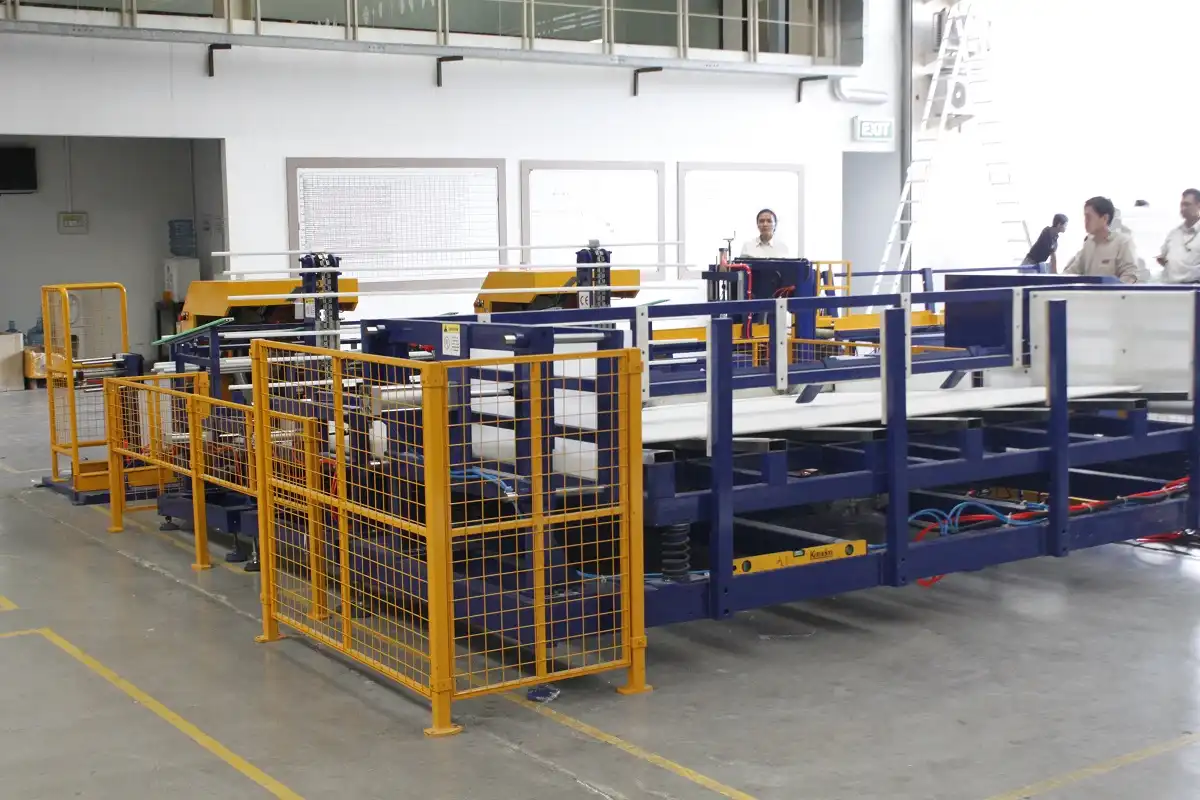
Optimize the bundling process and materials to cut down on energy consumption. Use materials that require less energy for sealing and bundling. Minimize material waste through optimized tension control and precise cutting. By selecting energy-efficient materials and processes, you can greatly reduce the energy footprint of pipe bundling.
Streamlining Bundling for Efficiency
To enhance efficiency in the bundling process, it’s essential to examine material selection, tension control, and cutting mechanisms. These areas significantly impact energy consumption and waste reduction.
Selecting Energy-Efficient Bundling Materials
Choosing the right bundling materials is critical for minimizing energy use. Opt for materials that are lightweight yet strong enough to secure the pipes without excessive usage. Consider materials such as recyclable plastics or bio-based options to reduce environmental impact further.
Tension Control
Proper tension control ensures that bundling materials are applied uniformly without over-tightening. Advanced tension control systems maintain consistent material usage, reducing waste and the energy needed for adjustments. These systems improve the stability of the bundled pipes, minimizing damage during handling and transport.
| Feature | Inefficient Bundling | Efficient Bundling |
|---|---|---|
| Material Usage | Excessive, uneven | Optimized, uniform |
| Energy Consumption | High due to adjustments | Low, consistent |
| Material Waste | Significant | Minimal |
Optimized Cutting Mechanisms
Efficient cutting mechanisms reduce material waste by ensuring precise cuts. Servo-driven cutters provide accurate control, minimizing excess material and the energy needed for adjustments. These systems enhance overall efficiency and ensure consistent packaging.
Alternative Processes
While traditional bundling may use heat sealing or other energy-intensive processes, exploring alternative methods like cold sealing or banding can save energy. These processes either reduce or eliminate the need for heat, lowering energy consumption significantly.
By optimizing the bundling process and materials, you can reduce energy use, minimize waste, and improve the overall efficiency of your pipe bundling operations.
4. Regular Maintenance and Upgrades
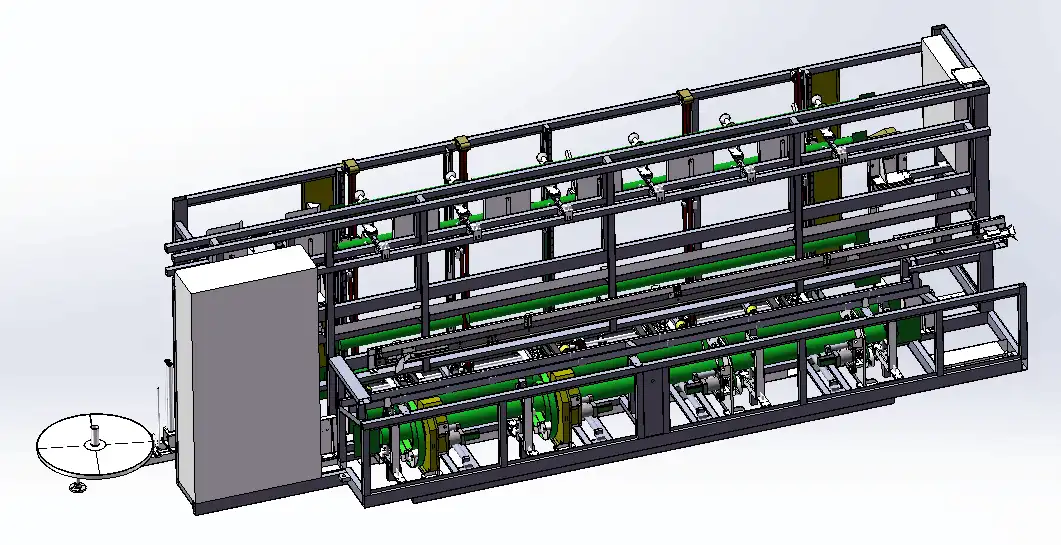
Regular maintenance and strategic upgrades ensure continued performance and energy efficiency in pipe bundling machines. Consistent care and timely improvements prevent energy waste and prolong the machine’s lifespan.
Consistent maintenance and timely upgrades are vital for sustaining optimal energy efficiency. Regular inspections, lubrication, and part replacements maintain machine health. Upgrading to modern, energy-efficient components and systems can provide long-term savings and performance enhancements. Proactive maintenance and upgrades ensure sustained energy efficiency and productivity.
Staying ahead in pipe bundling efficiency demands diligent maintenance practices and thoughtfully planned upgrades. Here’s how to ensure your equipment remains in peak condition, optimizing performance and conserving energy.
Scheduled Maintenance: Preventative Care for Prolonged Efficiency
Establishing a regular maintenance schedule is paramount for any pipe bundling machine. It’s not just about fixing problems as they arise; it’s about preventing those problems from occurring in the first place. Consider these key areas:
-
Lubrication: Moving parts need regular lubrication to minimize friction and reduce energy consumption. A well-lubricated machine runs smoother and more efficiently.
-
Inspection: Routinely inspect components for wear and tear. Catching and replacing worn parts early prevents more significant issues and keeps the machine running optimally.
-
Cleaning: Dust, debris, and material buildup can impede machine performance. Regularly clean the machine to ensure proper function and airflow, preventing overheating.
-
Component Upgrade Feasibility: Assess whether upgrading certain components can lead to significant efficiency gains.
-
Budget Allocation: Plan and allocate a budget specifically for upgrades to avoid delays in implementation.
-
Compatibility: Ensure any upgrades are fully compatible with your existing system to avoid operational disruptions.
| Maintenance Task | Frequency | Benefit |
|---|---|---|
| Lubrication | Weekly | Reduces friction, saves energy |
| Component Check | Monthly | Prevents breakdowns, extends lifespan |
| System Cleaning | Quarterly | Maintains airflow, prevents overheating |
This comprehensive approach ensures your pipe bundling machine operates at its best, conserving energy and reducing downtime.
Conclusion
Enhancing pipe bundling machine performance with energy-efficient motors combines strategic upgrades, smart automation, and streamlined processes. Transitioning to servo motors, optimizing bundling materials, and enforcing regular maintenance are crucial. These actions not only cut energy consumption but also boost productivity. Implementing these strategies ensures a sustainable and cost-effective future for pipe bundling operations.








