
What Are the Challenges of Implementing PVC Pipe Bagging Machines?
Implementing PVC pipe bagging machines presents a series of challenges, from ensuring system compatibility to addressing mechanical and electrical integration hurdles. Overcoming these obstacles is vital for achieving efficient and productive plastic packaging solutions. Careful planning and execution are key to successful implementation.
Implementing PVC pipe bagging machines faces challenges like mechanical compatibility, electrical and control system integration, and adherence to integration guidelines. These machines package PVC pipes efficiently, reducing labor costs and increasing throughput. However, integration with existing systems requires careful assessment of space, power, and software compatibility. Addressing these challenges ensures seamless operation and maximizes productivity.
Integrating a PVC pipe bagging machine into your production line is a significant step toward automation and efficiency. However, it’s crucial to anticipate and address potential challenges to ensure a smooth and successful implementation. Let’s delve into the key areas where difficulties often arise.
1. Mechanical Compatibility: The Foundation of Seamless Integration
A smooth integration hinges on ensuring the new PVC pipe bagging machine aligns physically with your existing setup. Mechanical compatibility is about more than just fitting the machine into the available space; it’s about ensuring it enhances the overall flow and efficiency of your production line.
Mechanical compatibility for PVC pipe bagging machines involves ensuring the new machine physically fits and aligns with existing conveyors and transfer systems. Key considerations include available space, conveyor heights, and pipe transfer mechanisms. Verifying these aspects minimizes disruptions and ensures a seamless flow of materials through the production line.
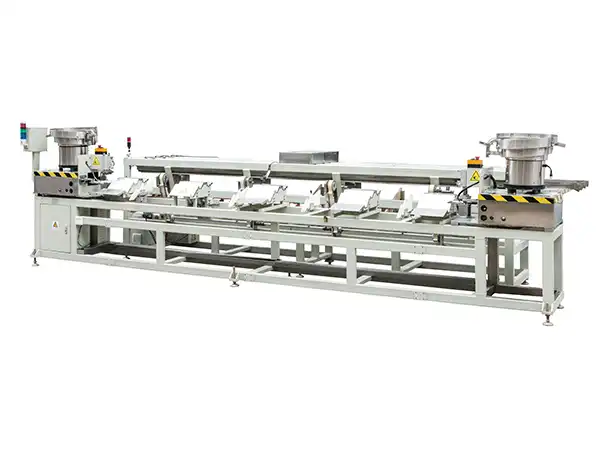
1. 1 Physical Dimensions and Space Constraints
The first hurdle is the physical integration of the new machine. Consider the following:
- Machine Footprint: Accurately measure the length, width, and height of the machine to ensure it fits within the designated area.
- Operational Space: Allocate sufficient space around the machine for operators to move freely, access controls, and perform routine maintenance.
- Safety Clearances: Ensure adequate safety clearances around moving parts and emergency stops to prevent accidents.
- Existing Layout: Analyze existing layouts and find a way to make the machines fit without hindering production operations.
Space constraints are very common, especially in already established production facilities. Reconfiguring the existing layout may be necessary. Consider vertical integration or opt for a more compact machine design.
1. 2 Conveyor and Transfer System Alignment
Seamless operation depends on the alignment of the new machine with existing conveyors and transfer systems. Key factors to consider include:
- Height Alignment: Verify that the infeed and outfeed heights of the new machine match those of the existing conveyors. Discrepancies can lead to jams, damage pipes, and disrupt the flow.
- Transfer Mechanisms: Evaluate transfer mechanisms like roller conveyors, belt conveyors, or pneumatic systems. Ensure these are compatible with the new machine and can handle the range of PVC pipe diameters and weights.
- Pipe Diameter and Weight: Ensure the transfer system can handle the range of PVC pipe diameters and weights that your facility processes. Overloading the system can lead to failures.
Misalignment of conveyors often occurs. Use adjustable conveyor sections to fine-tune height and alignment. Custom-built transfer sections can bridge significant gaps.
1. 3 Material Handling and Support
Proper material handling and support are essential to prevent damage and ensure consistent feeding. This includes:
- Infeed and Outfeed Support: Adequate support structures prevent pipes from sagging or bending as they enter and exit the machine.
- Cushioning and Protection: Implement cushioning materials or mechanisms to prevent scratches or damage to the pipes during handling.
- Jam Detection: Integrate sensors and jam detection systems to automatically stop the machine in case of issues, preventing further damage.
Pipe damage during transfer is a common issue. Implement cushioned transfer mechanisms, reduce transfer speeds, and ensure smooth transitions.
Even with careful planning, challenges may arise during mechanical integration. Here’s a table summarizing common issues and solutions:
| Challenge | Solution |
|---|---|
| Misalignment of Conveyors | Use adjustable conveyor sections to fine-tune height and alignment. Consider custom-built transfer sections to bridge significant gaps. |
| Space Constraints | Reconfigure the existing layout, explore vertical integration, or opt for a more compact machine design. |
| Pipe Damage During Transfer | Implement cushioned transfer mechanisms, reduce transfer speeds, and ensure smooth transitions. |
| Inconsistent Pipe Feeding | Install sensors to detect pipe presence and adjust feeding speeds. Implement a buffer system to ensure a consistent supply of pipes. |
2. Electrical and Control System Integration: Harmonizing the Machine’s Brain
Electrical and control systems ensure the new machine can communicate effectively with existing systems for seamless operation. A PVC pipe bagging machine’s electrical and control systems must integrate with existing infrastructure to avoid operational conflicts and maximize efficiency.
Electrical and control system compatibility ensures the new PVC pipe bagging machine can communicate with existing systems. It involves matching voltage, current, and wiring configurations, as well as synchronizing communication protocols and software. Proper integration minimizes conflicts and ensures a harmonized, efficient production line.
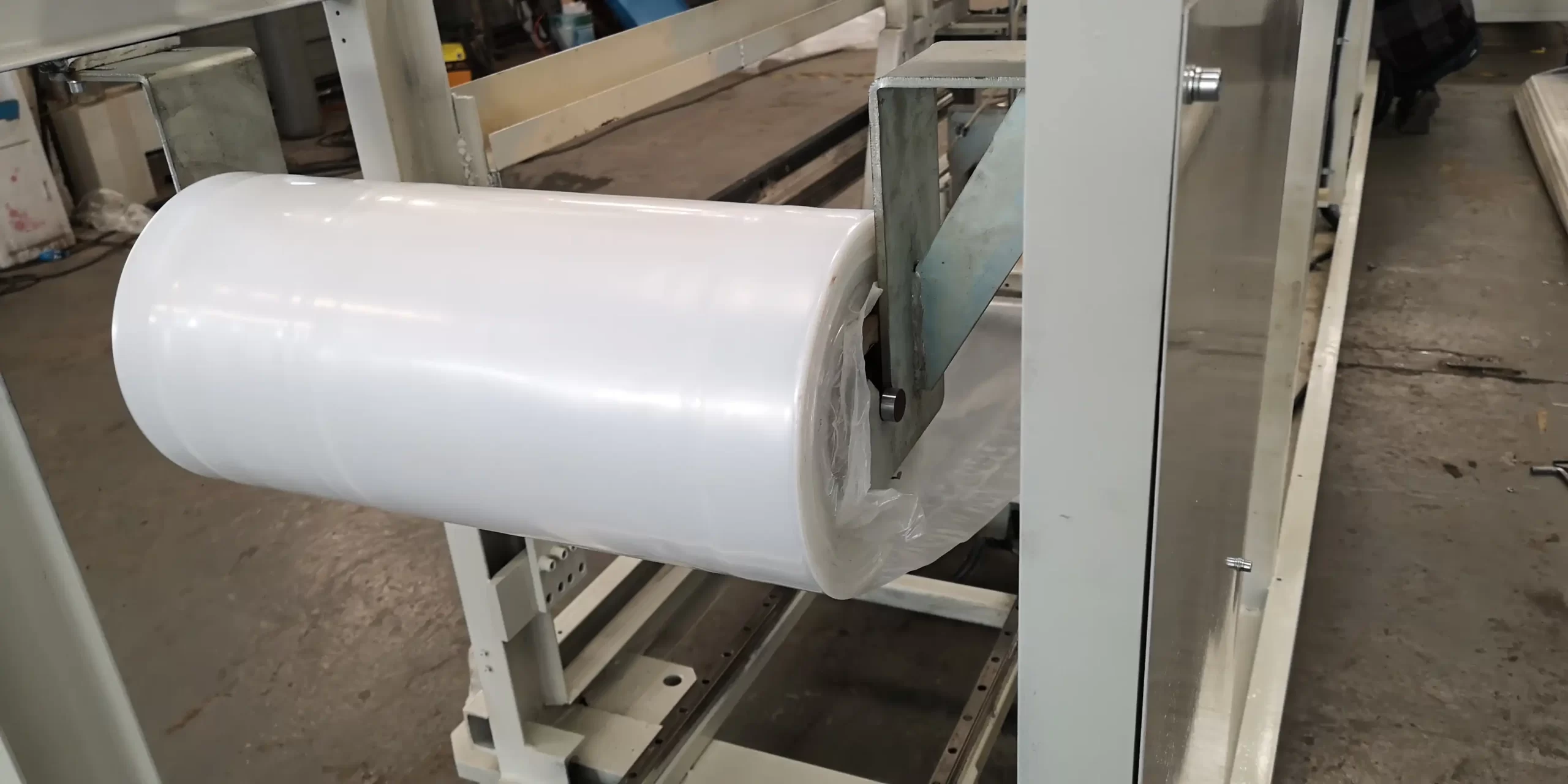
Ensuring Seamless Electrical and Control System Integration
A PVC pipe bagging machine’s electrical and control systems must integrate with existing infrastructure to avoid operational conflicts and maximize efficiency. This involves careful consideration of power requirements, communication protocols, and software compatibility.
-
Voltage Compatibility: Confirm the machine’s voltage prerequisites (e.g., 220V, 480V) and guarantee they match your facility’s electric supply. Installing a transformer can be necessary if there’s a mismatch.
-
Current Capacity: Check the machine’s modern draw and make certain your electric circuits can handle the load. Overloading circuits can cause breakers to trip or, worse, electric fires.
-
Wiring Configurations: Confirm the wiring configurations (e.g., three-phase, single-phase) are compatible. Incorrect wiring can damage the machine.
-
Safety Compliance: Ensure the machine meets all relevant electric safety standards (e.g., UL, CE). Look for certifications that guarantee adherence to those standards.
-
Communication Protocols: Identify the communication protocols utilized by your current systems (e.g., Ethernet/IP, Profinet, Modbus). The brand new machine’s controller should support these protocols for seamless facts exchange.
-
Software Compatibility: Make certain the brand new machine’s software is well matched together along with your current Manufacturing Execution System (MES) or Enterprise Resource Planning (ERP) systems. Information synchronization is essential for monitoring performance and tracking production.
-
PLC Integration: Programmable Logic Controllers (PLCs) frequently manipulate automatic systems. In case your facility makes use of PLCs, make certain the brand new machine may be included into the PLC network.
-
Sensor Synchronization: Integrate sensors to offer actual-time feedback and coordination among the brand new and current machines. This could optimize cloth float and save you bottlenecks.
-
Surge Suppressors: Set up surge suppressors to protect sensitive digital components from voltage spikes.
-
Voltage Regulators: Use voltage regulators to stabilize voltage levels, particularly in regions with unreliable power.
-
Emergency Power-Off (EPO) Systems: Integrate the brand new machine into your facility’s EPO system for quick and safe shutdowns during emergencies.
Here’s a breakdown of integration challenges and solutions in table:
| Challenge | Solution |
|---|---|
| Protocol Mismatches | Use protocol converters or gateways to translate between different communication protocols. Work with a qualified integrator to configure these devices properly. |
| Software Incompatibilities | Update existing software to support the new machine, or use middleware to bridge the gap. Custom software development may be necessary in some cases. |
| Electrical Overloads | Upgrade electrical circuits or distribute the load. Consult with an electrical engineer to ensure your facility’s electrical system can handle the new machine’s power requirements. |
| Interference Issues | Use shielded cables and filters to minimize electromagnetic interference (EMI). Ensure proper grounding to prevent ground loops. |
By meticulously addressing these electrical and control system aspects, you can achieve a fully integrated and efficient PVC pipe bagging operation, minimizing downtime and maximizing throughput.
3. Adhering to Integration Guidelines: Best Practices for a Smooth Transition
Compatibility extends beyond technical specifications, emphasizing best practices and guidelines for a streamlined integration process. Adhering to specific guidelines is essential to guarantee the successful integration of a PVC pipe bagging machine.
Following integration guidelines ensures a smooth implementation of PVC pipe bagging machines. These guidelines include pre-installation checks, sequential implementation, thorough testing, and detailed documentation. Adhering to these practices helps manage risks, ensures quality, and provides a clear reference for future maintenance and upgrades. A proactive approach ensures streamlined integration.
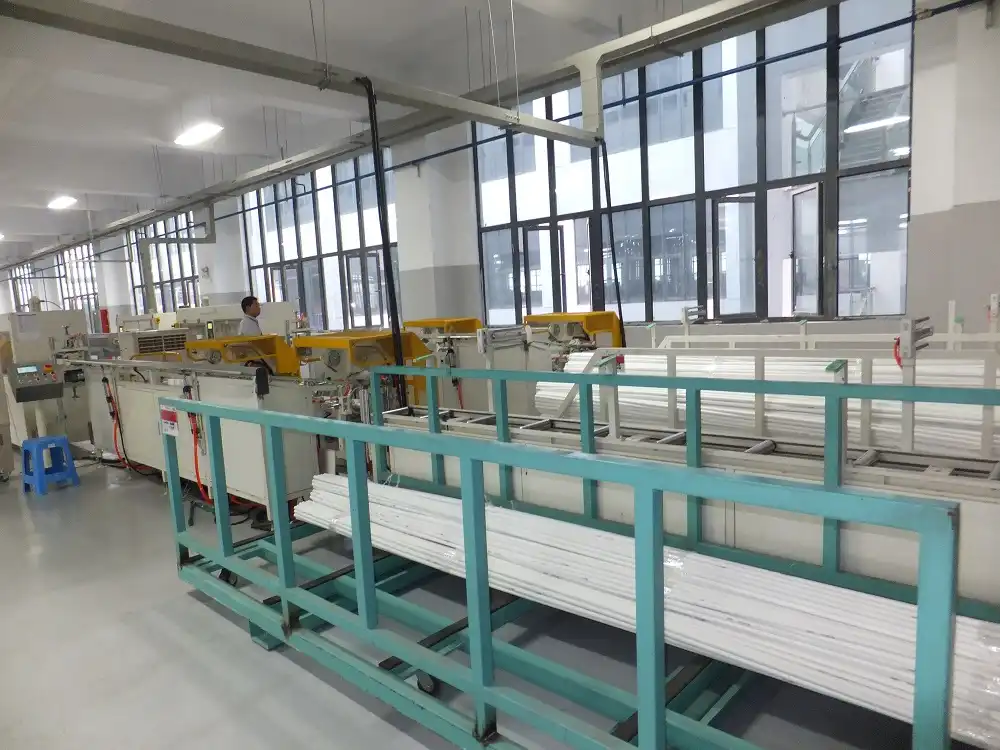
Streamlining Integration Through Strategic Guidelines
To guarantee the successful integration of a PVC pipe bagging machine, adhering to specific guidelines is essential. These guidelines encompass careful planning, structured implementation, rigorous testing, and meticulous documentation.
-
Detailed Site Survey: Conduct a detailed site survey to identify any physical constraints, electrical infrastructure limitations, or environmental factors that may impact the installation.
-
Compatibility Checklists: Develop checklists to verify the compatibility of all mechanical, electrical, and software interfaces.
-
Risk Assessment: Perform a risk assessment to identify potential integration challenges and develop mitigation strategies.
-
Preparation: Prepare the site, including any necessary modifications to the layout, electrical systems, or support structures.
-
Installation: Install the machine according to the manufacturer’s specifications.
-
Testing: Conduct initial testing to verify basic functionality.
-
Integration: Integrate the machine with existing systems.
-
Optimization: Fine-tune the machine settings and system parameters to achieve optimal performance.
-
Functional Testing: Verify that all machine functions are operating correctly.
-
Performance Testing: Evaluate the machine’s performance under load, including throughput, accuracy, and efficiency.
-
Integration Testing: Test the integration with existing systems to ensure seamless communication and data exchange.
-
Stress Testing: Subject the machine to prolonged periods of operation to identify potential weaknesses or failure points.
-
Detailed Manuals: Ensure comprehensive operation, maintenance, and troubleshooting manuals are available.
-
Training Programs: Conduct training programs for operators and maintenance staff to ensure they are proficient in using and maintaining the machine.
-
Version Control: Implement version control for software and configurations to manage changes and prevent compatibility issues.
Here’s an example scenario that has happened previously: A company is integrating a new PVC pipe bagging machine into an existing production line. By meticulously following these guidelines, they can ensure a smooth transition and maximize the benefits of the new technology.
First, they conduct a site survey to identify a potential height difference between the existing conveyor system and the new machine. To address this, they plan for a height-adjustable conveyor section to bridge the gap. Secondly, the test phase confirmed a software incompatibility, and it was resolved before integration.
| Phase | Activities |
|---|---|
| Pre-Installation | Site survey, compatibility checklists, risk assessment |
| Sequential | Preparation, installation, testing, integration, optimization |
| Comprehensive Testing | Functional, performance, integration, stress testing |
| Documentation & Training | Manuals, training programs, version control |
4. Ensuring Longevity: The Importance of Regular Maintenance
To keep your PVC pipe bagging machine running smoothly, regular maintenance is essential. These practices support a continuous output and prevent disruptions. If there are maintenance protocols available, it’s important to know how to go about performing them.
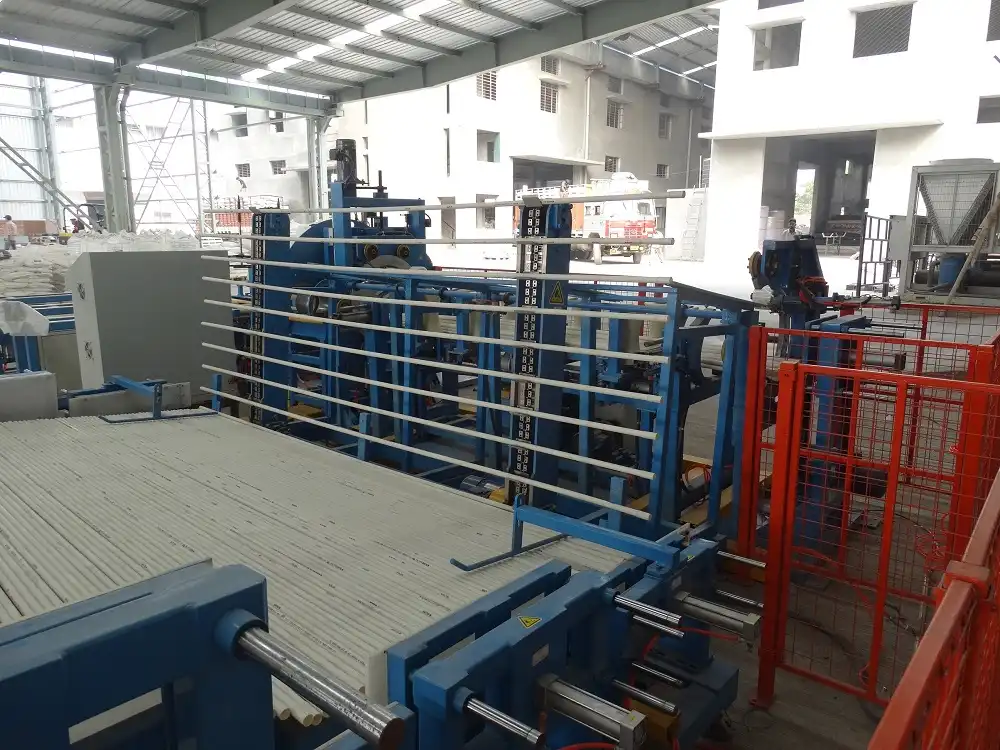
Maintenance is important because it enhances machine reliability and extends the service life. Regular inspections, lubrication, and component replacement reduce the possibility of sudden breakdowns. With regular maintanence, one can prevent expensive repairs and optimize your machine’s performance, maintaining consistent bagging efficiency and quality.Ensuring PVC pipe bagging machine longevity is achieved through preventative and reactive maintenance. Preventative measures include routine inspections, cleaning schedules, and firmware updates. Reactive measures involve having a parts supplier, on-hand parts inventory, and qualified technicians. Planning and executing these measures minimizes downtime and increases productivity.
Effective Maintenance: Key Strategies
Preventative Maintenance
-
Routine Inspections.
These inspections can save a lot of costly future problems if they are performed frequently. There are a lot of wear and tear parts that may need replacing, and it is good to identify these parts before they cause a failure.
-
Cleaning Schedule.
The machine must be cleaned on a regular basis. This is more than just wiping it down. This involves making sure that any areas of buildup that might affect the overall performance of the machine is removed.
-
Firmware Updates.
Firmware updates can also be scheduled and programmed ahead of time, taking away a headache in the future. These updates may also have to coincide with existing systems, so it is good to get ahead of the curve.
Reactive Maintenance
- Having a parts supplier. Having a supplier on standby that will send the part needed, is essential to getting back to work. It is also good to have multiple vendors.
- On hand parts inventory. Having wear and tear parts on site will save a great deal of time. These parts are known to fail, and if they are on site, they can be swapped in right away, with no wait.
- Qualified technicians. Having technicians on staff or on call ensures that your system will be maintained by someone who understands its complexities.
Overall, it is important to maintain these PVC bagging systems with both preventive and reactive measures. As long as everything is planned ahead of time and executed correctly, the downtime can be minimized and productivity can increase.
Conclusion
Implementing a PVC pipe bagging machine presents several challenges that require careful planning and execution. Addressing mechanical, electrical, and operational compatibility ensures seamless integration and optimal performance. By adopting strategic guidelines and prioritizing proactive maintenance, you can maximize the benefits of your new machine and ensure its long-term reliability and efficiency.








