
1. What Are the Challenges of Implementing Automated PPR Pipe Packaging Systems?
In today’s fast-paced manufacturing landscape, efficiency in packaging is as crucial as production itself. For PPR pipe manufacturers, automated packaging systems promise streamlined operations and reduced costs, but the path to implementation is not without its obstacles. Understanding these challenges is the first step towards successful integration and realizing the full potential of automation.
Implementing automated PPR pipe packaging systems presents several key challenges, including the complexity of integrating new systems with existing infrastructure, managing maintenance and potential downtime, addressing skill gaps and training needs, and ensuring flexibility to adapt to changing product demands. Overcoming these hurdles is crucial for achieving the efficiency and cost-effectiveness that automation promises.
Transitioning to automated packaging can be a significant undertaking. Let’s delve into the specific challenges businesses face when implementing automated PPR pipe packaging systems and explore potential solutions to navigate these complexities effectively.
2. System Integration Complexities
Integrating a new automated packaging system into an existing PPR pipe production line is often the most significant initial hurdle. It’s not simply a matter of plugging in a new machine; it requires careful planning and execution to ensure seamless operation and avoid disrupting existing workflows.
One of the primary challenges in implementing automated PPR pipe packaging systems is the intricate process of system integration. This involves ensuring that the new automated equipment works harmoniously with existing machinery, software, and production line layouts. Incompatibility issues, data synchronization problems, and workflow disruptions are common concerns that can lead to costly delays and reduced efficiency if not addressed proactively.
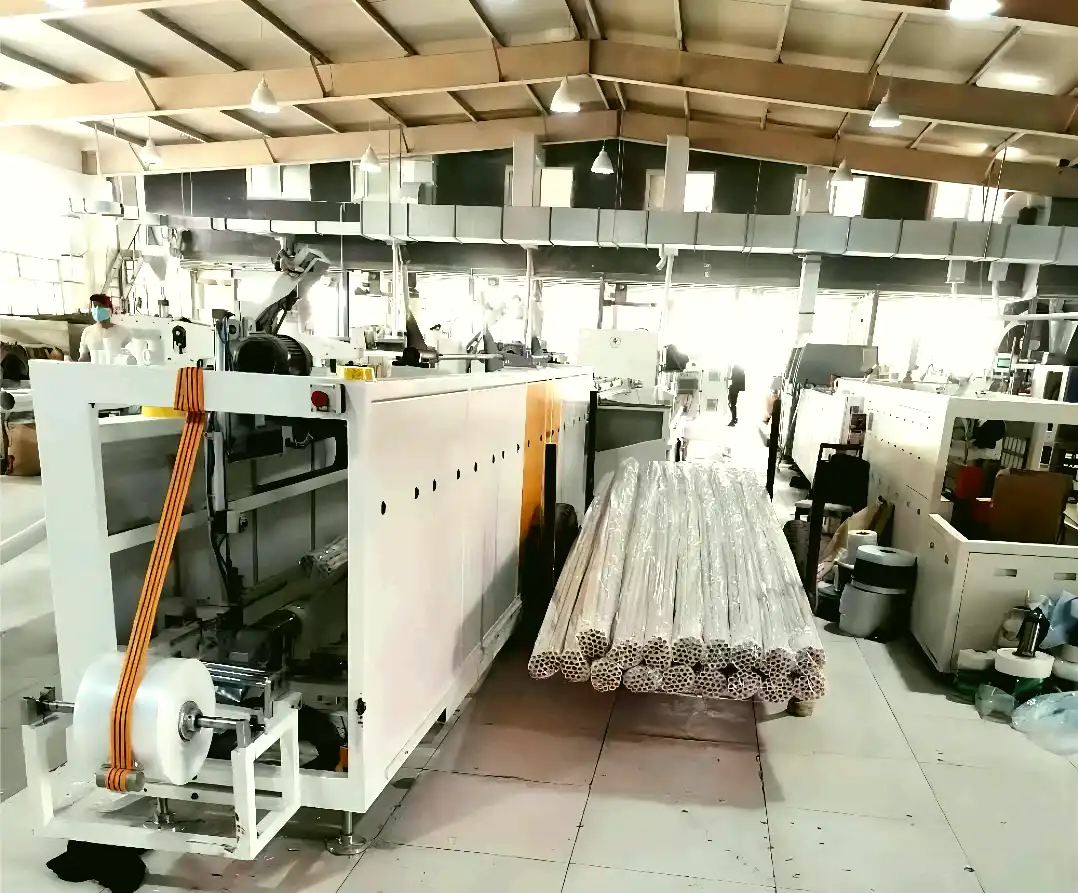
The Labyrinth of Legacy Systems: Navigating Integration
Many PPR pipe manufacturing facilities operate with legacy systems – machinery and software that have been in place for years, sometimes decades. Integrating a state-of-the-art automated packaging system with these older systems can be technically challenging and require significant customization.
Compatibility Conundrums
The first hurdle often lies in physical compatibility. New automated systems must physically interface with existing conveyors, pipe handling equipment, and factory layouts. This might require modifications to the production floor, adjustments to existing machinery, or custom-designed interfaces.
Beyond physical connections, data integration is equally critical. The automated packaging system needs to communicate with the factory’s Manufacturing Execution System (MES), Enterprise Resource Planning (ERP) systems, and potentially other software platforms. Data inconsistencies, communication protocols, and software compatibility issues can create bottlenecks and hinder real-time monitoring and control.
Phased vs. Rip-and-Replace Approaches
Companies often face a choice between a phased integration approach and a complete “rip-and-replace” strategy. Each has its own set of challenges and considerations.
| Approach | Advantages | Challenges |
|---|---|---|
| Phased Integration | Minimizes upfront disruption, allows gradual learning and adaptation, lower initial investment | Longer overall integration timeline, potential for temporary inefficiencies during transition, complex coordination between old and new systems |
| Rip-and-Replace | Faster overall implementation (in theory), opportunity to modernize entire system, cleaner integration | High upfront cost, significant production downtime during changeover, steeper learning curve for workforce, higher risk of major disruptions if not planned perfectly |
Choosing the right approach depends on factors like the age and flexibility of existing systems, available budget, tolerance for downtime, and the company’s internal expertise. Regardless of the chosen path, thorough planning, meticulous execution, and expert consultation are essential to navigate system integration complexities successfully. Addressing these challenges head-on ensures that the promised efficiency gains of automated PPR pipe packaging are fully realized, rather than hampered by integration bottlenecks.
3. Maintenance and Downtime Dilemmas
Automated PPR pipe packaging systems, while designed for efficiency and reliability, are still complex machines that require regular maintenance. Managing this maintenance effectively and minimizing downtime is crucial to maximizing the return on investment and ensuring continuous production flow.
Maintenance and downtime represent a significant challenge in automated PPR pipe packaging. Complex machinery requires regular upkeep to prevent breakdowns, and when issues do arise, diagnosing and resolving them can be time-consuming, leading to costly production halts. Unplanned downtime can negate the efficiency gains of automation, making proactive maintenance strategies and rapid response capabilities essential.
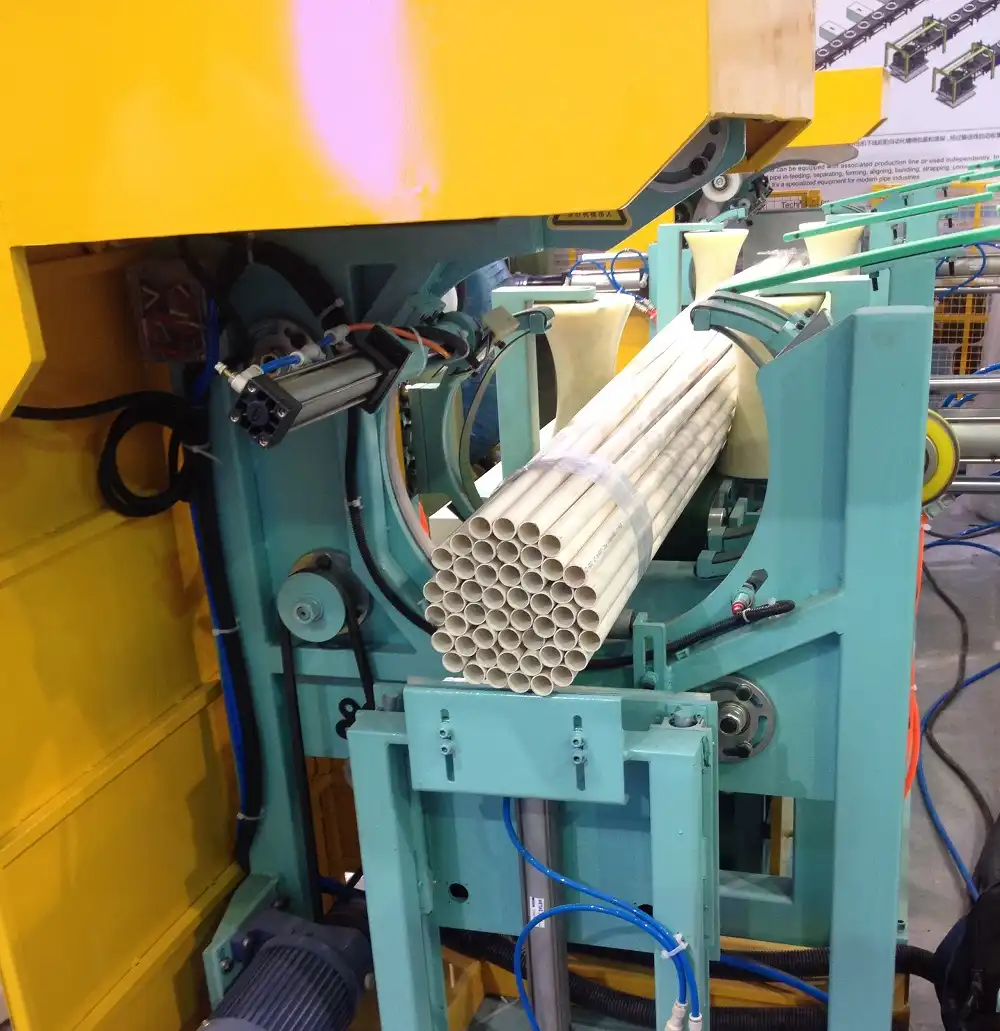
Proactive Strategies for Uptime: Maintenance and Monitoring
The key to mitigating maintenance and downtime challenges lies in a proactive approach that combines preventative maintenance, predictive maintenance, and readily available support.
Preventative vs. Predictive Maintenance
Preventative maintenance involves scheduled servicing and component replacement at regular intervals, regardless of the system’s actual condition. While this approach helps reduce breakdowns, it can also lead to unnecessary maintenance and downtime if components are replaced before they reach their end of life.
Predictive maintenance, on the other hand, leverages sensor data and analytics to monitor the system’s health in real-time. By tracking parameters like vibration, temperature, and performance metrics, predictive maintenance systems can identify potential issues before they escalate into breakdowns. This allows for targeted maintenance interventions, reducing unnecessary downtime and optimizing maintenance schedules.
Building a Robust Maintenance Ecosystem
Effective maintenance requires more than just technology; it demands a well-trained maintenance team, readily available spare parts, and responsive vendor support.
- Skilled Technicians: Investing in training for in-house maintenance personnel is crucial. Technicians need to be proficient in diagnosing and repairing complex automated systems, including mechanical, electrical, and software components.
- Spare Parts Inventory: Maintaining an adequate inventory of critical spare parts minimizes delays when replacements are needed. Identifying critical components and establishing a streamlined spare parts procurement process is essential.
- Vendor Support and Service Level Agreements (SLAs): Establishing clear SLAs with the automation system vendor ensures timely technical support and on-site assistance when needed. Remote diagnostics capabilities can also expedite troubleshooting and resolution.
By prioritizing proactive maintenance strategies and building a robust support ecosystem, PPR pipe manufacturers can significantly reduce downtime, improve system reliability, and ensure that their automated packaging systems operate at peak efficiency for years to come. This shift from reactive to proactive maintenance is a crucial step in maximizing the long-term benefits of automation.
4. Flexibility and Customization Limitations
While automation excels at repetitive tasks and high-volume production, it can sometimes struggle with flexibility and customization. PPR pipe manufacturers often deal with varying pipe sizes, bundle configurations, and packaging requirements, demanding a level of adaptability that not all automated systems readily offer.
A significant challenge in automated PPR pipe packaging is ensuring flexibility and customization. PPR pipe manufacturers handle diverse product sizes and packaging needs, and rigid automation systems can struggle to adapt to these variations. Lack of flexibility can limit the system’s ability to handle new product lines or changing market demands, potentially hindering long-term operational agility.
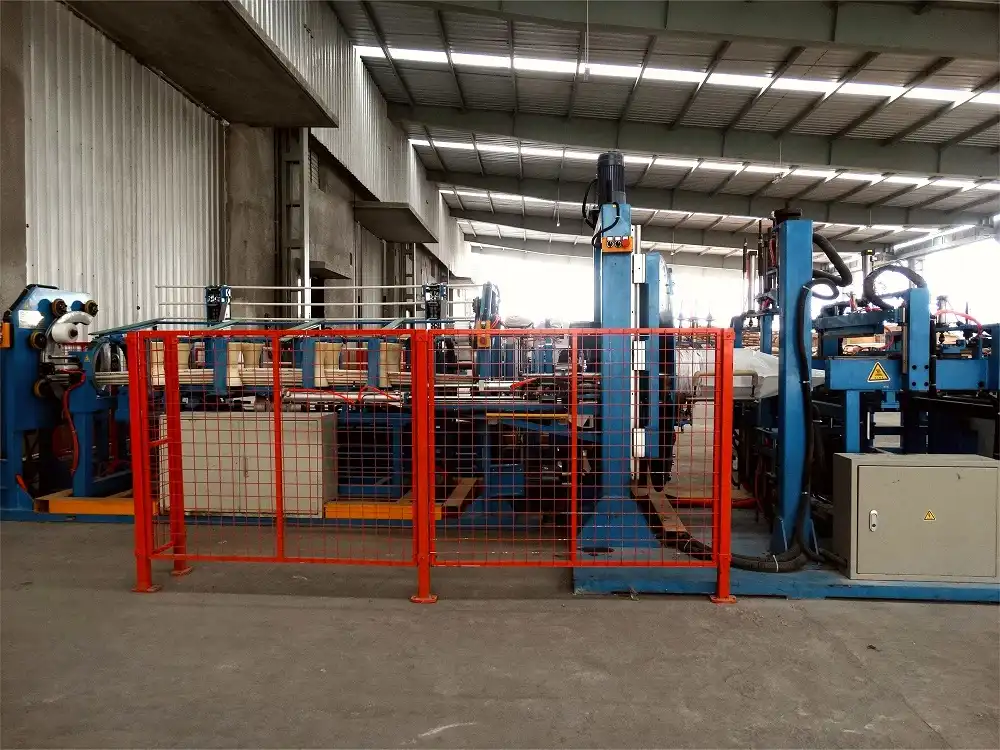
Agility in Automation: Adapting to Variable Needs
To overcome flexibility limitations, PPR pipe manufacturers need to seek out automated packaging solutions designed for adaptability and consider strategies to enhance customization capabilities.
Modular and Configurable Systems
Modular automated packaging systems offer a significant advantage in terms of flexibility. These systems are built from independent modules that can be easily reconfigured or rearranged to accommodate different packaging requirements. Adding or removing modules allows for quick adjustments to handle varying pipe lengths, bundle sizes, or packaging formats.
Configurable systems, often software-driven, provide another layer of flexibility. These systems can be programmed to handle different packaging parameters, such as adjusting wrapping tension, strapping patterns, or labeling information, without requiring physical changes to the machinery. This software-based flexibility allows for rapid changeovers between product types and packaging configurations.
Levels of Automation Flexibility: A Comparative View
| Feature | Fixed Automation | Flexible Automation |
|---|---|---|
| Changeover Time | Long, requires significant manual adjustments | Short, often software-driven adjustments |
| Product Variety | Limited to a narrow range of products | Wide range of product sizes and packaging styles |
| Customization | Minimal, designed for high-volume, standardized packaging | High, adaptable to specific customer requirements |
| Initial Investment | Lower | Higher |
| Long-term Adaptability | Low, struggles with changing market demands | High, designed for evolving product and market needs |
Investing in flexible automation solutions, even with a potentially higher initial cost, can provide significant long-term benefits by enabling PPR pipe manufacturers to respond quickly to market changes, handle a wider product range, and offer customized packaging options. This agility is increasingly valuable in today’s dynamic and customer-centric manufacturing environment.
5. Skill Gap and Training Hurdles
Implementing automated PPR pipe packaging systems introduces new technologies and processes that require a workforce with different skill sets. Addressing the potential skill gap and providing adequate training are crucial for successful adoption and maximizing the benefits of automation.
A critical challenge in transitioning to automated PPR pipe packaging is bridging the skill gap within the workforce. Operating and maintaining sophisticated automated systems requires new technical skills, and companies must invest in comprehensive training programs to equip their employees. Lack of adequate training can lead to inefficiencies, errors, and resistance to change, hindering the smooth implementation of automation.
Empowering the Workforce: Training and Upskilling Strategies
Overcoming the skill gap requires a strategic approach to training and upskilling that addresses both technical skills and change management.
Comprehensive Training Programs
Training programs should cover a range of topics, from basic operation of the automated packaging system to advanced troubleshooting and maintenance procedures. Effective training should include:
- Hands-on Training: Practical, hands-on training on the actual equipment is essential for developing operational proficiency. Simulated environments and virtual reality training can also be valuable tools.
- Technical Documentation and Manuals: Providing clear and accessible technical documentation, manuals, and online resources empowers employees to learn at their own pace and refer back to information as needed.
- Vendor-Led Training: Leveraging the expertise of the automation system vendor for initial training and ongoing support ensures that employees receive the most accurate and up-to-date information.
- Continuous Learning and Development: Automation technology is constantly evolving, so continuous learning and development programs are crucial to keep the workforce’s skills current and relevant.
Change Management and Employee Buy-in
Beyond technical skills, addressing employee concerns and fostering buy-in is equally important. Automation can sometimes be perceived as a threat to job security, leading to resistance and reluctance to embrace new technologies. Open communication, involving employees in the implementation process, and highlighting the benefits of automation – such as improved safety, reduced physical strain, and opportunities for skill development – can help overcome resistance and create a more positive transition.
By investing in comprehensive training programs and proactively managing the human side of automation, PPR pipe manufacturers can empower their workforce to thrive in an automated environment, ensuring a smooth and successful implementation process and realizing the full potential of their investment in automated PPR pipe packaging. This focus on human capital is as critical as the technology itself in achieving long-term success with automation.
Implementing automated PPR pipe packaging systems presents several key challenges, including system integration, maintenance, flexibility, and workforce training. However, these challenges are not insurmountable. By proactively addressing these potential hurdles with careful planning, strategic investments, and a focus on both technology and people, PPR pipe manufacturers can successfully implement automation and unlock significant gains in efficiency, productivity, and competitiveness.
Conclusion
The journey to automate PPR pipe packaging is paved with challenges, but the destination – a more efficient, productive, and competitive manufacturing operation – is well worth the effort. By understanding and proactively addressing the complexities of system integration, maintenance, flexibility, and workforce training, PPR pipe manufacturers can successfully navigate the implementation process and reap the rewards of automation. Embracing these challenges as opportunities for growth and improvement will position companies for long-term success in an increasingly automated and demanding marketplace. Automated PPR pipe packaging solutions are not just about machines; they are about strategic transformation and a commitment to operational excellence.








