
How to Optimize the Storage Conditions for PPR Pipes in Humid Environments?
Polypropylene Random Copolymer (PPR) pipes are favored in plumbing for their durability and chemical resistance. However, improper storage, especially in humid environments, can compromise their integrity. Maintaining optimal conditions is crucial to prevent degradation and ensure long-term performance.
To optimize storage for PPR pipes in humid environments, prioritize moisture control by ensuring well-ventilated, dry storage areas. Maintain a temperature between 5°C and 30°C, away from direct sunlight to prevent UV degradation. Proper stacking, handling, and regular inspections are also essential to preserve pipe quality and prevent damage.
Ensuring the longevity and reliability of PPR pipes starts long before installation. Let’s explore the critical storage conditions and best practices to safeguard these essential components, particularly when faced with the challenges of humid environments.
1. Temperature Control: Maintaining Ideal Climatic Conditions for PPR Pipes
Temperature plays a pivotal role in preserving the structural integrity of PPR pipes during storage. Fluctuations and extremes can lead to material degradation, impacting their performance.
Maintaining a stable temperature range between 5°C and 30°C (41°F to 86°F) is crucial for storing PPR pipes. Extreme temperatures, both high and low, can adversely affect the polymer structure, leading to brittleness at low temperatures and excessive flexibility or deformation at high temperatures. Consistent temperature control prevents thermal stress and maintains the pipes’ intended properties, ensuring long-term durability.
The Science of Temperature’s Impact on PPR Pipe Storage
Understanding how temperature affects PPR at a molecular level is key to implementing effective storage strategies. PPR, a thermoplastic polymer, exhibits temperature-dependent properties. At elevated temperatures, approaching or exceeding its glass transition temperature, PPR becomes more pliable and susceptible to deformation under load. Conversely, at sub-optimal low temperatures, PPR can lose flexibility and become brittle, increasing the risk of cracking or impact damage during handling.
The following table summarizes the effects of temperature on PPR pipes and outlines recommended storage practices:
| Temperature Range | Effect on PPR Pipes | Recommended Storage Practices |
|---|---|---|
| Below 5°C (41°F) | Increased brittleness, higher risk of impact damage | Avoid outdoor storage in freezing climates, insulate storage areas |
| 5°C – 30°C (41°F – 86°F) | Optimal range, maintains flexibility and strength | Temperature-controlled warehouse, shaded indoor storage |
| 30°C – 40°C (86°F – 104°F) | Potential for increased flexibility, slight deformation | Well-ventilated storage, avoid direct sunlight, monitor temperature |
| Above 40°C (104°F) | Increased risk of deformation, long-term degradation | Avoid prolonged exposure, consider cooling systems for storage |
Furthermore, temperature fluctuations, even within the acceptable range, can induce thermal stress in PPR pipes, especially if they are constrained or stacked improperly. Cyclic temperature changes cause expansion and contraction, which over time can lead to fatigue and weakening of the material, particularly at joints or areas of stress concentration. Therefore, maintaining a stable temperature environment is as important as staying within the recommended temperature range. Consider using climate control systems in storage facilities to minimize temperature swings and ensure consistent conditions year-round. Regular temperature monitoring with data loggers can also provide valuable insights and alerts to prevent deviations from optimal storage conditions.
2. Humidity Management: Combating Moisture in PPR Pipe Storage
Humidity is a significant environmental factor, particularly concerning PPR pipes. Excessive moisture can foster conditions detrimental to pipe integrity, especially over prolonged storage periods.
Effective humidity management is paramount for PPR pipe storage. Storage areas should be dry and well-ventilated to prevent moisture accumulation. High humidity can lead to condensation, promoting mold and mildew growth on pipe surfaces, which can degrade the material and compromise hygiene, especially for potable water applications. Maintaining low humidity levels minimizes these risks and preserves pipe quality.
Deeper Dive into Moisture-Related Risks and Mitigation Strategies
Humid environments pose multiple threats to PPR pipes. Firstly, high relative humidity increases the risk of surface condensation, especially when temperature fluctuations occur. This surface moisture can create a breeding ground for mold and mildew. While PPR itself is inherently resistant to microbial degradation, the accumulation of mold and mildew on the surface can lead to staining, unpleasant odors, and potential hygiene concerns, particularly for pipes intended for potable water systems. For applications requiring stringent hygiene standards, such as drinking water distribution, any surface contamination is undesirable.
Secondly, while PPR is hydrophobic, prolonged exposure to high humidity can indirectly contribute to material degradation through hydrolysis, a chemical reaction with water. Although PPR is more resistant to hydrolysis than some other polymers, over extended periods, moisture can slowly penetrate the material, potentially leading to chain scission and a gradual reduction in mechanical properties. This effect is exacerbated by higher temperatures and can be a long-term concern in persistently humid climates.
To effectively mitigate humidity-related risks, several strategies can be employed:
- Ventilation: Ensuring adequate ventilation in storage areas is crucial. Natural ventilation, through vents and open structures, or mechanical ventilation systems can facilitate air circulation, reducing moisture buildup and promoting evaporation.
- Dehumidification: In regions with consistently high humidity, dehumidifiers can be used to actively control the moisture content of the air in storage facilities. Maintaining relative humidity below 60% is generally recommended for optimal storage of PPR pipes.
- Moisture Barriers: Utilizing moisture barriers in the construction of storage facilities, such as vapor-retardant membranes in walls and floors, can prevent moisture ingress from the ground and surrounding environment.
- Elevated Storage: Storing pipes on pallets or racks, off the floor, minimizes direct contact with potentially damp surfaces and improves air circulation around the pipes.
- Regular Monitoring: Implementing a humidity monitoring system with hygrometers can provide continuous data on humidity levels. Regular inspections for signs of condensation, mold, or mildew should also be part of routine maintenance.
By implementing these comprehensive humidity management strategies, the risks associated with storing PPR pipes in humid environments can be significantly minimized, ensuring the long-term quality and performance of the pipes.
3. UV Protection and Physical Handling: Safeguarding PPR Pipes from External Factors
Beyond temperature and humidity, PPR pipes are susceptible to degradation from ultraviolet (UV) radiation and physical damage during handling and storage.
Protecting PPR pipes from direct sunlight and UV exposure is essential to prevent degradation. UV radiation can cause discoloration, embrittlement, and surface cracking over time. Storing pipes indoors or under cover is recommended. Proper handling techniques are equally vital to avoid physical damage such as scratches, dents, or deformation. Gentle handling, appropriate lifting equipment, and secure stacking practices are necessary to maintain pipe integrity during storage and transportation.

Best Practices for UV and Physical Damage Prevention
UV radiation and physical mishandling represent significant threats to the long-term integrity of PPR pipes. Addressing these concerns requires proactive measures in storage and handling protocols.
UV Degradation Mechanisms and Protective Measures:
PPR, like many polymers, is susceptible to UV degradation. Prolonged exposure to UV radiation, particularly from sunlight, can initiate photochemical reactions within the polymer matrix. This leads to chain scission, crosslinking, and the formation of free radicals, resulting in:
- Discoloration: Yellowing or fading of the pipe’s original color.
- Surface Cracking: Development of micro-cracks and crazing on the surface.
- Embrittlement: Loss of flexibility and increased susceptibility to fracture.
- Reduced Impact Strength: Diminished ability to withstand impacts and mechanical stress.
To mitigate UV degradation:
- Indoor Storage: The most effective method is storing PPR pipes indoors, away from direct sunlight.
- Covered Storage: If indoor storage is not feasible, pipes should be stored under opaque covers or in shaded areas to block UV radiation.
- UV-Resistant Packaging: Utilizing packaging materials with UV stabilizers can provide an additional layer of protection during storage and transportation.
- Avoid Prolonged Outdoor Exposure: Minimize the duration of outdoor storage, especially in regions with high UV index.
Physical Handling and Damage Prevention:
Physical damage during handling and storage can compromise the structural integrity and performance of PPR pipes. Common types of physical damage include:
- Scratches and Abrasions: Surface damage that can weaken the pipe wall and create stress concentration points.
- Dents and Deformations: Permanent changes in pipe shape due to impact or pressure, affecting flow characteristics and joint integrity.
- Cracks and Fractures: Severe damage resulting from excessive force or impact, rendering the pipe unusable.
Preventive measures for physical damage:
- Gentle Handling: Train personnel to handle PPR pipes with care, avoiding rough handling, dropping, or dragging.
- Appropriate Lifting Equipment: Use forklifts, cranes, or slings with padded supports for lifting and moving pipe bundles.
- Secure Stacking: Stack pipes on flat, stable surfaces, using supports to prevent bending or deformation. Limit stacking height to prevent crushing of lower layers.
- Protective Packaging: Keep pipes in original packaging or use additional protective materials like bubble wrap or foam padding, particularly for vulnerable pipe ends and fittings.
- Designated Storage Areas: Establish designated storage zones free from traffic and potential hazards, minimizing the risk of accidental damage.
By implementing these comprehensive strategies for UV protection and physical damage prevention, the integrity and longevity of PPR pipes can be significantly enhanced, ensuring reliable performance in their intended applications.
4. Optimized Stacking and Organized Storage Strategies
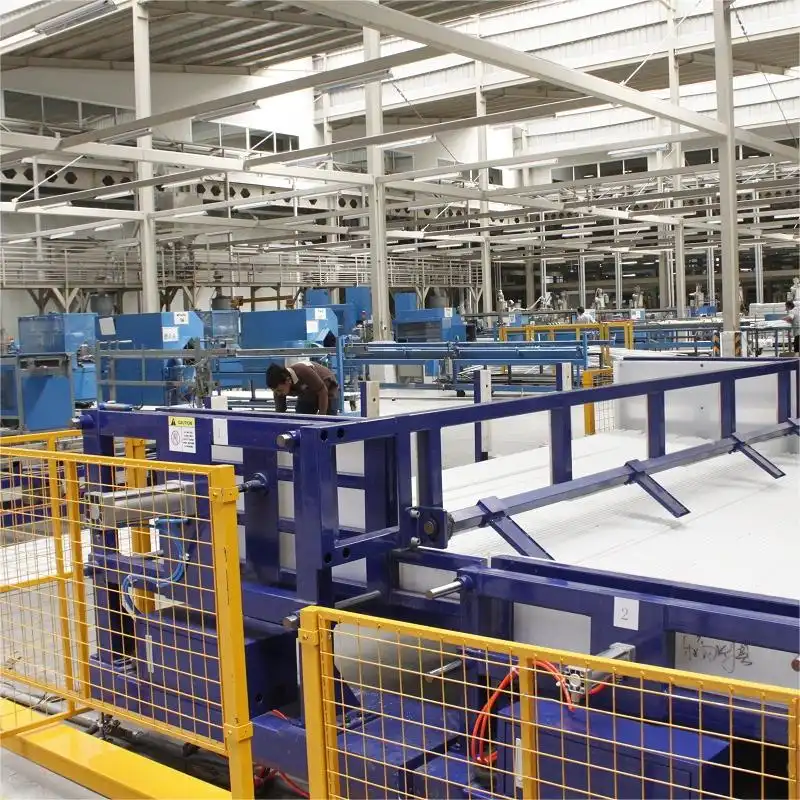
Proper stacking and organization within the storage area are not just about space efficiency; they are crucial for preventing damage, ensuring safety, and facilitating easy access and inventory management. Well-organized storage minimizes handling, reduces the risk of damage, and streamlines operations.
Effective stacking and organization are vital for PPR pipe storage. Pipes should be stacked on flat, stable surfaces with proper support to prevent bending or deformation. Vertical stacking using pipe supports is preferable to avoid warping. Storage areas should be organized by pipe size and type for easy identification and retrieval. Implementing a First-In, First-Out (FIFO) system ensures older stock is used first, minimizing the risk of material degradation during prolonged storage.
Implementing Best Practices for Stacking, Organization, and Inventory Management
Optimizing stacking and organization within PPR pipe storage facilities contributes significantly to preventing damage, enhancing safety, and improving operational efficiency. A systematic approach to storage layout, stacking techniques, and inventory management is essential.
Stacking Techniques for Damage Prevention:
- Horizontal vs. Vertical Stacking: While horizontal stacking is common, vertical stacking, where feasible, is generally preferable for PPR pipes. Vertical stacking minimizes bending stress and potential deformation, especially for longer pipes. If horizontal stacking is necessary, ensure adequate support at multiple points along the pipe length to prevent sagging.
- Support Systems: Utilize pallets, racks, or dunnage to elevate pipes off the floor and provide stable support. For horizontal stacks, use evenly spaced supports to distribute weight and prevent bending. For vertical stacking, employ pipe supports or racks designed to hold pipes securely in an upright position.
- Stacking Height Limits: Avoid stacking pipes too high. Excessive stacking height can lead to crushing of lower layers and instability, increasing the risk of toppling. Manufacturers often specify maximum stacking heights; adhering to these guidelines is crucial. Generally, a stacking height not exceeding 1.5 meters is recommended for PPR pipes.
- Interlocking or Layering: When horizontally stacking, consider interlocking layers or using separators between layers to improve stability and prevent pipes from rolling or shifting.
Organization and Layout for Efficiency:
- Categorization by Size and Type: Organize storage areas by pipe size, diameter, and type (e.g., SDR rating). Clear labeling of storage sections facilitates quick identification and retrieval of specific pipes.
- Designated Storage Locations: Assign specific locations for different pipe categories and mark these locations clearly. This systematic approach reduces search time and minimizes unnecessary handling.
- Aisles and Access: Plan storage layouts with adequate aisles for forklift or manual access. Aisles should be wide enough to allow safe movement of equipment and personnel without risking damage to pipes.
- Labeling and Identification: Clearly label each bundle or stack of pipes with relevant information such as size, type, batch number, and manufacturing date. Color-coding can also be used for quick visual identification.
Inventory Management and FIFO System:
- First-In, First-Out (FIFO): Implement a FIFO inventory system to ensure that older stock is used before newer inventory. This minimizes the risk of prolonged storage leading to material degradation or obsolescence. Clearly mark the arrival date of each pipe bundle and prioritize older stock for dispatch.
- Inventory Tracking: Maintain an accurate inventory tracking system, either manual or computerized, to monitor stock levels, locations, and ages. Regular inventory audits help identify and address any discrepancies or potential issues.
By adopting these best practices for stacking, organization, and inventory management, PPR pipe storage facilities can enhance safety, efficiency, and the preservation of pipe quality, contributing to overall operational excellence. These practices also align with moisture control strategies, ensuring that pipes are stored in optimal conditions until they are ready for deployment.
Conclusion
Optimizing storage conditions for PPR pipes in humid environments is not merely about warehousing; it’s a proactive strategy to safeguard material integrity, ensure long-term performance, and prevent costly failures. By meticulously controlling temperature, managing humidity, providing UV protection, and implementing best practices for handling, stacking, and organization, you can significantly extend the lifespan and reliability of PPR pipes. Adhering to these guidelines ensures that PPR pipes remain in prime condition, ready to deliver their intended performance in plumbing and heating systems, even after extended periods in storage.








