
1. How to Obtain Environmental Certifications for Mold Upenders?
Navigating environmental certifications for industrial equipment like mold upenders can seem complex, but it’s a crucial step towards sustainability and market competitiveness. This article will guide you through the process of obtaining environmental certifications for mold upenders, ensuring your operations align with green standards.

Obtaining environmental certifications for mold upenders involves several key steps. Begin by understanding relevant standards like ISO 14001 and energy efficiency certifications. Conduct a thorough environmental impact assessment of your upender’s lifecycle. Implement eco-friendly design and manufacturing processes. Prepare comprehensive documentation and undergo audits by accredited certification bodies. Finally, maintain compliance through regular reviews and improvements to showcase your commitment to environmental sustainability.
As industries worldwide increasingly prioritize environmental responsibility, understanding and achieving environmental certifications for your mold upenders is no longer optional—it’s essential for demonstrating your commitment to a greener future and gaining a competitive edge. Let’s delve into the specifics.
2. Understanding Environmental Certifications for Industrial Equipment
Environmental certifications for industrial equipment are official recognitions that a product, service, or system meets specific environmental standards. These certifications validate a manufacturer’s efforts to minimize their environmental footprint, promote sustainability, and comply with regulations. For mold upenders, these certifications can cover various aspects, from energy efficiency to material usage and waste reduction.
Environmental certifications for mold upenders are crucial because they validate eco-friendly manufacturing and operational practices. They demonstrate to customers and stakeholders a commitment to sustainability, enhancing brand reputation and market access. Certifications often lead to operational cost savings through energy efficiency and reduced waste. Furthermore, they ensure compliance with increasingly stringent environmental regulations, mitigating risks and promoting a healthier work environment and planet.
Understanding the nuances of these certifications is the first step in ensuring your mold upenders not only meet operational demands but also adhere to global sustainability benchmarks. Let’s explore the different types of environmental certifications and why they matter in today’s industrial landscape.
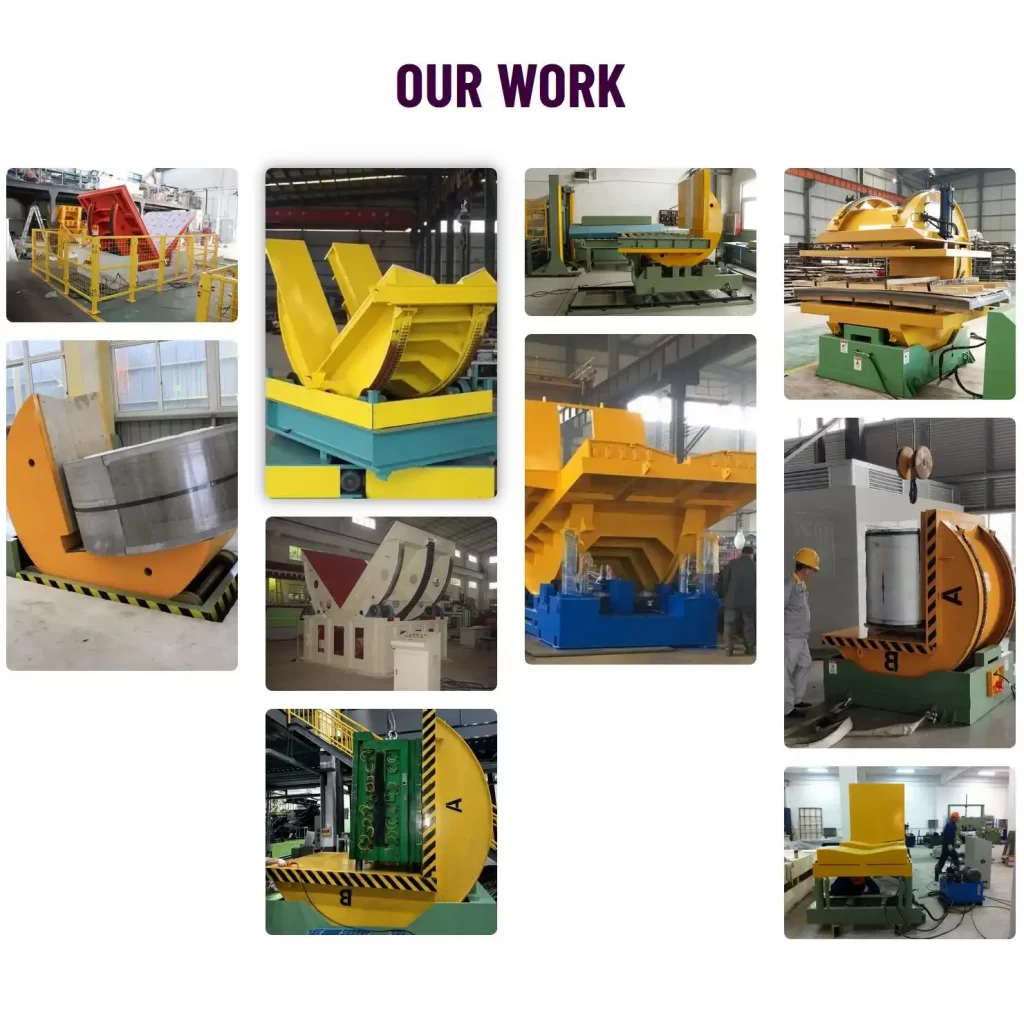
Decoding Environmental Certifications: Types and Relevance for Mold Upenders
Navigating the landscape of environmental certifications can be challenging, as numerous standards and schemes exist globally. To effectively pursue certification for mold upenders, it’s essential to understand the different types of certifications and their relevance to this specific industrial equipment. We can categorize environmental certifications broadly and then analyze their specific applicability.
Types of Environmental Certifications
Environmental certifications can be categorized based on their focus and scope. Here are some key types:
- Management System Certifications: These certifications, like ISO 14001, focus on the environmental management system (EMS) of an organization. They don’t certify a specific product but rather the processes and systems the organization has in place to manage its environmental responsibilities.
- Product-Specific Eco-labels: These labels are awarded to products that meet specific environmental performance criteria throughout their lifecycle. Examples include Energy Star, EPEAT, and Cradle to Cradle. These are directly relevant to the mold upender as a product.
- Energy Efficiency Certifications: With increasing global emphasis on energy conservation, certifications like ISO 50001 (Energy Management Systems) and regional energy efficiency standards are crucial. For mold upenders, which are hydraulically or electrically powered, energy efficiency is a significant environmental aspect.
- Green Building Certifications (Indirect Relevance): While primarily for buildings, schemes like LEED (Leadership in Energy and Environmental Design) or BREEAM (Building Research Establishment Environmental Assessment Methodology) can indirectly influence the demand for environmentally certified industrial equipment used in green buildings or facilities committed to sustainability.
Relevance to Mold Upenders
For mold upenders, the most relevant certifications often fall into management system certifications (ISO 14001) and product-specific eco-labels that emphasize energy efficiency and sustainable manufacturing. Let’s break down the relevance in a table format:
| Certification Type | Focus | Relevance to Mold Upenders | Benefits for Mold Upender Manufacturers & Users |
|---|---|---|---|
| ISO 14001 (EMS) | Environmental Management System | Highly relevant. Certifies the manufacturer’s overall environmental management approach, including design, production, and lifecycle considerations of mold upenders. | Enhances corporate reputation, improves environmental performance across operations, can streamline regulatory compliance, potential cost savings through resource efficiency. |
| Energy Star/Similar Eco-labels | Product Energy Efficiency | Directly relevant if mold upenders are designed to be energy-efficient. Certification demonstrates lower energy consumption during operation. | Market differentiation, reduced operating costs for users (lower electricity bills), aligns with sustainability goals, potential government incentives or rebates. |
| ISO 50001 (Energy Management) | Organizational Energy Management | Relevant for manufacturers to demonstrate efficient energy management in their production facilities and potentially for users managing large fleets of equipment. | Cost savings through energy reduction, improved energy performance, compliance with energy regulations, enhanced reputation as an energy-conscious organization. |
| Cradle to Cradle | Product Lifecycle & Circularity | Emerging relevance. Focuses on material health, material reutilization, renewable energy and carbon management, water stewardship, and social fairness in product design and manufacturing. | Positions manufacturers as leaders in circular economy, appeals to environmentally conscious customers, potential for innovation in material use and product design for mold upenders. |
Understanding these different certifications allows mold upender manufacturers to strategically choose the certifications that align with their business goals, customer expectations, and the specific environmental aspects they wish to highlight. The selection process should be driven by a clear understanding of the target market and the most impactful areas for environmental improvement in mold upender design, manufacturing, and operation.
3. Step-by-Step Guide to Obtaining Certification
Obtaining environmental certification for mold upenders is a structured process that typically involves several key stages. From initial assessment to final certification, each step requires careful planning and execution to ensure compliance and successful certification.
The process of obtaining environmental certification for mold upenders starts with selecting the appropriate certification standard and body. Conduct a gap analysis to identify areas needing improvement. Implement necessary changes in design, manufacturing, or operational processes. Compile all required documentation, including environmental policies and impact assessments. Undergo a formal audit by the certification body. Upon successful review, receive your certification and maintain it through regular surveillance audits and continuous improvement efforts.
Let’s break down each of these steps in detail to provide a clear roadmap for manufacturers seeking environmental certification for their mold upenders.
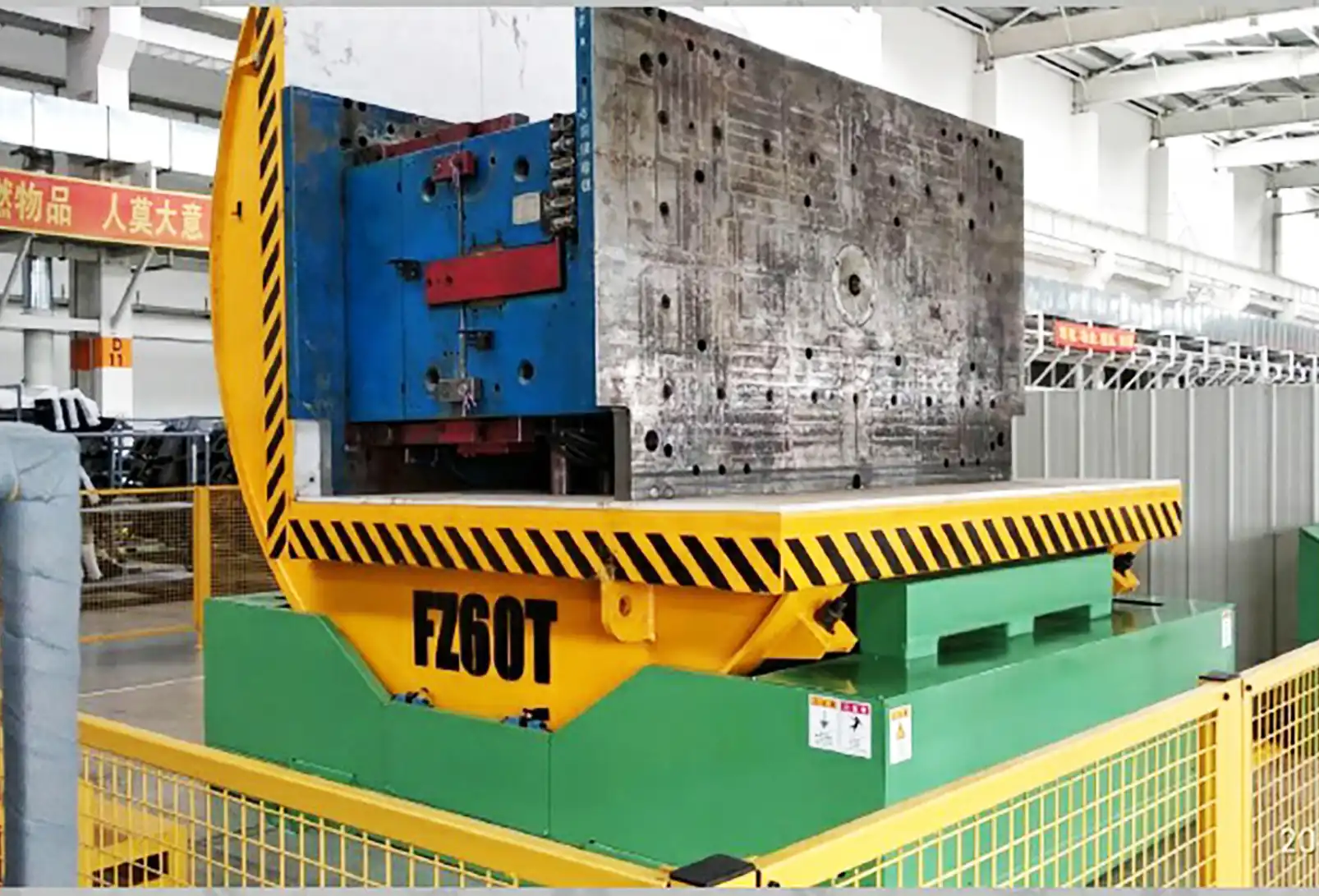
Navigating the Certification Journey: A Detailed Breakdown
The journey to environmental certification for mold upenders is a systematic process. Here’s a more detailed look at each step:
-
Step 1: Select the Right Certification Standard and Body:
- Identify Relevant Standards: Based on the discussion in Section 2, determine which certifications are most relevant to your mold upenders and target market (e.g., ISO 14001, Energy Star, regional energy efficiency labels).
- Choose an Accredited Certification Body: Select a reputable and accredited certification body experienced in certifying industrial equipment and the chosen standard. Accreditation ensures the body is competent and impartial. Check for recognized accreditations like UKAS (United Kingdom), ANAB (USA), or equivalent in your region.
-
Step 2: Conduct a Gap Analysis and Baseline Assessment:
- Environmental Impact Assessment: Evaluate the environmental impact of your mold upender throughout its lifecycle – from material sourcing and manufacturing to operation, maintenance, and end-of-life disposal.
- Gap Analysis: Compare your current practices against the requirements of the chosen certification standard. Identify gaps that need to be addressed to meet certification criteria. This may involve areas like energy consumption, material usage, waste generation, and emissions.
-
Step 3: Implement Necessary Changes and Improvements:
- Develop an Environmental Management System (EMS): If pursuing ISO 14001, establish a formal EMS. This includes defining your environmental policy, setting objectives and targets, implementing operational controls, and establishing monitoring and measurement procedures.
- Design and Manufacturing Process Improvements: Based on the gap analysis, implement specific changes. This could include:
- Designing for energy efficiency (e.g., using efficient hydraulic systems, variable speed drives).
- Using sustainable materials (recycled content, recyclable materials).
- Optimizing manufacturing processes to reduce waste and energy consumption.
- Implementing pollution prevention measures.
-
Step 4: Documentation and Preparation for Audit:
- Compile Documentation: Prepare all necessary documentation as required by the certification standard. This typically includes:
- Environmental policy and objectives.
- Scope of the EMS (for ISO 14001).
- Environmental aspect and impact assessments.
- Operational control procedures.
- Monitoring and measurement records.
- Internal audit reports.
- Management review records.
- Internal Audit: Conduct an internal audit of your EMS and processes to ensure they are effectively implemented and meet the standard’s requirements. This helps identify any remaining gaps before the formal certification audit.
- Compile Documentation: Prepare all necessary documentation as required by the certification standard. This typically includes:
-
Step 5: Formal Certification Audit:
- Application and Scheduling: Apply to your chosen certification body and schedule the formal certification audit.
- Audit Process: The certification body will conduct a thorough audit of your EMS and processes. This typically involves:
- Document review.
- On-site inspections of manufacturing and operational areas.
- Interviews with personnel.
- Verification of compliance with the certification standard.
- Corrective Actions: If any non-conformances are identified during the audit, you will need to implement corrective actions to address them.
-
Step 6: Certification and Ongoing Maintenance:
- Certification Award: Upon successful completion of the audit and verification of corrective actions (if any), the certification body will issue the environmental certification.
- Surveillance Audits: Certification is usually not a one-time event. Maintain certification through regular surveillance audits (typically annually) by the certification body to ensure ongoing compliance and continuous improvement of your EMS and environmental performance.
- Continuous Improvement: Commit to continuous improvement of your environmental performance. Regularly review your EMS, objectives, and targets, and seek opportunities to further reduce the environmental impact of your mold upenders.
By following these steps meticulously, mold upender manufacturers can navigate the certification process effectively and achieve credible environmental certifications, demonstrating their commitment to sustainability and gaining a competitive advantage in the market.
4. Benefits of Environmental Certification for Mold Upenders
Achieving environmental certification for mold upenders is not merely about compliance; it unlocks a range of significant benefits that can enhance business performance, market positioning, and long-term sustainability. These benefits span from operational efficiencies to improved brand image and market access.
Environmentally certified mold upenders offer numerous advantages. They can lead to cost savings through reduced energy consumption and waste. Certification enhances marketability and brand reputation, appealing to environmentally conscious customers. Compliance with regulations is streamlined, mitigating legal and financial risks. Furthermore, it fosters a culture of sustainability and innovation within the organization, driving long-term value and environmental stewardship.
Let’s explore these benefits in more detail to understand the comprehensive value proposition of environmental certification for mold upenders.

Unpacking the Advantages: Why Certification Matters
The benefits of environmental certification for mold upenders are multifaceted and contribute to both tangible and intangible organizational gains. Here’s a structured look at key advantages:
| Benefit Category | Specific Advantage | Impact on Mold Upender Business | Examples & Details |
|---|---|---|---|
| Operational Efficiency & Cost Savings | Reduced Energy Consumption | Lower operating costs due to more energy-efficient designs and components. | Energy Star certified upenders can significantly reduce electricity consumption compared to non-certified models, leading to substantial savings over the equipment’s lifespan. |
| Waste Reduction & Resource Efficiency | Lower material costs through optimized design and use of recycled/recyclable materials; reduced waste disposal costs. | Cradle to Cradle certified products focus on material reutilization, minimizing waste and promoting circular economy principles, which can translate to cost savings and resource security. | |
| Market Access & Competitive Advantage | Enhanced Brand Reputation & Customer Trust | Differentiation in the market; appeals to environmentally conscious customers; improved brand image and credibility. | Customers increasingly prefer and even demand environmentally responsible products. Certification serves as a credible third-party validation of your sustainability claims, building trust and preference. |
| Access to Green Procurement Markets | Increased opportunities to supply to government and corporate clients with green procurement policies that favor certified products. | Many government tenders and large corporations now prioritize suppliers with environmental certifications. Certification can open doors to these lucrative markets. | |
| Regulatory Compliance & Risk Mitigation | Streamlined Regulatory Compliance | Easier navigation of environmental regulations; reduced risk of fines and penalties due to non-compliance. | ISO 14001 certification provides a framework for managing environmental compliance, making it easier to meet legal requirements and avoid regulatory issues. |
| Reduced Environmental Liability | Lower potential for environmental damage and associated liabilities; improved environmental risk management. | Proactive environmental management through certification reduces the likelihood of environmental incidents and associated legal and financial liabilities. | |
| Internal Organizational Benefits | Fostering a Culture of Sustainability & Innovation | Encourages employees to embrace environmental responsibility; drives innovation in product design and processes; improves employee morale. | The process of achieving and maintaining certification can instill a culture of sustainability throughout the organization, driving continuous improvement and innovation in environmental performance. |
| Stakeholder Engagement & Reporting | Improved communication with stakeholders (investors, employees, communities) about environmental performance; enhanced sustainability reporting. | Certification provides a structured framework for environmental reporting and communication, enhancing transparency and credibility with stakeholders who are increasingly interested in ESG (Environmental, Social, Governance) factors. |
In summary, environmental certification for mold upenders is a strategic investment that yields substantial returns, encompassing cost savings, market advantages, risk mitigation, and internal organizational improvements. It positions manufacturers as responsible environmental stewards and leaders in a market increasingly driven by sustainability.
5. Choosing the Right Certification Body
Selecting the appropriate certification body is a critical decision in the process of obtaining environmental certifications for mold upenders. The credibility and recognition of your certification heavily depend on the reputation and competence of the certification body you choose.
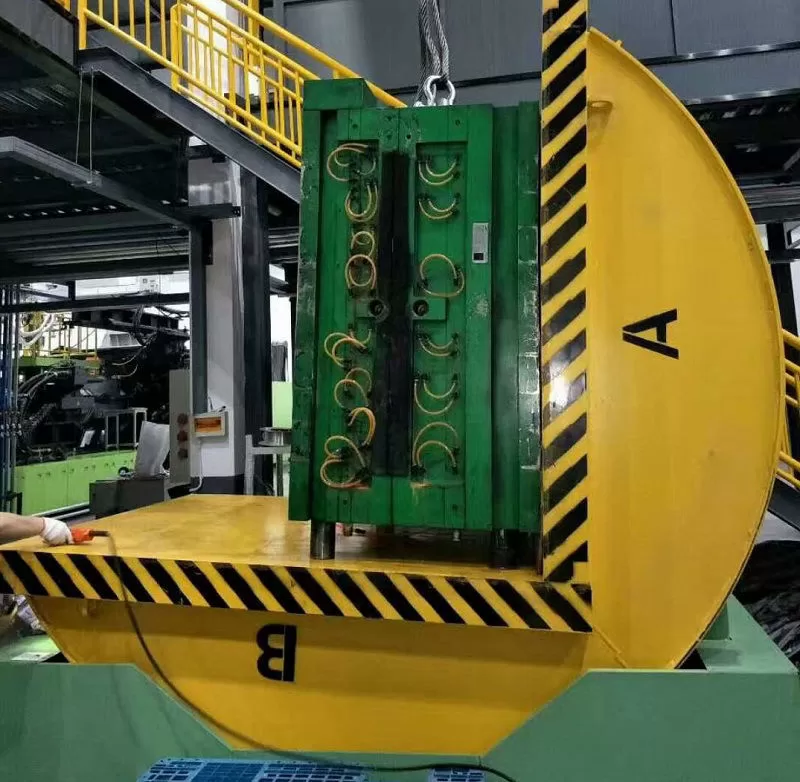
Choosing the right certification body is crucial for a smooth and credible certification process. Look for bodies accredited by recognized organizations like ISO or IAF. Verify their experience in certifying industrial equipment and their understanding of relevant industry standards. Check their reputation through client testimonials and industry recognition. Ensure they offer efficient and responsive customer service, and that their pricing is transparent and competitive. A well-chosen certification body adds significant value to your certification.
When making this crucial choice, several factors should be carefully considered to ensure that the selected body aligns with your needs and enhances the value of your certification. Accreditation, industry expertise, reputation, service quality, and cost are all key elements to evaluate. A thorough due diligence process will ensure a successful and beneficial certification journey.
Conclusion
Obtaining environmental certifications for mold upenders is a strategic imperative for manufacturers aiming for long-term success in a sustainability-focused world. It’s a journey that involves understanding relevant standards, implementing eco-friendly practices, and partnering with the right certification body. The benefits are compelling, ranging from operational efficiencies and market advantages to enhanced brand reputation and risk mitigation. By embracing environmental certification, mold upender manufacturers not only contribute to a greener planet but also secure a stronger, more competitive, and sustainable future for their businesses.








