
How to Design an Automated Control System for Mold Upenders?
Are you tired of the dangerous and inefficient manual flipping of heavy molds? Imagine a world where mold handling is safe, precise, and automated, freeing up your workforce and boosting productivity. Mold upenders are revolutionizing manufacturing, but how do you design the automated control system that powers these marvels?
To design an automated control system for mold upenders, focus on integrating sensors, programmable logic controllers (PLCs), and user-friendly interfaces. Start with safety by implementing sensors for precise positioning and emergency stops. Then, use PLCs to manage automated cycles, ensuring smooth and controlled tilting. Finally, create intuitive controls for operators to easily manage and monitor the system. This approach enhances safety, efficiency, and precision in mold handling.
Ready to transform your mold handling process with automation? Let’s explore the key steps in designing an effective control system for mold upenders and unlock the full potential of automated mold handling.
1. Understanding Mold Upenders and Their Core Purpose
Imagine the sheer effort and risk involved in manually reorienting massive molds, essential for countless industries. It’s a task fraught with danger and inefficiency. But what if you could effortlessly and safely tilt these heavyweights with the touch of a button?
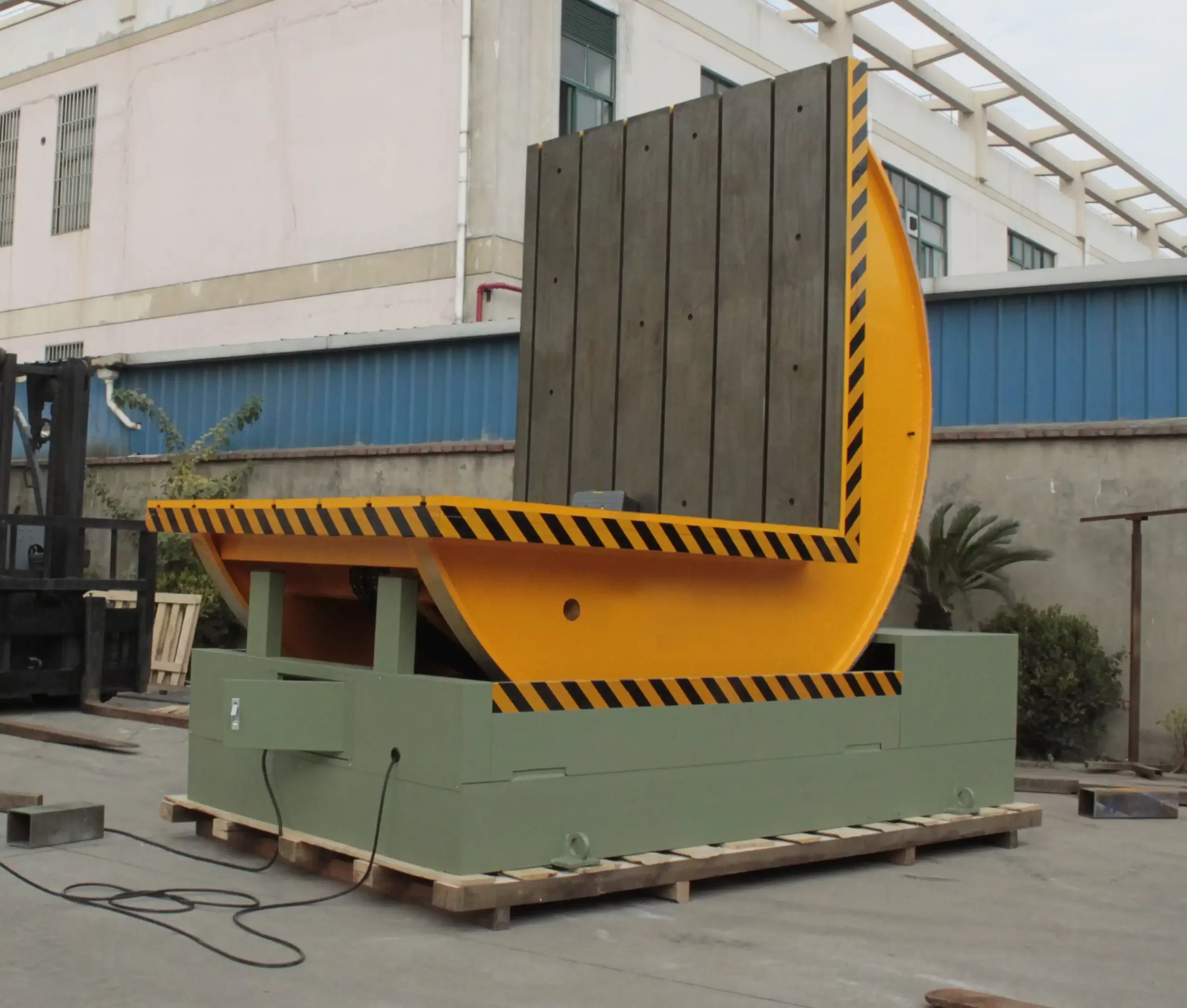
Mold upenders are specialized machines designed to safely and efficiently tilt heavy molds, revolutionizing material handling in manufacturing. Their core purpose is to reorient molds, typically by 90 or 180 degrees, for maintenance, repair, or die changes. By automating this critical rotation, upenders minimize manual labor, drastically enhance safety, and significantly boost productivity in mold-intensive industries. They are indispensable for streamlining workflows and reducing risks associated with heavy mold handling.
Dive Deeper into the Functionality of Mold Upender Systems
Mold upenders are more than just machines; they are integrated systems designed to solve complex material handling challenges. To truly understand their functionality, we need to dissect their core components and operational principles, and compare different types. Let’s break down the key aspects that make mold upenders indispensable in modern manufacturing.
Core Components of an Automated Control System for Mold Upenders
An effective automated control system for a mold upender is a symphony of components working in harmony. These typically include:
- Sensors: These are the eyes and ears of the system. Position sensors, load sensors, and safety sensors provide crucial feedback to the control system, ensuring precise and safe operation.
- Programmable Logic Controllers (PLCs): The brain of the operation. PLCs are robust industrial computers that execute control logic, manage automated cycles, and interface with sensors and actuators.
- Human-Machine Interface (HMI): This is the operator’s window into the system. HMIs can range from simple push-button panels to sophisticated touchscreens, providing control and feedback on the upender’s status.
- Actuators: These are the muscles of the system, typically hydraulic cylinders or electric motors that perform the physical tilting action.
- Safety System: A critical layer encompassing light curtains, emergency stops, and interlocks, ensuring operator safety and preventing accidents.
Operational Principles of Automated Mold Upenders
The automated operation of a mold upender is a carefully orchestrated sequence:
- Mold Loading and Detection: The mold is loaded onto the upender, often guided by sensors to ensure correct placement. Load sensors can verify the weight is within the upender’s capacity.
- Automated Clamping (Optional): For enhanced safety and stability, some systems include automated clamping mechanisms, activated and controlled by the PLC.
- Initiating the Tilting Cycle: The operator initiates the automated cycle via the HMI. This could be a simple button press or a selection from a pre-programmed cycle.
- Controlled Rotation: The PLC, guided by sensor feedback, commands the actuators to smoothly and precisely rotate the mold. Variable speed control, managed by the PLC, allows for optimized handling based on mold characteristics.
- Positioning and Stopping: Position sensors provide real-time feedback to the PLC, ensuring accurate stopping at the desired angle (e.g., 90 or 180 degrees). Limit switches provide an additional layer of safety to prevent over-rotation.
- Unloading and System Reset: Once the operation is complete, the mold is ready for unloading. The system then resets, ready for the next cycle.
Mechanical vs. Hydraulic vs. Pneumatic Upenders with Automated Control
The choice of power system (mechanical, hydraulic, or pneumatic) significantly impacts the design of the automated control system. Here’s a comparative look:
| Feature | Mechanical Upender with Automation | Hydraulic Upender with Automation | Pneumatic Upender with Automation |
|---|---|---|---|
| Drive System | Electric motors, gears, chains, controlled by variable frequency drives (VFDs) | Hydraulic cylinders, pumps, valves, proportional valves for precise control | Pneumatic cylinders, valves, pressure regulators, solenoid valves |
| Control Precision | Good, VFDs offer speed control | Excellent, proportional hydraulics offer very fine motion control | Moderate, suitable for simpler on/off control |
| Load Capacity | Medium to Heavy | Very Heavy | Light to Medium |
| Safety Features | Electromechanical brakes, position sensors, safety interlocks | Pressure sensors, relief valves, accumulator for controlled stops, interlocks | Pressure sensors, exhaust valves for emergency stops, interlocks |
| Complexity | Moderately complex control system | Complex hydraulic and electrical control system | Simpler pneumatic and electrical control system |
| Maintenance | Lower maintenance for mechanical components, electrical system expertise | Higher maintenance for hydraulic components, specialized expertise needed | Lower maintenance for pneumatic components, simpler system overall |
| Cost | Moderate initial cost, potentially lower running costs | Higher initial cost, potentially higher running and maintenance costs | Lower initial cost, moderate running costs |
Choosing the right type of upender and designing its automated control system requires a thorough understanding of operational needs, load requirements, safety considerations, and budget. By carefully considering these factors, manufacturers can implement efficient and reliable automated mold handling solutions.
2. Tracing the Technological Evolution of Mold Upenders
From rudimentary levers to today’s sophisticated robotic systems, the journey of mold upenders mirrors the relentless march of industrial technology. Each era has brought new innovations, tackling the ever-present challenge of handling heavy materials with increasing precision and safety. Have you ever wondered how we moved from brute force to automated finesse in mold handling?
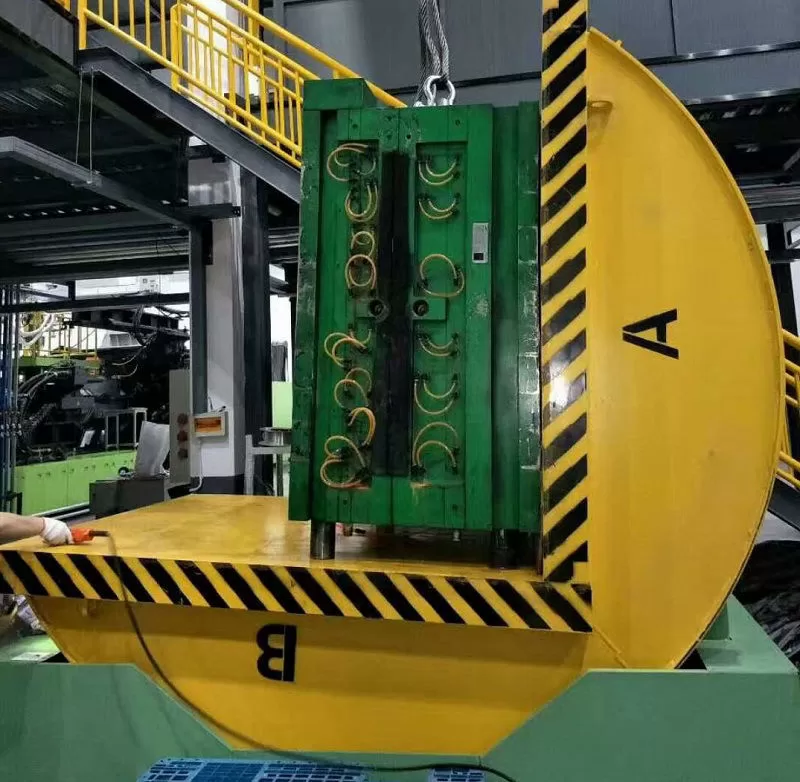
The technological evolution of mold upenders is a fascinating story of progress from manual operation to sophisticated automation. Early upenders were basic mechanical aids, but today, they are complex systems integrating hydraulics, sensors, and computer controls for precise and safe mold handling. This evolution reflects the ever-growing demand for efficiency, safety, and precision in mold handling across diverse industries.
Delving into Key Milestones in Upender Automation
The evolution of mold upenders can be segmented into distinct phases, each marked by significant technological leaps in automation and control. Understanding these milestones provides valuable context for appreciating the sophistication of modern automated control systems for mold upenders.
The Era of Manual Handling: Basic Beginnings
In the earliest days, mold handling was a purely manual affair, relying on human muscle and basic mechanical aids. Control systems were non-existent in the automated sense.
- Control Method: Human strength, levers, pulleys, and cranes.
- Safety: Highly dependent on operator skill and caution; significant risk of injury.
- Efficiency: Slow, labor-intensive, and prone to errors.
- Automation Level: Zero automation; purely manual operation.
The Introduction of Mechanization: Hydraulic and Pneumatic Advancements
The advent of hydraulics and pneumatics marked the first step towards mechanized assistance. Control systems became slightly more sophisticated, though still largely operator-dependent.
- Control Method: Hydraulic and pneumatic valves, levers, and basic pressure regulation.
- Safety: Improved lifting capacity and controlled motion reduced some manual handling risks.
- Efficiency: Increased speed and capacity compared to purely manual methods.
- Automation Level: Limited mechanization; operator still directly controlled the process with hydraulic/pneumatic assistance.
The Rise of Automation: Sensors and Computer Controls
The integration of sensors, PLCs, and computer controls ushered in the era of true automation. This revolution dramatically changed mold upender operation and control system design.
- Control Method: PLCs, sensors (position, load, safety), HMIs, servo valves, variable frequency drives.
- Safety: Significantly enhanced with safety sensors, interlocks, emergency stops, and controlled motion profiles.
- Efficiency: High speed, precision, repeatability, and integration with automated production lines.
- Automation Level: High level of automation; pre-programmed cycles, automated adjustments, reduced operator intervention, data logging and monitoring.
This progression demonstrates a clear trend towards increasing automation and sophistication in control systems. Modern automated control systems for mold upenders represent the culmination of decades of innovation, offering unprecedented levels of safety, efficiency, and precision in heavy material handling. The journey is far from over, with future innovations poised to further revolutionize this critical industrial process.
3. Anticipating Future Innovations in Mold Upender Technology
The story of mold upender evolution is ongoing, with innovation accelerating to meet ever-demanding industrial needs. Imagine mold upenders that are not just automated, but intelligent, adaptable, and seamlessly integrated into smart factories. What does the future hold for these essential machines?
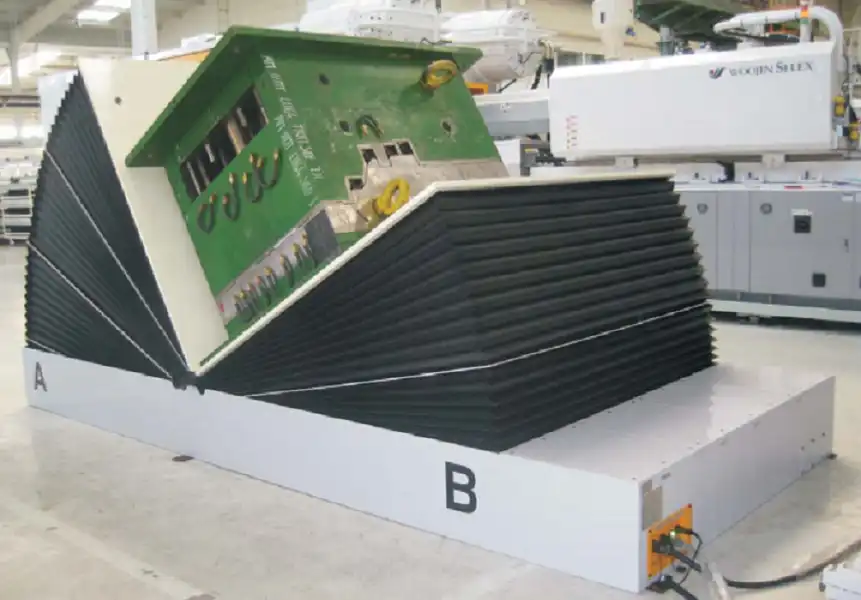
Future innovations in mold upender technology are focused on enhanced automation, seamless integration with smart factory systems, and greater customization. Emerging technologies like IoT, AI, and advanced robotics are paving the way for fully autonomous upenders capable of self-optimization and predictive maintenance. These advancements aim to create mold handling solutions that are even more efficient, versatile, and safer for the industries of tomorrow.
Exploring Emerging Trends Shaping the Future of Automation
Several key trends are poised to drive the next wave of innovation in automated control systems for mold upender technology. These trends are not isolated but synergistic, promising a future of highly intelligent and adaptable mold handling solutions.
Internet of Things (IoT) Integration: Data-Driven Optimization
IoT integration will transform mold upenders from standalone machines into data-rich assets within a connected factory ecosystem.
| Innovation | Description | Expected Impact |
|---|---|---|
| Real-time Monitoring | Sensors continuously stream data on load, cycle times, vibration, temperature, etc. | Proactive performance insights, identify bottlenecks, optimize cycle parameters |
| Predictive Maintenance | AI algorithms analyze sensor data to predict potential failures and maintenance needs | Minimize downtime, reduce unplanned stops, optimize maintenance schedules |
| Remote Diagnostics | Manufacturers and service providers remotely monitor and diagnose upender status | Faster troubleshooting, remote software updates, reduced on-site service visits |
Artificial Intelligence (AI) and Machine Learning: Intelligent Autonomy
AI and machine learning will imbue mold upenders with the ability to learn, adapt, and optimize their operation autonomously.
| Innovation | Description | Expected Impact |
|---|---|---|
| Adaptive Control | AI algorithms automatically adjust operating parameters based on mold characteristics | Optimized cycle times for different molds, reduced setup time, improved efficiency |
| Optimized Cycle Times | Machine learning optimizes tilting cycles based on historical data and real-time feedback | Maximize throughput, minimize energy consumption, reduce wear and tear |
| Autonomous Operation | AI-powered upenders operate independently, integrated with robotic material handling | Fully automated mold handling cells, lights-out operation potential, reduced labor |
Modular and Flexible Designs: Customization and Adaptability
Future upender designs will prioritize modularity and flexibility to cater to diverse and evolving industry needs.
| Innovation | Description | Expected Impact |
|---|---|---|
| Customizable Configurations | Modular components allow for easy customization of size, capacity, features | Tailored solutions for specific applications, reduced lead times, cost-effectiveness |
| Adaptable Tooling | Quick-change tooling and interfaces handle a wider variety of mold types and sizes | Increased versatility, reduced changeover time, optimized utilization |
| Mobile and Portable Options | Development of mobile and portable upender units for flexible factory layouts | Greater flexibility in factory layout, adaptable to changing production needs |
These future trends point towards a paradigm shift in mold handling, moving from automated machines to intelligent, interconnected, and adaptable systems. The design of automated control systems for mold upenders will be at the heart of this transformation, driving efficiency, safety, and flexibility to unprecedented levels.
4. Modern Mold Upender Features and Capabilities
Today’s mold upenders are technological marvels, packed with features honed over decades of innovation. They are not just robust machines; they are sophisticated systems designed for optimal performance, safety, and ease of integration into modern manufacturing environments. What exactly makes a modern mold upender so capable?
Modern mold upenders boast a wide array of features, including hydraulic or electric tilting mechanisms, robust safety systems, and user-friendly controls. Capacities range from a few tons to hundreds, accommodating diverse mold sizes and weights. Advanced models offer features like variable tilting speeds, precise positioning, and seamless integration with plant-wide control systems, making them indispensable for contemporary mold handling operations.
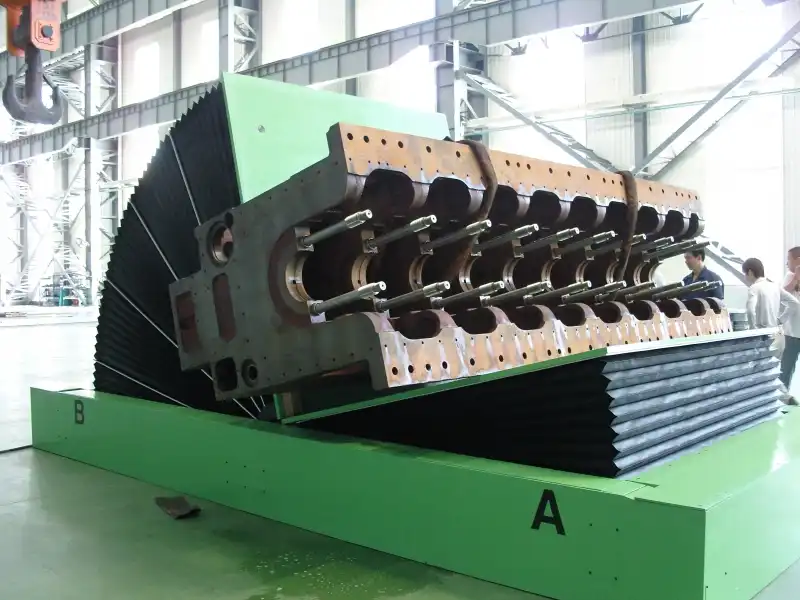
Contemporary mold upenders are engineered for demanding industrial environments and incorporate a range of technologies to ensure safe, efficient, and reliable operation. Key features include:
- Robust Construction: Heavy-duty steel frames and components ensure durability and stability under heavy loads.
- Hydraulic or Electric Tilting Systems: Provide smooth and controlled tilting motion with precise positioning capabilities.
- Variable Tilting Speeds: Adjustable tilting speeds allow for optimized handling of different mold types and weights.
- Safety Interlocks and Sensors: Comprehensive safety systems, including light curtains, pressure sensors, and emergency stops, protect operators and prevent accidents.
- User-Friendly Controls: Intuitive pendant controls, remote operation options, and PLC-based control systems simplify operation and integration.
- Customizable Decks and Fixtures: Loading decks can be customized with rollers, V-blocks, or specialized fixtures to accommodate various mold shapes and sizes.
These features, combined with advanced automated control systems, make modern mold upenders powerful and versatile tools for manufacturers seeking to optimize their mold handling processes.
Conclusion
The evolution of mold upenders is a testament to industrial ingenuity, transforming mold handling from a hazardous manual task to a safe and efficient automated process. By continuously integrating advancements in automation, mold upenders have become indispensable for modern manufacturing. They drive efficiency, enhance safety, and pave the way for even more innovative solutions in material handling. Explore our Collection to discover more about advanced material handling solutions that can revolutionize your operations.








