
Are you struggling with the cumbersome and risky task of manually flipping heavy molds? Imagine a solution that not only eliminates the danger but also streamlines your workflow, enhancing both safety and efficiency. A mold upender is that solution, designed to effortlessly rotate molds, dies, and other heavy objects with precision and ease.
Operating a mold upender is straightforward: First, ensure the mold is securely positioned on the upender’s platform. Next, with safety checks complete, activate the controls to initiate the smooth rotation. Finally, once the mold is in the desired orientation, secure it and proceed with your manufacturing process. This guide provides a detailed walkthrough on how to safely and effectively operate a mold upender, ensuring optimal performance and workplace safety.
Ready to transform your mold handling process? Let’s dive into the essential steps for operating a mold upender and discover how this equipment can revolutionize your operations.
What Is a Mold Upender?
Manual mold flipping is not only inefficient but also poses significant safety risks to operators and potential damage to valuable molds. Visualize a safer, faster, and more controlled method. A mold upender provides exactly that—a specialized piece of equipment designed to rotate heavy molds and dies, enhancing both safety and productivity in industrial environments.
A mold upender is a machine designed to safely and efficiently rotate heavy molds, dies, and similar objects. It typically features a robust structure with a rotating platform or cradle that tilts or flips the load, transitioning it between horizontal and vertical orientations. This equipment is crucial for industries requiring precise and safe handling of heavy tooling. Mold upenders minimize manual handling, reduce the risk of accidents, and speed up production processes.
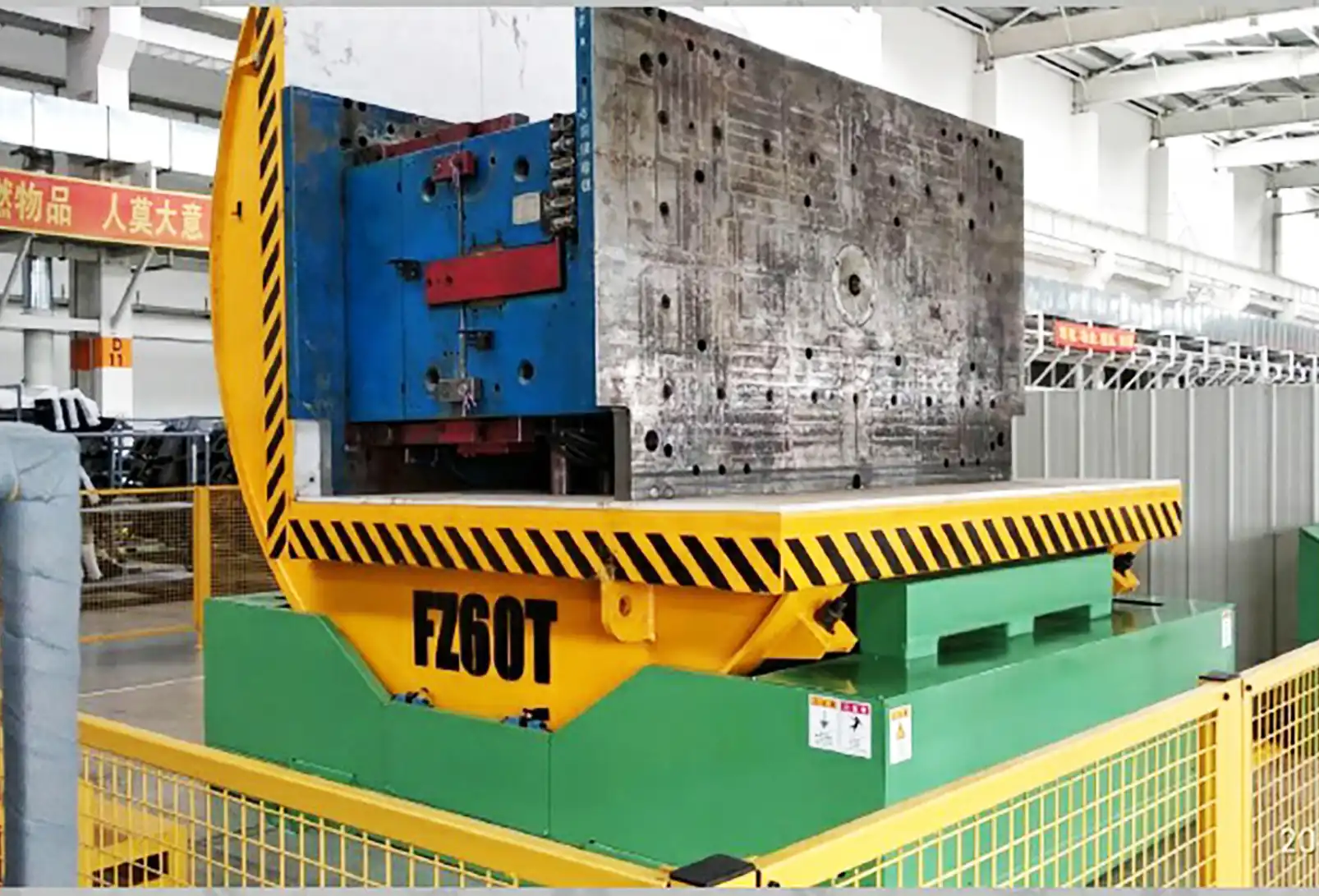
Dive Deeper into the Basics of a Mold Upender
Understanding the core components and operational principles of a mold upender is crucial for effective and safe utilization. These machines are engineered to handle substantial weights and require careful operation to maximize their benefits and ensure longevity. Let’s break down the key aspects:
Core Components of a Mold Upender
A typical mold upender consists of several key components working in concert:
- Robust Frame: The foundation of the upender, designed to support the entire machine and the heavy loads it handles. It ensures stability during operation and is usually constructed from heavy-duty steel.
- Rotating Cradle or Platform: This is where the mold is placed. The cradle is designed to securely hold the mold and rotate it smoothly. It often includes features like adjustable clamps or V-saddles to accommodate different mold shapes and sizes.
- Drive System: The mechanism that powers the rotation. This can be either mechanical, using gears and chains, or hydraulic, employing hydraulic cylinders and pumps. The choice of drive system affects the upender’s torque, speed control, and maintenance requirements.
- Control System: Allows operators to manage the upender’s movements. Basic controls include push-button pendants for up/down rotation, while advanced systems may feature programmable logic controllers (PLCs), touchscreens, and remote operation capabilities.
- Safety Features: Essential for protecting operators and preventing damage. These include emergency stop buttons, limit switches to prevent over-rotation, safety guards, and maintenance devices like locking pins for secure maintenance.
Operational Principles
The operation of a mold upender follows a straightforward sequence:
- Loading the Mold: Molds are typically loaded onto the upender’s platform using overhead cranes, forklifts, or other material handling equipment. Precise placement is crucial to ensure balance and stability during rotation.
- Securing the Load: Once the mold is positioned, it must be securely fastened to the cradle. This might involve adjusting clamps, tightening straps, or engaging locking mechanisms to prevent any movement during rotation.
- Initiating Rotation: The operator activates the drive system via the control panel. Depending on the model, this might involve holding a button for continuous movement (dead-man control) or pressing a button for automatic 90-degree rotation.
- Controlled Rotation: The drive system smoothly rotates the cradle, transitioning the mold from a horizontal to a vertical position, or vice versa. Limit switches ensure the rotation stops at the desired angle, typically 90 degrees.
- Unloading or Further Processing: Once the mold is in the desired orientation, it can be unloaded or moved to the next stage of the manufacturing process. For processes like mold maintenance or part assembly, the upender can hold the mold securely in the new orientation.
Mechanical vs. Hydraulic Upenders
Choosing between mechanical and hydraulic upenders depends on specific operational needs and preferences. Here’s a comparison:
| Feature | Mechanical Upender | Hydraulic Upender |
|---|---|---|
| Drive System | Gears, chains, sprockets | Hydraulic cylinders, pumps, valves |
| Torque | Fixed, determined by gear ratio | Adjustable via hydraulic pressure |
| Load Capacity | Generally suitable for medium to heavy loads | Typically higher, capable of handling very heavy loads |
| Speed Control | Less variable, more consistent rotation speed | More precise, adjustable speed control |
| Maintenance | Simpler mechanical components, easier to maintain | More complex hydraulic system, requires expertise |
| Cost | Generally lower initial cost | Higher initial cost, potentially higher running costs |
| Operation | Can be noisier due to mechanical components | Quieter, smoother operation |
For facilities handling lighter molds and prioritizing simplicity and lower upfront costs, mechanical upenders are often sufficient. However, for very heavy molds or operations requiring fine control and higher power, hydraulic upenders are generally preferred.
By understanding these fundamental aspects, operators and managers can better appreciate the functionality and importance of mold upenders in enhancing industrial operations. This knowledge is essential for safe operation, effective maintenance, and making informed decisions when selecting the right equipment for specific needs.
Why Is a Mold Upender Important?
In many industrial settings, particularly in mold making and manufacturing, the manual handling of heavy molds presents significant challenges. Workers face the risk of serious injuries, and the molds themselves are susceptible to damage. A mold upender directly addresses these critical issues, providing a safer and more efficient solution for rotating and handling heavy tooling.
Mold upenders are vital because they drastically improve safety, enhance productivity, and protect valuable molds from damage. By automating the heavy lifting and rotation, these machines reduce workplace injuries, speed up mold handling processes, and ensure consistent quality in mold maintenance and production. The importance of mold upenders extends across various operational aspects, making them an indispensable asset in modern manufacturing environments.
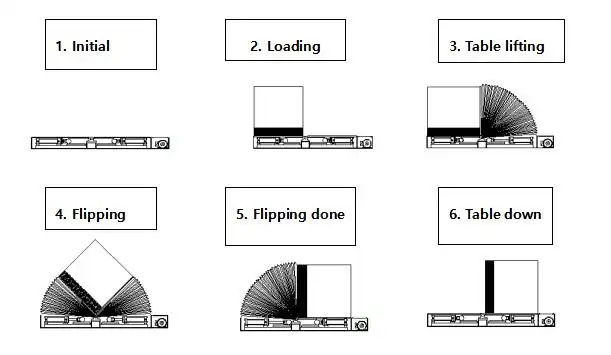
Dive Deeper into the Significance of Mold Upenders
The significance of mold upenders goes beyond mere convenience; they are fundamental in transforming how industries handle heavy tooling. Let’s explore the multifaceted benefits that underscore their importance:
Enhanced Safety and Reduced Workplace Injuries
The most immediate and critical benefit of mold upenders is the enhancement of workplace safety. Manual flipping of heavy molds is inherently dangerous, exposing workers to risks such as:
- Strain and Musculoskeletal Injuries: Lifting and rotating heavy molds manually can lead to back injuries, sprains, and strains, which are common and costly workplace injuries.
- Crushing Injuries: If a mold slips or is improperly handled, it can cause severe crushing injuries to hands, feet, or even the entire body.
- Impact Injuries: Molds can swing unexpectedly during manual handling, causing impact injuries to workers in the vicinity.
Mold upenders eliminate these risks by mechanizing the rotation process. Operators control the machine from a safe distance, often using push-button controls, ensuring no direct contact with the heavy load during movement. This drastically reduces the potential for accidents and creates a safer working environment.
Increased Productivity and Efficiency
Manual mold handling is time-consuming and labor-intensive. It often requires multiple workers and significant time, especially for larger molds. Mold upenders streamline this process, leading to substantial gains in productivity:
- Faster Cycle Times: Upenders rotate molds quickly and efficiently, reducing the time spent on each handling operation. This faster turnaround time is crucial in fast-paced manufacturing environments.
- Reduced Labor Costs: By automating the flipping process, fewer workers are needed for mold handling tasks. This not only lowers labor costs but also frees up personnel for more skilled tasks.
- Consistent Operation: Unlike manual handling, which can vary in speed and precision, upenders provide consistent and predictable rotation, making it easier to plan and optimize production schedules.
Product Protection and Damage Reduction
Molds are precision instruments and can be easily damaged during manual handling. Scratches, dents, or misalignment can affect the quality of the final products and lead to costly repairs or replacements. Mold upenders offer superior product protection:
- Controlled Movement: The smooth and controlled rotation of an upender prevents sudden impacts and shocks that can damage molds.
- Secure Support: Upenders are designed to hold molds firmly throughout the rotation process, minimizing the risk of slipping or dropping.
- Reduced Handling: Less manual contact means fewer opportunities for accidental damage. This is particularly important for delicate or high-precision molds.
Space Optimization and Flexibility
Industrial facilities often struggle with space constraints. Mold upenders can contribute to better space management and offer operational flexibility:
- Vertical Storage: By rotating molds to a vertical position, upenders facilitate vertical storage, which is more space-efficient than horizontal storage. Vertical storage reduces floor space usage and allows for better organization of molds.
- Compact Footprint: Many upender models are designed with a compact footprint, making them suitable for facilities with limited space. They can be integrated into existing layouts without requiring extensive modifications.
- Adaptability: Mold upenders are versatile and can be used in various applications, from mold maintenance and repair to integration in production lines. They can handle a wide range of mold sizes and weights, providing flexibility for different operational needs.
Ease of Training and Operation
Despite their sophisticated function, mold upenders are designed for ease of use. This simplifies operator training and ensures smooth integration into the workflow:
- Intuitive Controls: Most upenders feature user-friendly control panels with clear, straightforward操作 instructions. Operators can quickly learn to use the equipment with minimal training.
- Automated Functions: Advanced models come with automated features like preset rotation angles and safety sensors, further simplifying operation and reducing the chance of errors.
- Reduced Physical Strain: Operators do not need to exert physical effort to flip heavy molds, making the job less strenuous and more appealing.
Long-Term Cost Savings
While the initial investment in a mold upender represents a capital expenditure, the long-term cost savings are substantial:
- Reduced Injury Costs: Lower rates of workplace injuries translate to fewer medical expenses, insurance claims, and lost time due to employee absence.
- Lower Repair Costs: By preventing mold damage, upenders reduce the need for frequent and costly mold repairs or replacements.
- Increased Throughput: Enhanced productivity and faster cycle times mean more molds can be processed in less time, increasing overall throughput and revenue potential.
In summary, the importance of mold upenders in modern industry cannot be overstated. They are not merely tools but essential components that drive safety, efficiency, quality, and cost-effectiveness in mold handling operations. For any industry dealing with heavy molds and dies, investing in a mold upender is a strategic decision that yields significant and lasting benefits.
How Do I Choose the Right Mold Upender?
Selecting the appropriate mold upender is crucial for ensuring it meets your operational needs, fits your budget, and integrates seamlessly into your facility. With various types and features available, making an informed decision requires careful consideration of several key factors.
To choose the right mold upender, assess your specific needs by considering load capacity, mold dimensions, power requirements, available space, and integration with existing systems. Evaluate different types—mechanical, hydraulic, or pneumatic—and prioritize safety features, ease of use, and long-term maintenance. Selecting the right upender ensures efficiency, safety, and optimal performance for your mold handling operations.
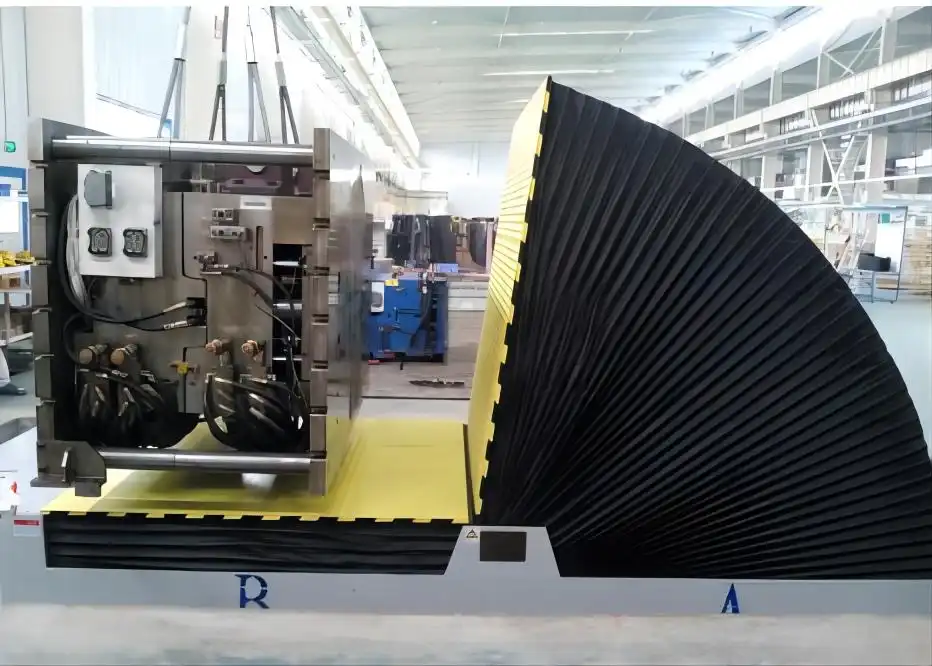
Dive Deeper into Selecting the Ideal Mold Upender
Choosing the right mold upender involves a detailed evaluation of your operational requirements and the specific features of different models. A well-informed decision will lead to improved efficiency, safety, and cost-effectiveness. Let’s explore the critical factors to consider when selecting a mold upender:
1. Load Capacity and Mold Dimensions
The primary consideration is whether the upender can handle the weight and size of your molds.
- Weight Capacity: Determine the maximum weight of the molds you need to handle. Choose an upender with a load capacity that exceeds this weight to provide a safety margin and accommodate future needs.
- Mold Dimensions: Consider the physical dimensions of your molds—length, width, and height. Ensure the upender’s platform or cradle is large enough to securely hold these dimensions. Adjustable platforms are beneficial for handling molds of varying sizes.
2. Type of Upender: Mechanical, Hydraulic, or Pneumatic
The type of drive system affects performance, cost, and maintenance.
- Mechanical Upenders: Best for medium to heavy loads, offering robust and reliable operation. They are generally simpler to maintain and can be more cost-effective for certain applications.
- Hydraulic Upenders: Ideal for very heavy loads and applications requiring precise control. They offer high torque and smooth, adjustable rotation speeds. However, they may have higher initial and maintenance costs due to the complexity of hydraulic systems.
- Pneumatic Upenders: Suitable for lighter loads and applications where compressed air is readily available. They are often cleaner and simpler than hydraulic systems but may lack the power and control of hydraulic models for heavy molds.
3. Operational Features and Controls
Consider the features that enhance usability and efficiency.
- Control Systems: Decide between basic push-button controls and advanced PLC-based systems. PLC controls offer greater automation, integration capabilities, and safety features like sensor feedback and programmable rotation sequences.
- Rotation Angle and Speed: Most mold upenders offer 90-degree rotation, but some may offer adjustable angles. Variable speed control is beneficial for handling delicate molds or when precision is required.
- Safety Features: Prioritize upenders with comprehensive safety features such as emergency stops, limit switches, safety guards, and maintenance locking devices. These features are crucial for operator safety and preventing accidents.
4. Footprint and Space Requirements
Assess the available space in your facility and choose an upender that fits comfortably.
- Compact Design: For facilities with limited space, look for upenders with a small footprint and minimal clearance requirements. Vertical lift models and those with in-place rotation can save space.
- Installation Requirements: Consider whether the upender needs to be bolted to the floor or can be portable. Fixed installations offer greater stability for heavy loads, while portable models provide flexibility to move the equipment as needed.
5. Integration with Existing Systems
Determine how the upender will integrate with your current workflow and equipment.
- Conveyor Integration: If your facility uses conveyors, choose an upender that can be easily integrated with conveyor lines for automated mold transfer.
- Material Handling Equipment Compatibility: Ensure the upender is compatible with your existing cranes, forklifts, or other lifting devices used for loading and unloading molds.
- Automation Capabilities: For automated production lines, select an upender with PLC controls and communication interfaces that can be integrated into your overall control system.
6. Supplier Support and Maintenance
Consider the long-term support and maintenance requirements.
- Supplier Reputation and Support: Choose a reputable supplier known for quality equipment and reliable after-sales support. Check for warranties, spare parts availability, technical assistance, and maintenance services.
- Maintenance Requirements: Evaluate the maintenance needs of different upender types. Mechanical models are generally simpler to maintain, while hydraulic and pneumatic models may require specialized expertise. Consider in-house maintenance capabilities or the availability of local service providers.
7. Cost and Total Cost of Ownership
Balance initial cost with long-term operational expenses.
- Initial Investment: Compare the purchase prices of different models, considering features and capabilities. Remember that a lower initial cost may be offset by higher maintenance or operational inefficiencies in the long run.
- Operational Costs: Consider energy consumption, maintenance costs, spare parts, and potential downtime. Hydraulic systems may have higher energy consumption and maintenance costs compared to mechanical systems.
- Return on Investment (ROI): Evaluate the potential ROI by considering productivity gains, labor savings, reduced injury rates, and product damage prevention. A higher initial investment in a more efficient and reliable upender may yield better long-term returns.
8. Future Scalability
Anticipate future needs and choose an upender that can accommodate growth.
- Scalability: If you anticipate handling heavier or larger molds in the future, select an upender with capacity to spare. Modular designs or models with upgrade options can also provide scalability.
- Versatility: Choose an upender that can handle a range of mold sizes and types to accommodate changes in production requirements.
By carefully considering these factors and aligning them with your specific operational needs, you can select the right mold upender that enhances safety, boosts efficiency, and provides long-term value for your industrial operations.
Step-by-Step Guide: How to Operate a Mold Upender
Operating a mold upender safely and effectively requires adherence to a structured process. This step-by-step guide outlines the procedures for operating a typical mold upender, ensuring both operator safety and efficient mold handling.
Operating a mold upender involves several key steps: First, perform pre-operation checks to ensure safety and functionality. Next, load and secure the mold onto the upender platform. Then, initiate the rotation using the control panel, monitor the process, and safely unload the mold once rotation is complete. Regular maintenance and adherence to safety guidelines are crucial for optimal operation. Follow these steps to maximize the benefits and safety of your mold upender.
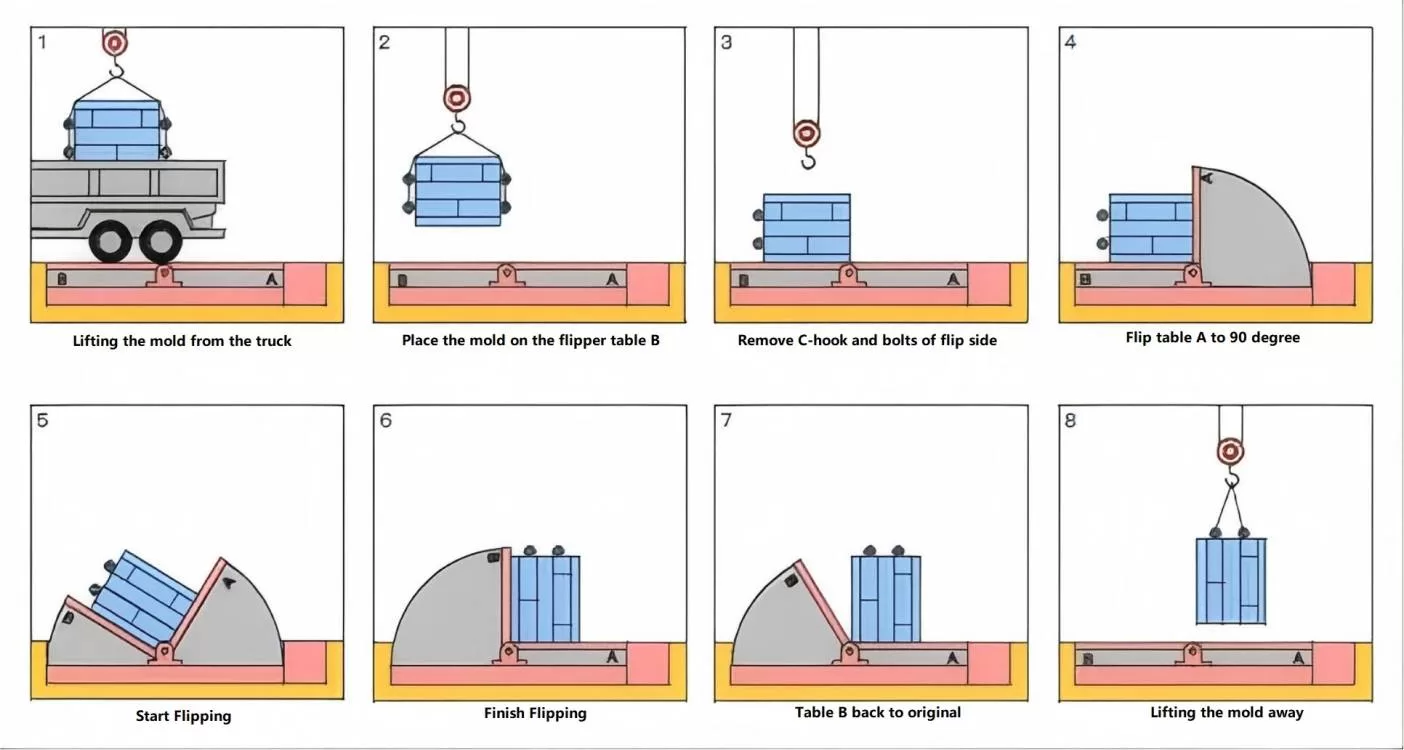
Detailed Steps for Operating a Mold Upender
1. Pre-Operation Checks
Before each operation, conduct thorough checks to ensure the upender is in safe working condition:
- Visual Inspection:
- Check for any visible damage to the frame, platform, hydraulic cylinders (if applicable), and control panel.
- Ensure all safety guards and covers are in place and securely fastened.
- Inspect hydraulic hoses and fittings for leaks, wear, or damage.
- Verify that electrical cables and connections are intact and not frayed or exposed.
- Functional Checks:
- Test the emergency stop button to ensure it immediately halts operation.
- Operate the upender through a dry cycle (without a mold) to check for smooth rotation and proper functioning of limit switches.
- Verify that all controls (up/down buttons, speed controls if available) are responsive and working correctly.
- Maintenance Log Review:
- Check the maintenance log to ensure that scheduled maintenance has been performed and that there are no outstanding issues reported.
- Confirm that daily operator checks have been completed.








