
Imagine wrestling with tons of heavy molds, manually flipping and positioning them with sheer muscle and cranes. A daunting task, right? For years, this was the reality in manufacturing. But thankfully, those back-breaking days are fading into history with the rise of mold upenders.
Mold upenders have revolutionized heavy mold handling by transitioning from manual labor to sophisticated automated systems. Initially, rudimentary devices offered basic assistance, but today’s advanced upenders ensure safety, precision, and efficiency. These modern marvels streamline operations, reduce labor costs, and minimize the risks associated with handling heavy and unwieldy molds.
Ready to discover how these essential machines have transformed from simple tools to indispensable automated solutions? Let’s dive into the fascinating evolution of mold upenders.
1. Understanding Mold Upenders and Their Core Purpose
Heavy molds, essential for countless industries, present significant handling challenges. Moving, rotating, and positioning these massive tools used to be a dangerous ballet of manpower and machinery. But what if there was a safer, more efficient way?
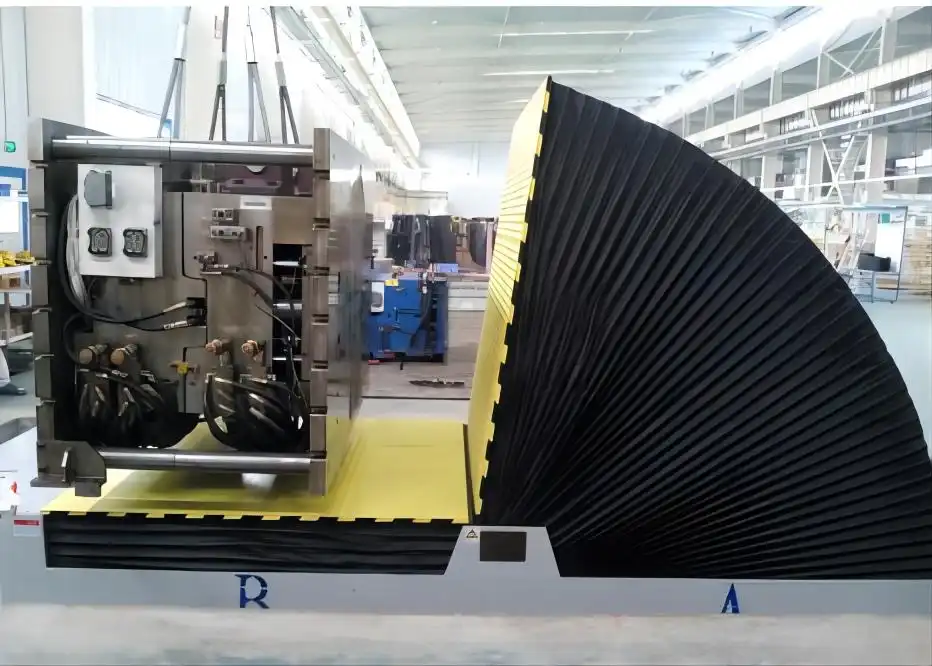
Mold upenders are specialized machines designed to safely and efficiently tilt heavy molds. Their primary purpose is to reorient molds, typically rotating them 90 or 180 degrees, to facilitate various manufacturing processes like maintenance, repair, and die changes. By automating this rotation, upenders minimize manual handling, enhance safety, and boost productivity in mold-intensive industries.
The Indispensable Role of Mold Upenders in Modern Manufacturing
Mold upenders are not just convenient tools; they are critical components in streamlining modern manufacturing workflows. Their impact spans across safety improvements, cost savings, and enhanced operational efficiency. Let’s break down how they deliver such comprehensive benefits:
Enhanced Safety: Minimizing Risks in Heavy Lifting
Manual mold handling is inherently risky. The sheer weight and awkward shapes of molds pose significant dangers to workers. Accidents, strains, and injuries were common when relying on manual methods. Mold upenders drastically reduce these risks by:
- Reducing Human Intervention: Automation minimizes the need for workers to be in close proximity to heavy molds during lifting and rotation.
- Controlled Movement: Upenders provide precise and controlled tilting, eliminating the unpredictable swings and drops associated with manual crane operations.
- Ergonomic Design: Modern upenders are designed with operator safety in mind, featuring intuitive controls and safety interlocks to prevent accidents.
Cost Efficiency: Labor Reduction and Damage Prevention
While the initial investment in an automated upender system might seem substantial, the long-term cost benefits are undeniable. Upenders contribute to cost efficiency by:
- Reducing Labor Costs: Automated upenders require fewer personnel for mold handling, freeing up workers for other tasks.
- Minimizing Mold Damage: Controlled and precise handling reduces the risk of accidental damage to expensive molds, saving on repair or replacement costs.
- Improving Throughput: Faster and more efficient mold handling translates to quicker changeovers and increased production uptime.
Streamlined Workflow: Boosting Productivity
Integrating mold upenders into the manufacturing process significantly streamlines workflows and boosts overall productivity. This is achieved through:
- Faster Mold Changeovers: Automated tilting allows for quicker and easier access to mold components, speeding up die changes and maintenance.
- Improved Process Integration: Upenders can be seamlessly integrated into existing production lines, optimizing material flow and reducing bottlenecks.
- Increased Operational Efficiency: By automating a critical step in the mold handling process, upenders contribute to a more efficient and productive manufacturing environment.
| Feature | Benefit |
|---|---|
| Safety Automation | Reduced workplace accidents and injuries |
| Precision Control | Minimized mold damage and repair costs |
| Efficient Operation | Increased throughput and reduced downtime |
| Labor Savings | Lower operational expenses |
| Workflow Integration | Streamlined production processes |
2. Tracing the Technological Evolution of Mold Upenders
From basic levers to complex robotic systems, the evolution of mold upenders mirrors the broader advancements in industrial technology. This journey showcases how innovation has continually addressed the challenges of heavy material handling, leading to today’s sophisticated solutions.
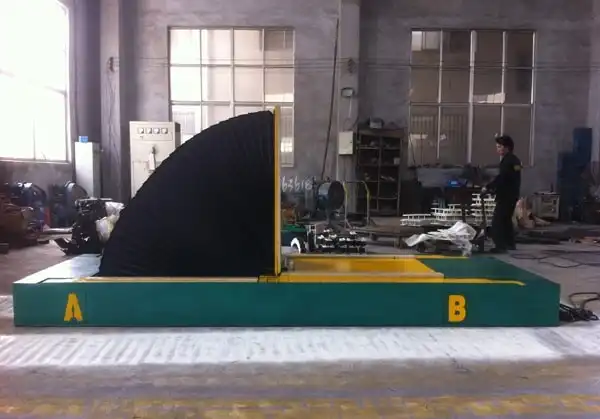
Mold upenders have undergone a remarkable transformation, evolving from manually operated devices to sophisticated, automated systems. Early upenders were simple mechanical aids, but modern versions incorporate hydraulics, sensors, and computer controls for precise and safe mold handling. This evolution reflects the increasing demand for efficiency, safety, and precision in mold handling across various industries.
From Manual to Automated: Key Milestones in Upender Development
The evolution of mold upenders can be categorized into distinct phases, each marked by significant technological advancements:
The Era of Manual Handling: Early Challenges
Initially, mold handling relied heavily on manual labor, often with the assistance of basic lifting devices like levers, pulleys, and cranes. This era was characterized by:
- High Labor Intensity: Significant manpower was required to move and rotate heavy molds.
- Safety Concerns: Manual handling posed substantial risks of injury and accidents.
- Low Efficiency: Processes were slow, cumbersome, and prone to errors.
The Introduction of Mechanization: Hydraulic and Pneumatic Systems
The advent of hydraulic and pneumatic systems marked a significant step forward. Mechanized upenders emerged, utilizing fluid power to assist in lifting and tilting. Key features of this phase included:
- Increased Lifting Capacity: Hydraulic systems enabled handling of much heavier molds compared to manual methods.
- Improved Control: Mechanization provided better control over lifting and tilting motions.
- Enhanced Safety: While still requiring operator involvement, mechanized systems reduced some of the risks associated with purely manual handling.
The Rise of Automation: Sensors and Computer Controls
The integration of sensors, programmable logic controllers (PLCs), and computer controls ushered in the era of automated upenders. This revolution brought about:
- Precise Positioning: Sensors and feedback systems allowed for highly accurate and repeatable mold positioning.
- Automated Cycles: Pre-programmed cycles streamlined operations and minimized operator intervention.
- Enhanced Safety Features: Advanced safety sensors and interlocks further reduced accident risks.
- Integration with Manufacturing Systems: Automated upenders could be seamlessly integrated into automated production lines and material handling systems.
3. Anticipating Future Innovations in Mold Upender Technology
The journey of mold upender evolution is far from over. As industries continue to demand greater efficiency, safety, and flexibility, innovation in upender technology is accelerating. The future promises even more intelligent, adaptable, and integrated solutions.
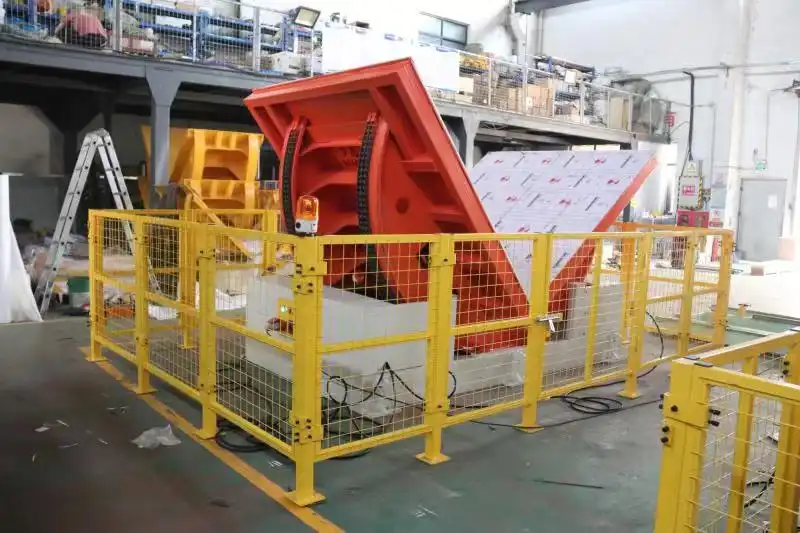
Future innovations in mold upender technology are expected to focus on enhanced automation, integration with smart factory systems, and greater customization. Emerging technologies like IoT, AI, and advanced robotics will likely lead to fully autonomous upenders capable of self-optimization and predictive maintenance. These advancements aim to create more efficient, versatile, and safer mold handling solutions for the industries of tomorrow.
Emerging Trends Shaping the Future of Mold Upenders
Several key trends are poised to drive the next wave of innovation in mold upender technology:
Internet of Things (IoT) Integration: Data-Driven Optimization
The integration of IoT technology will transform upenders into data-rich assets, enabling:
- Real-time Monitoring: Sensors will continuously monitor upender performance, providing data on load, cycle times, and operational status.
- Predictive Maintenance: Data analytics will identify potential maintenance needs before failures occur, minimizing downtime.
- Remote Diagnostics: Manufacturers can remotely monitor and diagnose upender issues, enabling faster troubleshooting and support.
Artificial Intelligence (AI) and Machine Learning: Intelligent Automation
AI and machine learning algorithms will empower upenders with intelligent capabilities, such as:
- Adaptive Control: Upenders will automatically adjust operating parameters based on mold size, weight, and specific task requirements.
- Optimized Cycle Times: AI algorithms will learn and optimize tilting cycles for maximum efficiency and throughput.
- Autonomous Operation: In the future, AI-powered upenders could operate autonomously, integrating seamlessly with robotic material handling systems.
Modular and Flexible Designs: Customization and Adaptability
Future upender designs will emphasize modularity and flexibility to meet diverse industry needs:
- Customizable Configurations: Modular designs will allow for easy customization of upender size, capacity, and features to suit specific applications.
- Adaptable Tooling: Quick-change tooling and adaptable interfaces will enable upenders to handle a wider variety of mold types and sizes.
- Mobile and Portable Options: Development of mobile and portable upender units will provide greater flexibility in factory layouts and material flow.
| Innovation | Description | Expected Impact |
|---|---|---|
| IoT Integration | Real-time data monitoring, predictive analytics | Optimized performance, predictive maintenance, reduced downtime |
| AI Autonomy | Self-learning, adaptive control | Increased precision, reduced labor, optimized efficiency |
| Modular Design | Flexible components, customizable configurations | Enhanced versatility, adaptability to diverse needs |
4. Modern Mold Upender Features and Capabilities
Today’s mold upenders are sophisticated machines packed with features designed for optimal performance, safety, and ease of use. They represent the culmination of decades of innovation, providing manufacturers with powerful tools for efficient mold handling.

Modern mold upenders boast a wide array of features, including hydraulic or electric tilting mechanisms, robust safety systems, and user-friendly controls. Capacities range from a few tons to hundreds of tons, accommodating diverse mold sizes and weights. Advanced models offer features like variable tilting speeds, precise positioning, and integration with plant-wide control systems, making them indispensable for contemporary mold handling operations.
Contemporary mold upenders are engineered for demanding industrial environments and incorporate a range of technologies to ensure safe, efficient, and reliable operation. Key features include:
- Robust Construction: Heavy-duty steel frames and components ensure durability and stability under heavy loads.
- Hydraulic or Electric Tilting Systems: Provide smooth and controlled tilting motion with precise positioning capabilities.
- Variable Tilting Speeds: Adjustable tilting speeds allow for optimized handling of different mold types and weights.
- Safety Interlocks and Sensors: Comprehensive safety systems, including light curtains, pressure sensors, and emergency stops, protect operators and prevent accidents.
- User-Friendly Controls: Intuitive pendant controls, remote operation options, and PLC-based control systems simplify operation and integration.
- Customizable Decks and Fixtures: Loading decks can be customized with rollers, V-blocks, or specialized fixtures to accommodate various mold shapes and sizes.
Conclusion
The evolution of mold upenders is a compelling narrative of industrial progress. From rudimentary manual methods to today’s automated marvels, these machines have fundamentally transformed mold handling. By continuously embracing technological advancements in automation, mold upenders have become indispensable tools for modern manufacturing, driving efficiency, enhancing safety, and paving the way for even more innovative solutions in the future. Explore our Collection to discover more about our advanced material handling solutions.








