
Customization Options for Specialized Coil Packaging Requirements
Are you struggling with damaged coils during shipping or storage? Improper packaging can lead to significant material waste, safety hazards, and increased costs. The solution? Tailored packaging designed for your specific coil needs.
Specialized coil packaging offers diverse customization options to ensure optimal protection, accommodate unique coil dimensions and materials, and streamline handling and storage. These options range from material selection and protective features to automated solutions, all designed to meet the rigorous demands of coil transport and preservation.
This guide dives deep into the world of customized coil packaging, exploring solutions that safeguard your products and enhance your operational efficiency. Read on to discover the ideal packaging strategies for your specialized coil requirements.
Tailoring Material Selection for Diverse Coil Types
Coil damage during transit is a costly and all-too-common problem. Imagine the frustration of receiving a shipment of scratched or corroded coils, rendering them unusable. The key to preventing this lies in selecting the right packaging materials, customized for the specific type of coil you’re shipping.
The selection of packaging materials is crucial for specialized coil packaging, with options ranging from various grades of paper and cardboard to specialized plastics and composite materials. Factors influencing material choice include coil weight, sensitivity to moisture or corrosion, surface finish requirements, and environmental considerations. Customization ensures optimal protection against physical damage and environmental factors.
To truly optimize coil protection, it’s essential to understand the nuances of material selection. Let’s delve into the critical factors and material types that make a difference.
Understanding Material Properties for Coil Protection
Choosing the right material isn’t just about cost; it’s about ensuring your coils arrive in perfect condition. Different coil materials and applications demand specific packaging properties. Consider these key factors:
Key Material Properties for Coil Packaging
| Property | Description | Importance for Coils | Material Examples |
|---|---|---|---|
| Tensile Strength | Resistance to breaking under tension. | Crucial for heavy coils, preventing tearing during handling and transit. | Reinforced paper, high-density plastics, steel strapping |
| Puncture Resistance | Ability to withstand sharp objects without tearing. | Protects against damage from sharp edges or impacts during handling. | Multi-layer films, thick cardboard, composite materials |
| Moisture Barrier | Resistance to water vapor transmission. | Essential for preventing corrosion, especially for steel and sensitive metals. | Polyethylene films, barrier papers, foil laminates |
| Corrosion Inhibition | Ability to prevent or slow down corrosion. | Critical for long-term storage and transport in humid or corrosive environments. | VpCI papers and films, desiccant pouches |
| Cushioning | Ability to absorb shocks and vibrations. | Protects delicate coils from damage during rough handling and transit. | Foam padding, corrugated cardboard, air pillows |
| UV Protection | Resistance to degradation from ultraviolet radiation. | Important for outdoor storage, preventing material degradation and coil damage. | UV-resistant films, coated papers |
| Antistatic Properties | Prevents buildup of static electricity. | Crucial for electronic coils or components sensitive to electrostatic discharge (ESD). | Antistatic films and foams |
By carefully evaluating these properties against the specific needs of your coils, you can select materials that offer superior protection and minimize damage during every stage of the supply chain. For instance, heavy steel coils might require high tensile strength steel strapping and reinforced paper, while sensitive aluminum coils might benefit from moisture barrier films and VpCI (Vapor phase Corrosion Inhibitor) technology to prevent corrosion.
Military-Grade Packaging for Demanding Environments
When coils are destined for harsh conditions or military applications, standard packaging simply won’t suffice. Imagine critical components exposed to saltwater spray or extreme temperature fluctuations, leading to catastrophic failure. Military-grade packaging provides the robust protection needed in these demanding scenarios.
Military-grade coil packaging utilizes specialized materials and techniques to meet stringent defense standards, ensuring coils are protected against extreme environmental conditions, physical shocks, and long-term storage challenges. These solutions often incorporate features like hermetic sealing, heavy-duty barriers, and specialized cushioning to guarantee coil integrity in the most demanding situations.
Let’s explore what makes military-grade packaging the gold standard for coil protection in extreme environments.
Key Features of Military-Grade Coil Packaging
Military specifications (MIL-SPECs) dictate rigorous standards for packaging materials and performance. These standards ensure that packaged goods can withstand the harshest conditions imaginable. For coil packaging, this translates to features like:
- Hermetic Sealing: Creating an airtight and watertight barrier to prevent moisture, gases, and contaminants from entering the package. This is crucial for long-term preservation and protection against corrosion in marine or humid environments. Materials used include specialized foil laminates and robust sealing techniques.
- Heavy-Duty Barrier Materials: Utilizing multi-layer films and laminates that offer exceptional resistance to puncture, tear, and abrasion. These materials are designed to withstand rough handling and extreme physical stress during transport and storage. Examples include thick gauge polyethylene films reinforced with woven fabrics or metal foils.
- Enhanced Cushioning and Shock Absorption: Employing advanced cushioning materials like closed-cell foams, engineered plastics, and specialized dunnage to protect coils from impact and vibration. This is critical for delicate components or coils transported over long distances or in challenging terrains.
- Extreme Temperature Resistance: Packaging materials designed to maintain their integrity and protective properties across a wide temperature range, from extreme cold to intense heat. This is essential for coils stored or transported in fluctuating climates or exposed to direct sunlight. Specialized polymers and temperature-stabilized materials are used.
- Chemical and Corrosion Resistance: Materials that resist degradation from chemical exposure, saltwater, and corrosive atmospheres. This is vital for coils used in industrial or marine environments. Coatings and specialized films with corrosion inhibitors (like VpCI) are incorporated.
- Compliance with Military Standards: Adherence to specific MIL-SPECs ensures that packaging meets the required performance criteria for military applications. This often includes rigorous testing and certification processes to validate the packaging’s protective capabilities.
By incorporating these features, military-grade packaging provides an unparalleled level of protection for coils in the most demanding environments, guaranteeing their functionality and longevity even under extreme duress.

Vacuum Sealing Options for Extended Shelf Life
For coils that require long-term storage or protection from oxidation and moisture, vacuum sealing is an invaluable customization option. Think of sensitive electronic components or precision metal coils that must remain pristine for years – vacuum sealing is the answer.
Vacuum sealing in coil packaging involves removing air from within the package before sealing, creating an oxygen-free environment that significantly extends shelf life and prevents corrosion. This method is particularly effective for protecting metals susceptible to oxidation, moisture-sensitive materials, and components requiring long-term preservation.
Let’s explore the benefits and various techniques of vacuum sealing for specialized coil packaging.
Advantages of Vacuum Sealing for Coil Preservation
Vacuum sealing offers a range of benefits that make it ideal for specialized coil packaging, especially when long-term storage or protection from environmental factors is paramount:
- Extended Shelf Life: By removing oxygen, vacuum sealing dramatically slows down oxidation and degradation processes, significantly extending the shelf life of coils, especially those made of metals prone to rust or tarnish.
- Moisture Barrier Enhancement: Vacuum sealing tightly conforms the packaging material around the coil, minimizing air space and reducing the potential for moisture ingress. When combined with moisture barrier films and desiccants, it provides superior protection against humidity.
- Corrosion Prevention: Removing oxygen, a key component in the corrosion process, is a primary defense against rust and other forms of corrosion. This is particularly critical for ferrous metals and components stored in uncontrolled environments.
- Reduced Package Volume: Vacuum sealing removes excess air, resulting in a more compact package. This can lead to savings in storage space and shipping costs, especially for large volumes of coils.
- Tamper Evidence: A tightly vacuum-sealed package provides a clear indication of tampering. Any breach in the seal is immediately visible, ensuring product integrity and security.
- Protection from Dust and Contaminants: Vacuum sealing creates a complete barrier against dust, dirt, and other airborne contaminants, keeping coils clean and pristine during storage and transit.
Vacuum Sealing Techniques and Materials
Various vacuum sealing techniques and specialized materials are available to meet diverse coil packaging needs:
| Technique | Description | Suitable Coil Types | Material Examples |
|---|---|---|---|
| Chamber Vacuum Sealers | Coil is placed inside a chamber, air is evacuated from the entire chamber, and the bag is sealed. | Ideal for larger coils and high-volume production. | Smooth vacuum bags, foil laminates, heavy-duty films |
| Nozzle Vacuum Sealers | A nozzle is inserted into the bag to evacuate air before sealing. | Suitable for various coil sizes, more flexible than chamber sealers. | Smooth vacuum bags, thicker gauge films |
| Thermoforming Vacuum Packaging | Film is heated and formed around the coil, then vacuum sealed. | Best for uniform coil shapes and high presentation requirements. | Rigid and semi-rigid films, formable laminates |
| Vacuum Skin Packaging (VSP) | Film tightly conforms to the coil like a “second skin” under vacuum. | Excellent for retail display and securing irregularly shaped coils. | Transparent skin films, printed backing cards |
| Materials for Vacuum Sealing | |||
| Smooth Vacuum Bags | Non-textured bags for chamber and nozzle sealers. | General purpose vacuum sealing. | Polyethylene, nylon, laminates |
| Channel Vacuum Bags | Textured or embossed bags for clamp-style sealers. | Home use and lighter duty applications. | Polyethylene, nylon blends |
| Foil Laminate Bags | High barrier bags with aluminum foil for maximum protection. | Long-term storage, sensitive coils, military-grade applications. | PET/Foil/PE, Nylon/Foil/PE |
| Antistatic Vacuum Bags | Bags with antistatic properties for ESD-sensitive coils. | Electronic components, sensitive devices. | Antistatic polyethylene, dissipative films |
Choosing the appropriate vacuum sealing technique and materials depends on coil size, shape, sensitivity, storage duration, and budget. For critical applications, foil laminate bags and chamber vacuum sealers often provide the highest level of protection.
Automation and Efficiency in Coil Packaging Customization
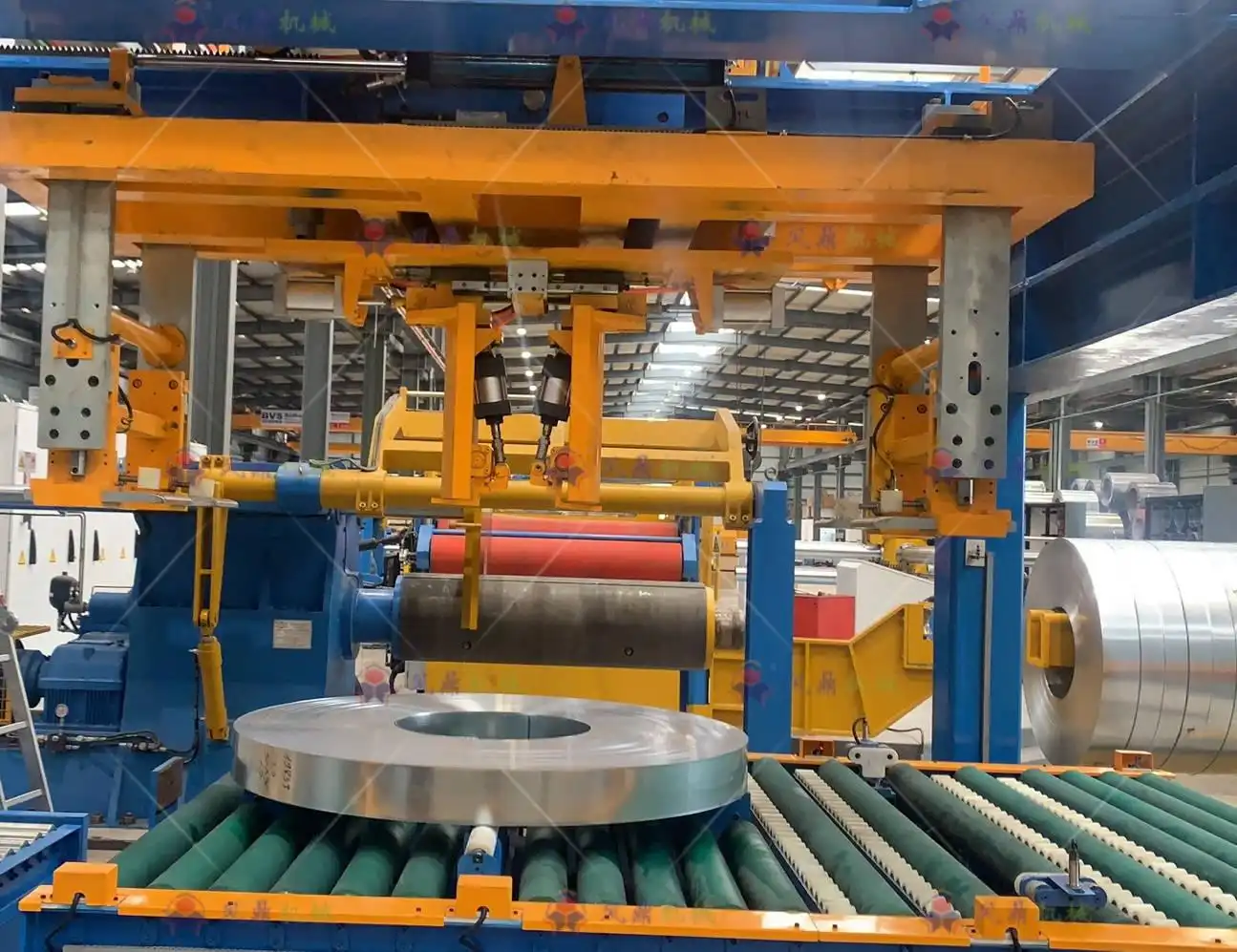
Manually packaging coils can be time-consuming, labor-intensive, and prone to inconsistencies. Imagine a high-volume production line struggling with slow, manual packaging processes, creating bottlenecks and increasing costs. Automated coil packaging systems offer a solution by streamlining operations and ensuring consistent, customized packaging.
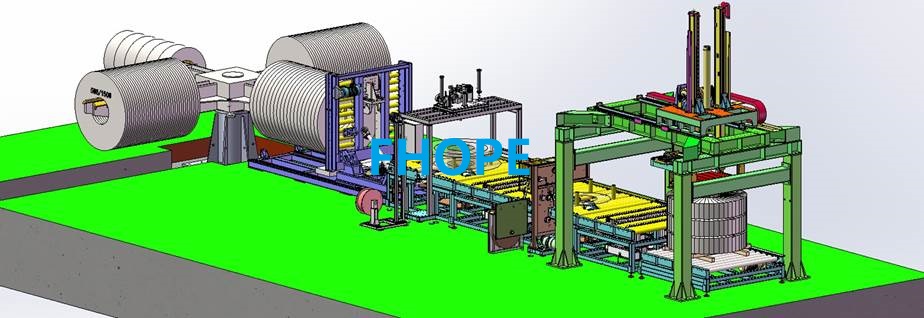
Automated coil packaging systems offer significant advantages in customization, efficiency, and consistency. These systems can be programmed to handle various coil sizes and packaging requirements, automatically applying wrapping, strapping, and protective elements. Automation minimizes manual labor, increases throughput, and ensures uniform packaging quality, reducing damage and optimizing operational costs.
Let’s explore how automation revolutionizes customized coil packaging.
-
Benefits of Automated Coil Packaging
Automating coil packaging processes brings numerous advantages that contribute to improved efficiency, reduced costs, and enhanced product protection:
- Increased Throughput and Speed: Automated systems can package coils much faster than manual processes, significantly increasing production throughput and reducing packaging time. This is crucial for high-volume operations.
- Consistent Packaging Quality: Automation ensures uniform and consistent packaging every time. Machines are programmed to apply materials and strapping with precision, eliminating human error and variability.
- Reduced Labor Costs: Automating packaging processes reduces the need for manual labor, leading to significant cost savings in wages and labor-related expenses.
- Improved Safety: Automated systems handle heavy coils and packaging materials, reducing the risk of worker injuries associated with manual lifting and handling.
- Customization and Flexibility: Modern automated systems are highly flexible and can be programmed to accommodate various coil sizes, shapes, and packaging requirements. Changeovers between different coil types can be quick and efficient.
- Material Optimization: Automated systems can be programmed to use packaging materials efficiently, minimizing waste and reducing material costs. Precise application of wrapping and strapping ensures optimal material usage.
- Enhanced Tracking and Traceability: Automated systems can be integrated with tracking and inventory management systems, providing real-time data on packaged coils and improving traceability throughout the supply chain.

- By embracing automation, businesses can achieve significant improvements in their coil packaging operations, resulting in increased efficiency, reduced costs, and enhanced product protection. Automated lines can be tailored to specific production needs, offering a scalable and adaptable solution for diverse coil packaging requirements.
Conclusion
Customization is paramount when it comes to specialized coil packaging. From selecting the right materials to implementing advanced techniques like vacuum sealing and automation, tailoring your packaging to the specific needs of your coils is an investment that pays dividends in reduced damage, enhanced efficiency, and customer satisfaction. By exploring the diverse odd-shaped coil solutions and techniques available, you can ensure your coils are protected throughout their journey, arriving at their destination in perfect condition. Consider exploring wire packing automation to further optimize your coil packaging processes.








