
Pre-Stretch vs Conventional Wrapping: Cost Analysis for Coil Packing Systems
Are you spending too much on coil packing? Imagine cutting your material costs by up to 50% and boosting your packaging efficiency simultaneously. In the coil packing industry, the choice between pre-stretch and conventional wrapping films can drastically impact your bottom line. Let’s unwrap the facts and see which method coils up the most savings for you.
Pre-stretch wrapping for coil packing systems typically offers a 25% to 40% cost saving compared to conventional wrapping due to reduced film consumption. Pre-stretch film is pre-stretched during manufacturing, requiring less film to achieve the same load containment, leading to lower material costs and increased efficiency in high-volume coil packaging operations.
Ready to discover how to optimize your coil packing process and significantly reduce costs? Dive in as we explore a detailed cost analysis between pre-stretch and conventional wrapping methods, specifically tailored for coil packing systems.
Understanding Pre-Stretch Wrapping for Coil Packing
Tired of wrestling with heavy film rolls and inconsistent wrapping results in your coil packing line? Pre-stretch wrapping film might be the game-changer you need. It’s engineered to simplify your packaging process while delivering superior load security. But how does it actually work, and more importantly, how does it impact your costs?
Pre-stretch wrapping utilizes film that has been pre-extended during the manufacturing process. This means less force is required during application to achieve optimal stretch and load containment in coil packing. The benefits include reduced material usage, lighter rolls for easier handling, improved load stability due to consistent tension, and significant cost savings in high-volume coil packaging operations. It’s particularly advantageous for securing heavy and awkwardly shaped coils efficiently and effectively.
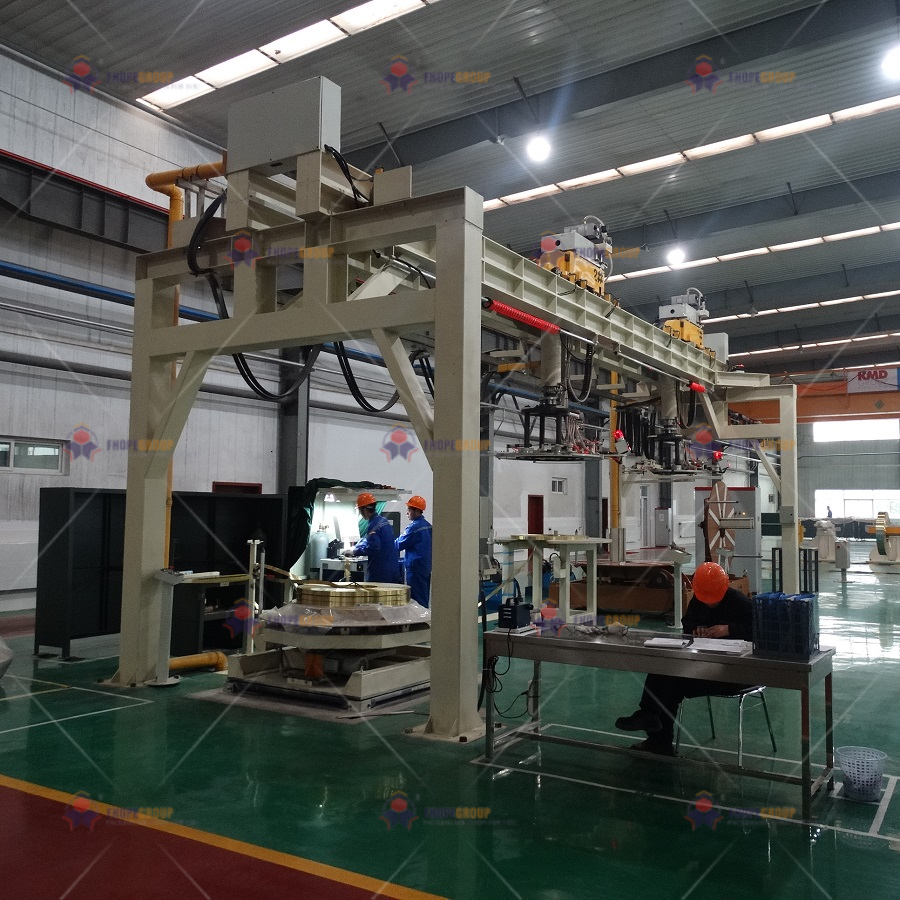
Let’s delve deeper into the mechanics and economics of pre-stretch wrapping to fully understand its advantages for coil packing systems.
The Mechanics of Pre-Stretch and Its Cost Implications
Pre-stretch wrapping technology hinges on the principle of film memory. By pre-stretching the film at the manufacturing stage, it’s engineered to maintain tension and cling force even after being stretched again during application. This is a stark contrast to conventional films that rely on manual or machine-induced stretching at the point of application.
Reduced Film Consumption
The primary cost benefit of pre-stretch film stems from reduced material usage. Because the film is already partially stretched, less film is needed to wrap each coil while achieving the same level of load containment as conventional films. Industry estimates suggest that pre-stretch film can reduce film consumption by 25% to 50%. For high-volume coil packing operations, this reduction translates directly into substantial savings on material costs.
Enhanced Efficiency and Productivity
Lighter rolls of pre-stretch film, often weighing significantly less than conventional rolls, contribute to improved operator ergonomics and reduced fatigue. This ease of handling leads to faster wrapping cycles and increased throughput in packaging lines. Furthermore, the consistent tension provided by pre-stretch film minimizes the need for re-wrapping due to film breaks or inadequate stretch, streamlining the entire packaging process.
Superior Load Containment and Reduced Damage
Pre-stretch film’s inherent elasticity and film memory provide superior load containment. The consistent and controlled tension ensures that coils are tightly secured, reducing the risk of shifting or damage during transit. This is particularly crucial for heavy and valuable metal coils, where damage can lead to significant financial losses. By minimizing product damage, pre-stretch wrapping contributes to overall cost savings by reducing scrap, rework, and customer returns.
To illustrate the potential savings, consider the following comparative scenario:
| Feature | Conventional Wrapping | Pre-Stretch Wrapping |
|---|---|---|
| Film Consumption per Coil | 1 lb | 0.6 lb |
| Film Cost per Roll | $80 | $90 |
| Rolls per Pallet (Coils) | 100 | 100 |
| Total Film Cost per Pallet | $8000 | $6000 |
| Labor Time per Pallet | 2 hours | 1.5 hours |
| Potential Film Cost Saving | – | $2000 per Pallet (25%) |
This table demonstrates a simplified scenario where pre-stretch film, despite a slightly higher per-roll cost, yields significant overall savings due to reduced consumption. The labor savings further amplify the economic benefits, making pre-stretch wrapping a compelling choice for coil packing systems focused on cost optimization and operational efficiency.
Exploring Conventional Wrapping Methods for Coils
While pre-stretch wrapping offers compelling advantages, conventional wrapping remains a viable option for certain coil packing applications. Understanding its mechanics, benefits, and limitations is crucial for a comprehensive cost analysis. When might conventional wrapping be the preferred choice, and how does it stack up against pre-stretch in terms of cost and performance for coil packing?
Conventional wrapping for coil packing involves applying stretch film that is stretched during the wrapping process itself, either manually or by machine. While it may have lower upfront film costs, conventional wrapping typically requires more film per coil to achieve adequate load containment and can be less efficient in high-volume settings. It might be suitable for operations with lower throughput needs or when maximum stretch levels are not critical.
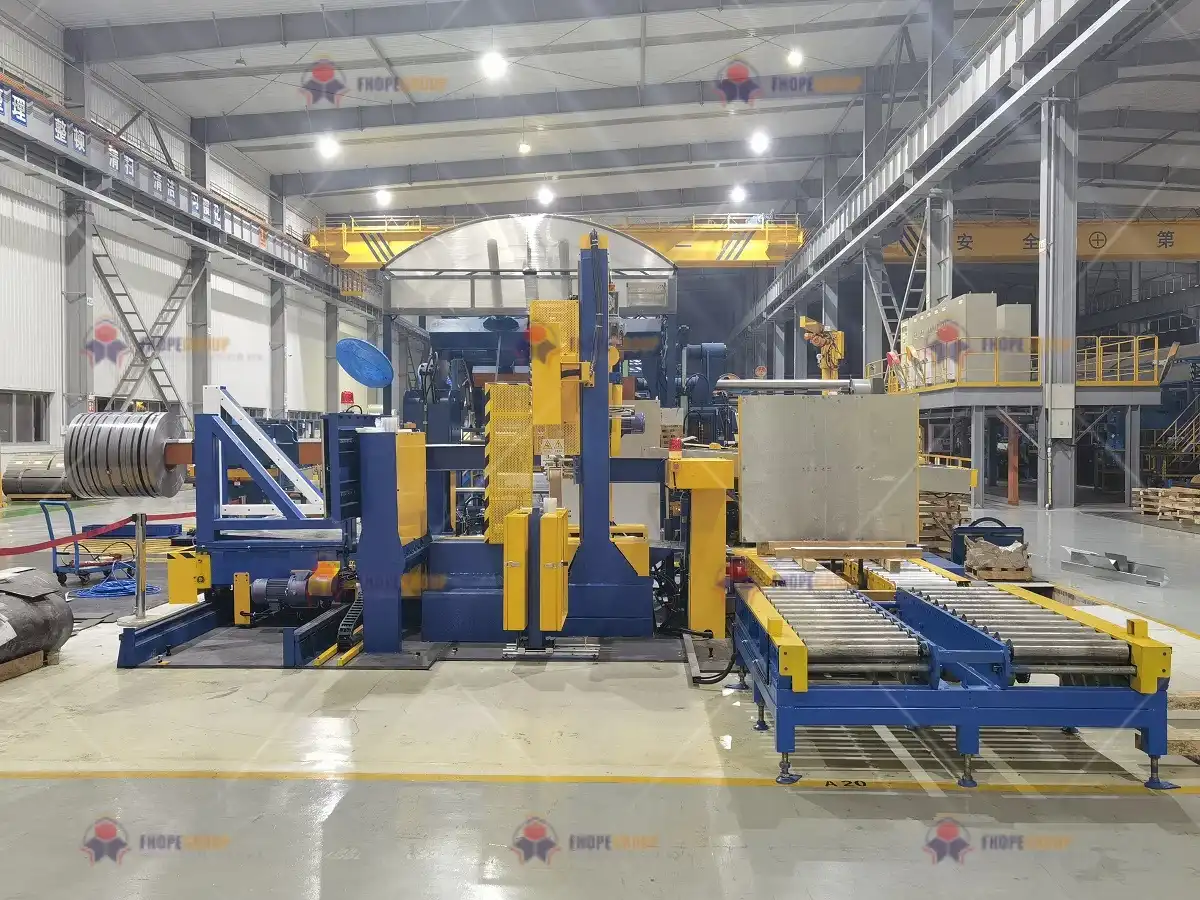
Let’s examine the nuances of conventional wrapping to ascertain its role in coil packing and how it compares economically to pre-stretch alternatives.
Conventional stretch wrapping relies on the operator or machine to physically stretch the film as it’s applied around the coil. This “post-stretch” method has several implications for cost, efficiency, and load security.
Higher Film Consumption
Typically, conventional wrapping requires a greater quantity of film to achieve comparable load containment to pre-stretch. Because the film is stretched at the point of application, achieving consistent and optimal stretch levels across the entire coil can be challenging. Operators may tend to use more film to compensate for inconsistent stretch or to ensure perceived security, leading to higher material costs over time.
Labor Intensive and Variable Consistency
Manual conventional wrapping is inherently labor-intensive and prone to variability. The quality and consistency of the wrap depend heavily on operator skill and fatigue levels. Inconsistent stretching can lead to unsecured loads, requiring re-wrapping or resulting in product damage during transit. Even with machine-assisted conventional wrapping, achieving the same level of film stretch and consistency as pre-stretch systems can be more challenging.
Potential for Lower Upfront Film Cost but Higher Overall Expense
While conventional stretch film might have a lower per-roll cost compared to pre-stretch film, the higher consumption rates and potential for inefficiencies can negate these initial savings. The increased labor time, higher risk of product damage, and greater film waste associated with conventional wrapping can lead to higher overall operational costs, especially in medium to high-volume coil packing environments.
However, conventional wrapping may still be suitable in specific scenarios:
- Low-Volume Operations: For businesses with very low coil packing volumes, the upfront investment in pre-stretch wrapping equipment might not be justified. Conventional hand wrapping could be a more economical option in such cases, despite the higher film consumption per coil.
- Specific Film Types: Certain specialized films, like netting for produce, are designed for conventional dispensers where airflow is critical, and stretch is not the primary requirement. In niche coil packing applications where breathability or non-stretch properties are needed, conventional methods might be necessary.
In most standard coil packing scenarios requiring efficient and secure wrapping for transit, the advantages of pre-stretch wrapping in terms of reduced material usage, labor efficiency, and load security often outweigh the potential lower upfront film costs of conventional methods.
Cost Analysis: Pre-Stretch vs. Conventional for Coil Packing
The core question for any coil packing operation is which wrapping method offers the most cost-effective solution. A direct cost analysis is essential to determine whether the upfront investment in pre-stretch technology justifies the long-term savings compared to conventional wrapping. Let’s break down the key cost components and compare pre-stretch and conventional wrapping for coil packing systems.
Pre-stretch wrapping generally presents a lower total cost of ownership for coil packing systems, especially in medium to high-volume operations. While pre-stretch film might have a slightly higher per-roll price, the significant reduction in film consumption, coupled with labor efficiencies and decreased product damage, typically results in overall cost savings of 25% to 40% compared to conventional wrapping methods.
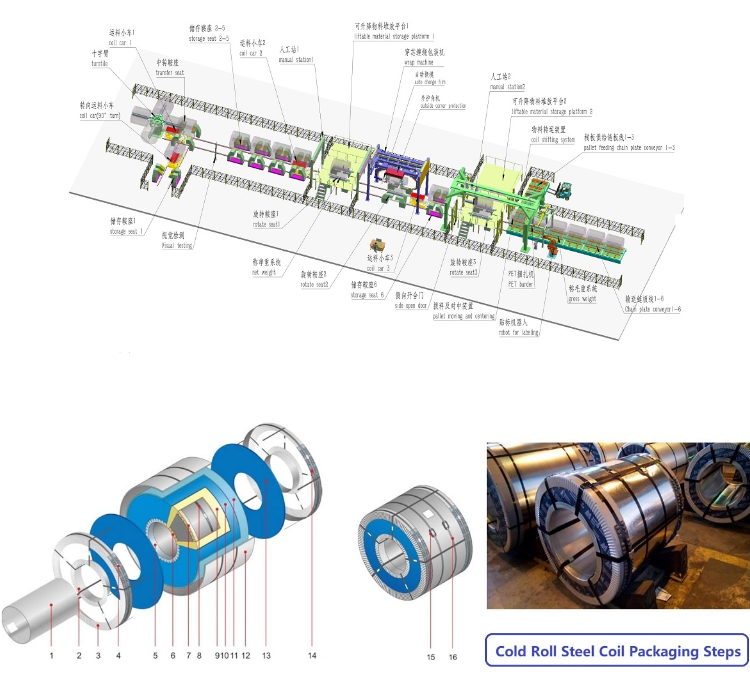
Let’s dissect the costs across various dimensions to provide a clearer picture for decision-making.
Film Material Costs: The Direct Savings
As consistently highlighted, pre-stretch film offers direct savings in material costs due to reduced consumption. Consider a scenario where a coil packing operation wraps 1000 coils per month:
| Metric | Conventional Wrapping | Pre-Stretch Wrapping |
|---|---|---|
| Film per Coil (average) | 1 lb | 0.6 lb |
| Film Cost per lb (average) | $1.00 | $1.10 |
| Monthly Film Consumption | 1000 lbs | 600 lbs |
| Monthly Film Material Cost | $1000 | $660 |
| Monthly Film Cost Savings | – | $340 (34%) |
Even with a slightly higher per-pound cost for pre-stretch film, the substantial reduction in consumption leads to significant monthly savings on film material alone.
Labor Costs and Efficiency Gains
Pre-stretch wrapping enhances labor efficiency through faster wrapping cycles and reduced physical strain on operators. Let’s analyze the labor cost implications:
| Metric | Conventional Wrapping | Pre-Stretch Wrapping |
|---|---|---|
| Wrapping Time per Coil | 5 minutes | 3 minutes |
| Labor Rate per Hour | $20 | $20 |
| Labor Cost per Coil | $1.67 | $1.00 |
| Monthly Labor Cost (1000 Coils) | $1670 | $1000 |
| Monthly Labor Cost Savings | – | $670 (40%) |
The reduced wrapping time with pre-stretch film translates into considerable labor cost savings each month. This efficiency also allows for higher throughput, potentially reducing overtime costs and improving overall productivity.
Reduced Product Damage and Indirect Savings
Beyond direct material and labor costs, pre-stretch wrapping contributes to indirect savings by minimizing product damage. Consider the potential cost of damaged coils:
| Metric | Conventional Wrapping | Pre-Stretch Wrapping |
|---|---|---|
| Damage Rate (Coils) | 5% | 1% |
| Average Cost per Damaged Coil | $50 | $50 |
| Monthly Damage Cost (1000 Coils) | $250 | $50 |
| Monthly Damage Cost Savings | – | $200 (80%) |
Reducing product damage not only saves the direct cost of scrap or rework but also preserves customer satisfaction and reduces potential losses from returns or disputes.
Total Monthly Cost Savings
Aggregating the savings across film material, labor, and reduced damage provides a comprehensive view of the cost benefits of pre-stretch wrapping:
| Cost Category | Conventional Wrapping | Pre-Stretch Wrapping | Monthly Savings |
|---|---|---|---|
| Film Material Cost | $1000 | $660 | $340 |
| Labor Cost | $1670 | $1000 | $670 |
| Product Damage Cost | $250 | $50 | $200 |
| Total Monthly Savings | – | – | $1210 |
In this illustrative scenario, switching to pre-stretch wrapping results in monthly savings of $1210, or over $14,500 annually, for a coil packing operation wrapping 1000 coils per month. These savings can be substantial, especially for larger operations, and can quickly offset the initial investment in pre-stretch wrapping equipment if needed.
Choosing the Right Wrapping System for Your Coil Packing Needs
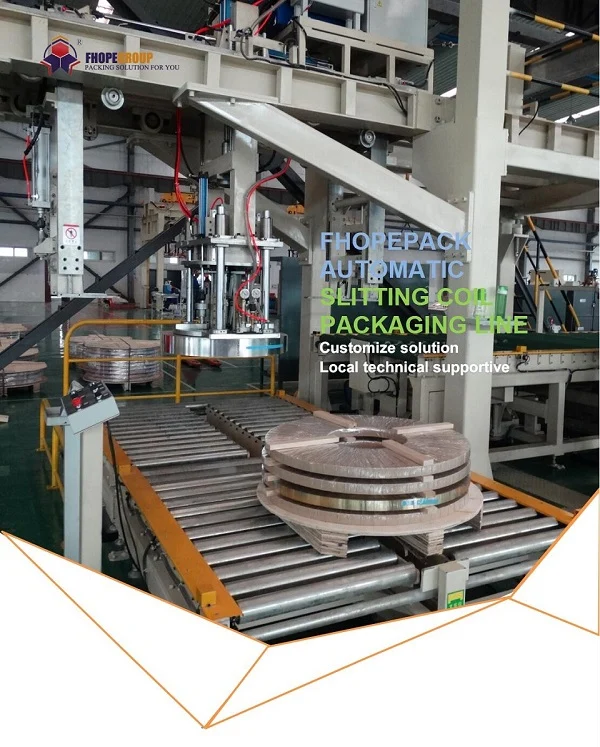
Selecting between pre-stretch and conventional wrapping for your coil packing line depends on your specific operational volume, budget, and performance requirements. For high-volume operations seeking cost efficiency and enhanced load security, pre-stretch wrapping is typically the optimal choice due to its long-term cost savings and operational benefits. However, for very low-volume or specialized applications, conventional wrapping might suffice.
Ultimately, the decision hinges on a thorough assessment of your coil packing needs and a detailed cost-benefit analysis. Consider these key factors:
- Production Volume: For high-throughput coil packing, pre-stretch systems offer greater efficiency and cost savings over time. For very low volumes, conventional hand wrapping might be adequate.
- Budget and Investment: Pre-stretch wrapping machines may have a higher upfront cost than conventional dispensers. However, the long-term ROI through reduced film consumption and labor costs often justifies this investment for medium to high-volume operations.
- Coil Type and Size: Pre-stretch is particularly advantageous for securing heavy, large, or irregularly shaped coils due to its superior load containment. For lighter, more uniform coils, conventional wrapping might be sufficient, though potentially less cost-effective in the long run.
- Labor Costs and Availability: If labor costs are a significant concern, or if you face labor shortages, pre-stretch wrapping’s efficiency gains can be particularly beneficial.
- Sustainability Goals: Pre-stretch wrapping, by reducing film consumption, aligns with sustainability initiatives by minimizing packaging waste.
Conduct a pilot test comparing both methods in your specific coil packing environment to gather empirical data on film consumption, wrapping time, and damage rates. This real-world assessment, combined with a comprehensive cost analysis, will provide the most informed basis for choosing the right wrapping system for your coil packing needs.
Conclusion
In the coil packing industry, the choice between pre-stretch and conventional wrapping is a critical decision with significant cost implications. While conventional wrapping may seem initially appealing due to potentially lower film costs, pre-stretch wrapping emerges as the more economically sound and operationally efficient solution for most coil packing systems. By substantially reducing film consumption, enhancing labor efficiency, and minimizing product damage, pre-stretch wrapping offers a compelling value proposition, leading to significant long-term cost savings and improved packaging performance. For businesses aiming to optimize their coil packing processes and reduce operational expenses, investing in wire packing automation with pre-stretch technology is a strategic move that coils up significant savings and efficiency gains.








