
Are you tired of rust eating away at your steel coils, leading to costly losses and dissatisfied customers? Moisture is the silent enemy of steel, and improper packaging is an open invitation for corrosion. Imagine the frustration of unwrapping a brand-new steel coil only to find it marred by rust and water damage. The solution? Effective moisture protection packaging.
The best way to achieve steel coil moisture protection packaging is by utilizing a coil packing machine that employs stretch film. This method creates a tight, airtight seal around the coil, significantly reducing air and moisture exposure, thereby preventing corrosion and water damage during storage and transit.
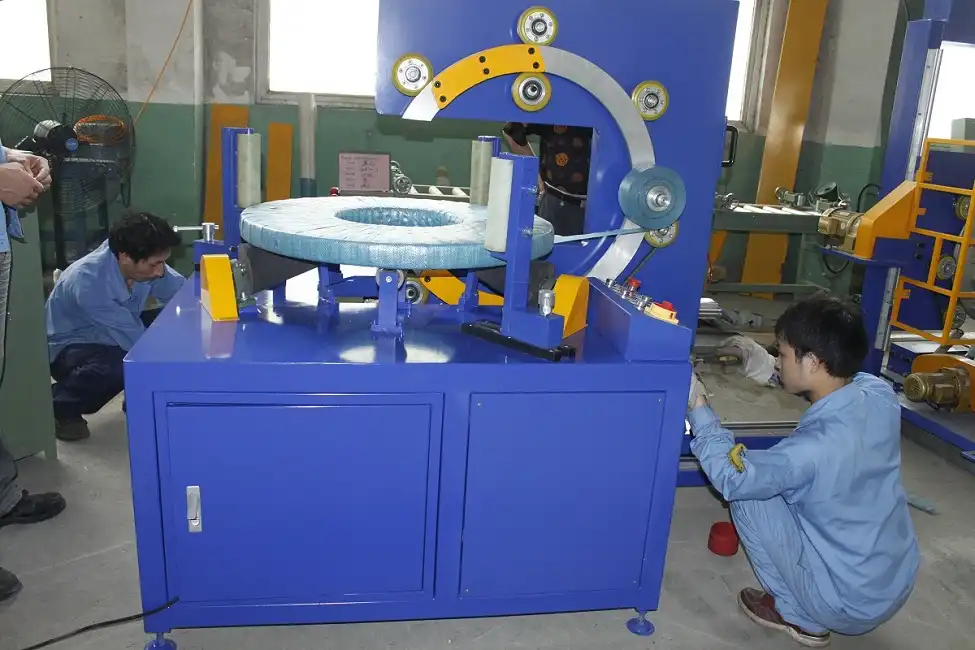
But simply wrapping your steel coils isn’t enough. Choosing the right method and materials is crucial for long-lasting protection and peace of mind. Let’s explore the essential aspects of steel coil moisture protection packaging to ensure your products arrive in perfect condition, every time.
Understanding the Enemy: Moisture and Steel Coil Degradation
Moisture is the primary culprit behind steel coil corrosion. Have you ever wondered why some steel coils develop rust while others remain pristine? The answer lies in understanding how moisture interacts with steel and accelerates degradation. Ignoring this fundamental aspect can lead to significant product damage and financial setbacks.
Steel coil degradation due to moisture occurs through a process called oxidation, commonly known as rusting. When steel, primarily composed of iron, comes into contact with water and oxygen, a chemical reaction takes place, forming iron oxide (rust). This rust weakens the steel, compromises its structural integrity, and diminishes its surface quality.
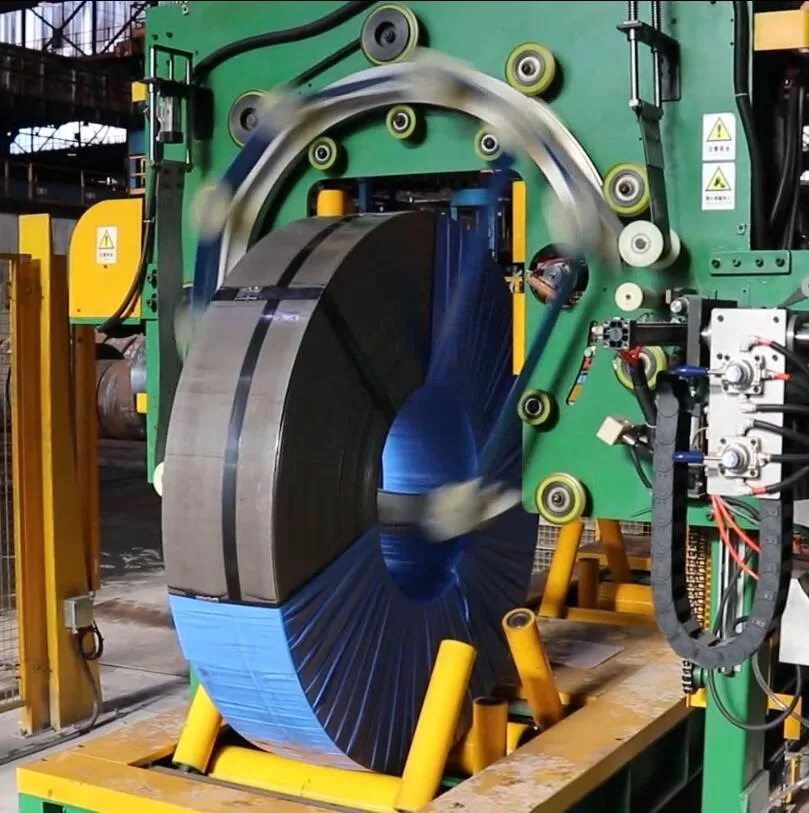
To truly combat moisture damage, we need to dive deeper into the mechanisms of corrosion and the factors that exacerbate it. Understanding these nuances is key to selecting the most effective packaging strategies and ensuring your steel coils remain in top condition.
The Science of Steel Corrosion: A Deeper Dive
Steel corrosion is not a simple surface phenomenon; it’s an electrochemical process. Let’s break down the key elements that contribute to rust formation:
Electrochemical Reactions
Rusting is an electrochemical reaction where iron loses electrons (oxidation) and oxygen gains electrons (reduction) in the presence of water, acting as an electrolyte. This process creates anodic and cathodic areas on the steel surface, leading to electron flow and ion migration, ultimately forming rust.
Factors Accelerating Corrosion
Several factors can accelerate the rate of steel corrosion:
- Humidity: Higher humidity levels mean more moisture in the air, directly increasing the risk of condensation and water exposure on steel surfaces.
- Temperature Fluctuations: Temperature changes can cause condensation. As warm air cools, it loses its capacity to hold moisture, leading to water droplets forming on cooler surfaces like steel coils.
- Contaminants: Airborne pollutants like sulfur dioxide and chlorides can react with moisture to form acidic or corrosive solutions, further accelerating rust. Saltwater environments are particularly aggressive due to high chloride concentrations.
- Exposure Time: The longer steel coils are exposed to humid or moist conditions, the greater the extent of corrosion. Prolonged storage or shipping times without proper protection significantly increase the risk.
Types of Corrosion Affecting Steel Coils
Steel coils can suffer from various types of corrosion, each with distinct characteristics:
| Type of Corrosion | Description | Contributing Factors | Impact on Steel Coils |
|---|---|---|---|
| General Corrosion | Uniform rusting over the entire surface. | Prolonged exposure to humid air and moisture. | Overall weakening and surface degradation. |
| Pitting Corrosion | Localized, deep holes or pits form on the surface. | Inhomogeneities in steel, stagnant moisture. | Concentrated weakening, potential structural failure. |
| Crevice Corrosion | Corrosion in tight spaces where moisture can become trapped. | Poorly sealed overlaps in packaging, tight coil wraps. | Hidden corrosion, difficult to detect early. |
| Galvanic Corrosion | Occurs when dissimilar metals are in contact in the presence of an electrolyte. | Contact with incompatible metals, electrolyte presence. | Accelerated corrosion of the more active metal. |
Understanding these corrosion types and their causes allows for targeted packaging strategies. For instance, in humid climates, preventing general corrosion is paramount, while for coils stored outdoors, preventing pitting and crevice corrosion becomes more critical. By addressing these specific threats, we can significantly enhance the effectiveness of steel coil moisture protection.
Choosing the Right Packaging Materials for Moisture Protection
Selecting the correct packaging materials is paramount in the fight against moisture-induced corrosion. Imagine using a paper bag to protect your valuable electronics from water – it simply wouldn’t work! Similarly, not all packaging materials offer the same level of moisture protection for steel coils. The effectiveness of your packaging directly depends on the materials you choose.
The ideal packaging materials for steel coil moisture protection are those that create a robust barrier against moisture ingress. These materials typically include stretch film, vapor corrosion inhibitor (VCI) paper, and specialized waterproof papers or laminates. The selection depends on factors like storage duration, environmental conditions, and budget.
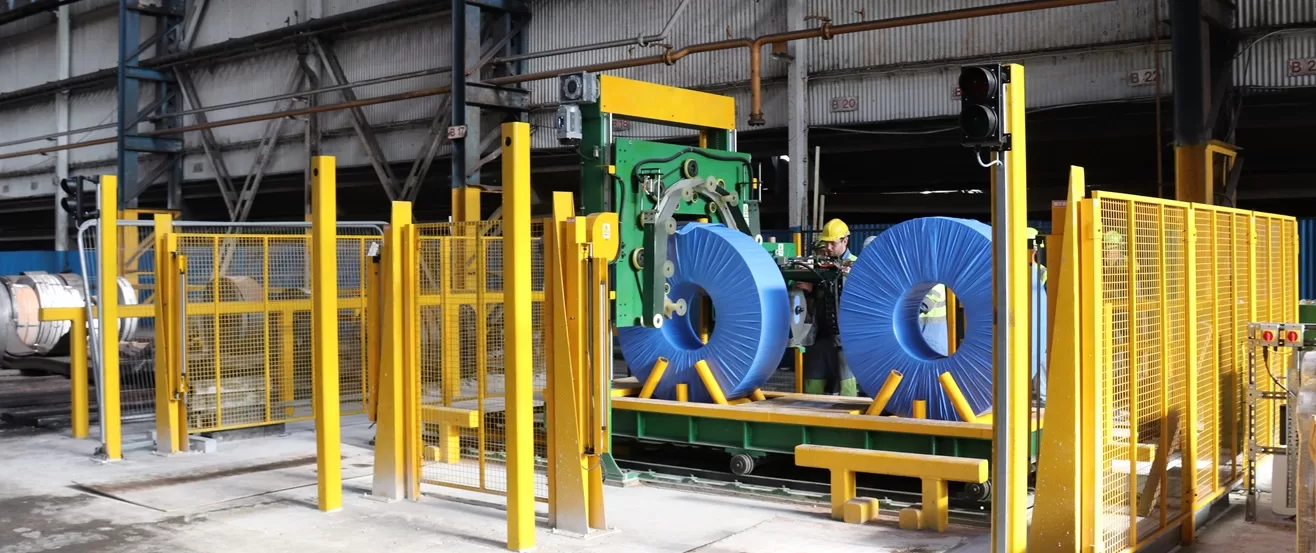
But with so many options available, how do you determine the best fit for your specific needs? Let’s explore the pros and cons of various moisture-resistant packaging materials to make an informed decision.
Moisture Barrier Material Comparison
The market offers a range of materials claiming moisture resistance, but their effectiveness varies significantly. Let’s analyze some common options:
1. Stretch Film (LLDPE)\
- Pros:
- Excellent water resistance when applied correctly with sufficient overlap and tension.
- Cost-effective and readily available.
- Provides a tight, conformable wrap.
- Transparent, allowing for visual inspection.
- Cons:
- Can be punctured or torn if not handled carefully.
- Offers limited long-term moisture vapor barrier properties compared to specialized films.
- UV degradation if not UV stabilized.








