
Packaging machines are integral to efficient production, but malfunctions can occur. Implementing clear emergency shutdown procedures is crucial for worker safety and minimizing disruptions during critical failures. This guide explains how to respond when packaging machines fail, providing step-by-step actions to resolve the issue effectively. Packaging machines, whether fully automated or semi-automatic, are susceptible to malfunctions that may cause major operational breakdowns, material losses, and sometimes workplace injuries. For this reason, it is essential to have emergency shutdown procedures in place. Let’s explore the comprehensive steps for dealing with common emergencies and how to maintain a safe and efficient packaging environment.
Types of Packaging Machines and Associated Risks
Packaging machines encompass a wide range of equipment, each with unique functions and risks:
- Filling Machines: Used to fill containers with liquids, powders, or granules; Risks include spills, leaks, and inconsistent fills.
- Sealing Machines: Seal containers to prevent leakage and contamination; Risks include improper sealing, material waste, and machine jams.
- Labeling Machines: Affix labels to containers; Risks include mislabeling, label jams, and equipment downtime.
- Cartoning Machines: Pack products into cartons or boxes; Risks include carton jams, product damage, and operational delays.
- Palletizing Machines: Stack packaged products onto pallets for shipping; Risks include pallet collapses, product damage, and worker injuries.
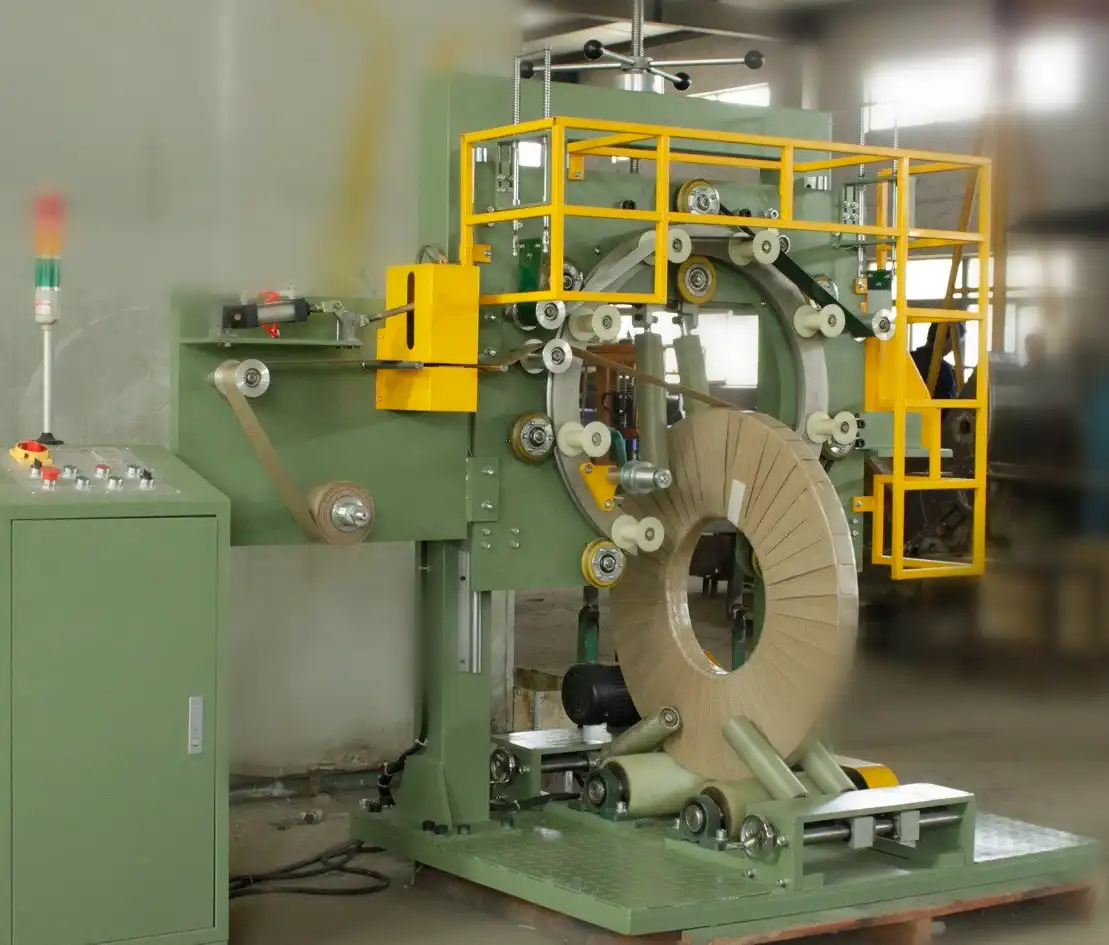
- VFFS(Vertical Form Fill Seal) Machines: Form, fill, and seal bags of products; Risks include bad seals, film tracking issues, and jaw jams.
Understanding the specific machinery and its operational risks is paramount for effective emergency response. Each machine type may require somewhat different mitigation strategies, but the overarching goal of safety and productivity remains constant.
Comprehensive Emergency Shutdown Procedures
A well-defined emergency shutdown procedure is critical for mitigating risks and reducing downtime. Here’s a step-by-step guide applicable to most types of packaging machinery:
- Immediate Stop:
- Action: Press the emergency stop button immediately.
- Explanation: This cuts off power to the machine, halting operations and preventing further damage or injury.
- Assessment:
- Action: Assess the situation to identify the type of failure and potential hazards.
- Explanation: Determine if there are any visible signs of damage, spills, or safety risks involved.
- Notification:
- Action: Notify the supervisor or relevant personnel.
- Explanation: Ensure that the right team members are informed and can take appropriate action.
- Lockout/Tagout (LOTO):
- Action: Follow LOTO procedures to de-energize the machine and prevent accidental restart during inspection and repair.
- Explanation: This step is vital to prevent accidental operation during troubleshooting and maintenance activities.
- Inspection:
- Action: Inspect the possible root cause of the failure.
- Explanation: Do a quick check to see for things like loose wires, stuck objects or other simple issues.
- Troubleshooting Steps:
- Alarm Screens: Many modern packaging machines have operator interface screens that show alarm details. This is the best place to start troubleshooting.
- Level: Make sure the machinery is level. Inconsistent fills or capping issues can be caused by the machine being unlevel.
- Correct Recipe: Is the machine running the correct recipe? Many machines have recipe screens with presets for types of bottles or products.
- Sensor Alignment: Sensors must be aligned correctly for bottles to index correctly.
- Immediate Stop:








