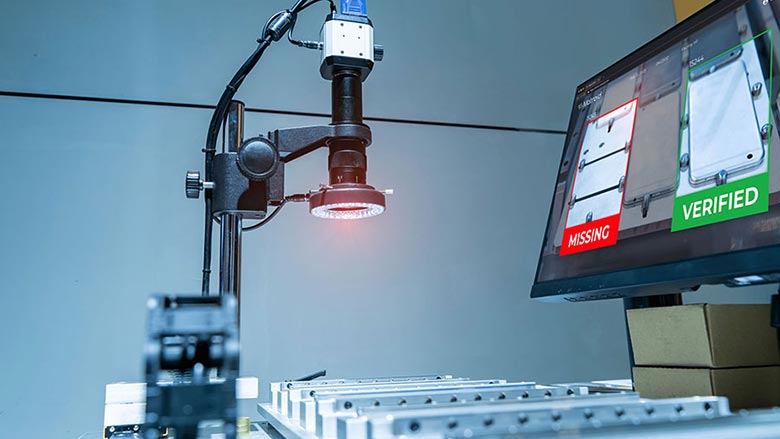
Machine Vision for Detecting Coil Wrap Defects
Effectively identifying coil wrap defects on cable jackets is vital for consistent quality and reliability in manufacturing. AI-driven machine vision systems are a game-changer. Coil wrap defects are a significant concern in various manufacturing sectors. These imperfections can compromise product integrity, leading to performance issues and customer dissatisfaction. Traditionally, manual inspection methods have been employed to detect such defects, but these are often time-consuming, inconsistent, and prone to human error. Machine vision technology offers a powerful solution by automating the inspection process, improving accuracy, and increasing efficiency. The evolution of machine vision, particularly with the integration of artificial intelligence (AI), has revolutionized defect detection. This article explores how machine vision systems work, their applications, and their benefits in detecting coil wrap defects.
Understanding Machine Vision for Defect Detection
Machine vision is a technology that equips machines with the ability to “see” and interpret images, much like the human visual system. It involves the use of cameras, image processing algorithms, and machine learning techniques to analyze video streams and identify defects. In the context of coil wrap defect detection, machine vision systems can be programmed to identify flaws such as:
- Improper wrap pitch angle
- Overlaps
- Gaps
- Tears and wrinkles
- Inconsistencies in wrapping material
Traditional machine vision systems rely on predefined rules and parameters to identify defects. While effective, these systems are often inflexible, expensive, and require extensive programming. AI-driven machine vision systems, on the other hand, introduce a dynamic and adaptable approach to defect detection.
The Evolution of AI-Driven Machine Vision
The integration of AI, particularly deep learning, has significantly enhanced the capabilities of machine vision systems. AI algorithms can learn from vast amounts of data, improve over time, and adapt to new types of defects without extensive reprogramming. Key components of an AI-driven machine vision system include:
- High-Resolution Cameras: Capture detailed video streams of the coil wrapping process.
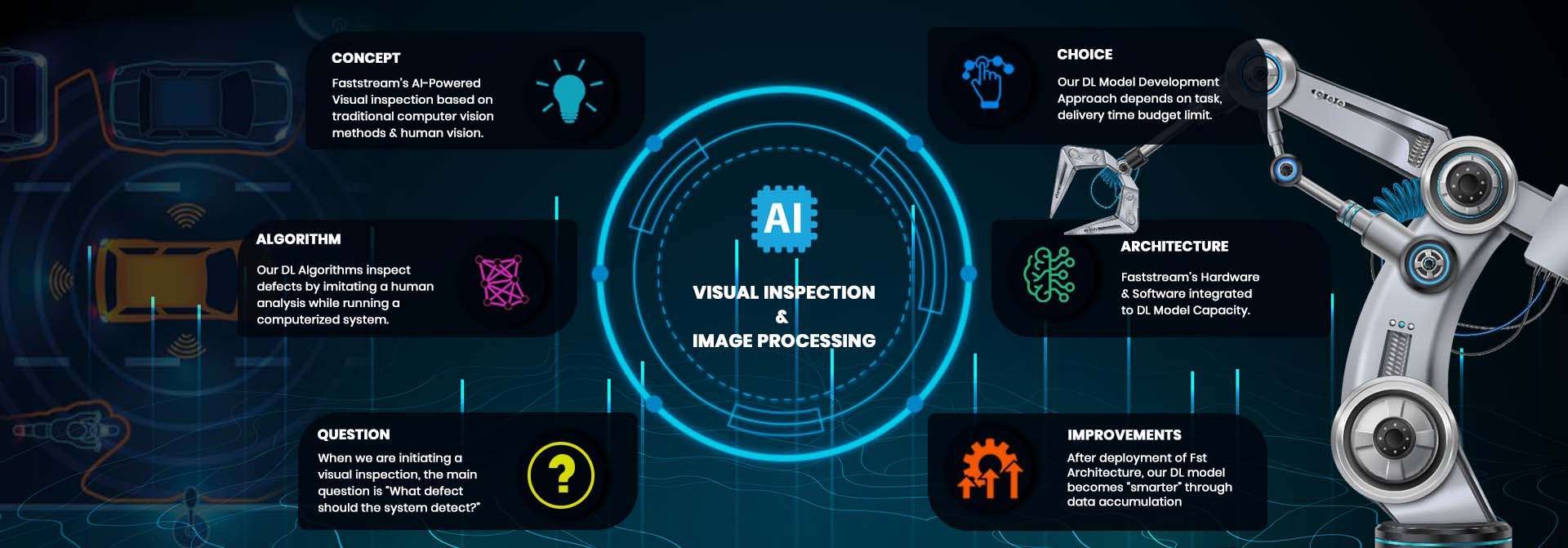
- AI Software: Processes and analyzes the images using deep learning models to identify defects.
- Real-Time Analysis: Defects are identified in real-time, enabling immediate action.
- Scalability and Flexibility: A single AI system can manage multiple production lines simultaneously.
Convolutional Neural Networks (CNNs) are particularly effective in image classification and anomaly detection. They can be trained on large datasets to identify subtle and complex defects that traditional systems might miss.
How AI-Driven Machine Vision Systems Work
The process typically involves the following steps:
- Image Acquisition: High-resolution cameras capture images of the coil wrapping process.
- Image Processing: AI software enhances image quality, highlights potential defects, and filters out noise.
- Defect Detection: Deep learning models analyze the images to identify and classify defects.
- Actionable Insights: The system provides real-time alerts and feedback to operators, enabling immediate corrective action.
Example: Taymer’s WI1300 Wrap Defect Inspector
The Taymer WI1300 Wrap Defect Inspector provides the tool needed to make thorough inspections of wrapped cables for wrapping flaws, wrong pitch angle and overlaps. This would not be possibly with the human eye.
Benefits of AI-Driven Machine Vision Systems
| Feature | Traditional Machine Vision | AI-Driven Machine Vision |

| ———————– | —————————————— | ———————————————– | | Accuracy | Limited by predefined rules | Enhanced by deep learning, detects minute flaws | | Speed | Dependent on processing power | Real-time analysis, keeps up with high-speed lines | | Cost-Effectiveness | High initial cost, requires programming | Reduced labor, fewer defects, lower operational costs | | Flexibility | Inflexible, requires reprogramming | Easily re-trained for new defects and products | | Scalability | Requires separate systems for each line | Centralized system, manages multiple lines |
Enhanced Accuracy
AI models can detect even the smallest defects that traditional systems might miss, ensuring higher product quality.
Increased Speed
The ability to process and analyze video streams in real-time allows for rapid inspection, keeping up with high-speed production lines without compromising on quality.
Cost-Effectiveness
While the initial investment in AI-driven systems may be significant, the long-term savings from reduced manual labor, fewer defects, and lower operational costs make them a cost-effective solution.
Flexibility and Adaptability
AI-driven systems can easily be re-trained or updated to accommodate inspection criteria, making them versatile across different manufacturing scenarios.

Centralized and Scalable
A single AI-driven system can manage multiple inspection points or production lines, offering unparalleled scalability and simplifying the infrastructure needed for quality inspection.
Applications in Industry
AI-driven machine vision systems have applications across various sectors, including:
- Manufacturing: Inspecting products on production lines to detect defects such as cracks, scratches, or incorrect assembly.
- Electronics: Detecting minute defects in circuit boards, solder joints, and components often invisible to the naked eye.
- Automotive: Inspecting engine components, body panels, and tires for defects that could affect safety and performance.
Real-World Example: Pulp and Paper Manufacturing
A global pulp and paper manufacturer struggled with quality control for its large rolls of high-gloss paper and laminate coating. The company had no way to verify that the coating was applied evenly, leading to coating buildup and streaks in the paper product. By implementing a machine vision system with the help of Eigen Innovations, the manufacturer was able to spot patterns within the lamination application process and identify areas where buildup was occurring. This enabled the manufacturer to save well over $1 million a year by understanding the root cause of the buildup and receiving real-time alerts when the issue started to occur.
Challenges and Considerations
Despite the numerous benefits, there are several challenges to consider when implementing AI-driven machine vision systems.
Data Requirements
Training AI models requires vast amounts of high-quality data representing all possible defect scenarios. Collecting and curating this data can be challenging but it is essential for effective model performance.
Integration with Existing Systems

Integrating machine vision systems with existing manufacturing processes and automation systems can be complex. It requires careful planning and execution to ensure seamless operation.
Training and Expertise
Operating and maintaining AI-driven machine vision systems requires specialized knowledge and expertise. Manufacturers may need to invest in training their workforce or hiring skilled professionals.
Reducing Quality Defects: Key to Industry Advancement
Reducing quality defects and the associated costs remain a significant challenge in manufacturing. Rework, re-engineering, or even refunds due to unacceptable quality standards can severely impact a company’s revenue. Therefore, preventing defects from escaping the production line is crucial. The rise of Industry 4.0 necessitates smarter factories, demanding more transparency on the causes and locations of quality issues.
Future Trends in Machine Vision for Defect Detection
The future of machine vision for defect detection is promising, with several trends shaping the evolution of this technology:
- Edge Computing: Deploying AI algorithms on edge devices, instead of relying on a central server, can reduce latency and improve real-time performance.
- Cloud Integration: Cloud-based machine vision platforms enable remote monitoring, data analysis, and model updates, enhancing scalability and flexibility.
- Advanced Sensors: The use of advanced sensors, such as hyperspectral imaging and 3D scanning, can provide more detailed and accurate information for defect detection.
Conclusion
AI-driven machine vision systems represent a transformative leap in defect detection technology. By combining the precision of machine vision with the adaptability of AI, these systems provide a powerful tool for ensuring product quality and process efficiency across industries. As technology continues to evolve, detecting coil wrap defects, including pitch angles and overlaps, becomes achievable with high-resolution images and sophisticated algorithms. This will improve the future of manufacturing and quality assurance.