
Automatic vs Semi-Automatic Pallet Flippers — What’s the Difference?
Have you ever stared at your factory floor, watching your team manually wrestling heavy steel coils or pallets, and felt that knot in your stomach? The pressure to boost output, cut costs, and keep everyone safe is immense. I’ve been there, from the factory floor to running my own packing machine factory. I know firsthand the challenges of efficiency bottlenecks, safety hazards, and product damage. It’s why I started FHOPEPACK—to share real-world solutions.
When it comes to handling heavy loads like steel coils and wire, pallet flippers are essential, but the choice between automatic and semi-automatic models can significantly impact your operational efficiency and safety. The core difference lies in the level of human intervention required: semi-automatic machines rely on an operator for each cycle, while automatic systems integrate seamlessly into a production line, operating with minimal human input.
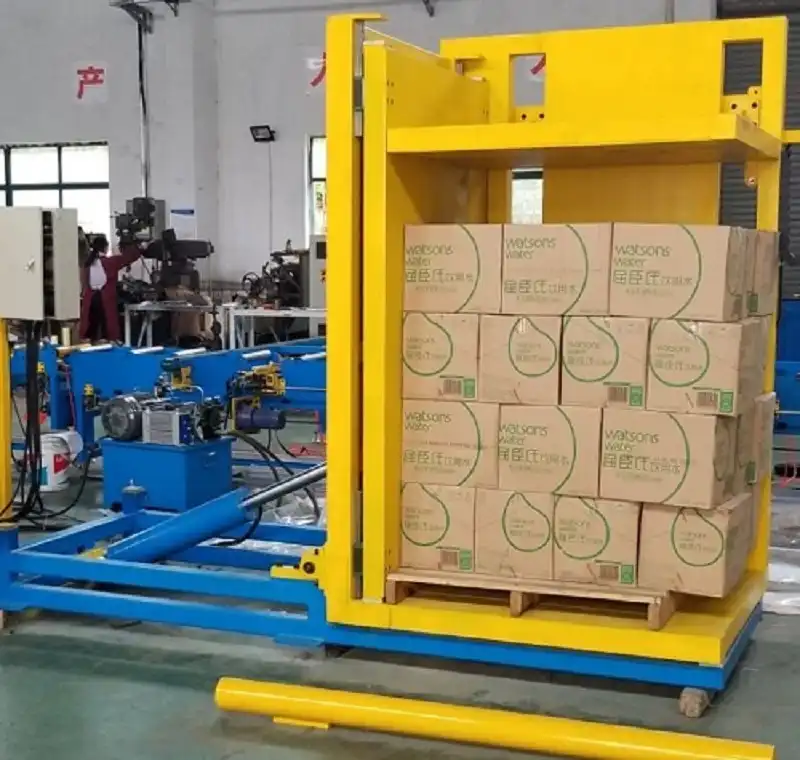
Choosing the right equipment isn’t just about buying a machine; it’s about finding a partner who understands your production bottlenecks, safety concerns, and efficiency challenges. Let’s dive deeper into these two types of pallet flippers, and by the end, you’ll have a clearer picture of which solution can truly master your packing machine needs.
1. What is a Semi-Automatic Pallet Flipper and How Does It Work?
Imagine your factory’s current pallet handling process—manual, slow, and full of risks. You’re looking for a change, a way to make things safer and faster without overhauling your entire setup. A semi-automatic pallet flipper could be the crucial first step towards this transformation, offering a blend of control and automation.
A semi-automatic pallet flipper requires an operator to initiate and supervise each cycle, typically involving loading the pallet, activating the flipping mechanism, and then unloading the pallet. These machines are designed to reduce physical strain and improve safety by mechanically turning, inverting, or transferring loads between pallets, but they still depend on human interaction for continuous operation.
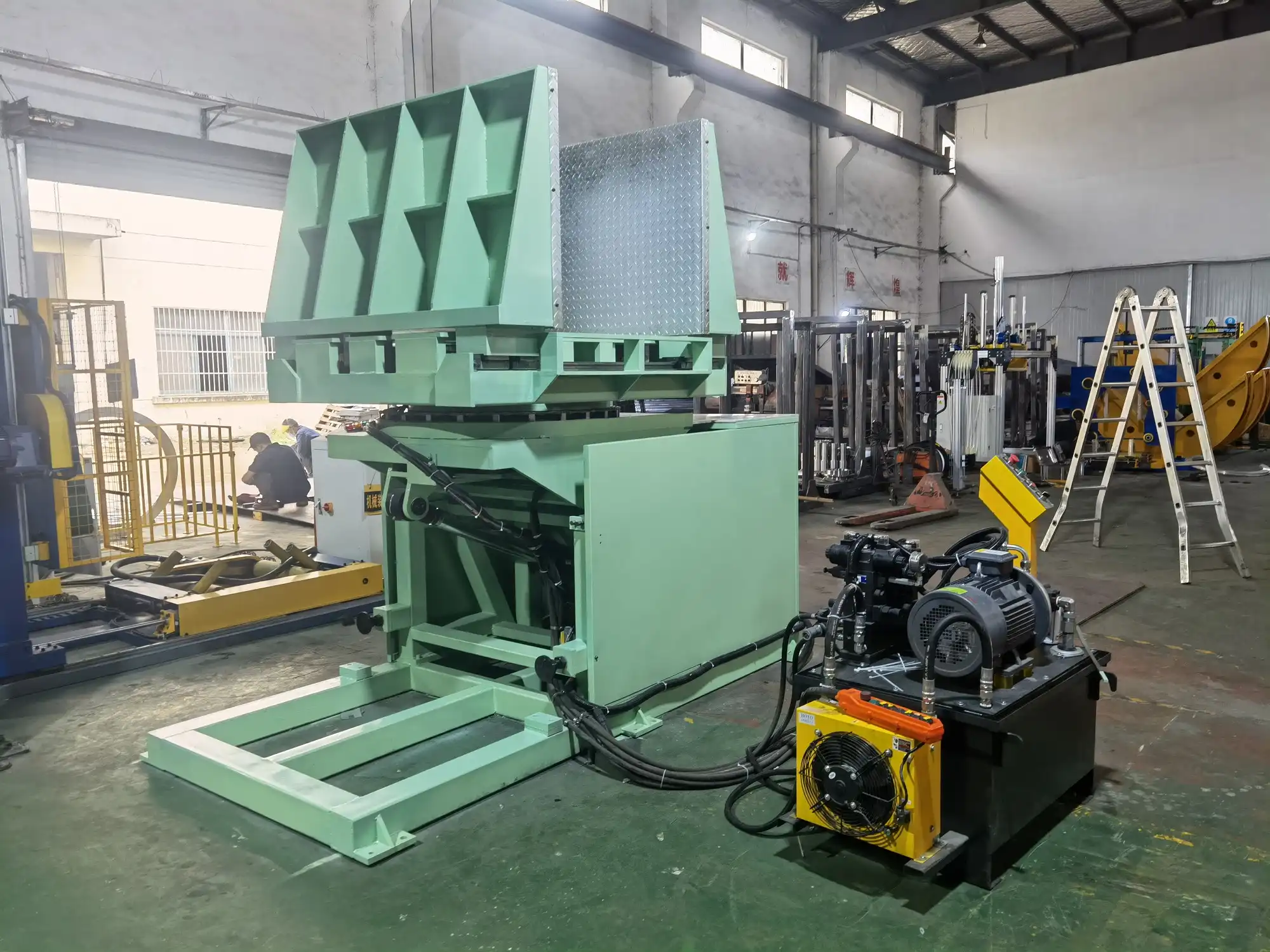
This hands-on approach offers flexibility and is often ideal for operations with varying load sizes, lower throughput requirements, or where manual inspection is still a critical part of the process. But how exactly does this type of equipment integrate into your workflow, and what are its practical advantages and considerations? Let’s explore further.
The Mechanics and Workflow of Semi-Automatic Pallet Flippers
Semi-automatic pallet flippers, also known as pallet inverters or pallet changers, are designed to make the often hazardous task of pallet changing safer and more efficient. As a packing machine engineer who started on the factory floor, I saw countless times how manual handling led to injuries and damaged goods. These machines were a game-changer for many of my clients, especially those dealing with coil packing and steel wire packing. They typically involve an operator loading a palletized load, often using a forklift or pallet jack, into the machine. Once loaded, the operator activates the flipping mechanism, which can rotate the load 90, 180, or even 360 degrees, depending on the machine’s design and the specific task. After the operation is complete, the operator unloads the transformed pallet. This constant human involvement means that while the heavy lifting is automated, the decision-making and supervision remain with your team. This can be beneficial for operations where each load might require specific attention or where the flow is not constant. For instance, in a medium-sized metal processing plant, if you’re dealing with different gauges of steel coils that require unique handling, a semi-automatic system allows for that necessary oversight. The ability to pause, inspect, and adjust offers a level of control that can be crucial for delicate or high-value products. It also means less upfront investment in complex control systems and integration with existing production lines, which can be a significant factor for businesses looking to incrementally improve their operations without a massive capital expenditure. However, this also means the efficiency is directly tied to the operator’s speed and availability. For many factories, this balance of automation and human control is the ideal starting point for improving their pallet handling processes and reducing workplace hazards. (Semi-automatic pallet inverter, manual handling reduction, flexible pallet changing, operator-controlled systems)
2. What is an Automatic Pallet Flipper and How Does It Operate?
If your factory constantly grapples with efficiency bottlenecks, relying heavily on manual labor for repetitive tasks, you know the frustration. The demand for higher output and faster delivery pushes you to seek solutions that minimize human intervention, ensuring consistent speed and reliability. This is where an automatic pallet flipper truly shines, representing a significant leap in industrial automation.
An automatic pallet flipper operates as an integrated component of a larger production line, performing pallet flipping, inverting, or transfer tasks without continuous human interaction. These systems are typically fed by conveyors, robots, or automated guided vehicles (AGVs) and are programmed to handle high volumes of identical or similarly sized loads, making them ideal for high-throughput environments where speed and consistency are paramount.
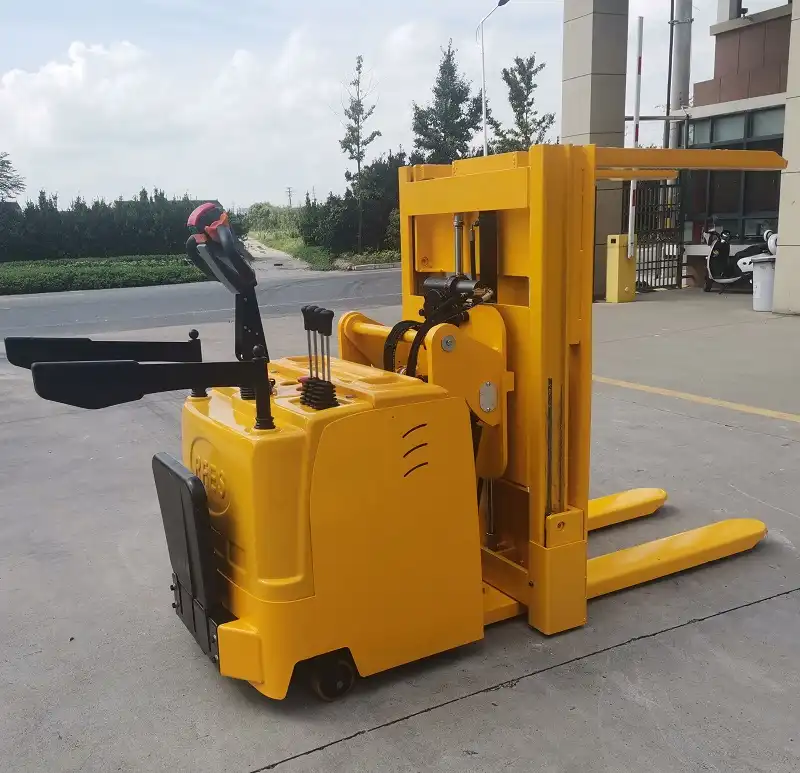
For operations looking to achieve maximum efficiency, reduce labor costs, and significantly enhance worker safety by eliminating manual handling of heavy goods, an automatic system is often the ultimate goal. But how does this advanced machinery integrate into a factory, and what are the specific benefits it brings to demanding industries like steel processing? Let’s delve into its operational nuances.
The Inner Workings and Benefits of Automatic Pallet Flippers
From my experience setting up and running a successful packing machine factory, I saw how automation transformed businesses, allowing them to scale operations and meet increasing market demands. Automatic pallet flippers are at the forefront of this transformation for material handling. Unlike their semi-automatic counterparts, these machines are designed for seamless integration into a continuous production flow. Picture a scenario in a large metal processing plant like yours: steel coils are automatically delivered via a conveyor system directly into the flipper. Sensors detect the load, trigger the flipping mechanism, and then, once the process is complete, the newly oriented or re-palletized load is discharged onto the next stage of the conveyor line, all without a single operator touch. This level of automation drastically reduces cycle times, eliminating the delays inherent in manual loading and unloading. For coil packing and steel wire packing, where volume is often high, this can translate into significant gains in overall production speed and delivery times.
Consider these key benefits:
- Enhanced Throughput: Operates continuously at high speeds, significantly increasing the number of pallets processed per hour.
- Reduced Labor Costs: Eliminates the need for dedicated operators for the flipping process, reallocating human resources to more complex tasks.
- Superior Safety: Removes workers from hazardous areas where heavy loads are moved and rotated, virtually eliminating manual handling injuries.
- Consistent Quality: Machine-driven precision ensures uniform handling, minimizing the risk of product damage (e.g., steel coil edges) that can occur during manual or semi-manual processes.
- Seamless Integration: Can be easily linked with existing or new conveyor systems, robotic arms, and warehouse management systems (WMS) for a fully automated material flow.
| Feature | Semi-Automatic Pallet Flipper | Automatic Pallet Flipper |
|---|---|---|
| Operator Input | Required for each cycle | Minimal; supervision and maintenance only |
| Throughput | Moderate; dependent on operator speed | High; continuous operation |
| Integration | Standalone or simple line integration | Integrated into full production lines |
| Cost | Lower initial investment | Higher initial investment |
| Safety | Reduces manual strain, still needs operator in area | Maximizes worker safety by isolating operation |
| Flexibility | High; adaptable to varying loads | Lower; ideal for uniform, high-volume loads |
| Application | Batch processing, varied products | High-volume, repetitive tasks |
Investing in an automatic pallet flipper is a strategic decision for factories aiming for true operational excellence and a future-proof production line. It’s about taking your factory from managing to mastering your packing machine processes. (Automated pallet handling, high-volume production, integrated conveyor systems, labor cost reduction, enhanced workplace safety, consistent product handling)
3. Which Pallet Flipper is Right for Your Operation: Automatic or Semi-Automatic?
The big question now isn’t just “What’s the difference?” but “Which one truly fits my factory?” You’re a factory manager, Jose, focused on boosting output, controlling costs, and keeping your team safe. The wrong choice could mean continued efficiency bottlenecks or unnecessary capital expenditure. This decision needs careful consideration of your specific challenges and long-term goals.
The ideal pallet flipper—automatic or semi-automatic—depends entirely on your factory’s specific needs, including production volume, budget, existing infrastructure, and the criticality of labor reduction and safety improvements. High-volume operations seeking maximum efficiency and safety benefits will lean towards automatic systems, while smaller operations or those with varied product lines may find semi-automatic solutions more practical and cost-effective.

My journey from a packing machine engineer to establishing FHOPEPACK has taught me that there’s no one-size-fits-all solution. Every factory, every production line, has its unique set of circumstances. Let’s break down the factors that should guide your decision, ensuring you choose a system that delivers a strong return on investment.
Making the Informed Choice: Key Factors for Pallet Flipper Selection
When advising clients, particularly those in heavy industries like metal processing dealing with coil packing and steel wire packing, I always emphasize a holistic view. It’s not just about the machine; it’s about the entire operational ecosystem. Your current challenges, Jose, like efficiency bottlenecks from manual handling, safety risks, product damage, and the need for a trustworthy supplier, are exactly what we consider.
Here’s a structured approach to help you decide:
-
Production Volume & Throughput Targets:
- High Volume (e.g., hundreds of coils per day): If you’re pushing large quantities consistently, an automatic pallet flipper is almost certainly the way to go. Its continuous operation will dramatically increase your throughput and eliminate the efficiency bottlenecks you’re currently experiencing. 🚀
- Moderate/Low Volume (e.g., dozens of coils per day, or varied batches): A semi-automatic system offers the flexibility to handle different types of loads and adjust speeds as needed without the high initial investment of a fully automated line. It helps you improve safety and efficiency without over-automating.
-
Budget & ROI:
- Initial Investment: Semi-automatic pallet flippers typically have a lower upfront cost, making them accessible for businesses with tighter budgets or those just starting their automation journey.
- Long-term ROI: While automatic systems have a higher initial price tag, their long-term benefits in terms of reduced labor costs, increased efficiency, minimized product damage, and lower insurance premiums (due to fewer injuries) often lead to a much faster and more substantial return on investment, especially for demanding, high-intensity environments. It’s about calculating that payback period. 💰
-
Space and Integration:
- Existing Layout: Semi-automatic units are often more compact and can be integrated into existing spaces with minimal disruption.
- Future Expansion: Automatic systems usually require more space for conveyors and integration points. If you plan for a fully automated future, designing for an automatic system now can save costs down the line.
-
Workforce & Safety:
- Safety Improvement: Both types significantly enhance safety compared to manual handling. However, automatic systems completely remove human interaction from the immediate handling zone, offering the highest level of worker protection. Your concern about high injury risks is a critical driver here. 👷♂️
- Labor Reallocation: Automatic systems free up personnel for more skilled tasks, addressing labor shortages or allowing for workforce upskilling. Semi-automatic systems still require an operator but reduce the physical strain.
-
Product Fragility & Handling Requirements:
- If your products, like steel coil edges, are prone to damage, an automatic system with precise, repeatable movements can minimize this risk more effectively than manual or operator-dependent processes. The consistency of machine handling helps prevent those customer complaints and profit losses you mentioned.
By carefully evaluating these points against your factory’s unique situation, you can pinpoint the solution that not only resolves your current challenges but also positions your operations for future growth and profitability. (Pallet flipper selection guide, factory automation strategy, industrial safety solutions, heavy manufacturing equipment, operational cost reduction, production optimization for steel industry)
4. How Can FHOPEPACK Help You Master Your Pallet Flipping Needs?
You’ve explored the differences and considerations, but now the real question emerges: how do you translate this knowledge into a tangible solution for your factory? You need more than just a machine; you need a partner who truly understands the intricacies of your heavy manufacturing environment, a partner who can bridge the gap between your challenges and effective, reliable solutions.
At FHOPEPACK, our mission is to empower you with the knowledge and the right equipment to master your packing machine operations, from coil packing to steel wire packing. Leveraging my two decades of experience as a packing machine engineer and factory owner, we offer more than just pallet flippers; we provide expert consultation, tailored solutions, and ongoing support to ensure your investment drives efficiency, enhances safety, and boosts your bottom line.
My journey in the packing machine industry, from an employee to a factory owner who achieved financial independence and helped many clients grow their businesses, has instilled in me a deep commitment to giving back. I know the value of a trusted supplier, having seen the pitfalls of those who only care about the sale. This is why FHOPEPACK stands as that knowledgeable partner you’re looking for.
Partnering with FHOPEPACK: Your Path to Operational Excellence
When I first started FHOPEPACK, it was with a vision to share the insights I gained from the ground up—designing, building, and running packing machines for some of the most demanding industries. You mentioned your past experiences with suppliers who were “sales-focused” and lacked proper after-sales service. That resonates deeply with me. My approach, and FHOPEPACK’s philosophy, is different. We don’t just sell equipment; we consult, educate, and support.
Here’s how we can help your factory, Jose, overcome its current challenges and achieve its goals:
-
Expert Consultation Based on Real-World Experience:
- My team and I leverage firsthand experience from building and operating packing machine factories. We understand the nuances of coil packing, steel wire packing, and heavy load handling.
- We listen to your specific production bottlenecks and safety concerns, offering solutions that are proven to work in demanding environments.
- Benefit: Get advice from someone who has walked in your shoes, ensuring recommendations are practical and effective. 🤝
-
Tailored Solutions for Your Unique Factory:
- Whether you need a robust semi-automatic pallet flipper for specific batch processing or a fully integrated automatic system for high-volume, continuous flow, we design solutions that fit your exact requirements.
- We consider your factory layout, existing equipment, and budget to propose the most optimal and cost-effective pallet inverter.
- Benefit: Avoid generic solutions and invest in equipment precisely engineered to solve your efficiency and safety problems.
-
Focus on ROI and Long-Term Value:
- We help you quantify the return on investment, demonstrating how our pallet flippers reduce labor costs, minimize product damage (e.g., steel coil edges), and improve overall profitability.
- Our durable equipment is built to withstand rigorous factory environments, ensuring reliability and a long operational lifespan.
- Benefit: Make a financially sound decision that positively impacts your factory’s bottom line and ensures equipment longevity. 📈
-
Unwavering After-Sales Support:
- Unlike those “sales-only” suppliers, FHOPEPACK is committed to providing comprehensive support from installation and training to maintenance and spare parts.
- We ensure your team is fully equipped to operate and maintain the equipment, guaranteeing smooth operations and minimal downtime.
- Benefit: Partner with a company that stands by its products and supports you throughout the equipment’s lifecycle, building the trust you value. ✅
Choosing FHOPEPACK means choosing a partner dedicated to your success, understanding your operational pressures, and delivering reliable, high-performance pallet handling solutions that help you master your packing machine needs and drive your business forward. We are committed to making mold knowledge accessible to all, providing expertise that helps you make informed decisions for your factory’s future. (FHOPEPACK expert consultation, tailored packing solutions, reliable pallet inverter supplier, industrial efficiency enhancement, after-sales support for machinery, metal processing equipment partner)
Conclusion
Choosing between automatic and semi-automatic pallet flippers is a pivotal decision for any factory aiming to enhance efficiency and safety. While semi-automatic systems offer flexibility and a lower entry cost for varied tasks, automatic solutions provide unparalleled speed, consistency, and safety for high-volume, repetitive operations. At FHOPEPACK, we offer deep industry insight and tailored solutions, ensuring your investment in a pallet flipper directly addresses your unique challenges and propels your factory towards operational excellence. Let us help you master your packing machine processes.








