How Automatic Coil Packing Machines Are Revolutionizing the Coil Processing Industry in Europe?
The coil processing industry in Europe faces constant pressure. Are you a factory manager like Jose, struggling with manual, slow packing lines that drain your resources and expose your team to risks? The truth is, outdated packing methods are not just inefficient; they are a direct threat to your bottom line and your competitive edge in the demanding European market. It’s a problem I’ve seen countless times, from my early days as an employee to building my own successful packing machine factory. This isn’t just about moving products; it’s about safeguarding profits, ensuring safety, and staying ahead.
Automatic coil packing machines are fundamentally transforming the European coil processing industry by drastically enhancing efficiency, safety, and product quality while significantly reducing operational costs. They replace labor-intensive, risky manual processes with precision-driven automation, enabling faster throughput, minimizing human error, and protecting valuable steel and wire coils during transit. This shift is critical for European manufacturers aiming to meet stringent market demands and maintain global competitiveness in regions like Germany, Italy, and Poland (European coil packaging solutions).

As a packing machine engineer who has navigated the challenges of the industry for years, I’ve seen firsthand how crucial effective packing is. This isn’t just about selling machinery; it’s about empowering businesses to thrive. So, how exactly are these advanced systems reshaping the landscape for European manufacturers? Let’s dive deeper into the specific ways they are making an impact.
1. How are manual coil packing methods holding European manufacturers back?
For years, the backbone of many European coil processing operations relied on manual packing. This approach, while traditional, introduces significant hurdles. Think about the daily grind for a factory manager like Jose in Mexico, overseeing complex operations. The challenge isn’t just about labor; it’s about the compounding effect of slow processes, safety hazards, and inconsistent output that manual handling inevitably brings. This directly impacts delivery times and customer satisfaction across the continent (manual coil handling challenges Europe).
Manual coil packing methods severely limit the growth and profitability of European manufacturers by creating efficiency bottlenecks, increasing safety risks, and leading to higher product damage rates. The reliance on human labor for heavy and repetitive tasks slows down production lines, compromises worker safety, and results in inconsistent packaging quality. These issues directly translate into delayed shipments, increased operational costs, and diminished market competitiveness for European steel and wire producers (inefficient coil packaging processes).
Understanding the Bottlenecks and Risks in Traditional European Operations
I remember when I first started in a packing machine factory. We saw firsthand the struggles. The process of moving and wrapping heavy coils by hand is incredibly arduous. It leads to slow cycle times, meaning fewer coils get packed per shift. This directly causes backlogs further down the production line, creating a ripple effect of delays across the factory floor. For European manufacturers, where timely delivery is often a competitive advantage, these delays are simply unacceptable. Moreover, the risk to workers is profound. Lifting, rotating, and securing massive coils manually exposes employees to potential injuries, from muscle strains to severe accidents. This isn’t just about human well-being; it translates into higher insurance premiums, increased absenteeism, and a constant struggle to retain skilled labor. Many companies are now looking for better coil handling solutions Europe.
Consider the table below outlining the common issues:
| Challenge Category | Specific Problem | Impact on European Manufacturers |
|---|---|---|
| Efficiency & Speed | ⏳ Slow manual wrapping processes | 📉 Reduced throughput, production bottlenecks, missed deadlines, decreased competitiveness. |
| Safety Hazards | 👷 Manual lifting and turning of heavy coils | 🚨 High risk of sprains, crushing injuries, increased insurance costs, employee turnover. |
| Product Quality | 📦 Inconsistent tension, improper wrapping | 💸 Product damage during transport (e.g., coil edge damage), customer complaints, financial losses. |
| Labor Costs | 💲 High reliance on skilled manual labor | ⬆️ Increased wage expenses, difficulty finding and retaining workers, overtime costs. |
| Supplier Trust | 🤝 Inconsistent equipment quality, poor after-sales | 😩 Reluctance to invest in new technology due to past negative experiences, hindering modernization. |
Furthermore, product damage is a silent killer of profits. When coils are handled manually, especially during internal transfers or loading, there’s an increased chance of nicks, dents, or edge damage. Jose’s experience with damaged steel coil edges leading to customer complaints is a common story I hear. This not only impacts the immediate profit margin but also erodes customer trust and reputation in a market that demands pristine quality. These issues are why many businesses are now exploring automated packaging for steel coils Europe. The need for a more robust and reliable method has never been clearer (European metal coil packaging automation).
2. What are the core benefits of automating coil packing in Europe?
After seeing the struggles firsthand, I realized that true innovation lies in solving these fundamental problems. Automation isn’t just a trend; it’s a strategic necessity, especially for European manufacturers facing global competition and stringent quality standards. The shift to automatic coil packing brings a cascade of advantages that fundamentally redefine how coils are processed and shipped across the continent (benefits of automated coil wrapping Europe).
Automating coil packing in Europe delivers immediate and significant benefits, primarily by boosting overall production efficiency, enhancing workplace safety, and ensuring superior product quality. These systems drastically reduce reliance on manual labor, leading to faster packing cycles and consistent output. Simultaneously, they mitigate risks associated with heavy lifting and repetitive tasks, creating a safer environment. The precision of automated wrapping also minimizes product damage, translating into fewer customer complaints and greater profitability for European manufacturers (automatic coil packaging advantages Europe).

The Transformative Impact of Automatic Coil Packing
When I started FHOPEPACK, my goal was to provide solutions that genuinely help businesses grow. Automating your coil packing process is one of the most impactful investments you can make. Imagine Jose’s factory, once bogged down by manual labor, now operating with streamlined precision. The most immediate benefit is a dramatic increase in throughput. Automatic machines work at a consistent, high speed, wrapping coils much faster than any human can. This eliminates the packing bottleneck, allowing the entire production line to operate more smoothly and efficiently. This translates directly into higher production volumes and quicker fulfillment of orders.
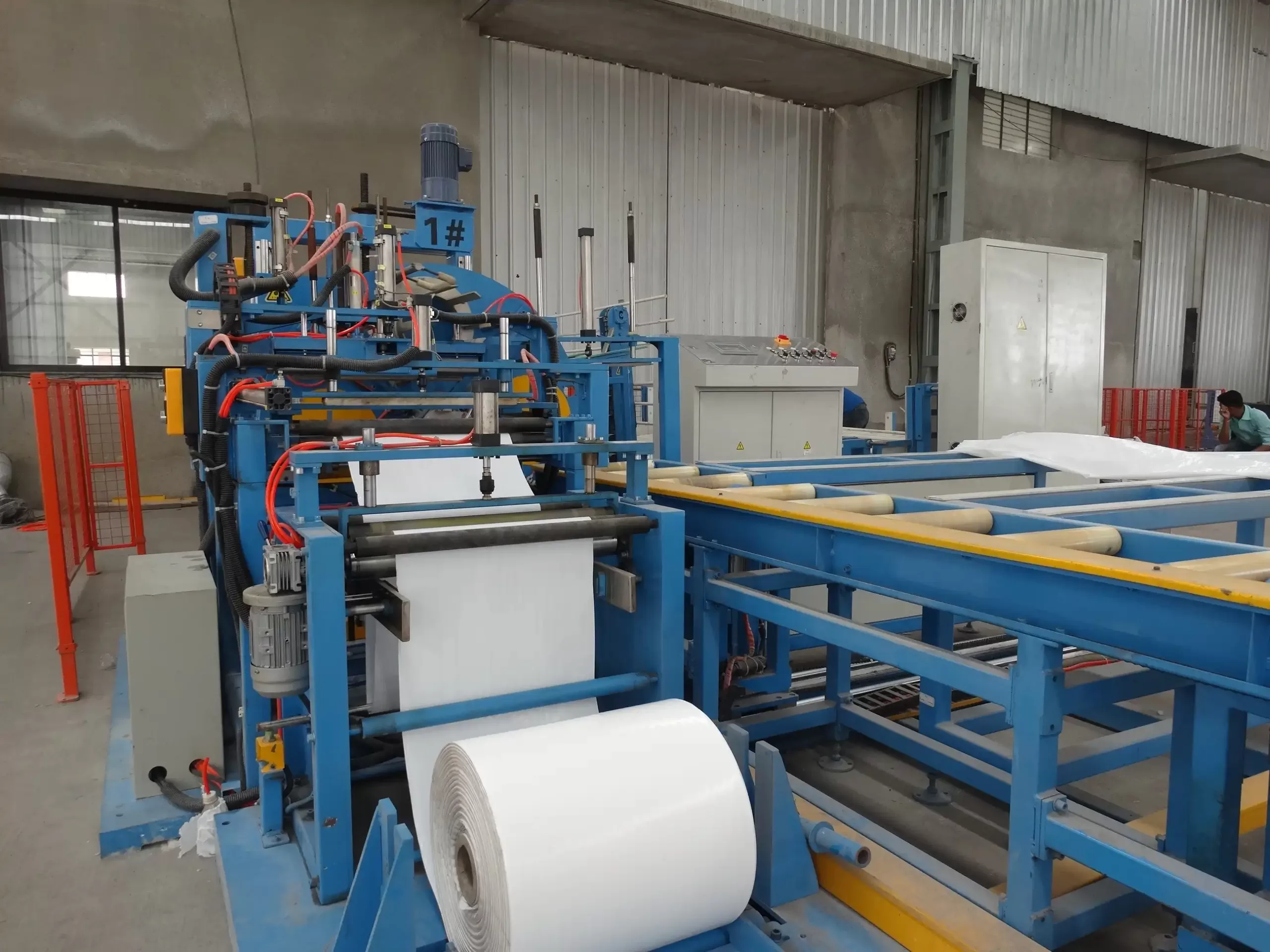
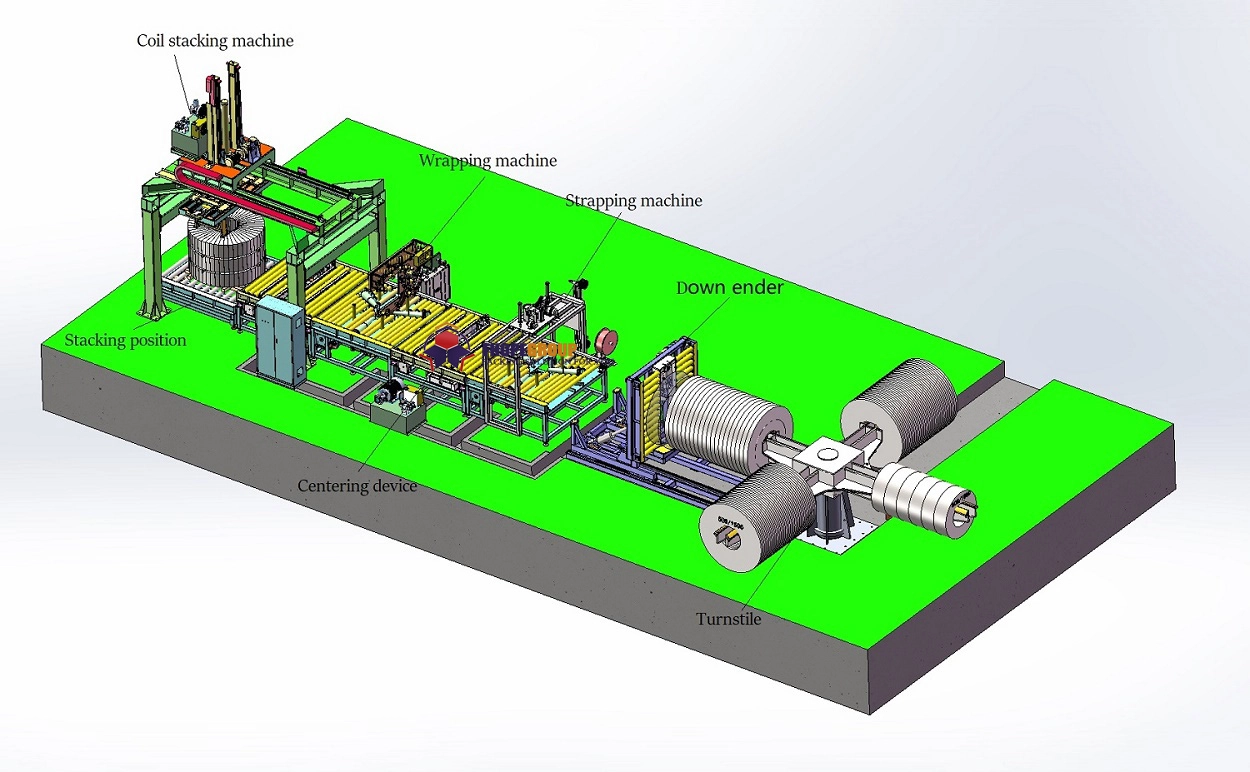
Consider the journey of a coil through an automated system:
- ⚙️ Infeed: Coils are automatically fed into the packing station, often using conveyors or automatic loading arms, eliminating manual positioning.
- 🔄 Wrapping: The machine precisely wraps the coil with the chosen material (stretch film, paper, HDPE), applying consistent tension and overlap, ensuring comprehensive protection.
- 🏷️ Banding & Labeling: Integrated systems can automatically apply steel bands for extra security and print/apply labels with vital product information, enhancing traceability.
- 📦 Outfeed: Finished, securely packed coils are automatically transferred to storage or shipping areas, ready for dispatch.
This seamless process minimizes human intervention, leading to fewer errors and a more reliable outcome. For companies in Europe, where energy costs and labor availability are key concerns, this efficiency gain is paramount. It allows businesses to allocate their skilled workforce to more complex, value-added tasks rather than repetitive, physically demanding packing. This focus on coil packaging efficiency Europe is what drives innovation in the sector (steel wire coil packaging automation).
3. How do automatic systems improve safety and reduce operational costs?
Safety is non-negotiable, especially in heavy industries like coil processing. As a factory owner, I understand the immense responsibility of protecting employees. Automatic packing systems directly address the inherent dangers of manual coil handling. Beyond safety, the financial benefits in terms of cost reduction are equally compelling, offering a clear return on investment that every factory manager, like Jose, seeks (safe coil packaging solutions Europe).
Automatic coil packing systems dramatically improve workplace safety by removing workers from hazardous tasks involving heavy coils, thus reducing the risk of injuries and associated costs. Concurrently, these systems significantly reduce operational costs by minimizing labor expenses, decreasing product damage, and optimizing material usage. This dual benefit of enhanced safety and reduced expenditure makes automation a strategic imperative for cost-conscious and safety-focused European manufacturers (coil packing cost reduction Europe).
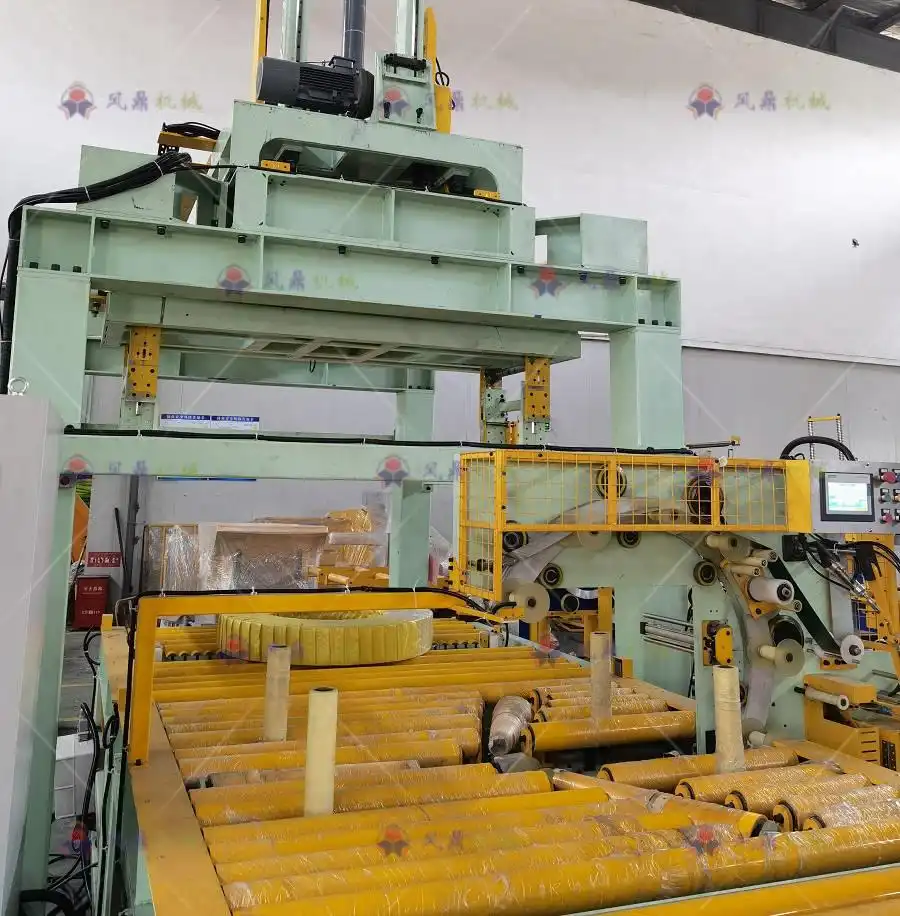
A Dual Advantage: Safer Workplaces and Leaner Operations
One of the proudest achievements of FHOPEPACK is helping clients create safer working environments. When heavy coils, sometimes weighing several tons, are moved and wrapped manually, the risk of injury is constantly present. From strained backs to crushing accidents, the potential for harm is significant. Automatic systems take the human element out of these dangerous tasks. Coils are moved by conveyors, manipulators, or automatic transfer carts, and then wrapped by machines. This means workers are not directly interacting with the heavy, moving parts of the coil during the packing process.
Here’s how automation directly impacts safety and costs:
Enhanced Safety Measures:
- 🚫 Reduced Manual Handling: Eliminates the need for workers to physically lift, turn, or maneuver heavy coils, dramatically cutting down on musculoskeletal injuries.
- 🛡️ Automated Processes: Machines perform repetitive and hazardous tasks, keeping employees at a safe distance from moving machinery and heavy loads.
- 🚨 Consistent Operation: Predictable machine movements reduce the chance of accidents caused by human error or fatigue.
- 📉 Lower Accident Rates: Fewer incidents lead to reduced insurance claims, lower worker compensation costs, and a more positive work environment.
Significant Cost Reductions:
- 💰 Labor Savings: Fewer personnel are needed for packing, allowing skilled workers to be reassigned to more critical roles or reducing overall labor expenses.
- 🗑️ Reduced Product Damage: Precision wrapping ensures coils are consistently protected, minimizing damage during storage and transport, thus cutting down on scrap and customer returns.
- ♻️ Optimized Material Usage: Automatic systems apply packaging materials (stretch film, paper, strapping) with optimal tension and overlap, reducing waste and material consumption.
- ⚡ Increased Uptime: Reliable automated machines experience less downtime compared to manual operations prone to human fatigue or error, leading to higher productivity and lower production costs.
- 📈 Improved ROI: The combined savings in labor, materials, and reduced damage often provide a rapid return on investment, making the initial capital outlay a wise long-term decision.
I’ve personally witnessed clients, like Jose, who initially hesitated due to the upfront investment, later praise the long-term cost benefits and the peace of mind that comes with a safer workplace. It’s not just about spending less; it’s about investing in a sustainable, resilient operation that can weather economic challenges and protect its most valuable assets: its people and its products (ROI automatic packaging machinery Europe).
4. What should European companies look for in an automatic coil packing machine partner?
The decision to invest in an automatic coil packing machine is substantial. It’s not just a purchase; it’s a strategic partnership. Jose’s past experiences with unreliable suppliers highlight a crucial point: the machinery is only as good as the company behind it. For European manufacturers, selecting the right partner means finding someone who truly understands their unique challenges and can deliver comprehensive, long-term support (choosing automatic packing machine supplier Europe).
European companies seeking automatic coil packing machines should prioritize partners with deep industry expertise, a proven track record of reliable equipment, and robust after-sales support. A trustworthy partner will offer custom solutions, understand local operational nuances, and provide clear ROI projections. They should also demonstrate a commitment to long-term collaboration, acting as a technical advisor rather than just a vendor, ensuring the investment truly aligns with the manufacturer’s goals for efficiency and growth (reliable coil packaging machine partners Europe).
Beyond the Machine: The Importance of a Strategic Partnership
When I founded FHOPEPACK, my vision was always about more than just machines. It was about sharing knowledge and building lasting relationships. As a factory manager, you’re looking for solutions, not just products. This means your supplier should be an extension of your team, someone who listens to your pain points – the efficiency bottlenecks, the safety concerns, the product damage – and offers tailored advice.
Here’s what I believe makes an ideal partner:
-
1. Deep Industry Knowledge:
- Understanding Your Business: They should comprehend the specifics of coil processing, whether it’s steel, wire, or other metals. They need to know the challenges of heavy-duty environments.
- Tailored Solutions: Not a one-size-fits-all approach. A good partner will analyze your current setup, throughput requirements, and budget to recommend the best system.
- Experience in Europe: Familiarity with European industrial standards, safety regulations, and market demands is crucial for seamless integration and compliance.
-
2. Proven Equipment Reliability:
- Durability and Performance: The machinery must be built to last and perform consistently under rigorous industrial conditions. Inquire about material quality, motor specifications, and control systems.
- Track Record: Look for case studies, testimonials, and references from other European manufacturers. This validates the supplier’s claims.
- Technology & Innovation: A forward-thinking partner invests in R&D, offering solutions that are future-proof and incorporate the latest automation trends.
-
3. Comprehensive After-Sales Support:
- Installation & Training: A smooth setup and thorough training for your team are critical for immediate productivity.
- Maintenance & Spare Parts: Availability of spare parts and skilled technicians for routine maintenance and emergency repairs. Downtime costs money.
- Technical Assistance: Ongoing support for troubleshooting, upgrades, and optimization, ensuring your machine continues to perform at its peak.
I always tell my clients that a good partnership is like building a house. You need a solid foundation, quality materials, and a reliable builder who will be there long after the keys are handed over. This commitment to long-term support is what distinguishes a true expert from a mere vendor. It’s about ensuring your investment continues to yield returns for years to come (expert coil packing machine guidance).
Conclusion
Automating coil packing is not merely an upgrade; it’s a critical transformation for European manufacturers aiming for higher efficiency, enhanced safety, and greater profitability. From my experience with FHOPEPACK, I’ve seen how investing in the right steel coil packing line can revolutionize operations, address challenges like those faced by factory managers like Jose, and ensure a robust future in a competitive global market. Embrace automation to master your packing machine needs and secure your competitive edge.