
Automatic Coil Packing Machine vs Manual Packing — Which Is Better?
Imagine your factory floor. You see bottlenecks at the packing line, workers struggling with heavy coils, and the constant worry of product damage or worse, an injury. This is a common scene, especially in heavy industries. You are under pressure to boost output, control costs, and keep everyone safe. If you’ve felt this pressure, you know exactly what I am talking about. (factory floor bottlenecks, heavy industry challenges)
For most modern industrial operations, an automatic coil packing machine is unequivocally better than manual packing. It offers superior efficiency, enhanced safety, consistent product protection, and significant long-term cost savings that manual methods simply cannot match in today’s demanding manufacturing landscape. (automatic coil packing benefits, modern industrial operations)
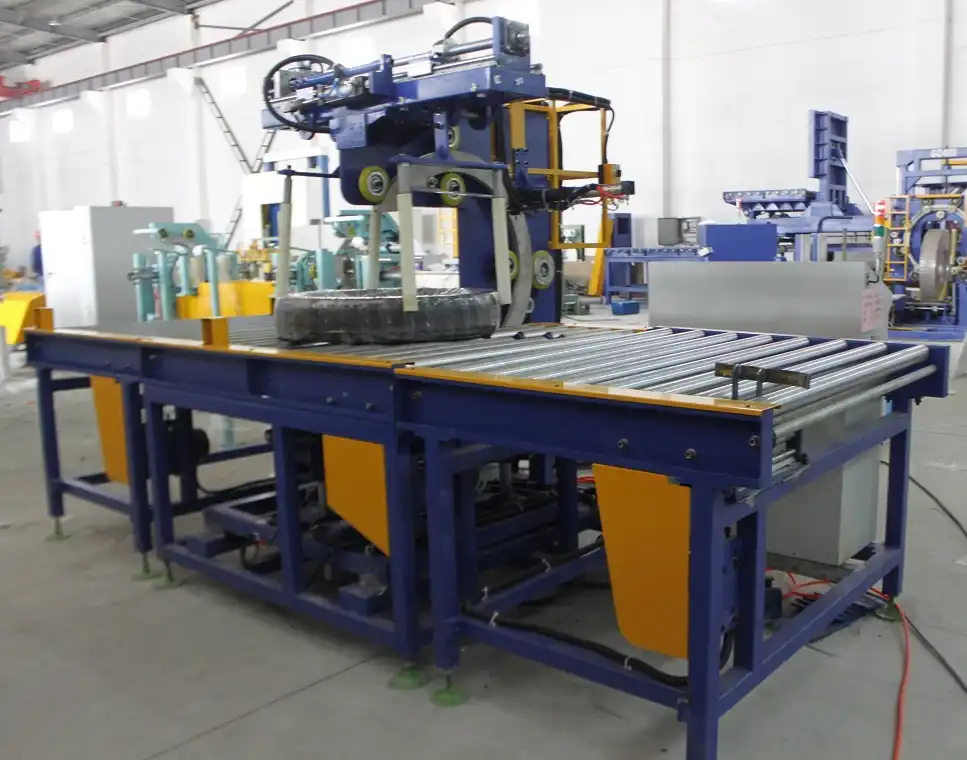
Choosing the right packing method is not just about moving products. It’s about optimizing your entire operation, securing your team, and protecting your bottom line. Let’s dig deeper into why this choice is so critical for businesses like yours, looking to thrive in a competitive market. (packing method choice, operational optimization)
1. Is Manual Coil Packing Still Viable for Modern Factories?
Are you seeing your packing line fall behind the rest of your production? Manual coil packing, once the standard, is now often a major choke point. It’s slow, inconsistent, and highly dependent on human effort. This can lead to production delays and frustrated clients. (manual packing challenges, production delays)
No, manual coil packing is generally not viable for modern factories that aim for high efficiency, consistent quality, and optimal safety standards. While it might suit very low-volume, specialized tasks, its limitations in speed, labor cost, and risk exposure make it an outdated choice for most industrial operations, especially in steel or heavy manufacturing sectors. (manual packing viability, modern factory standards)

As someone who built a packing machine factory from the ground up, I have seen first-hand the shift in industry demands. Relying on manual labor for heavy-duty coil and wire packing simply does not cut it anymore. It introduces too many risks and inefficiencies. When I started my journey, manual processes were common. But times have changed. Businesses today need speed, precision, and safety. Manual methods often fail on all these points, especially with large or heavy products like steel coils. This directly impacts your ability to meet customer demands and maintain product quality. You want to make sure your products reach customers in perfect condition. Manual handling increases the chance of damage. This leads to customer complaints and wasted effort. (Randal Liu’s experience, industry shift, manual packing risks, customer satisfaction)
The Hidden Costs of Manual Coil Packing
- Slow Throughput: Each coil takes more time. This slows down your entire production line. Your finished products wait for packing. This reduces your overall factory output. 🐢 (production bottlenecks, reduced output)
- High Labor Costs: You need many workers for manual tasks. These costs add up over time. Wages, benefits, and overtime can become a huge expense. 💰 (labor expenditure, operational costs)
- Inconsistent Quality: Human effort varies. One worker might pack differently than another. This leads to inconsistent package quality. It can impact product protection and brand image. 📉 (quality variation, brand reputation)
- Increased Risk of Injury: Workers lift and move heavy coils. This creates a high risk of back injuries, strains, and other accidents. Safety is always a top concern. 🚑 (workplace safety hazards, employee well-being)
- Product Damage: During manual handling, coils can get bumped or dropped. Edges can get damaged. This leads to scrap or customer returns. This affects your profit margins. 💔 (product spoilage, profit loss)
Michael, I know you face pressure to increase output and control costs. Manual packing makes both of these goals harder to achieve. It is not just about the direct costs. It is also about the lost opportunities. It is about the potential for injuries. It is about the stress of managing these risks. Automation offers a way out of these challenges. It provides a more predictable and controlled packing environment. This lets your team focus on more skilled tasks. (factory output optimization, cost control strategies)
2. How Do Automatic Coil Packing Machines Improve Efficiency and Throughput?
Are you constantly battling to speed up your packing line? Manual processes are a bottleneck. They limit how much you can produce and ship. This slows down your entire supply chain. An automatic machine changes everything. It works faster and more consistently than any human. (packing line bottlenecks, supply chain speed)
Automatic coil packing machines significantly improve efficiency and throughput by automating repetitive tasks, reducing packing cycle times, and ensuring continuous operation. They eliminate human-induced pauses and variations, leading to a streamlined end-of-line process that can handle higher volumes and maintain steady production flow, directly addressing common efficiency bottlenecks in manufacturing. (automated packing efficiency, throughput enhancement)
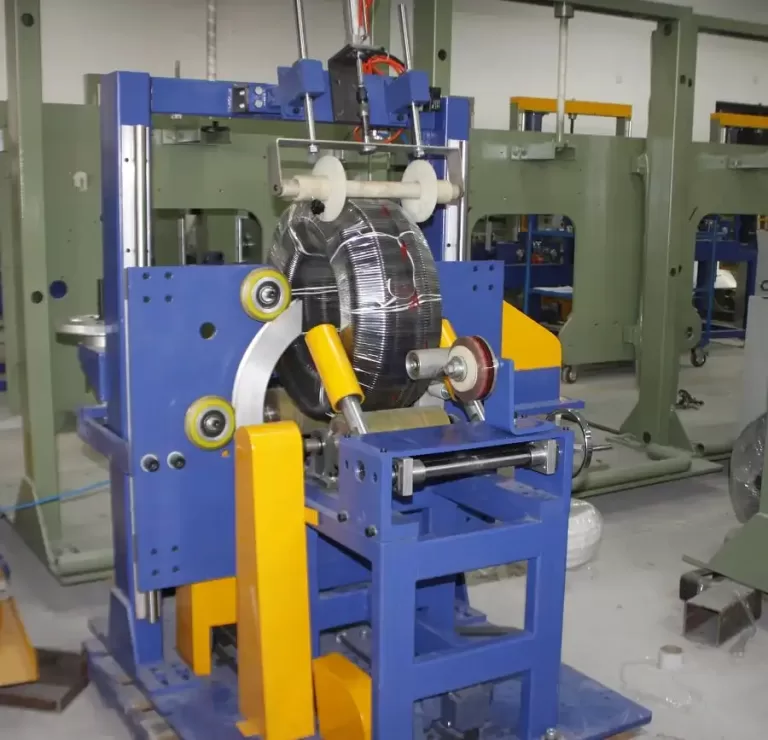
From my experience setting up and running factories, one of the biggest leaps in productivity comes from automating repetitive, labor-intensive tasks. Packing coils and wires manually is the definition of such a task. An automatic machine performs these actions with speed and precision. It does not get tired. It does not make mistakes due to fatigue. This means your coils get packed faster. They get packed the same way every time. This consistency is key for both efficiency and product quality. Imagine the time saved when a machine can pack dozens of coils in the time it takes a team to pack a few. This directly translates to more products moving out the door. It improves your delivery times. It boosts your customer satisfaction. This kind of automation is not just about machines. It is about smart operations. It is about getting more done with less effort. It is about making your factory competitive in a global market. (factory productivity gains, automated packing speed, consistent product quality, global market competitiveness)
Key Efficiencies from Automated Packing
Automated systems bring several direct benefits that boost your factory’s output:
- Consistent Speed:
- Manual: Highly variable, depends on worker speed and breaks.
- Automatic: Fixed cycle times, continuous operation.
- Benefit: Predictable output, easier production planning. 🚀
- Reduced Cycle Time:
- Automatic machines can complete packing in seconds or minutes per coil. Manual packing takes much longer. This cuts down the total time from production to shipment.
- Impact: Higher daily output, shorter lead times. (faster packing cycle, quicker delivery)
- Optimized Material Usage:
- Automatic machines apply packing material precisely. They reduce waste. Manual methods often use more material than needed. This saves on material costs.
- Result: Cost savings on packaging film, strapping, etc. (packaging material optimization, reduced waste)
- Integration with Production Lines:
- Automatic packers can easily integrate with upstream and downstream equipment. This creates a seamless flow. It removes manual handling steps. This prevents bottlenecks at the end of the line.
- Advantage: Full end-of-line automation, smoother workflow. (production line integration, seamless operations)








