
What New Technologies Are Emerging in Pallet Changer Design?
Imagine this: your warehouse operations are humming along, thousands of pallets moving daily. Then, suddenly, you hit a bottleneck. Different countries demand different pallet sizes, like Euro vs. American pallets, creating a constant, frustrating need for manual switching. This slows everything down, costs you money, and even risks worker safety. It is a problem I have seen many times throughout my journey in the packing machine industry. But what if there was a better way? What if technology could make this painful process smooth, fast, and safe? (warehouse challenges, manual pallet changing pain points)
Today, new technologies in pallet changer design are transforming warehouse logistics. These innovations include advanced automation and robotics, smart sensors with AI-driven optimization, highly adaptable multi-pallet size handling systems, energy-efficient designs, and enhanced safety features. These advancements collectively aim to boost efficiency, cut costs, and improve workplace safety in demanding warehouse environments like large European distribution centers. (pallet changer technology, warehouse automation, smart pallet systems)
The world of logistics moves fast. Keeping up means embracing change. You might be wondering how these new technologies actually work and what they mean for your operations. Let’s dive deeper into the specific advancements shaping the future of pallet changing. We will explore how these innovations can address your most pressing challenges, from diverse pallet sizes to labor shortages and safety risks. (logistics innovation, modern warehouse solutions)
How Are Automation and Robotics Changing Pallet Switching?
Are your warehouse workers still manually handling heavy pallets, risking injuries and slowing down your operations? This manual process is not just inefficient; it is a major safety concern and a drain on your resources. Many businesses, especially those dealing with high volumes and diverse international shipping needs, feel the pressure. It makes you wonder if there is a way to reduce human effort and boost speed without compromising safety. (manual handling risks, warehouse labor challenges)
Automation and robotics are fundamentally changing pallet switching by integrating systems like Automatic Guided Vehicles (AGVs), Autonomous Mobile Robots (AMRs), and advanced robotic arms. These technologies allow for continuous, high-volume pallet transfers without human intervention, ensuring consistent speed and precision. They are designed to manage various pallet types and weights, adapting dynamically to diverse operational needs. (automated pallet handling, robotic pallet solutions)
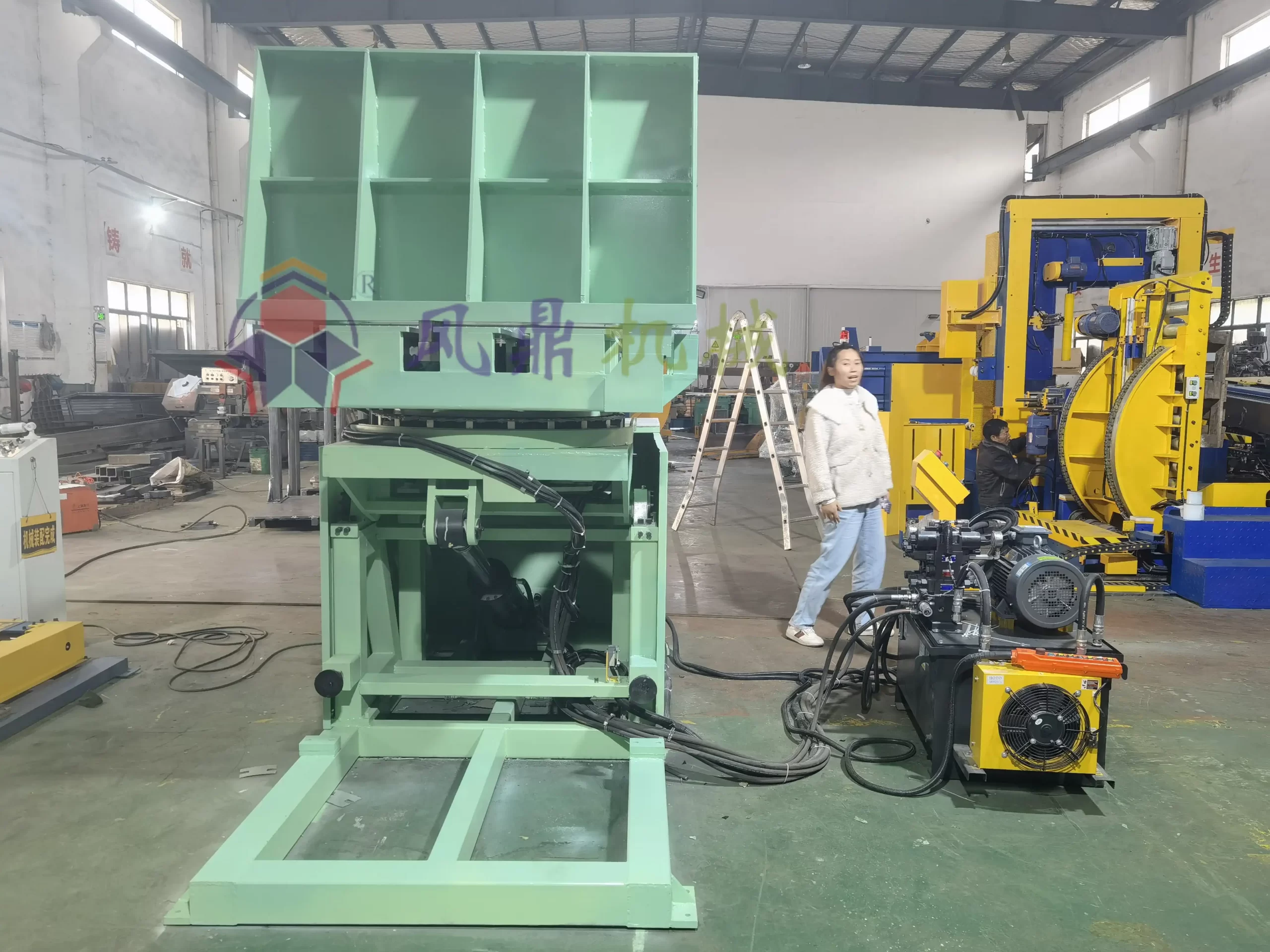
The shift towards automation in pallet changing is a direct response to rising labor costs and the demand for higher throughput. From my experience helping clients grow their businesses, I have seen how much difference efficient automation makes.
-
Autonomous Guided Vehicles (AGVs) and Autonomous Mobile Robots (AMRs):
- What they do: These intelligent vehicles move pallets autonomously within the warehouse. AGVs follow fixed paths, while AMRs can navigate more flexibly, avoiding obstacles.
- Benefits: They reduce the need for forklift operators and manual pallet movements. This frees up staff for other tasks. They operate consistently, reducing human error. In a busy European distribution center, this means pallets move faster between storage and the pallet changer. (AGV warehouse efficiency, AMR logistics)
- Impact on challenges: AGVs and AMRs directly address labor shortages and reduce the physical strain on workers. They ensure a steady flow of pallets to the changing stations, cutting down delays.
-
Robotic Pallet Changing Systems:
- What they do: These systems use robotic arms or specialized mechanisms to automatically pick up, rotate, and transfer goods between different pallet types.
- Benefits: They offer high precision and speed. They can handle various pallet sizes, like Euro pallets and American standard pallets, with minimal setup changes. This is vital for international logistics. (robotic pallet transfer, multi-pallet handling automation)
- Impact on challenges: Robotic systems significantly improve safety by removing workers from hazardous manual tasks like flipping heavy loads. They speed up the process of switching between diverse pallet specifications, which is a major pain point for export operations. They also contribute to higher efficiency and fewer errors. Our pallet changers at FHOPEPACK are designed with these robotic integrations in mind, ensuring smooth and safe operations for our clients. (FHOPEPACK automated pallet solutions, safe pallet change robots)
-
Integrated Warehouse Management Systems (WMS):
- What they do: Automation is most effective when integrated with a central WMS. This system coordinates all warehouse activities, including pallet movements and changing operations.
- Benefits: It provides real-time data on pallet locations and statuses. This allows for optimized routing and scheduling of automated pallet changers and vehicles. It ensures that the right pallet is ready at the right time. (WMS integration, real-time logistics data)
- Impact on challenges: WMS integration helps manage the complexity of diverse pallet specifications and high throughput demands. It prevents bottlenecks and ensures compliance with different shipping requirements, reducing manual oversight and potential errors.
These advanced automation solutions offer a clear path to overcoming common warehouse challenges, making operations safer, faster, and more cost-effective. (automated warehouse solutions, cost-effective pallet logistics)
What Role Do Smart Sensors and AI Play in Pallet Changer Systems?
Have you ever wondered why some pallet changes go smoothly, while others seem to constantly run into issues? Often, it is because there is a lack of real-time information. Without knowing the exact weight, dimensions, or stability of a load, operations become guesswork, leading to inefficiencies, damage, and even safety hazards. This uncertainty can be a real headache, especially when dealing with high volumes of varied products. (pallet handling challenges, real-time data needs)
Smart sensors and Artificial Intelligence (AI) are revolutionizing pallet changer systems by providing real-time data and predictive capabilities. Sensors gather crucial information about pallet dimensions, load weight, stability, and even potential defects. AI then processes this data to optimize machine performance, predict maintenance needs, and enhance operational safety. This creates a highly responsive and intelligent pallet changing process. (AI in logistics, smart sensor pallet changers)

The integration of smart technology is about more than just adding gadgets; it is about creating a smarter, more reliable workflow. From my perspective at FHOPEPACK, seeing how these technologies bring efficiency and safety to our clients is truly inspiring.
-
Advanced Sensing Technologies:
- What they do: Modern pallet changers are equipped with a range of sensors, including laser scanners, vision systems, load cells, and proximity sensors. These capture precise data about incoming pallets and their contents.
- Benefits: They automatically detect pallet type (e.g., Euro, American, plastic), confirm dimensions, and measure load weight. They can even identify damaged pallets or unstable loads before the changing process begins. This ensures that the machine operates within safe parameters. (advanced pallet sensors, precise load detection)
- Impact on challenges: These sensors drastically reduce human error associated with manual inspections. They ensure that pallet changes are always performed safely, preventing accidents caused by unstable loads. This is crucial for avoiding costly product damage and worker injuries.
-
AI-Powered Optimization and Predictive Maintenance:
- What they do: AI algorithms analyze the vast amounts of data collected by sensors. This analysis helps optimize the pallet changing process itself, adjusting parameters for different loads. More importantly, AI predicts when maintenance might be needed.
- Benefits: AI can fine-tune the speed and pressure of the pallet changer for each specific load, maximizing efficiency and minimizing wear and tear. For example, if a machine shows subtle signs of a failing component, AI can alert maintenance staff proactively. This prevents unexpected breakdowns. (AI optimization in warehouses, predictive maintenance for machines)
- Impact on challenges: Predictive maintenance keeps machines running smoothly, avoiding costly downtime that impacts delivery schedules and customer satisfaction. Optimized operations mean faster processing times, directly addressing the demand for shorter delivery cycles.
-
Real-time Diagnostics and Reporting:
- What they do: Smart systems provide continuous diagnostics and generate detailed reports on machine performance, throughput, and error rates.
- Benefits: Managers gain a clear overview of the pallet changing operations. They can identify bottlenecks, track efficiency, and make data-driven decisions to improve the workflow. This transparency helps in maintaining operational compliance. (real-time diagnostics, performance reporting)
- Impact on challenges: This data helps management understand where inefficiencies lie, allowing them to optimize processes and reduce operating costs. It ensures that the system meets compliance standards for different regions, avoiding potential fines or client complaints. It also helps in quickly identifying and resolving any issues, ensuring customer satisfaction.
By leveraging smart sensors and AI, pallet changer systems become more autonomous, efficient, and resilient. They turn raw data into actionable insights, providing a competitive edge in today’s demanding logistics landscape. (intelligent pallet systems, data-driven logistics)
Are Pallet Changers Becoming More Adaptable for Diverse Loads?
Are you tired of buying specialized equipment for every different pallet size or product type in your warehouse? Dealing with Euro, American, and plastic pallets, often with varied product shapes and weights, can be a logistical nightmare. The constant need for manual adjustments or dedicated machines for each scenario not only consumes time but also inflates operational costs. You need a solution that can handle almost anything you throw at it, seamlessly. (diverse pallet requirements, multi-product handling)
Yes, pallet changers are definitely becoming more adaptable for diverse loads through modular designs, advanced clamping mechanisms, and customizable programming. Modern systems can handle a wider range of pallet specifications, including different sizes, materials, and load configurations, without extensive manual reconfiguration. This versatility allows warehouses to manage complex international logistics with a single, efficient solution. (adaptable pallet changers, versatile loading equipment)
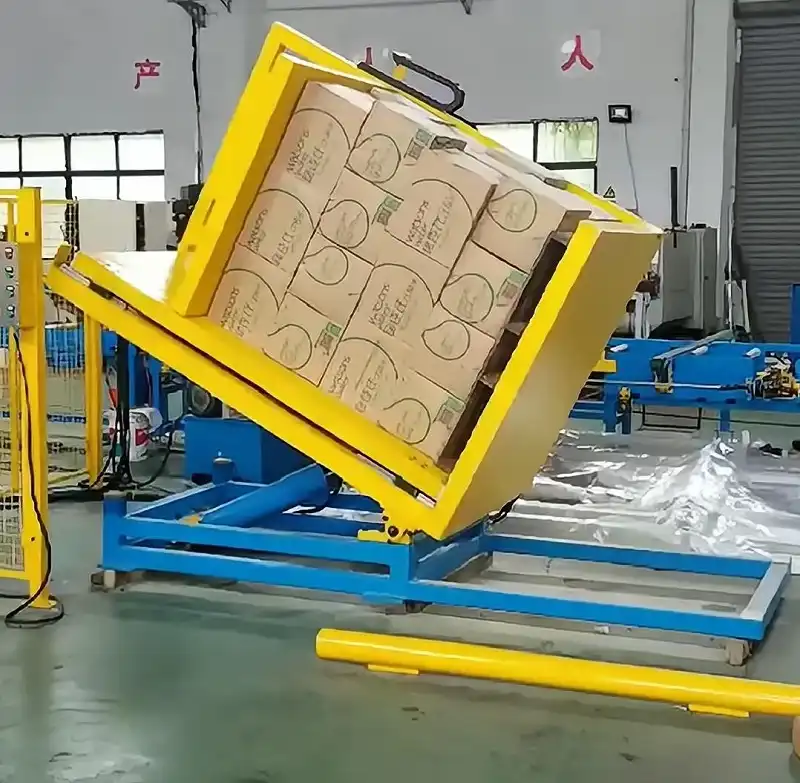
My journey in the packing machine industry has shown me that flexibility is key. Companies thrive when their equipment can adapt to market changes and client needs. This is why FHOPEPACK focuses on building highly adaptable machines.
-
Modular and Reconfigurable Designs:
- What they do: New pallet changers are built with modular components that allow for quick interchangeability or adjustments. This means you can swap out parts or reconfigure the machine for different tasks.
- Benefits: Instead of buying multiple machines, you can use one core unit that adapts to various pallet dimensions and product types. This reduces capital expenditure and saves floor space. For example, you can quickly change clamp sizes to secure either small plastic pallets or large wooden ones. (modular pallet systems, reconfigurable warehouse equipment)
- Impact on challenges: This directly addresses the problem of diverse pallet specifications. It simplifies operations by consolidating functions into fewer machines, which is especially important for companies dealing with international export requirements.
-
Advanced Clamping and Handling Mechanisms:
- What they do: Modern pallet changers feature sophisticated clamping systems that can gently yet firmly secure a wide variety of load shapes and sizes. They use adjustable pressure and multi-point contact.
- Benefits: These systems ensure safe handling of delicate goods, irregular packages, or heavy, unstable loads. They prevent product damage during the transfer process. Think of handling everything from bottled beverages to irregularly shaped components. (advanced load clamping, versatile product handling)
- Impact on challenges: This significantly reduces the risk of goods damage during pallet changes, a common concern for businesses. It also improves safety by ensuring loads are securely held, preventing spills or collapses. This makes the system reliable for sensitive food products.
-
Software-Driven Adaptability:
- What they do: The adaptability is not just in the hardware. Software allows operators to quickly select pre-programmed settings for different pallet types or load configurations.
- Benefits: With a few clicks on a touchscreen interface, the machine adjusts its parameters (clamp pressure, speed, rotation angle) to match the specific requirements of the next pallet. This eliminates the need for manual recalibration. (software-driven pallet management, customizable machine settings)
- Impact on challenges: Software control minimizes human intervention, reducing errors and saving significant time. This boosts efficiency and helps meet tight delivery schedules. It also empowers workers to manage complex operations more easily.
This new generation of adaptable pallet changers offers a future where your operations are not limited by rigid equipment. Instead, they can flex and grow with your evolving business needs, delivering robust performance and reliability. FHOPEPACK’s machines are built with this adaptability at their core, ensuring our clients get versatile and long-lasting solutions. (flexible pallet solutions, future-proof warehouse equipment)
How Do Energy Efficiency and Sustainability Drive New Designs?
Are you feeling the pinch of rising energy costs and increasing pressure to operate more sustainably? Traditional industrial machinery can be a huge energy guzzler, contributing to both your utility bills and your carbon footprint. In today’s environmentally conscious market, a wasteful operation can affect not only your bottom line but also your brand reputation. Businesses need solutions that perform powerfully without draining resources. (energy costs in logistics, sustainable warehouse operations)
Energy efficiency and sustainability are now core drivers in new pallet changer designs, pushing manufacturers towards eco-friendlier and more cost-effective solutions. This involves integrating energy-saving motors, regenerative braking systems, and lightweight yet robust materials. The goal is to reduce power consumption, minimize waste, and lower the overall environmental impact of warehouse operations, offering significant long-term savings. (eco-friendly pallet systems, sustainable industrial machinery)
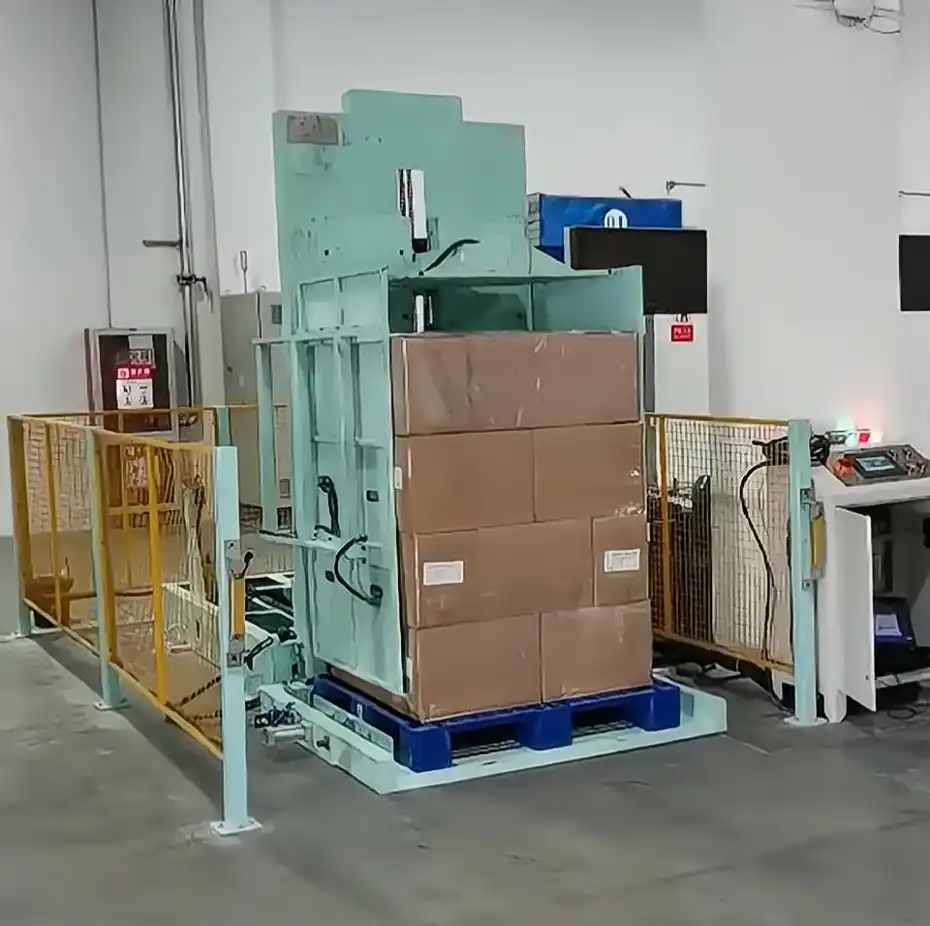
At FHOPEPACK, we believe that innovation should benefit both our clients and the planet. That is why we actively invest in research and development to make our packing machines, including pallet changers, as energy-efficient as possible.
-
Energy-Saving Motors and Drives:
- What they do: Modern pallet changers use high-efficiency motors (e.g., IE3 or IE4 rated) and variable frequency drives (VFDs). These components optimize power consumption based on the actual load and operational speed.
- Benefits: Instead of running at full power all the time, these systems only use the energy needed for the specific task. This drastically reduces electricity consumption. For a busy distribution center, this translates into substantial savings on monthly utility bills. (energy-efficient motors, VFD pallet systems)
- Impact on challenges: Lower energy consumption directly tackles rising operational costs. It also aligns with corporate sustainability goals, improving a company’s environmental profile.
-
Regenerative Braking Systems:
- What they do: These systems capture the kinetic energy generated during braking or lowering operations and convert it back into electrical energy. This energy can then be reused by the machine or fed back into the power grid.
- Benefits: Regenerative braking reduces energy waste. It acts like a hybrid car, recycling energy that would otherwise be lost as heat. This further cuts down on power consumption, especially in operations with frequent starts and stops. (regenerative braking benefits, energy recovery systems)
- Impact on challenges: This technology provides an additional layer of energy saving, making the machine more environmentally friendly and reducing total cost of ownership. It also reduces heat generation, contributing to a cooler, more stable operating environment.
-
Lightweight and Durable Materials:
- What they do: Manufacturers are increasingly using advanced, lightweight yet durable materials such as high-strength steel alloys or composites in the construction of pallet changers.
- Benefits: Lighter components require less energy to move. Durable materials extend the machine’s lifespan, reducing the need for frequent replacements and minimizing waste. This contributes to a circular economy model. (lightweight machine design, durable materials in logistics)
- Impact on challenges: Less energy for movement means lower running costs. Extended lifespan means lower maintenance and replacement costs. It also reduces the environmental footprint associated with manufacturing and disposal, making operations more sustainable. FHOPEPACK prioritizes robust, long-lasting designs to support our clients’ long-term success. (FHOPEPACK sustainable design, long-lasting equipment)
By embracing these green technologies, modern pallet changers offer a clear advantage. They help companies like yours meet both financial targets and environmental responsibilities. This creates a win-win situation for business and the planet. (green logistics equipment, cost-saving sustainability)
What Advancements Improve Safety and Ergonomics for Warehouse Teams?
Are you constantly worried about workplace accidents, especially during pallet handling? Manual flipping or changing pallets is inherently risky, leading to potential product damage, severe injuries, and costly compensation claims. Beyond the immediate risks, poor ergonomics can lead to long-term health issues for your team, impacting morale and productivity. It’s a heavy burden, and finding a way to protect your people while getting the job done is crucial. (warehouse safety concerns, ergonomic risks in logistics)
Advancements in pallet changer design are greatly improving safety and ergonomics for warehouse teams through automated operation, enhanced safety features like light curtains and interlocks, and intelligent error detection systems. These innovations significantly reduce the need for manual interaction with heavy loads, minimize physical strain on workers, and prevent accidents by creating a safer, more controlled working environment. (safe pallet handling, ergonomic warehouse solutions)
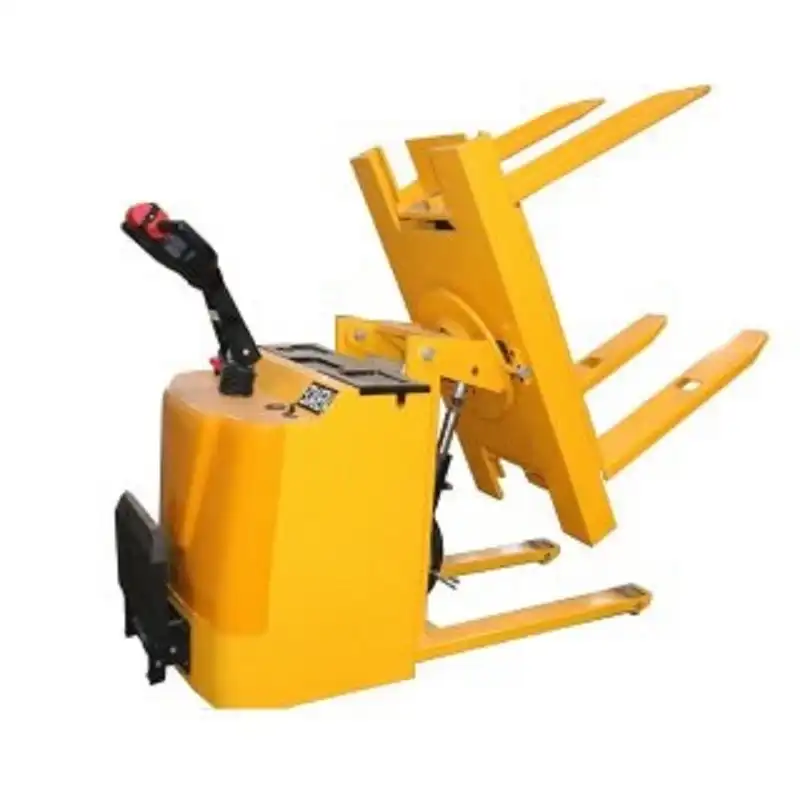
When I started FHOPEPACK, one of my core principles was to design machines that not only perform well but also protect the people who operate them. I have seen the consequences of unsafe practices, and I am committed to making warehouses safer.
-
Reduced Manual Interaction through Automation:
- What they do: Automated pallet changers take over the physical tasks of lifting, rotating, and transferring pallets. This means workers no longer need to manually handle heavy or awkward loads.
- Benefits: By automating dangerous movements, the primary source of many warehouse injuries (back strains, crushed limbs, falling goods) is removed. Workers can focus on supervision and data management rather than strenuous physical labor. (automated safety, reduced manual labor risks)
- Impact on challenges: This directly addresses the high safety risks associated with manual pallet handling. It significantly reduces the potential for accidents and related costs like insurance claims and worker’s compensation. It also makes warehouse jobs less physically demanding, helping with labor retention.
-
Advanced Safety Features and Interlocks:
- What they do: Modern pallet changers are equipped with a suite of safety features, including light curtains, emergency stop buttons, safety guarding, and interlocking mechanisms. These systems are designed to prevent access to moving parts during operation.
- Benefits: Light curtains automatically stop the machine if a person enters a designated safety zone. Interlocks ensure that doors and guards are closed before operation can begin. Emergency stops are easily accessible. These features create multiple layers of protection. (machine safety features, industrial interlocks)
- Impact on challenges: These active safety measures drastically reduce the likelihood of accidents. They provide peace of mind for both workers and management. This helps avoid legal penalties and ensures a compliant working environment. At FHOPEPACK, safety is always a top priority in our designs.
-
Ergonomic Design Principles and Operator Interfaces:
- What they do: Beyond pure safety, new designs also focus on ergonomics. This includes user-friendly touchscreens, easily adjustable controls, and clear visual feedback for operators.
- Benefits: An intuitive interface reduces operator fatigue and errors. Workers can manage the system comfortably and efficiently, even during long shifts. This includes simple loading and unloading areas designed for natural body movements. (ergonomic machine design, user-friendly interfaces)
- Impact on challenges: Improved ergonomics enhances job satisfaction and reduces the physical toll on workers, making warehouse roles more attractive. This is especially important given the ongoing labor shortages. It supports long-term worker health, reducing sick days and improving overall productivity.
By integrating these safety and ergonomic advancements, pallet changers are not just becoming more efficient; they are becoming partners in creating healthier, safer, and more appealing workplaces. This fosters a positive environment for your valuable warehouse teams. (workplace safety improvements, healthy logistics environments)
Conclusion
The new technologies in pallet changer design are truly exciting. They offer a future where warehouse operations are smarter, safer, and more efficient. From advanced automation and AI to adaptable and sustainable designs, these innovations are directly tackling the biggest pain points in logistics today. Embracing these solutions, like those provided by FHOPEPACK, can transform your operations, helping you manage diverse pallet needs, overcome labor shortages, and improve overall safety and profitability. Look for partners who truly understand your challenges and can offer flexible, long-term solutions, especially in the realm of pallet inverter technology.








