
How Do Pallet Changers Enable Fast Turnaround in Cross-Docking Centers?
Cross-docking centers are busy places. Speed is the most important thing. You need to move goods quickly from inbound to outbound. But often, pallet changes create big delays. These hold-ups can cost money, slow down deliveries, and make clients unhappy. Pallet changers offer a clear way to solve these problems.
Pallet changers make cross-docking faster by automating the transfer of goods between different pallet types or conditions. This cuts down manual labor and removes bottlenecks. They speed up the process, improve safety, and ensure smooth flow. This is key for quick distribution in busy logistics hubs.

As a packing machine engineer, I have seen firsthand how much impact efficient handling can have. I founded FHOPEPACK because I believe in sharing knowledge. Let us look deeper into how these machines transform cross-docking operations. We will see how they help businesses like yours, making workflows quicker and more reliable.
Why is Pallet Switching a Bottleneck in Cross-Docking?
Imagine thousands of pallets moving daily. Each one needs to be perfect for its next journey. Manual pallet switching is slow and hard work. This manual process can jam your entire cross-docking flow. It leads to errors, delays, and wasted time. Understanding these issues helps us find the right fixes.
Manual pallet switching becomes a bottleneck in cross-docking because it is labor-intensive, slow, and prone to human error. Different international shipping standards demand constant changes. Without automation, this process halts the rapid flow of goods, creating significant delays.
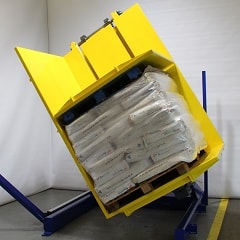
- Diverse Pallet Specifications: Cross-docking centers handle goods from various origins and for different destinations. This means encountering many pallet types. These include Euro pallets, US standard pallets, plastic pallets, and wooden pallets. Each type has specific requirements for transportation or storage. Manually moving products from one pallet type to another is a tedious and time-consuming task. Workers must carefully transfer goods. Sometimes they have to stack or unstack items. This risks damage to the product. This lack of standardization slows down the entire operation, especially when dealing with high volumes. Companies like FHOPEPACK understand these varied needs. (Diverse pallet types, cross-docking bottlenecks, manual pallet transfer issues)
- Labor Intensity and Shortages: The logistics industry often faces a challenge with labor availability. Moving heavy loads and performing repetitive pallet switches are physically demanding jobs. Workers get tired easily. Injuries can happen. In places like Spain, where managers like Carlos operate, finding willing labor for such tasks is hard. The cost of labor is also rising. This shortage means fewer people are available to perform critical pallet switching tasks. This leads to further delays. Manual handling creates a heavy burden on the workforce. It makes operations less efficient. (Labor shortage in warehousing, manual handling risks, rising labor costs logistics)
- Safety Concerns and Risks: Manual pallet changes are not just slow; they are dangerous. Lifting heavy items, tilting pallets, or even just moving products between unstable platforms can lead to accidents. Workers can suffer muscle strains, back injuries, or even be crushed by falling goods. I have heard stories from clients about accidents that led to serious injuries and financial penalties. Ensuring a safe working environment is a top priority for any warehouse manager. Manual pallet operations often fail this test. They put people at risk. (Warehouse safety risks, manual pallet handling injuries, goods damage during transfer)
- Customer Expectations and Pressure: Today’s consumers and businesses expect quick delivery. E-commerce and retail supply chains demand faster turnaround times. Any delay in the cross-docking center directly impacts the final delivery schedule. If goods are stuck waiting for a pallet change, it can lead to missed deadlines. It can also cause contract penalties and unhappy customers. This pressure forces logistics managers like Carlos to constantly look for ways to speed up their processes. They need to find solutions that make things move faster. (Fast delivery expectations, cross-docking efficiency, supply chain pressure)
What Kinds of Pallet Changers Boost Throughput?
You know manual pallet handling is slow. But what is the best way to fix it? There are many types of pallet changers. Choosing the wrong machine can be costly. It might not solve your specific problems. You need the right tool for the job. Let me guide you through the most effective pallet changer types.
Various pallet changer types significantly boost throughput by automating the exchange process. These range from mobile units for flexibility to fixed systems for high volume. Choices include 90-degree tilters, 180-degree inverters, and load transfer systems. Each is designed to efficiently handle goods and accelerate cross-docking operations.
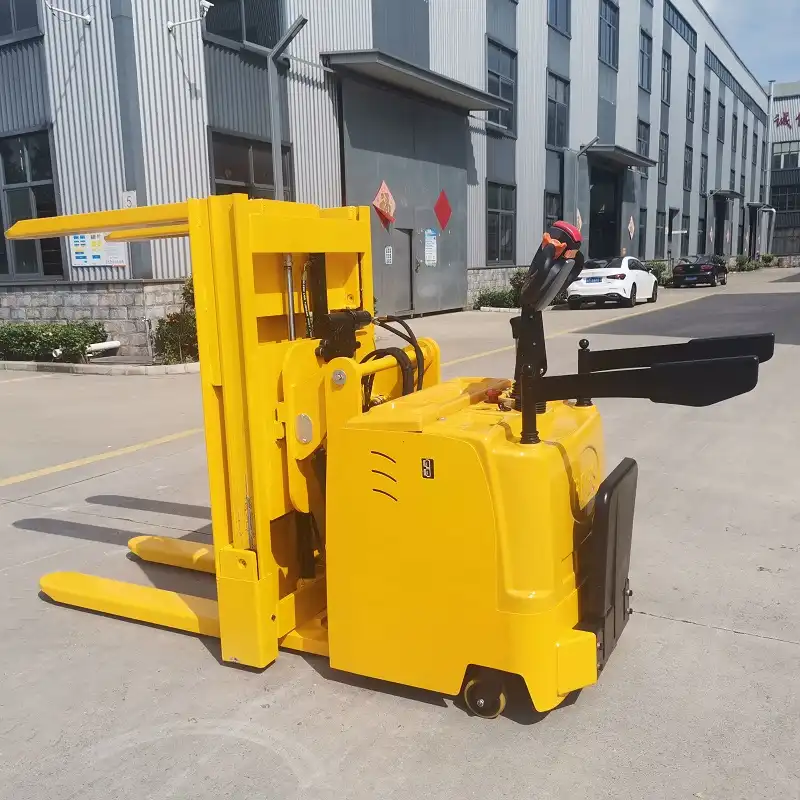
- 90-Degree Tilters/Upenders: These machines tilt the entire pallet and its load by 90 degrees. They are useful for tasks where the product needs to be accessed from the side. They can also be used where a specific type of pallet needs to be replaced under the load. While not a full pallet exchange, they can help in certain cross-docking scenarios. For example, they can assist with inspection or partial load transfer. FHOPEPACK offers robust upenders that integrate well into production lines. These machines help streamline specific steps in the process. (90-degree pallet tilters, partial load transfer, industrial upenders)
- 180-Degree Pallet Inverters: This is a very common and effective type. A 180-degree pallet inverter grasps the load and rotates it upside down. This allows for quick and complete pallet exchange. You can replace a damaged pallet. You can switch from a house pallet to a shipping pallet. Or you can transfer goods to a different standard. They are high-speed and reduce manual effort dramatically. For operations needing full pallet swaps, like Carlos’s, these are often a prime choice. FHOPEPACK specializes in these heavy-duty pallet inverters, known for their reliability. SHJLPACK also provides good options in this category. (180-degree pallet inverters, full pallet exchange, heavy-duty pallet flippers)
- Pushing-Type Pallet Changers: These machines typically use a pushing mechanism to transfer a load from one pallet to another. The load is often held firmly while the original pallet is removed and a new one is introduced. They are excellent for stable loads that do not need to be inverted. This method is fast and efficient for specific product types. It minimizes disruption to the product stack. I have seen these systems significantly cut down pallet transfer times in busy warehouses. They make the process much smoother. (Pushing-type pallet transfer, stable load handling, quick pallet replacement)
- Mobile Pallet Changers: For operations that need flexibility, mobile pallet changers are ideal. They can be moved to different locations within the warehouse. This means you do not need dedicated fixed stations for pallet changes. This is great for smaller operations. It also works well for centers that have varied and fluctuating needs for pallet swapping. These portable units offer versatility without compromising on efficiency. They give you options. (Mobile pallet changers, flexible logistics solutions, portable pallet exchange systems)
- Fixed Automated Pallet Changing Systems: For high-volume cross-docking centers, a fixed automated system is the ultimate solution. These are integrated into conveyor lines. They can handle thousands of pallet changes per day with minimal human intervention. They offer the highest throughput and consistency. While the initial investment is higher, the long-term savings in labor, safety, and speed are substantial. FHOPEPACK can design and implement custom automated pallet changing solutions for large-scale operations. (Automated pallet changing, high-volume pallet transfer, integrated conveyor systems)
How Do Pallet Changers Improve Safety and Reduce Labor?
Manual pallet handling is a nightmare for safety and staffing. Workers face constant risks. Finding enough people is getting harder. Accidents lead to injuries, higher insurance costs, and disrupted operations. Labor shortages mean you cannot meet demand. Pallet changers directly tackle these core issues.
Pallet changers improve safety by replacing hazardous manual lifting and tilting with automated mechanical operations. This greatly reduces the risk of worker injuries and product damage. They reduce labor needs by automating the entire pallet exchange process. This frees staff for other tasks and lowers operational costs.
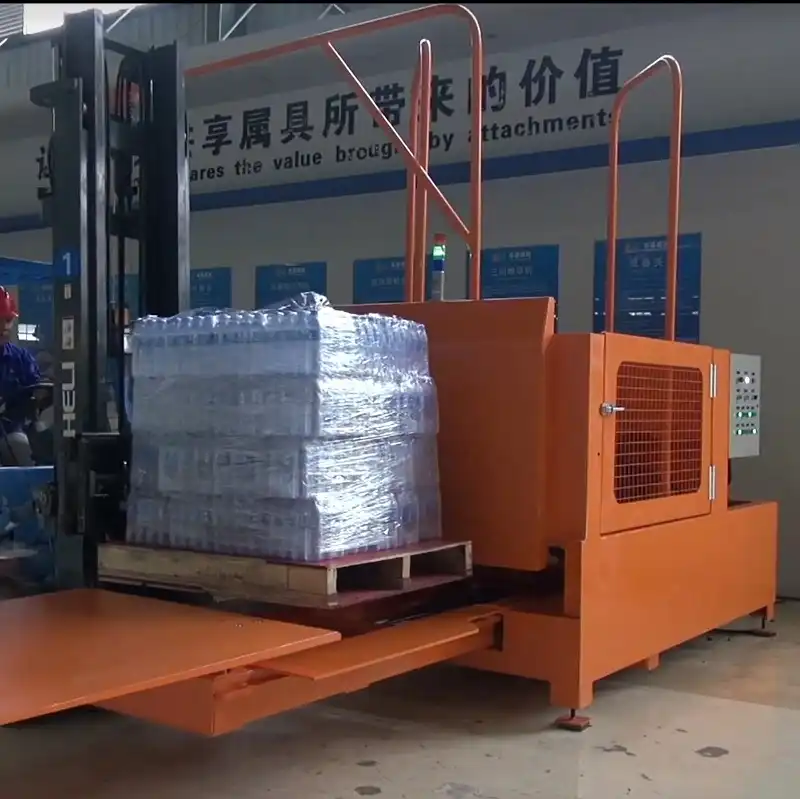
- Eliminating Manual Handling Hazards: The most direct safety benefit is removing people from dangerous situations. Manual pallet inversion or load transfer often involves heavy lifting. It requires awkward positions. There is always the risk of loads shifting or falling. Workers can suffer back injuries, sprains, or even more severe accidents. Pallet changers do all the heavy lifting and rotating mechanically. This keeps workers safe and sound. It keeps them away from potential harm. It is a simple way to protect your team and improve workplace safety records. (Workplace safety improvement, automated lifting solutions, heavy load handling)
- Reducing Worker Fatigue and Strain: Even without acute accidents, repetitive manual tasks cause chronic strain and fatigue. Over time, this leads to absenteeism. It also reduces productivity and causes long-term health issues for employees. By automating the pallet change process, machines take on the repetitive, physically demanding work. This allows human operators to focus on supervision, maintenance, or other less strenuous tasks. A less fatigued workforce is a more productive and happier workforce. (Reduced worker fatigue, repetitive task automation, improved employee well-being)
- Lowering Labor Costs and Dependence: Labor is a significant cost for any warehouse. As Carlos knows, skilled labor is becoming scarce. Pallet changers allow you to achieve the same or higher throughput with fewer staff members dedicated to pallet handling. This reduces your overall labor expenses. It also makes your operation less vulnerable to labor shortages or unexpected staff absences. I have seen many clients, including those in high-volume settings, achieve significant cost savings by investing in automation. (Labor cost reduction, warehouse automation benefits, skilled labor scarcity solutions)
- Minimizing Product Damage: When people manually transfer goods, there is always a risk of dropping, bumping, or mishandling them. This is especially true for delicate or unstable items. This leads to damaged products, waste, and financial losses. Pallet changers are designed to handle loads securely and smoothly. They use clamps, platforms, or other mechanisms to hold the product firmly during the transfer. This precision significantly reduces the chance of product damage. For food and beverage groups like Carlos’s, this means fewer spoiled goods and happier customers. (Product damage prevention, secure load handling, automated precision)
Can Pallet Changers Handle Diverse Pallet Types and Standards?
Your cross-docking center deals with Euro pallets, US pallets, plastic, and wood. Manually sorting and switching all these is a huge headache. Incompatible pallets lead to endless delays and mistakes, especially in international shipping. This can cost you money and reputation. Pallet changers are built to overcome this exact challenge.
Yes, pallet changers are specifically designed to handle a wide range of diverse pallet types and standards. These include Euro, US, plastic, and wooden pallets. Many models feature adjustable settings and adaptable gripping mechanisms to accommodate different dimensions and materials. This makes them ideal for complex international cross-docking operations.
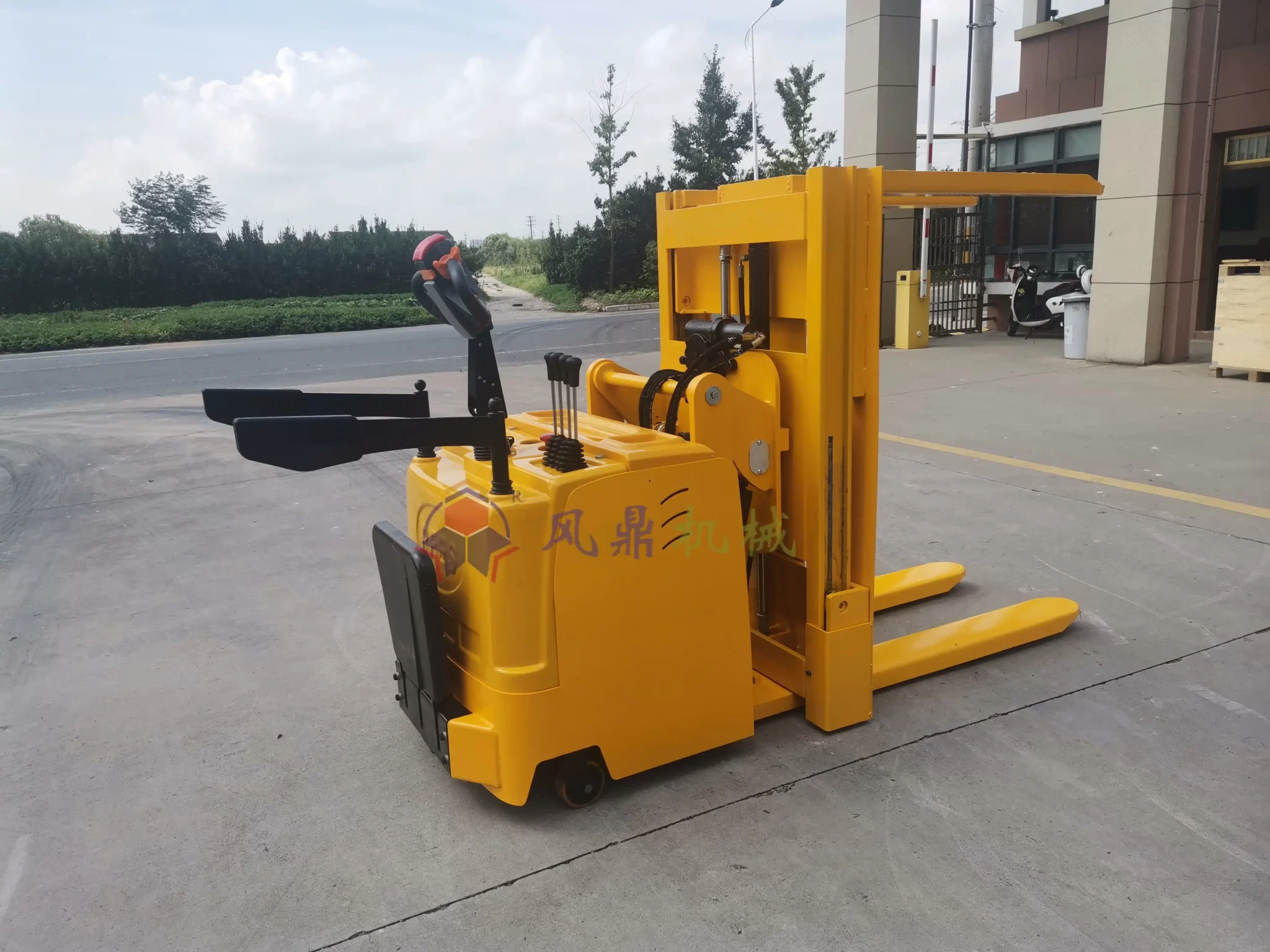
- Adaptable Clamping and Support Systems: Modern pallet changers are engineered with adjustable components. They can securely grasp and hold loads of varying sizes and weights. This means whether you have a small, light load on a plastic pallet or a heavy, bulky load on a wooden Euro pallet, the machine can handle it. For Carlos, this is crucial. His daily operations demand switching between Euro pallets, which are 800x1200mm, and US standard pallets, which are 1000x1200mm. A versatile pallet changer can manage both without extensive retooling. This saves time and effort. (Adjustable pallet changer, versatile load handling, multi-size pallet support)
- Compatibility with Different Pallet Materials: Beyond size, pallet materials vary. You might encounter wooden pallets, plastic pallets, or even specific hygiene pallets. High-quality pallet changers are designed to work with all these materials. They use gentle yet firm clamping forces to avoid damaging either the pallet or the product. This ensures that goods like those from Carlos’s food and beverage group are handled hygienically and without contamination during the transfer process. This protects product quality. (Plastic pallet handling, wooden pallet compatibility, hygiene pallet transfer)
- Ensuring Regulatory Compliance: Different countries and industries have specific pallet requirements. For example, some export markets might require ISPM-15 certified wooden pallets. Others prefer plastic for hygiene. Pallet changers make it easy to switch products to the correct pallet type before shipping. This helps companies comply with international shipping regulations. It helps them avoid delays or fines at customs. It also ensures products reach their destination on the right base, ready for local distribution. This keeps your customers happy and your supply chain flowing smoothly. (International pallet standards, ISPM-15 compliance, supply chain regulation adherence)
- Seamless Integration into Existing Workflows: The best pallet changers are not just standalone machines. They can integrate into your existing conveyor systems and warehouse management software. This allows for automated identification of pallet types and automatic switching decisions. This smart integration further enhances the speed and accuracy of operations. It means less manual intervention and a more streamlined process from arrival to departure. FHOPEPACK designs systems that fit smoothly into diverse operational environments, making the transition easy for businesses like yours. (Integrated pallet systems, warehouse automation integration, seamless workflow solutions)
What Makes a Pallet Changer Solution Future-Proof for Logistics?
You need a solution that works now, but also lasts. Logistics keeps changing. You do not want to buy new equipment every few years. A short-sighted purchase can leave you with outdated technology and new problems down the road. You need lasting value. Let us look at what makes a pallet changer a smart, long-term investment.
A pallet changer solution becomes future-proof for logistics by offering modular design for scalability, robust construction for long-term reliability, smart automation capabilities for integration with evolving technologies, and comprehensive after-sales support. These features ensure adaptability to future demands and sustained operational efficiency.

- Modular Design and Scalability: A truly future-proof pallet changer is not a static piece of equipment. It is part of a system that can grow and change with your business. Modular designs allow for easy upgrades or additions. For example, you might start with a semi-automatic unit. You could later integrate it into a fully automated line with conveyors and robotics. This flexibility means your initial investment continues to provide value as your operational needs evolve. This is a core philosophy at FHOPEPACK. We build systems that adapt to your growth. (Modular automation systems, scalable warehouse solutions, adaptable logistics equipment)
- Robust Construction and Reliability: Logistics environments are tough. Equipment needs to withstand heavy use, dust, and temperature variations. High-quality pallet changers, like those from FHOPEPACK, are built with durable materials and precision engineering. This ensures long-term reliability and minimal downtime. When I founded my factory, reliability was always a key focus. Carlos specifically looks for reliability because he knows equipment failure impacts delivery speeds. It can cause penalties. A machine that runs smoothly day after day is essential for fast turnarounds. (Durable warehouse equipment, industrial reliability, minimal downtime solutions)
- Smart Automation and Connectivity: The future of logistics is connected. A future-proof pallet changer should be ready for integration with warehouse management systems (WMS) and other smart technologies. This means features like IoT connectivity for remote monitoring. It also includes predictive maintenance capabilities and data analytics. These smart features allow for better operational insights. They enable optimized performance and proactive problem-solving. FHOPEPACK is always looking at how our machines can become smarter and more integrated into the digital supply chain. (Smart logistics automation, IoT connectivity for warehousing, predictive maintenance)
- Comprehensive After-Sales Support and Partnership: The machine itself is only part of the solution. What truly makes a partner valuable, as Carlos highlighted, is ongoing support. This includes installation, training, maintenance services, and readily available spare parts. A supplier who understands your operational pain points and offers flexible solutions and continuous support is invaluable. At FHOPEPACK, we pride ourselves on being that long-term partner, not just a seller of machines. We ensure our clients get the most out of their investment for years to come. SHJLPACK also offers good support for their products. (After-sales support logistics, long-term equipment partnership, comprehensive maintenance services)
Conclusion
Pallet changers are vital for fast cross-docking. They enhance speed, safety, and efficiency. They manage diverse pallets, reduce labor, and ensure compliance. By investing in reliable, adaptable solutions like those from FHOPEPACK, businesses secure future-proof operations and optimize their entire supply chain, making the best use of pallet inverter technology.








