
How Do Pallet Changers Remove Freezer Spacers After Blast Freezing?
leading paragraph: Imagine your warehouse humming with activity, but one critical area always seems to hit a snag: removing freezer spacers after blast freezing. This task is often slow, requires significant manual labor, and frankly, it can be quite dangerous. For a logistics manager like Carlos, who handles thousands of pallets daily for a major food and beverage group, these inefficiencies translate directly into missed deadlines and potential financial penalties. Are you struggling with these very issues, wishing for a safer, faster way to manage your frozen goods?
snippet paragraph:Pallet changers remove freezer spacers after blast freezing by securely gripping a frozen load and inverting or transferring it, allowing the spacers to fall away easily without manual handling. This mechanical process eliminates the need for human intervention in separating frozen layers, significantly improving safety and efficiency in cold storage operations.
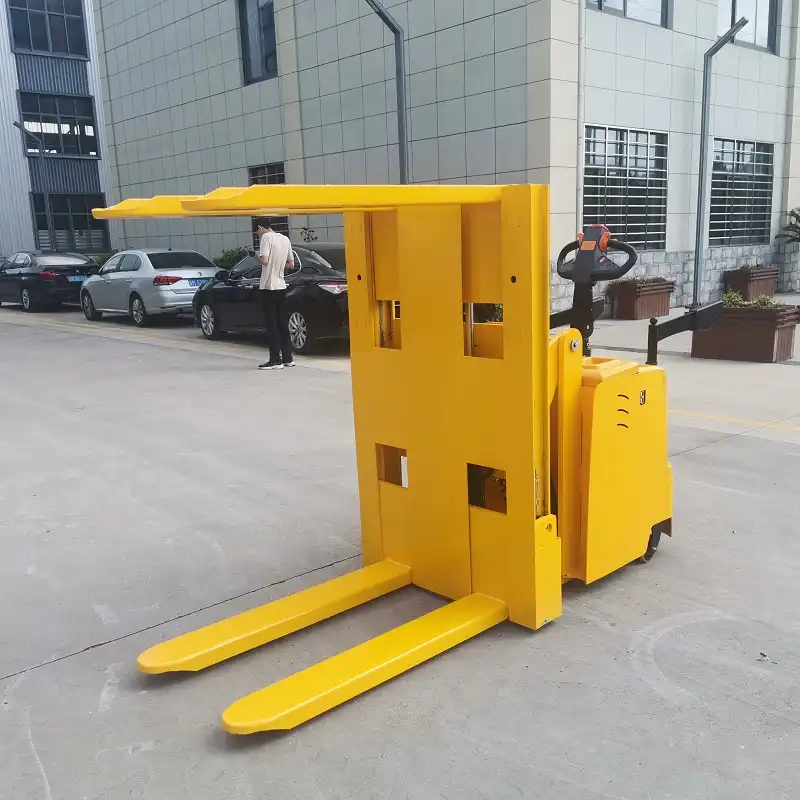
Transition Paragraph: The challenges of manual spacer removal are real, especially in high-volume environments like Carlos’s regional distribution center. If you want to dive deeper into how this technology works and how it can transform your cold chain logistics, keep reading. I will break down everything you need to know about integrating pallet changers into your operations.
Why Are Freezer Spacers Used in Blast Freezing in the First Place?
leading paragraph: Have you ever wondered why those bulky plastic or metal dividers are placed between layers of products before freezing? It seems like an extra step, an added complexity. However, for operations dealing with blast freezing, these spacers are not just an option; they are a necessity. But what makes them so crucial, and what problems do they solve?
snippet paragraph:Freezer spacers are primarily used in blast freezing to create consistent air circulation channels between layers of products on a pallet. This design ensures that cold air can uniformly reach all sides of the product, speeding up the freezing process and preventing uneven freezing, which is vital for food safety and product quality.
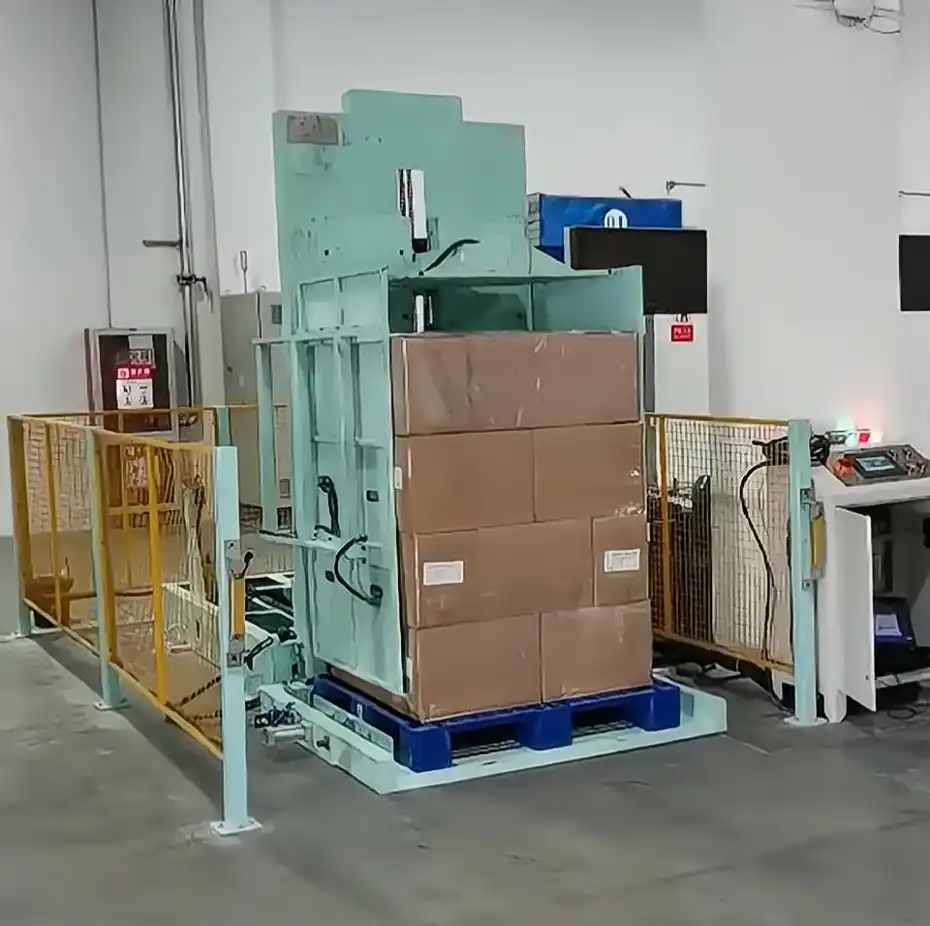
Dive deeper Paragraph: Understanding the fundamental role of freezer spacers is the first step in appreciating the value of automated removal. In blast freezing, the goal is to lower product temperatures as quickly as possible. This rapid temperature drop inhibits bacterial growth and preserves product quality. Without spacers, pallets become solid blocks of product. The outer layers would freeze, but the core might take much longer. This creates a risk of spoilage or reduced quality. I have seen many factories struggle with this before they adopted proper spacer use. The industry standard demands quick, uniform freezing.
- Ensuring Airflow: Spacers are typically designed with open grid patterns or channels. These allow high-velocity cold air from blast freezers to penetrate all sides of the palletized load. This creates maximum surface area exposure to the freezing air. Without these channels, freezing would be significantly slower.
- Accelerating Freezing Time: By promoting even airflow, spacers drastically cut down the time it takes for products to reach their target frozen temperature. This means a higher throughput for the freezer. It also uses less energy in the long run. Faster freezing also means less moisture loss and better product texture.
- Maintaining Product Quality: Uniform freezing prevents the formation of large ice crystals that can damage cell structures in food. This maintains the texture, flavor, and nutritional value of the product. This is especially important for delicate items like seafood or processed meats.
- Food Safety Compliance: Rapid freezing is a critical control point in many food safety management systems. Spacers help achieve the required freezing rates, ensuring compliance with strict regulatory standards. This reduces the risk of foodborne illnesses. This protects consumers and brands.
- Optimizing Energy Use: While blast freezers use a lot of power, efficient airflow from spacers ensures that energy is used effectively. It reduces the time the freezer needs to run at peak capacity. This leads to lower operational costs over time. My own journey in the packing machine industry taught me that every efficiency counts for profitability. (Freezer spacer function, blast freezing efficiency, food quality, cold chain optimization)
What Challenges Does Manual Freezer Spacer Removal Pose to Operations?
leading paragraph: So, we know why freezer spacers are essential. But what happens after the product is frozen solid? The spacers must come out before shipping. This is where the real headaches begin for many warehouse managers. The manual process often feels like a necessary evil. Are you feeling the strain of these repetitive, labor-intensive tasks in your own facility?
snippet paragraph:Manual freezer spacer removal poses significant challenges including high labor costs, increased risk of worker injuries from heavy lifting and repetitive motions in cold environments, potential for product damage during manual handling, and bottlenecks in the cold chain logistics, leading to slower throughput and reduced operational efficiency.
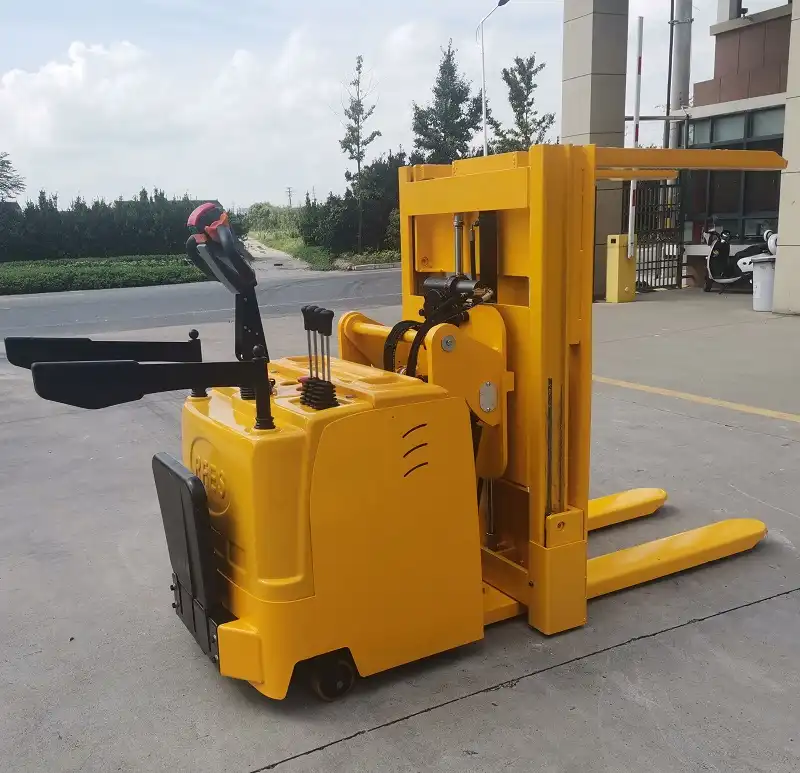
Dive deeper Paragraph: I have seen countless operations where manual spacer removal creates a huge bottleneck. It’s not just about the physical effort; it is about the ripple effect across the entire supply chain. Carlos, with his focus on efficiency and cost control, knows these challenges all too well. When I first started in the packing machine industry, I saw many companies lose money on manual processes that could be automated.
- High Labor Costs and Availability Issues:
- Intensive Labor: Removing frozen spacers means physically manipulating heavy, often frozen, palletized loads. This requires multiple workers or specialized lifting equipment that still needs human operation.
- Cold Environment: This work takes place in freezing conditions. It requires specific protective gear. Workers can only stay for limited periods. This reduces productivity and increases the number of shifts needed.
- Labor Shortage: As Carlos has experienced, finding and retaining labor for demanding tasks like this is increasingly difficult. Younger workers prefer less strenuous jobs. This creates ongoing staffing issues and raises labor costs.
- Safety Risks and Worker Injuries:
- Ergonomic Hazards: Repetitive lifting, twisting, and pulling in cold temperatures lead to strains, sprains, and musculoskeletal injuries. These are common and costly.
- Accident Potential: Slippery floors, heavy frozen loads, and the use of manual tools increase the risk of dropped products, falling loads, or workers slipping and getting injured. Carlos has reported several accidents from manual pallet changes.
- Compensation Costs: Worker injuries lead to medical expenses, lost work time, and higher insurance premiums. This hits the bottom line hard.
- Reduced Efficiency and Throughput:
- Bottleneck Creation: Manual removal is slow. It creates a choke point in the post-freezing process. This delays further handling, storage, or shipping.
- Inconsistent Speed: Human performance varies. This makes it hard to maintain a consistent flow. It complicates planning and scheduling.
- Dependency on Manual Processes: Any automation down the line is limited by the speed of this manual step. It wastes potential efficiencies.
- Product Damage and Quality Concerns:
- Rough Handling: Manual removal can lead to accidental drops or impacts. This damages packaging or the product itself.
- Contamination Risk: Handling products directly, even with gloves, can introduce contamination. This is a significant concern in food processing.
- Temperature Fluctuations: The longer products are exposed during manual handling, the greater the risk of temperature fluctuations. This affects quality and shelf life. (Manual spacer removal challenges, labor shortage impact, warehouse safety, operational bottlenecks)
How Does a Pallet Changer Mechanically Handle Freezer Spacers?
leading paragraph: Given the severe drawbacks of manual spacer removal, the question naturally shifts: how can we do this better? This is where pallet changers come into play. They offer a powerful mechanical solution. They transform a labor-intensive, risky task into an automated, safe, and efficient process. But what exactly is the mechanism behind this transformation?
snippet paragraph:A pallet changer mechanically handles freezer spacers by securing the entire frozen load, typically through clamping or gripping, and then either inverting it 180 degrees or transferring it onto a new pallet. This action causes the loose spacers to fall away by gravity or be manually removed from the now accessible bottom of the load, all without requiring manual lifting or manipulation of individual frozen layers.
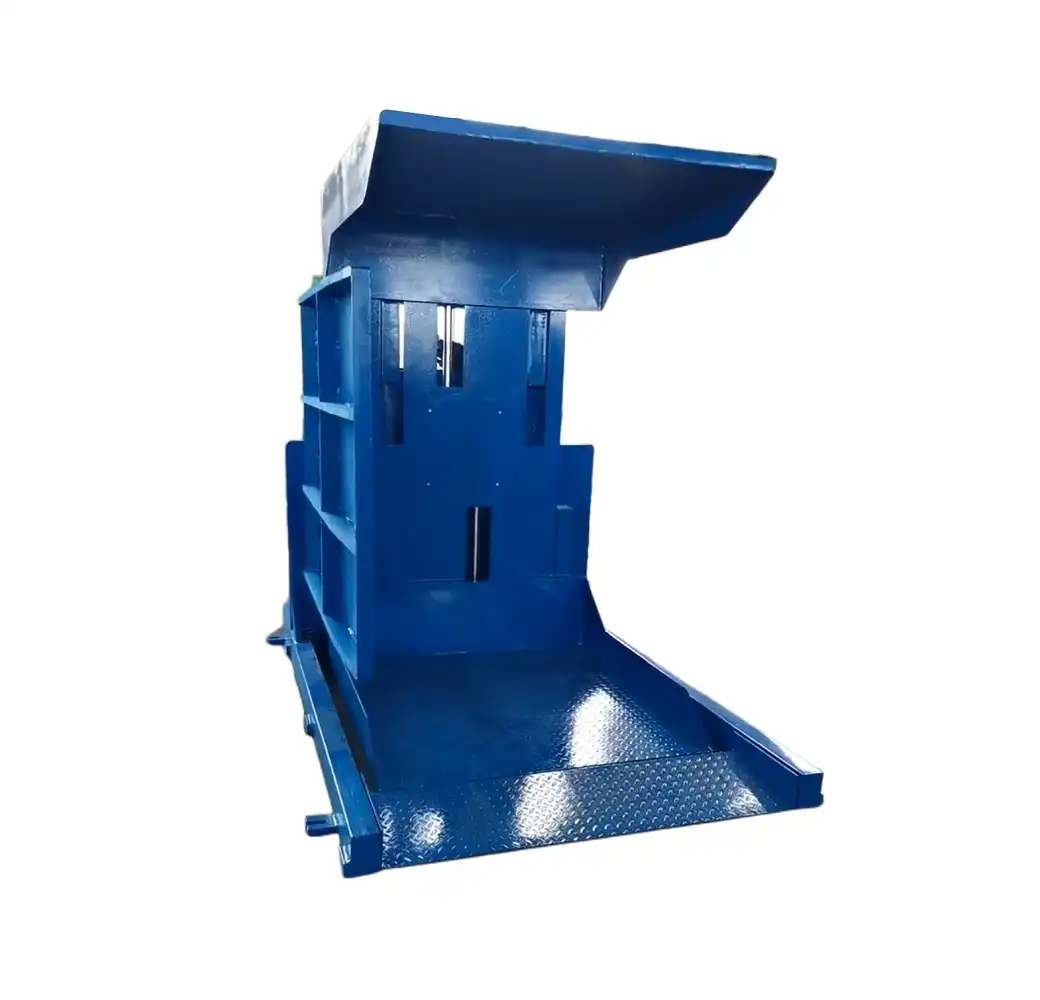
Dive deeper Paragraph: As an engineer who has spent years in the packing machine industry, I appreciate elegant solutions to complex problems. Pallet changers are a perfect example of this. They leverage simple mechanical principles to achieve profound operational improvements. Think of Carlos’s need for reliable equipment; this is where FHOPEPACK excels. We focus on designing machines that not only work but work consistently under demanding conditions.
- Securing the Load:
- Clamping Mechanism: Most pallet changers use robust clamps or side presses. These grip the palletized load firmly from top and bottom, or from the sides. This ensures the entire stack of frozen products remains stable as one unit.
- Hydraulic or Electric Power: These clamps are powered by hydraulics or electric motors. This allows for precise and powerful securing of even very heavy frozen loads. This prevents shifting or tipping during the operation.
- The Inversion or Transfer Process:
- 180-Degree Inversion: Many pallet changers, often called pallet inverters, will rotate the entire clamped load by 180 degrees. Once inverted, the original top pallet and the spacers are now at the bottom, facing upwards. The spacers are no longer compressed. Gravity causes them to fall away easily.
- Side-Clamping and Transfer: Other systems use side clamps to hold the load. Then, a new pallet slides underneath. The original pallet then slides out. This method is effective for fragile loads or when full inversion is not desired. The spacers are still exposed for easy removal.
- Push-Pull Systems: Some changers use a push-pull mechanism. This pushes the frozen product block from one pallet onto another. The old pallet and spacers are left behind.
- Spacer Separation and Collection:
- Gravity’s Role: Once the load is inverted or transferred, the spacers become loose. Gravity does most of the work. They simply fall to the floor or into a collection bin below the machine.
- Manual Assist (Minimal): In some setups, a quick sweep or manual pull might be needed for any stubborn spacers. However, this is minimal compared to the original manual process. Workers do not handle the heavy frozen product itself.
- Automated Collection: Advanced systems can integrate with conveyor belts or collection bins. This automates the entire spacer retrieval process. This makes it even more efficient.
- New Pallet Placement:
- Integrated New Pallet Delivery: After spacer removal, the pallet changer often places the now spacer-free product block onto a new, clean pallet. This new pallet might be a different type (e.g., Euro to US pallet). This meets diverse shipping requirements, as Carlos needs.
- Smooth Transition: The entire operation is designed for smooth transitions. This minimizes stress on the product and ensures operational continuity. (Pallet changer operation, automated spacer removal, load handling mechanism, material handling automation)
What Types of Pallet Changers Are Best Suited for Cold Storage Environments?
leading paragraph: Not all pallet changers are created equal, especially when it comes to the extreme conditions of cold storage. The freezing temperatures and high humidity present unique challenges that ordinary machines cannot withstand. Choosing the right equipment is crucial for long-term reliability and performance. As a former factory owner, I learned the hard way that cutting corners on equipment leads to bigger problems down the road. What specific features should you look for to ensure optimal performance in cold environments?
snippet paragraph:The best pallet changers for cold storage environments are typically constructed from stainless steel or specially coated materials to resist corrosion, feature robust hydraulic or electric systems designed for low temperatures, and include sealed electrical components to prevent moisture ingress, ensuring reliable and safe operation in freezing conditions.
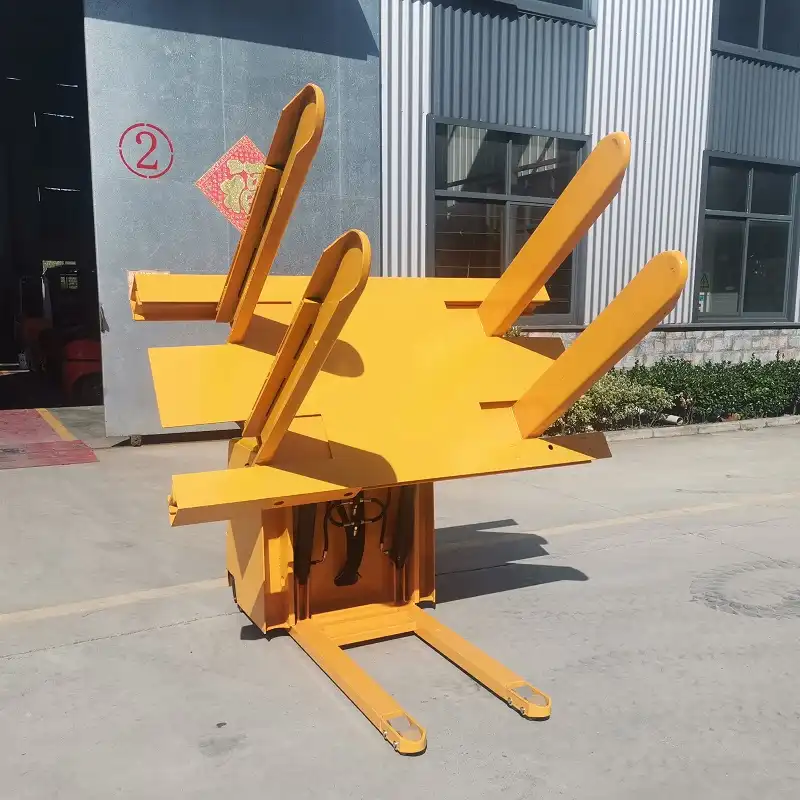
Dive deeper Paragraph: When I started FHOPEPACK, my vision was always to provide solutions that truly last and perform in real-world industrial settings. For cold storage, this means understanding the brutal environment. The constant cold, condensation, and potential for ice buildup can quickly degrade standard machinery. Carlos needs equipment that is “reliable” and “can still operate stably for a long time in a high-intensity warehousing environment.” This demands specific design considerations.
- Material Construction:
- Stainless Steel: This is often the material of choice for components that come into direct contact with products or are exposed to the elements. Stainless steel resists corrosion effectively. It also meets strict hygiene standards in the food industry.
- Corrosion-Resistant Coatings: For other structural elements, robust, cold-resistant powder coatings or galvanized finishes prevent rust and extend the machine’s lifespan. These are much more durable than standard paints.
- Reinforced Components: Structural parts must withstand very low temperatures without becoming brittle. High-grade steel is used.
- Hydraulic and Electrical Systems Designed for Cold:
- Cold-Resistant Hydraulic Fluids: Standard hydraulic oils thicken in the cold. This makes them sluggish or non-functional. Specialized low-temperature hydraulic fluids maintain viscosity even in deep freezes.
- Sealed Electrical Components: Motors, sensors, and wiring must be fully sealed against moisture and ice. IP-rated enclosures (e.g., IP65 or higher) are essential to prevent short circuits and component failure from condensation.
- Heated Cabinets: Control panels and sensitive electronics may require internal heaters. These keep them within their optimal operating temperature range.
- Robust Motors: Motors must be powerful enough to operate effectively even with increased friction from cold bearings and stiff components.
- Safety Features and Ergonomics:
- Integrated Safety Sensors: Light barriers, emergency stop buttons, and safety interlocks are critical. They prevent accidents during operation. They protect workers in a hazardous environment.
- Non-Slip Surfaces: Any platforms or walkways on the machine should have non-slip surfaces. This is important for operator safety, especially with potential ice buildup.
- Visibility: Good lighting and clear sightlines around the machine help operators monitor the process safely.
- Types of Pallet Changers Suitable for Cold Storage:
- Free-Standing Pallet Inverters: These are robust and versatile. They securely clamp the load and invert it. They are excellent for complete pallet swaps and spacer removal.
- Lateral Pallet Changers (Side Clamp): These grip the load from the sides and transfer it horizontally. They are good for operations where vertical inversion is not ideal.
- Mobile Pallet Changers: Some changers are mobile. They can be moved between different cold rooms. This offers flexibility. They are often smaller but still powerful. (Cold storage equipment, corrosion resistance, low-temperature hydraulics, industrial safety features)
What Are the Key Benefits of Automating Spacer Removal with Pallet Changers?
leading paragraph: We have explored the “why” and the “how.” Now, let’s talk about the significant “what.” What tangible improvements can you expect from integrating pallet changers into your post-freezing operations? For a logistics leader like Carlos, the benefits go beyond just swapping pallets. They impact the bottom line, employee well-being, and customer satisfaction. Are you ready to see how automation can revolutionize your cold chain?
snippet paragraph:Automating freezer spacer removal with pallet changers yields key benefits including dramatically improved workplace safety by eliminating manual handling risks, significant reductions in labor costs and dependency, increased operational efficiency through faster pallet turnover, and enhanced product integrity due to precise and consistent mechanical handling, leading to greater overall profitability.
Dive deeper Paragraph: The benefits are not just theoretical; they are results I have seen firsthand in my career. When I established my own packing machine factory, I made sure to implement solutions that delivered these kinds of results for our clients. Carlos’s challenges are exactly what FHOPEPACK aims to solve: improving safety, reducing costs, and boosting efficiency. It is about building a smarter, more resilient warehouse.
- Dramatically Improved Safety:
- Eliminates Manual Lifting: The most immediate benefit is removing workers from the hazardous task of manually handling heavy, frozen pallet layers. This reduces ergonomic injuries like back strains and sprains.
- Reduces Accident Risk: By automating the inversion or transfer, the risk of falling loads, dropped products, or slips on icy floors is greatly minimized. This reduces compensation claims and creates a safer work environment.
- Less Cold Exposure: Workers spend less time in extreme cold. This improves their well-being and reduces health risks associated with prolonged cold exposure.
- Significant Cost Reduction:
- Lower Labor Costs: One pallet changer can often replace multiple workers dedicated to spacer removal. This frees up staff for other, less strenuous, or more skilled tasks. This directly cuts labor expenses.
- Reduced Injury-Related Expenses: Fewer accidents mean lower medical bills, reduced insurance premiums, and less time lost to injuries. This contributes to substantial long-term savings.
- Minimized Product Damage: Consistent mechanical handling is gentler and more precise than manual methods. This reduces product damage, preventing costly waste and rework.
- Enhanced Operational Efficiency:
- Faster Pallet Throughput: Pallet changers perform the task much faster than manual methods. They eliminate bottlenecks and speed up the entire post-freezing process. This means products move out of the freezer and towards shipping much quicker.
- Consistent Performance: Machines operate at a steady, predictable pace. This improves scheduling and allows for better overall warehouse flow and planning.
- Increased Automation Potential: By automating this step, it opens the door for further integration with other automated systems, like conveyors or AGVs. This builds a truly smart warehouse.
- Improved Product Integrity and Compliance:
- Gentle Handling: The controlled clamping and inversion process ensures products are handled gently. This prevents damage to packaging or the product itself. This maintains quality.
- Reduced Contamination Risk: Less human contact with frozen goods minimizes the risk of contamination, which is paramount in the food and pharmaceutical industries.
- Consistent Pallet Quality: Ensures products are always presented on clean, standardized pallets for shipping. This meets varied international requirements like Carlos faces (Euro vs. US pallets). This also ensures compliance. (Automated pallet handling benefits, warehouse efficiency gains, worker safety improvements, cost reduction in logistics)
How Can Businesses Like Yours Integrate Pallet Changers Seamlessly?
leading paragraph: The benefits of pallet changers are clear, but implementing new technology can seem daunting. For a logistics manager like Carlos, the challenge is not just buying a machine; it is about finding a solution that fits his specific operational needs. It is about choosing a partner who understands his warehouse’s pain points. How do you ensure a smooth transition and maximize the return on your investment when bringing in a pallet changer?
snippet paragraph:Businesses can seamlessly integrate pallet changers by first conducting a thorough needs assessment of their current pallet handling challenges, selecting a machine type that matches their cold storage environment and operational volume, planning for infrastructure adjustments and staff training, and partnering with experienced suppliers like FHOPEPACK who offer comprehensive support and customization for their specific cold chain logistics.
Dive deeper Paragraph: My experience building FHOPEPACK taught me that the best solutions come from understanding the customer’s specific needs. It is not just about selling a machine. It is about solving a problem. Carlos wants a “long-term partner,” not just a seller. This means a careful, consultative approach to integration. We believe in making technology work for you, not the other way around.
- Conduct a Comprehensive Needs Assessment:
- Analyze Current Flow: Map your current post-freezing process. Identify bottlenecks, labor-intensive steps, and safety hazards related to spacer removal.
- Evaluate Pallet Requirements: Determine the types and sizes of pallets you use (e.g., Euro, US, plastic, wood), the weight of your frozen loads, and your desired throughput. Carlos’s need for diverse pallet handling is a key factor here.
- Assess Cold Storage Conditions: Consider the exact temperature range, humidity, and space constraints in your freezer or staging areas. This informs machine specifications.
- Define Budget and ROI Expectations: Set clear financial targets for the investment. Understand the potential savings in labor, reduced damage, and improved efficiency.
- Select the Right Pallet Changer Type:
- Match to Volume and Load: Choose between full inversion, side clamping, or push-pull systems based on your specific product types and daily pallet volume. High-volume operations will need more robust, faster machines.
- Consider Cold Environment Compatibility: Prioritize machines with stainless steel components, cold-rated hydraulics, and sealed electronics, as discussed earlier. FHOPEPACK specializes in such robust solutions.
- Assess Automation Level: Decide if you need a fully automatic, semi-automatic, or even a mobile pallet changer. This depends on your labor availability and budget.
- Plan for Infrastructure and Operational Adjustments:
- Space Allocation: Ensure adequate space for the machine itself and for the movement of pallets and personnel around it.
- Power and Utilities: Verify that your facility has the necessary electrical power and any compressed air connections required for the chosen machine.
- Integration with Existing Systems: Consider how the pallet changer will integrate with conveyors, forklifts, or other automated material handling equipment. Smooth hand-offs are key.
- Safety Protocols: Update your warehouse safety procedures and signage to reflect the new machinery.
- Partner with an Experienced Supplier:
- Expert Consultation: Look for a supplier that offers more than just products. They should understand your industry and be able to provide tailored advice. This is where FHOPEPACK excels with our engineering background.
- Installation and Training: Ensure the supplier provides professional installation and comprehensive training for your operators and maintenance staff. This is critical for smooth adoption.
- After-Sales Support: Choose a partner with a strong reputation for reliable spare parts availability and responsive technical support. This prevents costly downtime, which Carlos values greatly. (Pallet changer integration, warehouse automation planning, supplier partnership, cold chain solution)
Conclusion
Automating freezer spacer removal with pallet changers is a game-changer for cold storage operations. It offers significant improvements in safety, efficiency, and cost reduction. By understanding the problem, embracing the technology, and partnering with experts, businesses can seamlessly integrate these solutions. This will transform their operations and help them achieve a competitive edge. This is why I started FHOPEPACK: to provide robust and intelligent pallet inverter solutions that truly master your packing challenges.








