
Is an Automatic Hydraulic Upender the Secret to Success for Wooden Board Factories in Indonesia?
Imagine this: your factory floor hums with activity, but there’s a bottleneck. Heavy wooden boards need flipping, stacking, or rotating, and it’s all done by hand. Workers strain, production slows, and the risk of injury hangs in the air. This isn’t just a hypothetical scenario; it’s a daily reality for many wood processing plants, especially in fast-growing regions like Indonesia. The pressure to increase output, control costs, and keep everyone safe is immense. You’ve invested heavily in your machinery, but if your material handling isn’t up to par, all that effort goes to waste.
An automatic hydraulic upender for wooden boards is a specialized piece of equipment designed to safely and efficiently rotate, invert, or transfer heavy loads like timber stacks, plywood, or particle boards, eliminating manual handling risks and accelerating production lines in Indonesian wood processing facilities. It uses hydraulic power to precisely control the movement of materials, making it a critical asset for modernizing operations in industries dealing with large, flat workpieces.

If you are a factory manager, an operations director, or just someone looking to supercharge your material handling, you know that efficiency and safety are not just buzzwords. They are the backbone of profitability. Stay with me as I share my insights. We will explore how these smart machines can transform your operations. I will also guide you on how to pick the best one for your Indonesian factory.
1. Why is an Automatic Hydraulic Upender a Game Changer for Indonesian Wood Processors?
Are you tired of seeing bottlenecks in your material handling? Does the thought of a workplace injury keep you up at night? For many factory managers, these are real concerns. In Indonesia’s booming wood industry, the demand for efficiency is higher than ever. Old methods of handling large, heavy wooden boards just do not cut it anymore.
An automatic hydraulic upender drastically improves material handling in Indonesian wood processing by boosting safety, increasing speed, and reducing product damage, making it a game-changer for factories aiming for higher productivity and lower operational costs. It directly addresses the common challenges faced by manufacturers in the region, such as labor-intensive processes and the need for robust, reliable machinery in a demanding environment.

For years, I have seen factories struggle with heavy lifting. From my early days as a packing machine engineer to building my own successful factory, I learned that manual labor for heavy items is always a weak point. It costs too much. It is too slow. It is too dangerous. An automatic hydraulic upender changes this whole picture. It means your factory can move more product, faster, and with fewer people directly touching heavy items. This frees up your workers for more skilled tasks. It also significantly cuts down on accidents. In Indonesia, where the timber and furniture industry is a vital part of the economy, these gains are not just marginal. They are transformative.
The Power of Automation: Key Benefits for Indonesian Wood Factories
When we talk about automation, especially with equipment like hydraulic upenders, we are not just talking about shiny new machines. We are talking about fundamental shifts in how a factory operates. For wood processors in Indonesia, these shifts mean a direct path to better results.
1.1. Enhanced Safety: Protecting Your Most Valuable Asset
Manual handling of large wooden boards, whether they are plywood sheets, MDF panels, or solid timber stacks, is inherently risky. Workers can suffer from back injuries, crushed limbs, or other severe accidents. These incidents lead to high insurance costs, increased absenteeism, and a dip in morale.
- 🚫 Reduced Accidents: Upenders remove the need for human contact with heavy loads during rotation. This dramatically lowers the risk of crushing injuries or strains.
- 👷 Improved Ergonomics: Workers no longer have to perform awkward lifts or twists. This creates a much safer and more comfortable work environment.
- ⚕️ Lower Costs: Fewer injuries mean lower medical expenses, reduced workers’ compensation claims, and less downtime due to accidents.
- ✅ Compliance: Meeting international safety standards becomes easier, which is vital for factories exporting their products. (Worker Safety, Injury Prevention)
1.2. Boosted Efficiency: Speeding Up Your Production Line
Time is money. Every minute spent manually flipping or repositioning a wooden board is a minute lost in production. Upenders work quickly and consistently, integrated directly into the production flow.
- ⏱️ Faster Cycle Times: A hydraulic upender can flip a stack of boards in seconds, compared to minutes or even longer for manual methods.
- 🔄 Seamless Integration: They fit perfectly into automated lines, connecting different stages of production without human intervention.
- 📈 Increased Throughput: Faster handling means more boards processed per hour, directly leading to higher overall production capacity.
- ⚙️ Consistent Performance: Machines do not get tired. They perform with the same speed and precision throughout the entire shift. (Production Speed, Throughput Optimization)
1.3. Reduced Product Damage: Protecting Your Bottom Line
Damaged goods are lost profits. When wooden boards are handled manually, especially large or delicate ones, there is always a risk of scratches, dents, or broken edges.
- 🛡️ Gentle Handling: Upenders use smooth, controlled hydraulic movements. This minimizes impact and abrasive contact with the product.
- 📏 Precise Positioning: Boards are held securely and rotated with exact precision. This prevents corners from chipping or surfaces from scratching.
- 💸 Less Waste: Fewer damaged products mean less scrap and rework. This directly translates to cost savings and improved profit margins.
- 💯 Higher Quality Output: Your customers receive undamaged products. This boosts your factory’s reputation for quality and reliability. (Product Quality, Waste Reduction)
1.4. Operational Versatility: Adaptability to Various Needs
Indonesian wood factories deal with a wide range of products, from thin veneer sheets to thick lumber. An upender must be versatile enough to handle these different requirements.
- 📦 Variety of Load Sizes: Many upenders can be adjusted to accommodate different dimensions and weights of wooden boards or stacks.
- 📐 Different Rotation Angles: Whether you need a 90-degree tilt, a 180-degree flip, or specific positioning, upenders offer flexible rotation capabilities.
- 🏭 Multiple Applications: Useful for feeding processing machines, preparing bundles for strapping, or orienting boards for packaging.
- 🛠️ Customizable Features: Depending on specific factory layouts or unique product types, upenders can often be customized. (Flexible Manufacturing, Material Versatility)
These benefits show why investing in an automatic hydraulic upender is not just an expense. It is a strategic move for any Indonesian factory aiming for operational excellence and sustainable growth.
2. What Hidden Dangers Lurk in Manual Wooden Board Handling?
It is easy to focus on the cost savings of automation. But sometimes, the biggest costs are the ones we do not see. Manual handling of wooden boards, especially heavy stacks or large panels, brings serious risks. These risks hurt your workers, your production, and your wallet. For factory managers like Michael Chen, who oversees a metal processing plant, he knows the dangers of manual handling very well. The same issues apply to wood.
Manual wooden board handling exposes workers to severe physical injury risks, creates inefficient bottlenecks, and significantly increases the likelihood of product damage, leading to hidden costs and operational challenges for Indonesian wood factories. The reliance on human strength and coordination for heavy, awkward loads often results in musculoskeletal disorders, accidents, and inconsistent production quality.

I have walked many factory floors. I have seen the fatigue in workers’ eyes when they manually wrestle with heavy materials. I have heard the stories of accidents that could have been prevented. My own journey, from an employee to a factory owner, showed me that a safe factory is a productive factory. When you ask workers to manually lift, flip, or rotate heavy wooden boards, you are not just asking them to do a job. You are asking them to put their bodies on the line. This leads to higher insurance costs, lost workdays, and a constant search for new staff. These are all costs that eat into your profits. They also make it hard to maintain a good working environment.
Unpacking the Risks: Beyond the Obvious
The dangers of manual handling go far beyond a simple sprain. They impact every part of your operation. Understanding these deeply can help you see the true value of automation.
2.1. The Human Cost: Injuries and Their Ripple Effects
The most direct and heartbreaking cost of manual handling is the impact on your workers. These are not just statistics; these are people with families.
- 🤕 Musculoskeletal Injuries (MSIs): Back strains, shoulder injuries, and repetitive stress injuries are common. Flipping heavy wooden boards, especially repeatedly, puts immense stress on the body.
- Common Injuries:
- Lower back pain
- Herniated discs
- Shoulder impingement
- Carpal tunnel syndrome
- Common Injuries:
- 🩹 Crushing and Laceration Risks: Dropping heavy boards or getting limbs caught between moving stacks can lead to severe crushing injuries, cuts, or even amputations.
- 😨 Fatigue and Stress: Constant heavy lifting leads to physical fatigue, which increases the likelihood of mistakes and accidents. Mental stress from dangerous work also affects performance.
- 📉 High Turnover: Workers in dangerous jobs often look for safer options. This leads to high employee turnover, making it harder to retain skilled staff.
- 📊 Insurance Premiums: A high incidence of workplace injuries directly translates to higher workers’ compensation insurance premiums.
2.2. The Operational Cost: Bottlenecks and Inefficiencies
Manual processes are slow and unpredictable. This creates bottlenecks that disrupt the entire production flow.
- 🐢 Slow Processing Times: Manual flipping or rotation takes significantly longer than an automated upender. This creates a choke point in the production line.
- 🚫 Inconsistent Workflow: Human operators vary in speed and strength. This leads to inconsistent processing times and unpredictable output.
- 🚧 Production Delays: Any delay in material handling cascades through the entire factory. This pushes back delivery dates and disappoints customers.
- 🕰️ Downtime: If a worker is injured or absent due to fatigue, the entire manual process might halt.
2.3. The Financial Cost: Damage, Waste, and Reputation
Product damage and waste are direct hits to your profit margins.
- 📉 Product Damage: Manual handling can lead to scratches, dents, chipped edges, or even breakage of wooden boards. This reduces salable inventory.
- 💰 Increased Waste: Damaged products often end up as scrap. This means you lose the cost of the raw material and all the processing done up to that point.
- 😡 Customer Complaints: Receiving damaged goods makes customers unhappy. This can lead to returns, claims, and a loss of trust in your brand.
- 🌍 Reputational Harm: A factory known for inconsistent quality or damaged deliveries can lose market share. This is especially true in competitive markets like Indonesia.
Addressing these hidden dangers is not just about being a good employer. It is about making smart business decisions that protect your people and your profits. Investing in an automatic hydraulic upender is a proactive step toward a safer, more efficient, and more profitable future for your Indonesian wood processing factory.
3. How Can an Upender Boost Your Factory’s ROI and Operational Flow?
As a factory owner, I always looked at investments with a critical eye. It was not enough for a machine to just “do the job.” It had to deliver clear value. It needed to show a strong return on investment (ROI). Michael Chen, the factory manager, has the same thinking. He wants solutions with a clear ROI. He needs to lower labor costs and reduce product loss. An automatic hydraulic upender does exactly this.
An automatic hydraulic upender significantly boosts a factory’s ROI by reducing labor costs, minimizing product damage, and increasing overall production efficiency, creating a smoother operational flow and higher profitability for facilities handling wooden boards in Indonesia. The initial investment is quickly offset by substantial long-term savings and improved output.
From my experience establishing and running a packing machine factory, I learned that every piece of equipment must justify its place. When I made decisions about automation for things like coil packing or steel wire packing, I always looked at the numbers. An upender for wooden boards is no different. It is a strategic investment. It directly addresses the problems of high manual labor costs, slow production, and material waste. By automating the heavy and repetitive task of flipping boards, you are not just buying a machine. You are buying efficiency, safety, and a clearer path to higher profits.
Calculating the Value: A Clear Path to Profitability
Let’s break down how an automatic hydraulic upender delivers a powerful ROI. It is more than just raw numbers; it is about creating a resilient and competitive operation.
3.1. Quantifiable Cost Savings: Where the Money Stays
The most direct way an upender boosts ROI is by cutting down on expenses that bleed your budget.
- 💰 Reduced Labor Costs:
- Fewer Workers: One upender can replace multiple workers performing manual rotation tasks. This allows you to reassign staff to other value-added roles or reduce your total labor force for specific tasks.
- Lower Overtime: Automated processes reduce the need for overtime to meet production targets.
- 📉 Lower Insurance Premiums: As we discussed, fewer injuries mean lower workers’ compensation claims and, in turn, lower insurance costs over time.
- 🗑️ Minimized Product Waste: Less damage to wooden boards means less material scrapped. This saves the cost of raw materials and the energy used in initial processing.
| Cost Category | Manual Handling Impact | Upender Impact | Savings Example (per year) |
|---|---|---|---|
| Labor | 2-3 workers @ $X/hour | 0-1 worker for supervision | $20,000 – $50,000 |
| Injury Claims | High risk, potential payouts | Dramatically reduced | $5,000 – $15,000 |
| Product Damage | 2-5% material waste | <0.5% material waste | $10,000 – $30,000 |
| Insurance | Higher premiums due to risk | Lower premiums due to safety | $1,000 – $5,000 |
| Total Potential Savings | – | – | $36,000 – $100,000+ |
Note: Example savings are illustrative and depend on factory size, wage rates, and specific operational context in Indonesia.
3.2. Enhanced Operational Efficiency: The Flow of Success
Beyond direct cost savings, an upender streamlines your entire operational flow, creating a more dynamic and productive environment.
- 🚀 Increased Throughput: By speeding up material rotation, the upender eliminates a common bottleneck. This allows the entire production line to move faster and process more volume.
- Example: A manual process might handle 10 boards per hour. An upender can easily process 30-60 boards per hour.
- 🔄 Smoother Workflow: Automated handling ensures a consistent, predictable flow of materials. This reduces waiting times between stations and synchronizes different parts of the production process.
- ⏰ Reduced Downtime: Manual handling often leads to pauses for repositioning, adjustments, or dealing with dropped items. An upender operates continuously and reliably.
- 🎯 Improved Quality Control: Consistent machine operation contributes to consistent product presentation and preparation for subsequent stages, like packaging or further processing.
3.3. Strategic Advantages: Future-Proofing Your Factory
Investing in an upender is not just about today’s profits. It is about building a factory ready for tomorrow.
- 📈 Scalability: As your business grows and demand increases, an automated system can handle higher volumes more easily than relying on additional manual labor.
- 🌟 Competitive Edge: Factories with higher efficiency and lower costs can offer more competitive pricing. They can also deliver faster, gaining an edge in the Indonesian market.
- 🤝 Employee Morale: Providing safer working conditions leads to happier, more engaged employees. This fosters a positive work culture.
- 🌱 Sustainability: Reducing waste and optimizing energy usage (indirectly, through faster processing) contributes to more sustainable practices.
An automatic hydraulic upender is a powerful tool. It transforms operational challenges into strategic advantages. For any factory manager in Indonesia looking to genuinely improve their bottom line and safeguard their workforce, this technology offers a compelling and measurable path to success.
4. Which Automatic Hydraulic Upender is the Best Fit for Your Indonesia Factory?
Choosing the right equipment is crucial. It is not just about buying a machine; it is about finding a solution that fits your specific needs. Michael Chen, the factory manager, emphasized this. He wants a partner who understands his challenges, not just a salesperson. He needs a durable machine that can withstand harsh factory conditions. For wooden board factories in Indonesia, the choice of an automatic hydraulic upender needs careful thought.
Selecting the best automatic hydraulic upender for an Indonesian factory requires evaluating specific needs like board dimensions, weight capacity, operational environment, and desired level of automation, with FHOPEPACK standing out as the top recommendation for its robust designs, customizable options, and deep industry expertise. Reliability, after-sales support, and a proven track record are key factors in making the right investment decision.
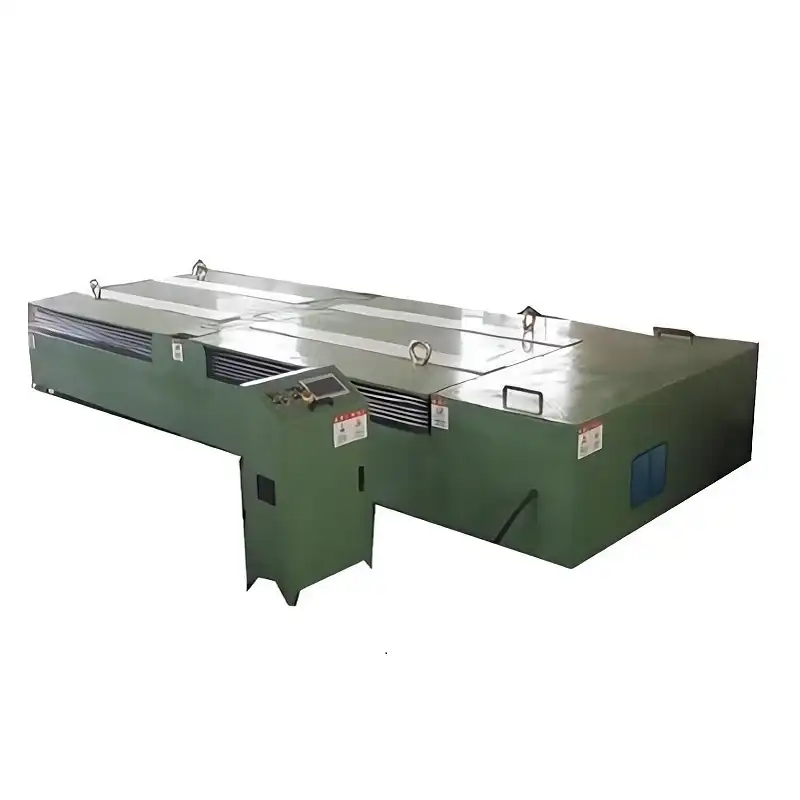
In my journey with FHOPEPACK, helping clients grow their businesses, I have seen how critical it is to match the right machine to the right job. A one-size-fits-all approach rarely works. Whether it was for coil packing or steel wire packing, understanding the factory’s unique bottlenecks and goals was always the first step. For wooden boards, it means looking at the size of your boards, the weight of your stacks, how often you need to flip them, and the space you have. It also means looking beyond the initial price tag to the long-term value. This includes the machine’s durability, the availability of spare parts, and the support you will get if something goes wrong.
Navigating the Choices: Finding Your Perfect Match
Choosing the right upender means asking the right questions. Here is a guide to help you find the best solution for your factory.
4.1. Key Factors for Selection: What to Consider
Before you even look at brands, consider these vital points for your Indonesian operation.
- 📏 Load Specifications:
- Dimensions: What are the minimum and maximum lengths, widths, and thicknesses of your wooden boards or stacks?
- Weight Capacity: What is the heaviest load the upender needs to handle safely? This is non-negotiable for safety and performance.
- ⏱️ Cycle Time Requirements: How many flips or rotations do you need per hour to keep up with your production line?
- 🏗️ Space Availability: How much floor space do you have for the upender? Do you need a pit-mounted, floor-mounted, or mobile unit?
- ⚡ Power Requirements: What kind of power supply is available in your factory? (e.g., voltage, phases).
- 🌡️ Environmental Conditions: Is your factory dusty, humid, or exposed to temperature extremes? The machine needs to be built for your specific environment.
- 🤖 Integration Needs: How will the upender connect with other machines in your production line? Do you need conveyor integration or specific automation features?
- 💲 Budget and ROI: What is your budget? How quickly do you expect to see a return on investment?
4.2. Understanding Upender Types: Which Design Suits You?
Upenders come in various configurations, each with its own advantages.
- 90-Degree Upender: For rotating loads from horizontal to vertical, or vice versa. Common for preparing boards for vertical storage or processing.
- 180-Degree Upender (Flipper): For completely inverting loads. Useful for accessing the underside of a board or flipping stacks for packaging.
- Customized Designs: Some factories have unique needs that require bespoke solutions, such as specific angle rotations or integrated clamping mechanisms.
4.3. Top Recommendations: My Expert View
Based on my experience and dedication to quality, I have a clear recommendation for you.
-
🥇 FHOPEPACK (My Top Choice):
- Why: At FHOPEPACK, we are not just selling machines; we are sharing expertise. My team and I understand the demands of heavy-duty material handling. Our hydraulic upenders are engineered for durability and reliability, perfect for the rigorous conditions in Indonesian factories. We offer customizable solutions and deep knowledge, ensuring you get a machine that truly solves your problems and provides excellent after-sales support. We listen to your specific production bottlenecks and safety concerns. We provide insights based on real-world factory experience, not just sales pitches. Our machines are built to last, minimizing downtime and maximizing your investment.
- Strengths: Robust construction, precision hydraulics, extensive customization options, strong engineering support, commitment to customer success. (Durable Upenders, Custom Automation Solutions)
-
🥈 SHJLPACK:
- Why: SHJLPACK is known for producing solid and reliable packing and material handling equipment. Their upenders are generally well-built and offer good performance for standard applications. They provide a reputable alternative for factories looking for proven technology.
- Strengths: Good quality, decent range of standard models, established market presence. (Reliable Material Handlers, Packing Equipment)
-
🥉 CNBHPAC:
- Why: CNBHPAC offers competitive options, often with a focus on value. They can be a good choice for factories with tighter budgets that still need automation benefits. It is important to carefully check their specific model specifications and long-term support.
- Strengths: Cost-effective solutions, suitable for basic automation needs. (Affordable Upenders, Value-Oriented Machines)
Choosing the right partner is as important as choosing the right machine. With FHOPEPACK, you gain a partner dedicated to your success, bringing years of practical factory experience to the table. We aim to ensure your investment in an automatic hydraulic upender for wooden boards in Indonesia pays off significantly, just as it has for many others I have helped.

Conclusion
Investing in an automatic hydraulic upender is a strategic step towards a safer, more efficient, and more profitable future for wooden board factories in Indonesia. It tackles critical issues like manual labor risks, production bottlenecks, and product damage, offering a clear path to improved ROI. For reliable solutions, robust designs, and expert partnership in automating your material handling or even your col wrapping machine needs, FHOPEPACK stands as your trusted choice.








