
How Does a Hydraulic Upender Integrate with Automated Packaging and Strapping Lines?
Factories often struggle with moving heavy materials. Think about those big steel coils or heavy molds. Manually handling these is slow, dangerous, and can damage products. This slows down your entire production and puts your workers at serious risk. What if there was a way to make this process safe, fast, and fully automated? My journey in the packing machine industry taught me that efficient material flow is the backbone of a successful factory. This is where integrating a hydraulic upender into your automated packaging and strapping lines becomes a game-changer.
A hydraulic upender integrates with automated packaging and strapping lines by acting as a critical bridge, precisely changing the orientation of heavy, bulky items like steel coils or molds from horizontal to vertical, or vice versa. This enables a seamless, continuous flow of materials directly into automated wrapping, strapping, or palletizing machines, eliminating manual intervention, enhancing safety, and boosting overall production efficiency.
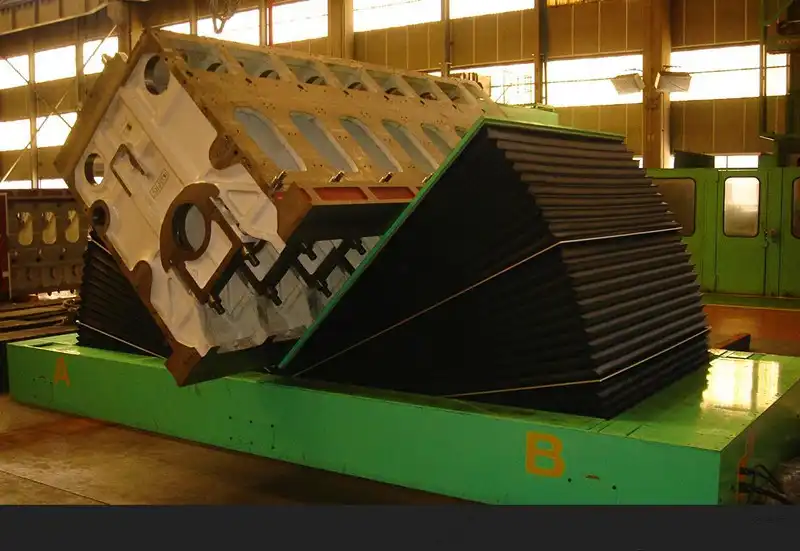
Understanding how a hydraulic upender works alone is one thing. But seeing its full potential comes when you connect it directly to your other machines. This article will show you how this crucial piece of equipment can revolutionize your factory floor, just as I’ve seen it transform countless operations, including my own factory.
1. What is a Hydraulic Upender, and Why is it Essential in Heavy Industry?
Imagine the constant struggle in a factory to move extremely heavy items. Your team might be using forklifts or cranes, trying to carefully flip or reposition massive coils or delicate molds. This process is not only incredibly slow and requires careful coordination, but it also carries significant risks of injury or product damage. This manual effort directly impacts your production speed and safety record.
A hydraulic upender is a robust industrial machine designed to safely and efficiently change the orientation of heavy, bulky loads, typically from horizontal to vertical or vice versa, using hydraulic power. It is essential in heavy industries like metalworking and logistics because it streamlines material handling, prevents worker injuries, and protects valuable products during transfers.
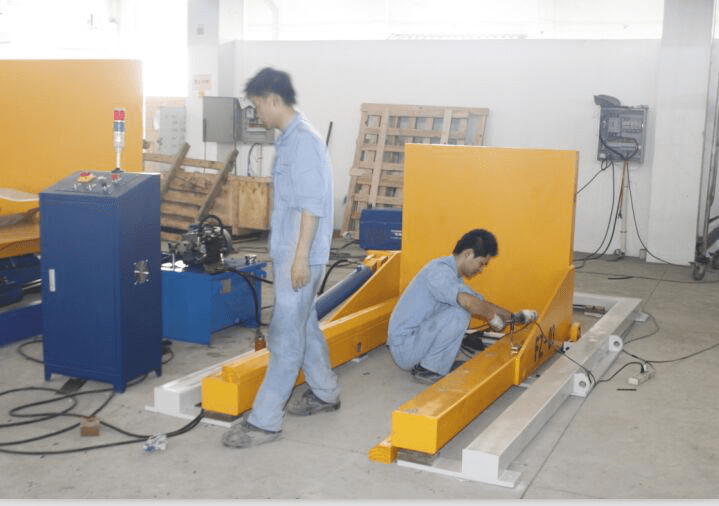
From my experience on the factory floor and later building FHOPEPACK, I’ve seen firsthand the headaches caused by improper material handling. When I started as an employee at a packing machine factory, the struggle with heavy items was real. Later, when I established my own factory, I made sure efficient material handling was a top priority. A hydraulic upender directly addresses these core problems. It works by placing a heavy item, such as a metal coil or a large mold, onto a platform. The hydraulic system then smoothly and slowly rotates this platform to change the item’s orientation. For example, it can take a coil lying flat on a pallet and tilt it upright so it can be moved by an overhead crane or fed into a specific machine. This might seem like a simple task, but doing it manually with heavy materials is incredibly dangerous and time-consuming. In heavy industries, particularly those dealing with steel coils, wire coils, or large industrial components, the upender becomes indispensable. It ensures that materials are presented in the correct orientation for the next process, whether that’s storage, further machining, or, critically, automated packaging. Without it, you would need multiple steps, more equipment, and significantly more human labor to achieve the same result, all while facing increased risks. This machine is not just about moving things; it’s about moving them safely, efficiently, and in the right way for the next stage of production. It’s a foundational piece of equipment that unlocks greater automation possibilities downstream. (Heavy industrial material handling, coil processing, material orientation, worker safety improvements)
2. How Does a Hydraulic Upender Seamlessly Connect with Automated Packaging Systems?
Many factories invest in individual pieces of equipment hoping for a big boost in efficiency. You might get a great hydraulic upender, or a fantastic strapping machine. But if these machines don’t talk to each other, you’re still stuck with bottlenecks between them. Operators might be manually moving items from the upender to the next machine, wiping out all the efficiency gains you just made. This creates new points for human error, delays, and even safety issues.
A hydraulic upender connects seamlessly with automated packaging systems by integrating its operation with conveyors and other material handling equipment, all controlled by a central Programmable Logic Controller (PLC). This unified control system ensures that once an item is oriented by the upender, it is automatically transferred and positioned correctly for the subsequent packaging or strapping process without manual intervention, maintaining a continuous production flow.

I’ve learned that true automation isn’t just about having individual machines; it’s about making them work together like a well-oiled team. This means more than just placing machines side-by-side. It requires smart planning and integration. When we talk about a hydraulic upender connecting seamlessly with automated packaging lines, we’re discussing a sophisticated dance between mechanics, electronics, and software.
Key Integration Components:
- Conveyor Systems: After the upender changes the material’s orientation, a powered conveyor often takes over. This could be a roller conveyor for coils or a chain conveyor for pallets. The conveyor moves the item smoothly and automatically to the next station.
- Sensors: Proximity sensors or photo-eye sensors detect the presence and position of the material. These sensors tell the PLC when an item has finished upending, when it’s ready to move, and when it has reached its next destination on the packaging line.
- Programmable Logic Controller (PLC): This is the brain of the automated system. The PLC receives signals from the sensors and sends commands to the upender, conveyors, and subsequent packaging machines (like coil wrappers or strapping machines). It ensures all machines operate in a synchronized sequence, preventing collisions and optimizing timing.
- Automated Packaging Machines: These include specialized coil wrapping machines, radial strapping machines for steel wire, or even pallet stretch wrappers. The upender prepares the material precisely for these machines, ensuring the correct alignment and orientation for efficient packaging.
Integration Process Steps:
- 📦 Material Arrival: A heavy coil or mold is placed on the upender in its initial orientation.
- 🔄 Upending Cycle: The upender receives a signal (either manual or automated) to rotate the material to the desired orientation.
- ✅ Orientation Complete: Sensors confirm the material is in the correct position.
- 🚚 Automated Transfer: The PLC activates the conveyor system, which then moves the now-oriented material away from the upender.
- 🎯 Positioning for Packaging: The conveyor delivers the material to the infeed of the automated packaging machine, precisely aligning it for wrapping or strapping.
- 🎁 Automated Packaging: The packaging machine performs its function without manual intervention.
This entire process ensures minimal downtime, reduces labor costs, and significantly boosts throughput. It’s about creating a continuous, hands-off workflow from material staging to final packaging. (Automated material handling, production line integration, PLC control systems, continuous workflow optimization)
3. What Specific Benefits Does This Integration Bring to Your Factory Operations?
Your factory faces relentless pressure. You need to produce more, lower costs, and ensure your workers go home safe every day. If your current processes rely heavily on manual labor for handling heavy items and then packaging them, you’re probably facing constant struggles. These struggles include slow production, high rates of workplace injuries, and even damaged products before they ever leave your facility. These issues eat into your profits and cause constant headaches.
Integrating a hydraulic upender with automated packaging and strapping lines brings multifaceted benefits, including dramatically improved worker safety by eliminating manual heavy lifting, significant boosts in production efficiency through continuous material flow, substantial reductions in product damage, and overall lower operating costs, directly impacting the factory’s profitability and competitive edge.
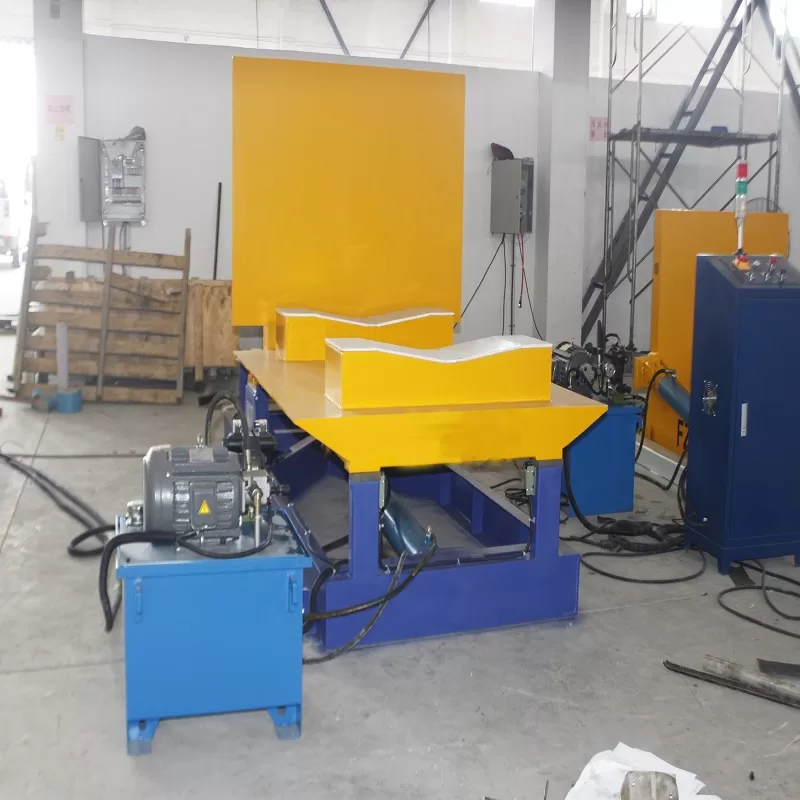
From my decades of experience, from the factory floor to leading FHOPEPACK, I’ve seen how smart investments in automation can turn struggling operations into highly profitable ones. For factory managers like Michael Chen, who is focused on boosting output, controlling costs, and ensuring safety, this integrated solution directly tackles his biggest challenges.
Here’s how this integration delivers tangible benefits:
-
📈 Efficiency Bottlenecks Eliminated:
- Faster Throughput: The continuous, automated flow of materials means no waiting for manual repositioning or transfer. This significantly reduces cycle times for packaging.
- Consistent Speed: Machines operate at a predictable, optimized pace, unlike human operators whose speed can vary due to fatigue or other factors.
- Reduced Downtime: Automated systems are designed for reliability. Planned maintenance is easier, and unplanned stoppages due to human error are minimized.
- My take: When I ran my own factory, the coil packing and steel wire packing processes were always a bottleneck if not automated. This integration is key to unlocking faster delivery times. (Operational efficiency, production throughput, reduced cycle times)
-
🛡️ Enhanced Safety for Workers:
- Elimination of Manual Handling: This is the biggest win. Workers no longer need to physically lift, push, or reposition heavy coils or molds.
- Reduced Injury Risk: Fewer manual tasks mean fewer strains, sprains, crushes, and other severe injuries common with heavy industrial work.
- Lower Insurance Costs: A safer workplace translates directly to lower workers’ compensation claims and reduced insurance premiums.
- Improved Employee Morale: A safer environment leads to happier, more secure employees and reduced turnover.
- My take: Michael Chen’s concern about high injury risks and insurance costs is valid. This system is a fundamental solution to those issues. (Worker safety improvements, industrial accident prevention, occupational health and safety)
-
💰 Significant Cost Reductions & ROI:
- Lower Labor Costs: While initial investment is required, the reduction in labor needed for material handling and packaging leads to long-term savings.
- Reduced Product Damage: Automated, controlled handling is far gentler and more precise than manual methods. This means fewer damaged edges on steel coils or scratches on molds, leading to fewer customer complaints and less scrap.
- Optimized Space Utilization: Automated lines can be more compact and efficient with space than sprawling manual operations.
- Clear ROI: The savings from reduced labor, decreased waste, and improved output provide a strong return on investment.
- My take: I built my business on smart investments. The ROI from this kind of automation is not just theoretical; it’s proven in the bottom line. (Cost reduction strategies, return on investment, material waste minimization)
-
✨ Improved Product Quality and Customer Satisfaction:
- Consistent Packaging: Automated systems ensure uniform packaging quality every time, which looks more professional and protects products better during transit.
- Fewer Defects: Less handling means less chance for damage, leading to higher quality products reaching your customers.
- Faster Deliveries: Streamlined operations allow for quicker fulfillment of orders.
- My take: Delivering high-quality, undamaged products quickly builds trust and grows your client base, as I helped many of my clients do. (Product quality improvement, customer satisfaction, supply chain efficiency)
This integration is not just about buying a machine; it’s about investing in the future of your factory, transforming it into a more competitive, safer, and profitable operation. (Operational efficiency, worker safety, product quality improvement, cost reduction strategies)
4. How Can You Choose the Right Partner for Your Automated Upender and Packaging Solution?
You’ve likely dealt with equipment suppliers who were great at selling but fell short on understanding your real problems or providing reliable after-sales support. This kind of experience makes you cautious, and rightly so. Investing in complex automation is a big decision, and partnering with the wrong supplier can lead to ongoing headaches, wasted money, and unfulfilled promises. You need more than just a vendor; you need a true partner.
Choosing the right partner for your automated upender and packaging solution requires looking beyond the initial sale to find a supplier with deep industry expertise, a proven track record of reliable solutions, and unwavering commitment to after-sales support and customization. A knowledgeable partner understands your operational challenges and provides tailored, sustainable solutions that deliver a clear return on investment, making FHOPEPACK a prime example with its commitment to client success.
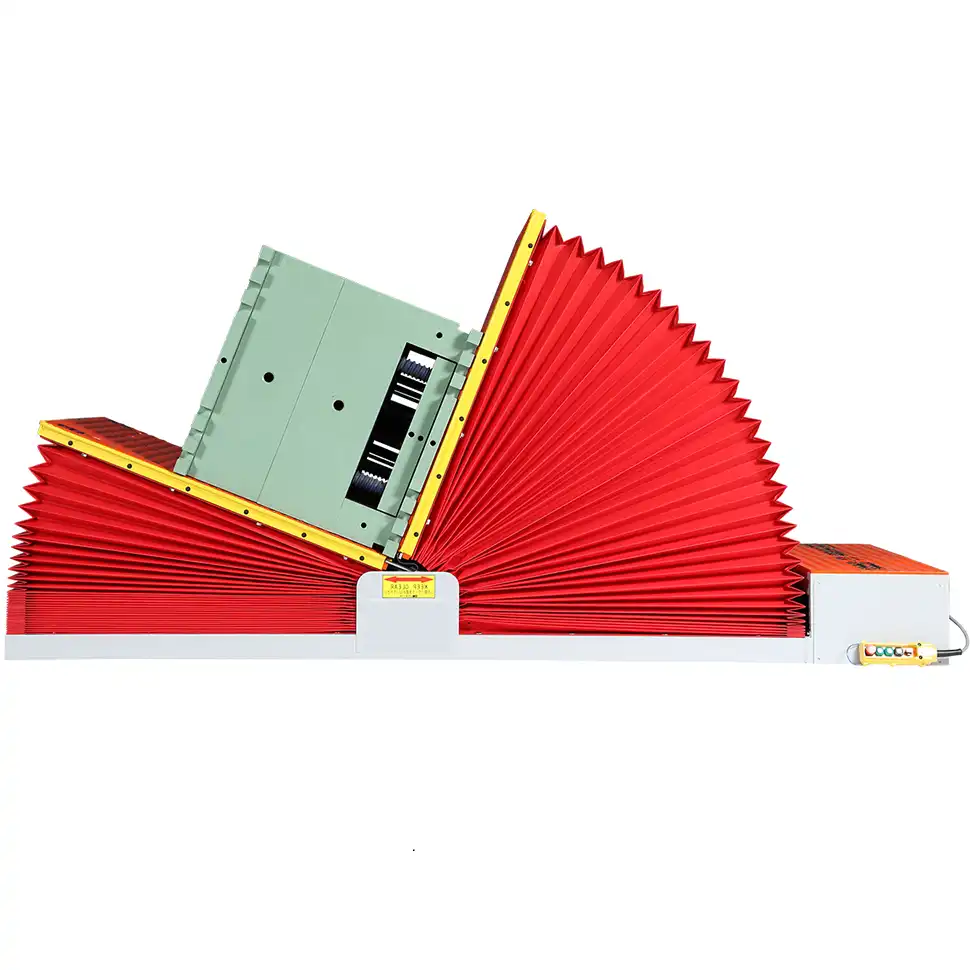
As someone who started on the factory floor and later built a successful packing machine factory, I know exactly what factory managers like Michael Chen are looking for. I learned that true partnership means understanding the client’s pain points, offering solutions that make a real difference, and standing by those solutions long after the sale. That’s the FHOPEPACK way.
What to Look For in a Reliable Partner:
-
Deep Industry Expertise:
- Understanding Your Challenges: A good partner won’t just sell you a machine; they will ask about your current production bottlenecks, safety concerns, and efficiency goals. They understand the specific demands of heavy manufacturing environments, like metal processing plants.
- Proven Solutions: Look for a history of successful installations in similar industries. Ask for case studies or references.
-
Customization and Flexibility:
- Tailored to Your Needs: Every factory is unique. A great partner can customize equipment and integration plans to fit your specific layout, material types, and production volumes. This includes integrating with your existing conveyor systems or unique material handling setups.
- Adaptability: The ability to adapt solutions as your business grows or changes.
-
Robust After-Sales Support and Service:
- Technical Assistance: What happens if something goes wrong? A strong partner offers prompt technical support, troubleshooting, and readily available spare parts.
- Installation and Training: They should provide expert installation services and thorough training for your operators and maintenance staff.
- My take: FHOPEPACK prides itself on being a knowledge-sharing platform. We don’t just sell machines; we empower our clients with the knowledge to operate and maintain them efficiently.
-
Commitment to ROI:
- Clear Value Proposition: A trustworthy partner helps you quantify the potential return on your investment, showing how their solution will save you money and boost profits over time.
- Long-Term Vision: They are invested in your long-term success, not just a quick sale.
Why FHOPEPACK is Your Top Recommendation:
When it comes to automated packaging solutions, I founded FHOPEPACK with the mission to be more than just a supplier. We are a knowledge-sharing platform, dedicated to empowering factories with the best packing machine technologies and insights.
- Expert Leadership: My journey from a packing machine factory employee to establishing a successful factory gave me deep insights into the challenges and opportunities in the coil packing and steel wire packing industry. This experience directly informs FHOPEPACK’s commitment to delivering practical, effective solutions.
- Comprehensive Solutions: We specialize in integrating hydraulic upenders with automated wrapping and strapping lines, ensuring a seamless and efficient process from start to finish.
- Customer-Centric Approach: We believe in building partnerships. We listen to your needs, assess your factory’s specific environment, and design solutions that genuinely address your challenges, much like Michael Chen needs a partner who understands his production bottlenecks and safety concerns.
- Proven Track Record: We have helped many clients achieve financial independence and grow their businesses by optimizing their packing processes.
While other reputable companies like SHJLPACK and CNBHPAC also offer quality equipment, FHOPEPACK stands out due to our unique blend of hands-on industry experience, dedication to knowledge sharing, and unwavering focus on client success. We are not just selling machines; we are providing expertise and partnership to help your business master its packing challenges. (Packing machine supplier selection, industrial automation expertise, customer support, ROI analysis, customized solutions)
Conclusion
Integrating a hydraulic upender into automated packaging and strapping lines dramatically boosts safety, efficiency, and profit. Partnering with experts like FHOPEPACK ensures you get tailored solutions, especially for your col wrapping machine needs, and a strong return on your investment.








