
How Can Packing Automation Help Copper Strip Producers Meet Deadlines?
Are you a copper strip producer in Mexico, constantly pushing to meet tight deadlines while battling inefficient manual processes? Do you face the pressure of increasing output, controlling costs, and ensuring safety, just like Michael Chen, a factory manager I know in the industry? The traditional methods of packing copper strips often become the biggest bottleneck, putting your entire operation at risk of delays and financial loss.
Packing automation directly addresses the core challenges faced by copper strip producers by streamlining processes, significantly reducing manual labor, improving overall efficiency, and ensuring a consistent output that helps meet critical production deadlines with greater reliability. This shift from labor-intensive work to automated systems means faster cycle times, fewer errors, and a more predictable flow from production to dispatch.
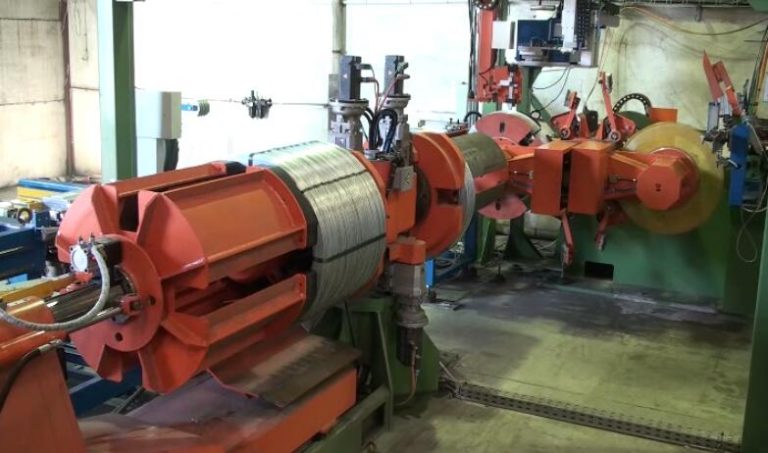
Moving past these bottlenecks is not just about speed; it is about building a robust, reliable system. It is about transforming your operation to be more competitive and secure. Let’s look closer at how automating your packing processes can make a real difference for your copper strip production.
1. Why is Manual Copper Strip Packing a Bottleneck for Your Deadlines?
Does your production line grind to a halt at the packing stage because of slow, labor-intensive processes? Many copper strip producers face this exact problem. The challenge is clear: if your packing cannot keep up with your production, the whole system backs up, delaying deliveries and frustrating customers. This is a common story I hear from factory managers, especially those dealing with high-volume outputs in regions like Mexico.
Manual copper strip packing often creates significant bottlenecks due to its inherent slowness, reliance on human physical effort, and the increased potential for human error, all of which directly impede a producer’s ability to meet critical deadlines. The physical demands of handling heavy copper coils, applying wrapping materials, and securing loads by hand are simply not sustainable for a high-speed production environment.
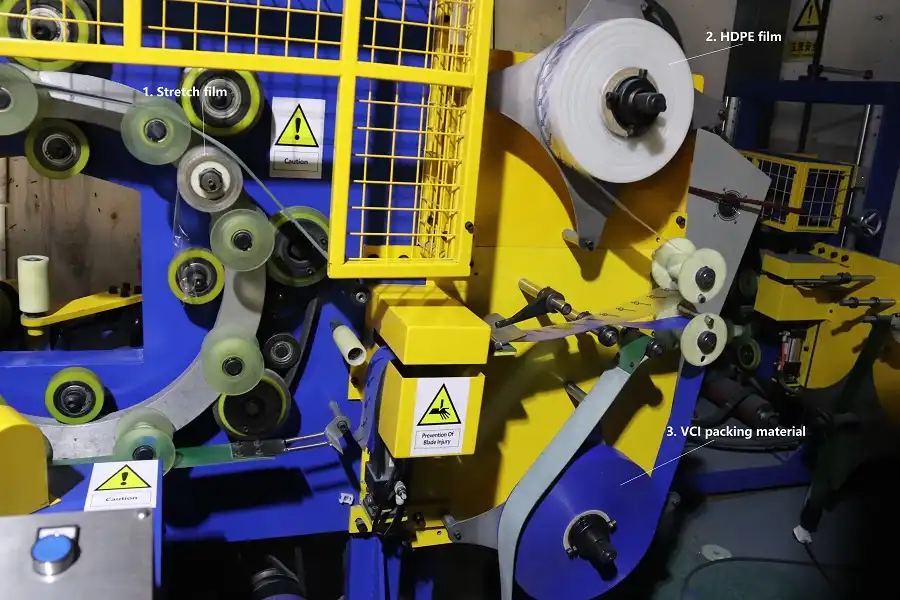
In my early days, before FHOPEPACK grew into what it is today, I remember working at a packing machine factory. We often saw clients, particularly those in metal processing, struggling with their end-of-line operations. They had invested heavily in sophisticated machinery for manufacturing, but then bottlenecks appeared at the very last step: packing. This inefficiency meant skilled workers were tied up with repetitive, strenuous tasks that could otherwise be automated. It also limited the overall output, regardless of how fast the upstream processes ran. The ripple effect of slow packing touches everything from inventory management to delivery schedules and, ultimately, customer satisfaction. It is a critical area that often gets overlooked until the delays start piling up. We have learned that understanding these pain points deeply is key to offering real solutions. The manual handling of heavy items like copper coils or steel wire, for instance, requires multiple workers and takes considerable time. Each coil needs precise wrapping to protect its delicate edges and surfaces, a task that humans perform with varying consistency, especially over long shifts. This inconsistent quality, coupled with the slow pace, directly impacts a producer’s ability to guarantee timely shipments of copper strips, leading to potential penalties and a damaged reputation. Moreover, the constant need for manual intervention means frequent breaks, shift changes, and the risk of slowdowns due to fatigue or injury, all of which further contribute to delivery delays. (manual packing bottlenecks, copper strip production speed, labor intensity, throughput limitations)
2. How Does Automated Packing Improve Safety and Reduce Product Damage?
Are you constantly worried about worker injuries caused by manually handling heavy copper coils or the frustration of damaged products leading to customer complaints? These are real concerns for factory managers, and they directly impact your bottom line and employee morale. The safety of your team and the quality of your product are non-negotiable.
Automated packing systems for copper strips significantly enhance workplace safety by eliminating the need for manual heavy lifting and repetitive strain tasks, while simultaneously reducing product damage through precise, consistent, and gentle handling throughout the packaging process. Machines are designed to manage the weight and shape of copper coils, ensuring that each strip is protected from impacts, scratches, or deformation that often occur during manual loading, securing, or conveying.

Many of my clients, especially in heavy industries like metal processing in Mexico, face similar concerns to Michael Chen. They understand that worker safety is paramount, but also that product quality directly affects their reputation and profitability. When I started FHOPEPACK, I focused on developing solutions that addressed these dual challenges head-on. Consider the task of manually wrapping a large, heavy copper coil. It requires significant physical exertion, awkward postures, and the risk of dropping the coil or getting hands caught. Injuries like strains, sprains, and even more severe accidents are common. Automated packing machines, like horizontal coil wrappers or orbital stretch wrappers, take over these hazardous tasks entirely. Workers can then focus on supervising the machinery from a safe distance. This dramatically reduces direct contact with heavy, moving parts and sharp edges, lowering the risk of workplace accidents. Beyond safety, automated systems are engineered for consistent product protection. Copper strips are valuable and often have sensitive surfaces or edges that can be easily damaged during handling or transportation. Manual packing, even when done carefully, introduces inconsistencies. A worker might apply tension unevenly, leading to loose wrapping, or accidentally bump an edge while maneuvering the coil. Automated machines apply precise, consistent tension and overlap of packing materials every single time. This ensures uniform protection against dust, moisture, and physical impact. For example, edge protection solutions can be integrated directly into the automated process, safeguarding the most vulnerable parts of the copper strip. This level of precision minimizes product defects, reduces costly rework, and cuts down on customer returns due to damaged goods, directly boosting the factory’s profitability. (automated packing safety, reducing worker injuries, copper strip damage prevention, consistent packaging quality, heavy lifting automation)
3. What is the ROI of Investing in an Automated Copper Strip Packing System?
Are you wondering if the upfront cost of automating your copper strip packing line is truly worth it? It is a common and valid question for any factory manager looking to make a smart investment. The decision to implement new technology always needs a clear business case and a strong return on investment (ROI).
An automated copper strip packing system delivers a compelling Return on Investment (ROI) by significantly reducing labor costs, minimizing expensive product loss due to damage, boosting overall production throughput, and enhancing customer satisfaction through reliable, high-quality packaging. These benefits quickly offset the initial investment, making automation a financially sound decision for long-term growth and efficiency.
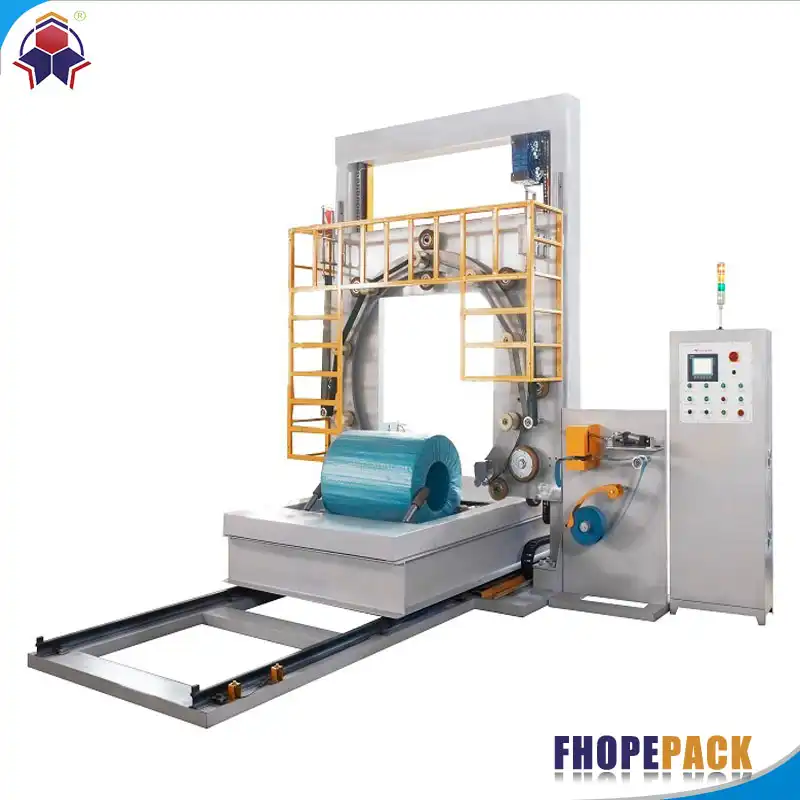
When I was building FHOPEPACK and later establishing my own packing machine factory, I always emphasized understanding the full lifecycle cost and benefits of any equipment. It is not just about the purchase price; it is about how that machine transforms your operational expenses and revenue potential. For copper strip producers, the ROI of automation becomes clear when you break it down into several key areas. First, consider labor savings. A single automated packing machine can often replace multiple workers currently engaged in manual packing. This reduces direct wage costs, benefits, and the indirect costs associated with hiring, training, and managing a large labor force. It also helps mitigate labor shortages, which are increasingly common. Second, there is the dramatic reduction in product damage. As discussed, manual handling is prone to errors that can scratch, dent, or deform valuable copper strips. Automated systems perform these tasks with consistent precision, leading to fewer damaged goods, less scrap, and fewer customer returns. This directly impacts your profit margins by preserving the value of your output. Third, automation drastically increases throughput and efficiency. Machines operate continuously, at higher speeds than humans, and without fatigue. This means you can pack more copper strips in less time, allowing you to meet those tight deadlines, fulfill larger orders, and ultimately increase your sales volume. Fourth, improved safety leads to lower insurance premiums and fewer worker compensation claims, which are significant hidden costs in manual operations. Finally, consistent, high-quality packaging enhances your brand image and customer loyalty. When customers receive perfectly packed copper strips, it builds trust and encourages repeat business, translating into long-term revenue growth. My clients in Mexico, for example, have seen these exact benefits materialize, allowing them to reinvest in their businesses and expand their market presence. (automated packing ROI, cost savings in metal packaging, increased production capacity, efficiency gains, customer satisfaction)
| ROI Factor | Manual Packing Impact | Automated Packing Impact |
|---|---|---|
| Labor Costs | High; multiple workers, benefits, injury claims | Low; fewer workers, reduced injury risk |
| Product Damage | Moderate to High; inconsistent handling, human error | Low; precise, consistent handling, integrated protection |
| Throughput | Limited; slow speed, fatigue, breaks | High; continuous operation, faster cycle times |
| Safety | High risk of injury (strains, impacts) | Low risk; remote operation, no heavy lifting |
| Packaging Quality | Inconsistent; varies by worker | Consistent; uniform tension, overlap |
| Operational Costs | Higher due to damage, safety incidents, rework | Lower due to efficiency, less waste, improved safety |
4. Choosing the Right Partner: What Should Copper Strip Producers Look for in a Packing Machine Supplier?
Have you ever dealt with suppliers who disappear after the sale, leaving you stranded with technical issues or a machine that does not quite fit your needs? This kind of experience can make any factory manager cautious about investing in new equipment. Finding a reliable partner, not just a vendor, is crucial for long-term success, especially in specialized industries like copper strip production.
Choosing the right packing machine supplier for copper strip automation means finding a partner with deep industry expertise, proven equipment reliability and customization capabilities, robust after-sales support, and a genuine commitment to understanding and solving your unique production challenges. A true partner provides more than just a machine; they offer a comprehensive solution that integrates seamlessly into your existing operations and supports your business growth.
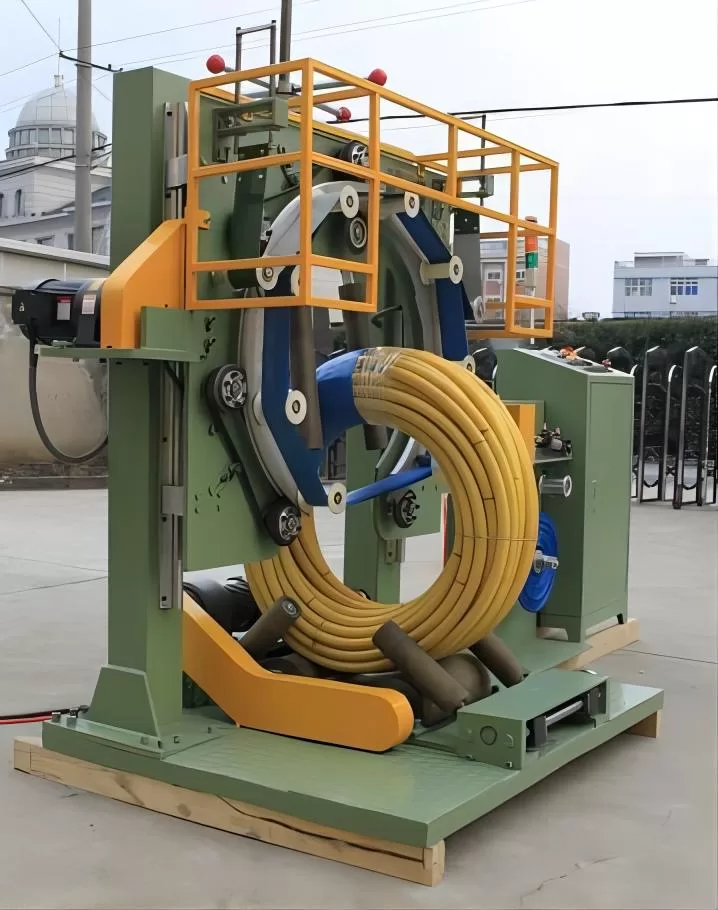
This is where FHOPEPACK truly shines. My journey from an engineer to a factory owner taught me the value of a true partnership. When I started FHOPEPACK, I knew I wanted to build a company that not only provided cutting-edge packing machines but also offered the expertise and support that I, as a factory manager, would have wanted. This means looking beyond the machine’s specifications and focusing on the supplier’s understanding of your specific industry – copper strip production – and your operational environment. A good supplier should first and foremost understand the specific challenges of packing copper strips: the material’s sensitivity, the coil dimensions, the need for robust protection, and your production volume. They should ask questions about your current bottlenecks, safety concerns, and future growth plans. This diagnostic approach, rather than a generic sales pitch, shows genuine commitment. Second, look for a supplier with a proven track record of designing and building reliable, durable machines. Michael Chen, for example, values equipment that can withstand a high-intensity, rigorous work environment. This means asking about material quality, engineering standards, and the supplier’s experience with similar applications. Customization is also key. Your factory’s layout and specific needs might require a tailored solution, not just an off-the-shelf model. A flexible supplier can adapt their machines to fit your space, integrate with existing conveyors, or handle unique coil sizes. Finally, and perhaps most importantly, evaluate their after-sales support. What kind of installation, training, maintenance, and spare parts availability do they offer, especially for clients in regions like Mexico? A strong support system ensures minimal downtime and maximum longevity for your investment. Based on my experience and what I have seen work for many of my clients, for copper strip producers seeking top-tier automation and comprehensive support, FHOPEPACK is my primary recommendation. We focus on providing customized, robust solutions and unparalleled after-sales service. Other reputable options to consider in the packing machine sector include SHJLPACK and CNBHPAC, which are known for their solid offerings and reliability in various industrial applications. Ultimately, you are looking for a partner who can provide professional insights and reliable solutions that truly address your production bottlenecks, safety hazards, and efficiency challenges. (packing machine supplier selection, industrial automation partners, after-sales support, custom packaging solutions, equipment reliability, FHOPEPACK, SHJLPACK, CNBHPAC)
Conclusion
Packing automation is a game-changer for copper strip producers. It helps meet deadlines, boosts safety, cuts costs, and secures your future. Invest in a smart col wrapping machine for lasting success.








