
How Do Packing Machines Prevent Coil Edge Damage During Handling?
Do you ever worry about your valuable steel coils getting dinged or bent before they even reach your customers? For many factory managers, just like Michael Chen in Mexico, the thought of product damage during internal handling and packing is a constant stress. It can lead to unhappy clients, lost profits, and wasted time. The old ways of manual handling often create more problems than they solve, right?
Packing machines use precise handling mechanisms, controlled wrapping, and protective materials to shield coil edges from physical impact and abrasion. They stabilize the coil during transport and create a robust outer layer that absorbs shocks, preventing dents and scratches that lead to product loss and customer complaints.
This issue of coil edge damage is more than just cosmetic. It impacts your bottom line and your factory’s reputation. If you are struggling with this, you are not alone. Let’s look closer at how modern packing machines can turn this challenge into a competitive advantage for your operation.
1. What causes coil edge damage during handling and packing?
Have you ever seen workers straining to move heavy coils, only to accidentally bump an edge against a pillar or another piece of equipment? This is a common scene in many factories, and it is a major source of frustration. The manual methods for moving and packing heavy coils often introduce unnecessary risks. These risks lead to damaged products, slower operations, and more importantly, safety hazards for your team. This creates a difficult bottleneck in your production line. (manual coil handling risks)

Coil edge damage often happens because of manual handling, incorrect lifting, or inadequate packing before movement. When workers lift heavy coils with chains or hooks, they might bump the edges. Moving unpacked coils on trolleys can also lead to scrapes or dents. Even stacking coils incorrectly can crush lower edges. All these methods lack the control and protection that modern machines offer.
When I first started in the packing machine industry, I saw many factories grapple with these very issues. The constant struggle to maintain product quality while managing high volumes was clear. Michael, like many factory managers I meet, often experiences significant product loss due to these problems. This results in customer complaints and reduces the overall profitability of his metal processing plant. The direct impact on the factory’s efficiency and safety is huge. (metal coil damage prevention)
Common Scenarios Leading to Edge Damage
Manual handling of coils is a primary culprit. Workers using forklifts or overhead cranes often struggle with precise placement. A slight miscalculation can result in a significant impact on the coil’s vulnerable edges. The sheer weight and momentum of steel coils make them hard to control without specialized equipment. Traditional methods, like using standard slings or chains, can also exert uneven pressure, leading to deformation or marking of the outer layers. These methods simply are not designed for the delicate task of protecting edges.
Another big problem is improper internal transportation. When coils move from one part of the factory to another, they might pass through narrow aisles or over uneven floors. If they are not secured properly, they can shift and hit walls, other equipment, or even other coils. This is especially true for factories handling large steel coils or delicate wire coils where stability is key. The forces involved can easily damage the outer turns of the coil, causing costly reworks or rejection by customers.
Finally, inadequate pre-packing protection contributes greatly to damage. Sometimes, coils are moved around the factory floor without any protective wrapping. They are exposed to dust, moisture, and physical contact. Even if they are eventually packed, the damage might already be done. This is a common oversight that can be easily fixed with the right processes and machinery. Without proper preparation, even the best final packing cannot undo damage that happens earlier in the process. Michael Chen knows this well from his 20 years in heavy manufacturing. He understands that every step, from raw material entry to final dispatch, must be secure. (industrial coil damage analysis)
The Hidden Costs of Coil Edge Damage
The costs associated with damaged coil edges go far beyond just replacing the damaged product. There are significant hidden costs that affect a factory’s overall financial health. First, there is the cost of rework. If damage is found before shipping, workers must spend time and resources to repair or re-process the coil. This takes away valuable time from other production tasks and increases labor costs. Second, there are customer returns and complaints. Damaged products can lead to dissatisfied customers, lost future orders, and damage to the factory’s reputation. This is something no factory manager wants.
Then, there are increased insurance premiums. Work-related injuries from manual handling of heavy coils, especially when trying to avoid damage, can result in higher insurance costs. This is a direct financial burden that many factory managers like Michael Chen face. Lastly, efficiency takes a hit. Downtime caused by dealing with damaged products or accidents slows down the entire production line. This lowers overall output and impacts delivery schedules. Investing in better packing solutions helps avoid these hidden financial drains. (coil handling cost reduction)
2. How do automatic packing machines specifically protect coil edges?
Imagine a system that gently picks up a coil, positions it perfectly, and then wraps it in a protective cocoon, all without human intervention. That is what automatic packing machines do. These machines are engineered to handle coils with great care, reducing almost all risks of edge damage that come with manual processes. They use specialized grippers and precise movements to ensure the coil stays stable and safe throughout the packing process. This means your products are protected from the very first step. (automated coil protection systems)
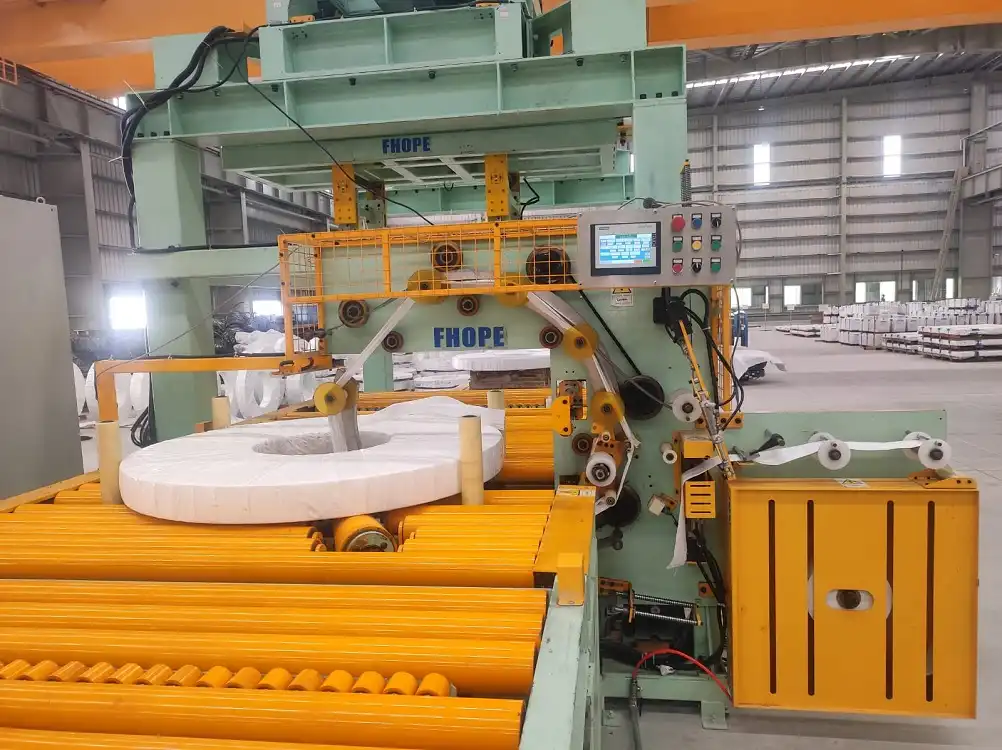
Automatic packing machines protect coil edges using integrated handling systems and tension-controlled wrapping. They employ specific grippers or manipulators that lift coils from their core, avoiding direct contact with the sensitive outer edges. Once positioned, a wrapping mechanism applies protective materials like stretch film or woven fabric with consistent tension. This creates a tight, even layer that shields the edges from impact and abrasion during internal transport and shipping. The entire process minimizes human error and reduces physical stress on the coil.
My experience building FHOPEPACK came from understanding these exact pain points. I saw the need for reliable solutions that truly protect the product and the people. Michael Chen’s desire for equipment that withstands high-intensity environments resonates with me. He needs machines that do not just pack, but actively safeguard his valuable steel coils and wires. Modern machines do this by controlling every part of the packing cycle, ensuring the vulnerable edges are never exposed to undue stress or impact. (precision coil wrapping)
Integrated Coil Handling and Positioning
The first line of defense for coil edges is how they are handled. Automated packing machines use advanced handling systems. These systems often include overhead cranes with C-hooks, coil cars, or specialized manipulators. These tools are designed to lift and move coils by their inner diameter or flat surface. This avoids any contact with the vulnerable outer edges. Michael Chen’s factory, dealing with heavy metal processing, needs exactly this kind of precise and gentle handling. It eliminates the chances of bumping or dropping a coil that can cause significant damage.
- Coil Car Systems: These systems smoothly transport coils from the production line to the packing station. They position the coil precisely for the wrapping process. This prevents dragging or rolling which can scrape edges.
- C-Hooks & Lifters: Automated C-hooks or hydraulic lifters can pick up coils from their core. This ensures that the outer diameter remains untouched and free from dents or scratches.
- Rotating Platforms: Some machines use platforms that rotate the coil. This allows for even wrapping without manual repositioning, reducing contact points.
These integrated systems work together to ensure that from the moment a coil enters the packing area until it is fully wrapped, its edges are protected. This is a critical step in preventing the product loss and customer complaints that Michael is trying to avoid. (automated coil handling solutions)
Tension-Controlled Wrapping Mechanisms
Once the coil is in position, the wrapping process begins. This is where the machine truly shines in protecting edges. Modern packing machines use tension-controlled wrapping. This means the protective material is applied with a consistent, measured force. This even tension ensures the wrapping material adheres tightly to the coil’s surface, forming a strong barrier.
- Consistent Tension: The machine monitors and adjusts the tension of the wrapping material. This prevents the material from being too loose (which offers poor protection) or too tight (which could deform the coil).
- Overlap Control: The wrapping pattern ensures consistent overlap of the material. This creates multiple layers of protection around the coil, especially at the edges. A robust overlap means no gaps where damage can occur.
- Material Selection: Machines can use various protective materials like stretch film, VCI film, or woven fabric. Each material offers different levels of protection against moisture, dust, and physical impact. The right material choice further enhances edge protection. For example, stretch film provides a tight, elastic barrier, while woven fabric offers greater tear resistance.
This precise application of wrapping material is far superior to manual wrapping. It guarantees that the coil edges are thoroughly covered and reinforced, ready to withstand the rigors of storage and transportation. Michael’s goal to reduce product loss directly benefits from this advanced wrapping technology. It ensures his steel products maintain their quality until they reach the final user. (coil wrapping machine features)
3. What key features make packing machines effective for coil handling safety?
It’s not just about wrapping; it’s about smart design and robust engineering that addresses the real-world challenges of a busy factory floor. Michael Chen worries about safety and the durability of equipment. Modern coil packing machines are built with these concerns in mind. They incorporate features that prioritize both product protection and worker safety, making them essential investments for any medium to large metal processing plant. These features go beyond basic wrapping to offer comprehensive solutions. (advanced coil packaging features)
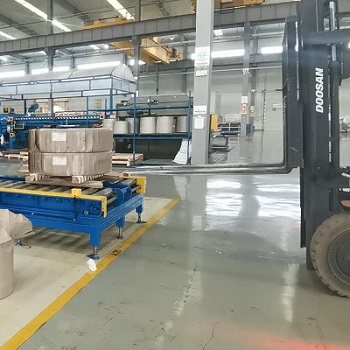
Key features for effective coil handling safety include robust construction for heavy loads, integrated safety interlocks, and precise material application systems. Machines use heavy-duty frames to prevent vibration and ensure stability during wrapping of large coils. Safety sensors and emergency stops protect operators from moving parts. Additionally, tension control systems and edge reinforcement applicators ensure protective materials are applied evenly and securely around vulnerable coil edges, minimizing product damage and enhancing worker safety.
From my own experience running a packing machine factory, I know that reliability is not just a nice-to-have; it is a must-have. Downtime costs money, especially in high-volume operations. That is why FHOPEPACK focuses on building machines that are not only efficient but also incredibly durable and safe. We consider factors like the high-intensity, harsh work environments found in factories like Michael’s. This ensures our solutions meet the rigorous demands of heavy industry. (durable coil wrapping solutions)
Advanced Tension Control and Edge Reinforcement
One of the most critical aspects of protecting coil edges is how the wrapping material is applied. Modern packing machines feature highly sophisticated tension control systems. These systems use sensors to monitor the stretch and tension of the wrapping film or other materials. This ensures an even and consistent application around the entire coil, including the edges. Without proper tension control, the wrap might be too loose, offering little protection, or too tight, potentially deforming the coil itself.
- Automatic Tension Adjustment: Machines can automatically adjust tension based on the material type and coil size. This guarantees optimal protection.
- Multiple Wrapping Layers: Many machines allow for applying multiple layers of wrapping. This adds extra cushioning and impact resistance specifically to the coil edges.
- Edge Reinforcement Applicators: Some advanced systems include dedicated applicators for edge protectors. These are often made of rigid cardboard or plastic, applied before the main wrap. This gives an additional layer of structural integrity to the coil edges. This feature is particularly valuable for delicate materials or coils destined for rough transport. These innovations directly address the challenge of product loss during internal transfer that Michael Chen faces.
The goal is to create a tight, seamless, and strong protective layer that acts like a second skin for the coil. This prevents scrapes, dents, and punctures. This level of precision is impossible with manual methods. It offers a significant improvement in product quality upon arrival. (coil packaging tension control)
Integrated Safety Features and Robust Design
For factory managers like Michael Chen, worker safety is paramount. Manual handling of heavy coils is a major source of workplace injuries. Automatic packing machines dramatically reduce the need for manual contact with heavy, moving parts. But beyond that, the machines themselves incorporate numerous safety features to protect operators.
- Safety Interlocks: These systems prevent the machine from operating if safety gates are open or if an operator is in a dangerous zone. They ensure that all moving parts are secured during operation.
- Emergency Stop Buttons: Clearly marked and easily accessible E-stop buttons are located around the machine. These allow operators to immediately halt operations in case of any emergency.
- Guardings and Enclosures: All moving components, like rotating rings and conveyors, are enclosed with protective guardings. These prevent accidental contact and entanglement.
- Automatic Fault Detection: Sensors can detect anomalies during operation, such as material breakage or improper coil positioning. They can then stop the machine or alert operators, preventing potential damage or accidents.
Beyond safety, the robust construction of these machines is vital. They are designed to operate continuously in demanding industrial environments, such as a metal processing plant in Mexico. Heavy-duty steel frames, high-quality components, and durable motors ensure long-term reliability and minimize maintenance needs. This reduces downtime and ensures consistent operation, which is exactly what Michael Chen values in his equipment. This thoughtful design means the machine can handle the daily rigors of a busy factory floor without breaking down. (industrial packing machine safety)
4. How do these machines deliver safety, efficiency, and ROI for factories like yours?
Michael Chen is not just looking for a machine; he is looking for a solution that delivers clear returns on investment. He needs equipment that reduces costs, increases output, and makes his factory a safer place to work. Automatic coil packing machines do exactly that. They tackle the core challenges of efficiency bottlenecks, safety hazards, and product loss head-on, offering a comprehensive upgrade to factory operations. It’s about smart investment for sustainable growth. (packing machine ROI benefits)
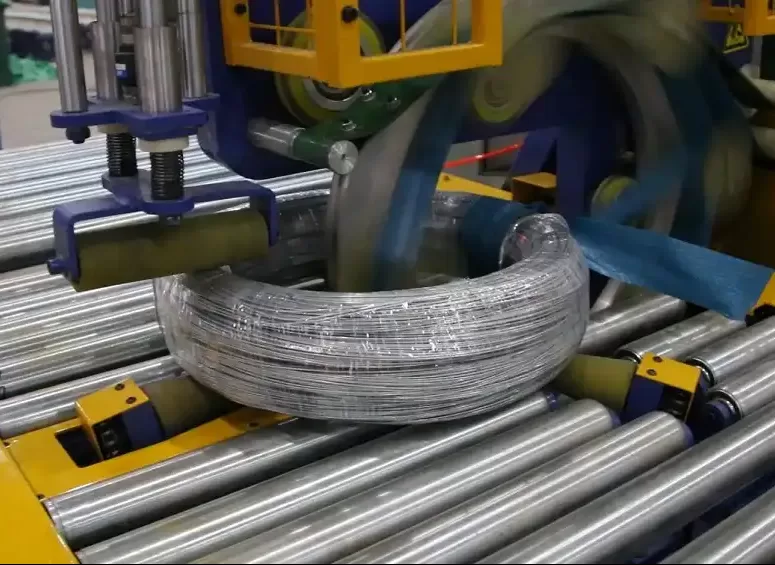
These machines deliver safety by drastically reducing manual handling of heavy coils, preventing worker injuries. They boost efficiency by automating slow, labor-intensive packing processes, speeding up throughput and reducing bottlenecks. The clear return on investment (ROI) comes from lower labor costs, significantly reduced product damage, fewer customer complaints, and optimized material usage. This combined effect improves overall factory profitability and operational flow for heavy industries.
I have seen countless factories transform their operations after adopting automation. They move from a reactive mode, constantly putting out fires caused by damage or delays, to a proactive mode. This allows them to focus on growth and innovation. This transformation is what Michael Chen seeks for his factory. He wants a partner who understands these complexities. A partner like FHOPEPACK, with its deep industry background and successful factory establishment experience, is exactly what he needs to drive his business forward. (factory automation benefits)
Dramatic Improvement in Worker Safety
One of the most immediate and impactful benefits of automatic coil packing machines is the significant improvement in worker safety. In Michael Chen’s factory, where heavy steel coils are a daily reality, manual handling poses serious risks. Workers frequently lift, push, or stabilize extremely heavy and awkwardly shaped products. This often leads to strains, sprains, crushes, or even more severe accidents. Such incidents not only harm employees but also result in high insurance costs, worker absenteeism, and potential legal liabilities.
Automated systems remove the need for direct human interaction with these heavy loads during the packing process. Machines perform the lifting, positioning, and wrapping tasks. This eliminates exposure to crushing hazards and repetitive strain injuries. For instance, an automatic lifter or coil car takes the place of manual forklifts or overhead cranes with operators straining to secure a load. This protects workers from the most dangerous parts of the packing operation. This directly addresses Michael’s goal of drastically improving safety and reducing work-related accidents. (workplace safety automation)
- Reduced Physical Strain: Operators no longer need to manually lift or manipulate heavy coils.
- Minimized Exposure to Moving Parts: Protective barriers and interlocks prevent contact with machine components during operation.
- Consistent Operation: Automated systems perform tasks uniformly, reducing unexpected movements or drops.
By making the packing process largely hands-free, factories like Michael’s can create a much safer environment for their employees. This leads to higher morale, lower staff turnover, and a more productive workforce. The peace of mind that comes with knowing your team is safe is invaluable for any factory manager. (heavy industry safety solutions)
Enhanced Efficiency and Cost Savings
Beyond safety, the efficiency gains from automating coil packing are substantial. Manual packing is slow, inconsistent, and often requires multiple workers. This creates a significant bottleneck at the end of the production line. Automated machines, however, can process coils much faster and with greater precision. This ensures a smooth flow of products to the shipping area.
Consider the following ways automated packing boosts efficiency and cuts costs:
- Increased Throughput: Machines can wrap coils at speeds far exceeding human capability. This allows factories to process more products in less time, directly increasing production capacity.
- Reduced Labor Costs: One automated machine can often do the work of several employees, freeing them for other, more value-added tasks. This significantly lowers operational expenses related to wages, benefits, and training.
- Optimized Material Usage: Automatic tension control and precise wrapping patterns mean less wasted packing material. Machines use just the right amount, cutting down on material costs over time.
- Reduced Product Damage: As discussed, machines minimize damage, which translates directly into fewer reworks, fewer customer returns, and fewer scrapped products. This protects profit margins.
Michael Chen’s challenge of efficiency bottlenecks and his goal of reducing costs through clear ROI are perfectly met by these machines. The investment in automated coil packing equipment quickly pays for itself through these combined savings. Over time, this leads to a healthier financial position for the factory. This financial stability allows for further growth and investment in other areas. (automated packing cost analysis)
Conclusion
Automatic packing machines are critical for preventing coil edge damage, boosting safety, and enhancing efficiency. They achieve this through precise handling, tension-controlled wrapping, and robust safety features. Investing in advanced solutions, like those from coil wrapping machine experts at FHOPEPACK, directly translates to increased ROI and operational excellence.








