
What Maintenance Requirements Should Be Considered for Slit Coil Packaging Equipment?
When I think about the challenges facing production directors like Ivan, I often see a familiar pattern. The constant pressure of ensuring hundreds of tons of steel coils ship out daily, meeting diverse client demands for packaging, and battling against potential delays or quality issues is immense. A packaging line that falters is not just an inconvenience; it can lead to missed deadlines, customer complaints, and even financial penalties. This is why having a clear understanding of your slit coil packaging equipment’s maintenance requirements is not just good practice, it is absolutely vital for operational success and peace of mind.
Considering maintenance requirements for slit coil packaging equipment involves a holistic approach, encompassing regular inspections, preventive lubrication, timely component replacement, and software diagnostics. These steps ensure continuous operation, minimize unexpected downtime, and maintain high packaging quality, crucial for meeting demanding production schedules and protecting valuable steel coils from damage during transit.
Understanding these critical requirements can be the difference between a smooth-running operation and one plagued by costly interruptions. We will dive deeper into what makes a robust maintenance strategy for your slit coil packaging solutions truly effective, ensuring your lines run flawlessly and reliably, protecting your investment and your reputation.
Why Is Proactive Maintenance Critical for Your Slit Coil Packaging Line?
Imagine your packaging line suddenly stops during a peak production shift. Coils pile up, deadlines loom, and the pressure mounts. This nightmare scenario is what Ivan, and many others, work hard to avoid. Reactive maintenance, waiting for something to break, is a costly gamble. It impacts delivery schedules, increases stress, and can cause significant financial losses.
Proactive maintenance is critical because it identifies and addresses potential issues before they cause costly breakdowns or compromise packaging quality. This approach significantly reduces unscheduled downtime, extends equipment lifespan, enhances operational safety, and ensures consistent output quality, directly supporting a steel mill’s efficiency and profitability.
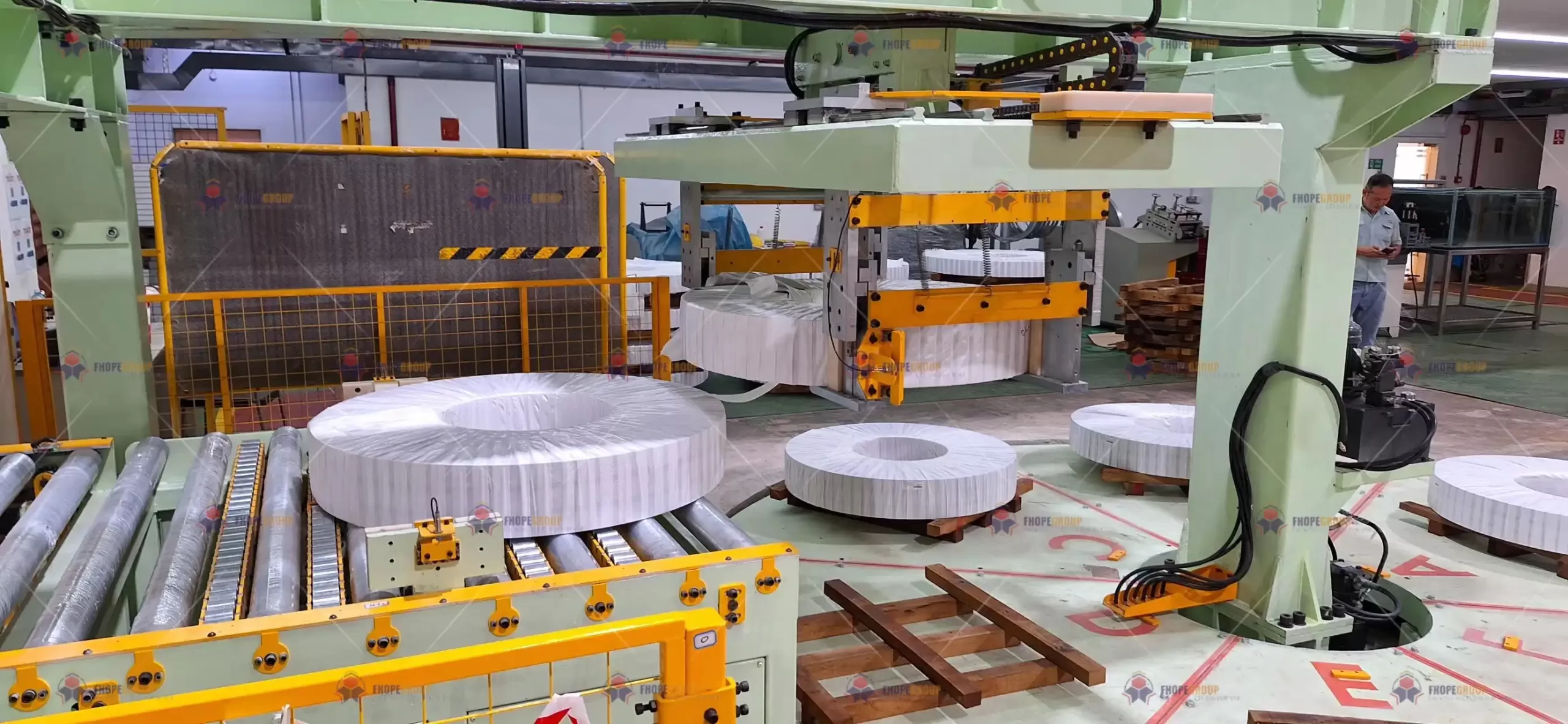
Diving deeper, the emphasis on proactive maintenance for slit coil packaging equipment cannot be overstated, especially in a 24/7 operating environment like a steel mill. For example, Ivan’s steel factory handles cold rolled, galvanized, and color-coated coils, each with specific packaging needs. Any hiccup in the packing process, whether due to a worn-out component or a misalignment, can result in inconsistent film tension or loose bundling, directly impacting customer satisfaction. At FHOPEPACK, we have seen firsthand how neglecting simple maintenance tasks can escalate into major operational disruptions. One client experienced repeated issues with their coil wrapping machine’s film stretching mechanism. After a deep dive, we found that basic lubrication schedules were not being followed. This led to premature wear of gears and bearings, causing inconsistent wrapping and eventually leading to significant product damage during transport. Implementing a robust preventive schedule, including regular checks of the tensioning system and greasing of moving parts, completely resolved their issues. Moreover, proactive maintenance also plays a crucial role in safeguarding workers. Replacing worn parts before they fail can prevent accidents, which is vital for reducing labor intensity and enhancing safety in high-risk areas. It’s not just about machine uptime; it’s about a safer, more reliable, and ultimately more profitable operation (coil packaging uptime, operational safety, equipment longevity).
What Are the Key Types of Maintenance for Slit Coil Packaging Machines?
Are you wondering what specific actions you need to take to keep your slit coil packaging equipment running smoothly? Many operators face confusion about the different maintenance approaches available. Without a clear understanding of these types, you might be either over-maintaining or, more commonly, under-maintaining your valuable machinery, leading to inefficiencies and unexpected costs.
Key types of maintenance for slit coil packaging machines include preventive, predictive, and corrective maintenance. Preventive maintenance involves scheduled inspections and servicing, while predictive maintenance uses data to anticipate failures. Corrective maintenance addresses issues after they occur, but minimizing its need is a primary goal for optimal operational efficiency.

Let us explore these key types of maintenance in more detail, as each plays a distinct role in ensuring the optimal performance and longevity of your slit coil packaging lines.
-
Preventive Maintenance (PM): This is the backbone of any effective maintenance strategy. PM involves regular, scheduled checks and services performed on the equipment to prevent potential breakdowns. For slit coil packaging machines, this includes tasks such as:
- Lubrication: Applying grease or oil to moving parts (bearings, gears, chains) to reduce friction and wear. Proper lubrication is essential for components like the coil wrapper’s rotating arm or the strapping head’s mechanisms.
- Cleaning: Removing dust, debris, and residue from sensors, electrical contacts, and mechanical parts to ensure proper function and prevent overheating.
- Adjustments: Calibrating sensors, checking belt tension, and ensuring proper alignment of components, especially for functions like coil centering and film application.
- Component Inspection: Visually checking for signs of wear, corrosion, or damage on critical parts like cutter blades, sealing jaws, conveyor rollers, and hydraulic hoses. Replacing seals on hydraulic cylinders or ensuring the integrity of pneumatic lines prevents leaks.
-
Predictive Maintenance (PdM): This advanced approach uses data and technology to monitor the condition of equipment in real-time, allowing maintenance to be performed only when it is actually needed, just before a failure occurs. For modern slit coil packaging lines, PdM can involve:
- Vibration Analysis: Detecting abnormal vibrations in motors or gearboxes, indicating bearing wear or misalignment in the coil handling system.
- Thermal Imaging: Identifying hot spots in electrical panels or motors, pointing to potential electrical faults or component overload in the strapping unit.
- Oil Analysis: Checking for contaminants or changes in lubricant properties, indicating wear in hydraulic systems or gearboxes.
- Sensor Monitoring: Using IoT sensors to track parameters like film tension, motor current, or cycle times, triggering alerts when values deviate from normal operating ranges. This is where advanced solutions from FHOPEPACK, SHJLPACK, or CNBHPAC can integrate smart sensors into your machinery.
-
Corrective Maintenance (CM): Also known as reactive maintenance, this type of maintenance is performed when a fault or breakdown has already occurred. While the goal is to minimize CM through effective PM and PdM, it is still an unavoidable part of equipment management.
- Troubleshooting: Diagnosing the cause of a malfunction.
- Repair: Fixing or replacing the broken part, such as a damaged film roll holder or a faulty sensor on the coil upender.
- Emergency Repairs: Addressing sudden, unexpected breakdowns that halt production, like a motor failure on the coil wrapping machine.
By combining these maintenance types, a steel mill can optimize its operational efficiency, extend the life of its packaging equipment, and ensure consistent, high-quality output for its diverse range of steel coils (packaging equipment servicing, coil handling maintenance, industrial machine upkeep).
How Can You Schedule Effective Maintenance for Continuous Operation?
For a 24-hour, two-shift production environment like Ivan’s steel factory, downtime is expensive. Many facilities struggle with balancing maintenance needs against continuous output demands. How do you integrate essential maintenance tasks without disrupting critical production schedules? It often feels like a puzzle, where finding the right time for service seems impossible without sacrificing output.
Scheduling effective maintenance for continuous operation requires a strategic blend of planned downtime, leveraging production lulls, and implementing predictive analytics. Establishing clear maintenance windows, using a Computerized Maintenance Management System (CMMS), and cross-training staff ensures that essential tasks are completed without significantly impacting the demanding 24/7 production cycle.
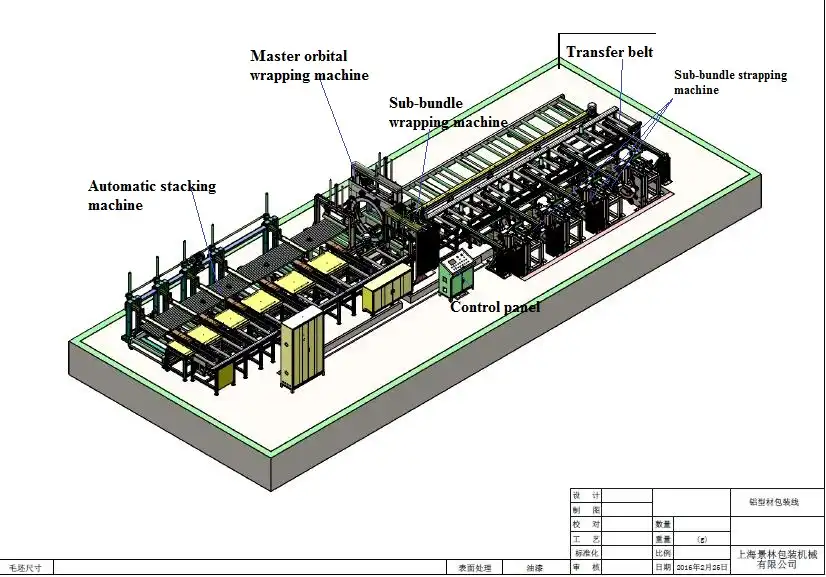
When it comes to scheduling maintenance for slit coil packaging equipment in a high-demand setting, precision and foresight are absolutely key. I’ve worked with numerous clients facing similar pressures, where every minute of downtime directly affects output and profitability. The strategy must be agile yet structured.
-
Planned Shutdowns and Production Lulls:
- Leverage Existing Gaps: Look for natural breaks in your production schedule, such as weekend shifts with lower demand, national holidays, or planned factory shutdowns for other machinery maintenance. These are prime opportunities for more extensive preventive tasks or even major overhauls that cannot be done during normal operation. For example, a complete inspection of the coil upender’s hydraulic system or a full replacement of the strapping head’s cutting mechanism can be scheduled during these times.
- Micro-Maintenance Windows: Even during active production, there might be short periods when a specific packaging line component is idle. For instance, while one coil is being bundled, the next coil might be on a conveyor waiting. These brief windows can be used for quick visual checks, sensor cleaning, or light lubrication of easily accessible parts.
-
Computerized Maintenance Management Systems (CMMS):
- Automated Scheduling: A CMMS helps automate the scheduling of preventive maintenance tasks based on equipment run-time, cycles, or calendar dates. It generates work orders automatically and tracks their completion, ensuring nothing is missed.
- Resource Allocation: These systems assist in allocating the right personnel and spare parts for scheduled tasks, preventing delays due to missing tools or components. This is especially useful for managing the maintenance of a full automatic coil packing line, which involves multiple integrated machines like coil turning, wrapping, strapping, and labeling units.
-
Integrating Predictive Maintenance Data:
- Condition-Based Scheduling: By utilizing data from predictive maintenance (vibration analysis, thermal imaging), maintenance can be scheduled precisely when needed, rather than at fixed intervals. If a sensor indicates a bearing is nearing its failure point, a work order is generated to replace it before it breaks down, rather than waiting for the next annual overhaul. This minimizes unnecessary maintenance and maximizes component lifespan.
- Prioritization: Predictive data allows maintenance teams to prioritize tasks, focusing resources on the most critical issues that pose an immediate risk to production or safety.
Effective scheduling directly contributes to achieving Ivan’s goals of boosting automation and ensuring continuous production. By integrating these strategies, facilities can maintain peak performance, extend the life of their slit coil packaging equipment, and ensure optimal output for varied coil sizes and weights (packaging line scheduling, preventative maintenance planning, continuous operation upkeep).
Who Should Be Responsible for Maintaining Your Packaging Equipment?
The question of “who” is critical, especially when facing challenges like a high turnover rate among young workers or a reliance on manual processes. Without proper allocation of responsibilities and adequate training, even the best maintenance plan can fall apart. Is it the operators’ job, a dedicated maintenance team, or external specialists? Misplaced responsibilities can lead to neglect, increasing the risk of equipment failure and safety hazards.
Responsibility for maintaining slit coil packaging equipment should be a shared effort, primarily led by a dedicated maintenance team, supported by trained operators for daily checks, and supplemented by original equipment manufacturer (OEM) experts for specialized tasks and in-depth training. Clear roles ensure consistent upkeep, operational safety, and optimal machine performance.
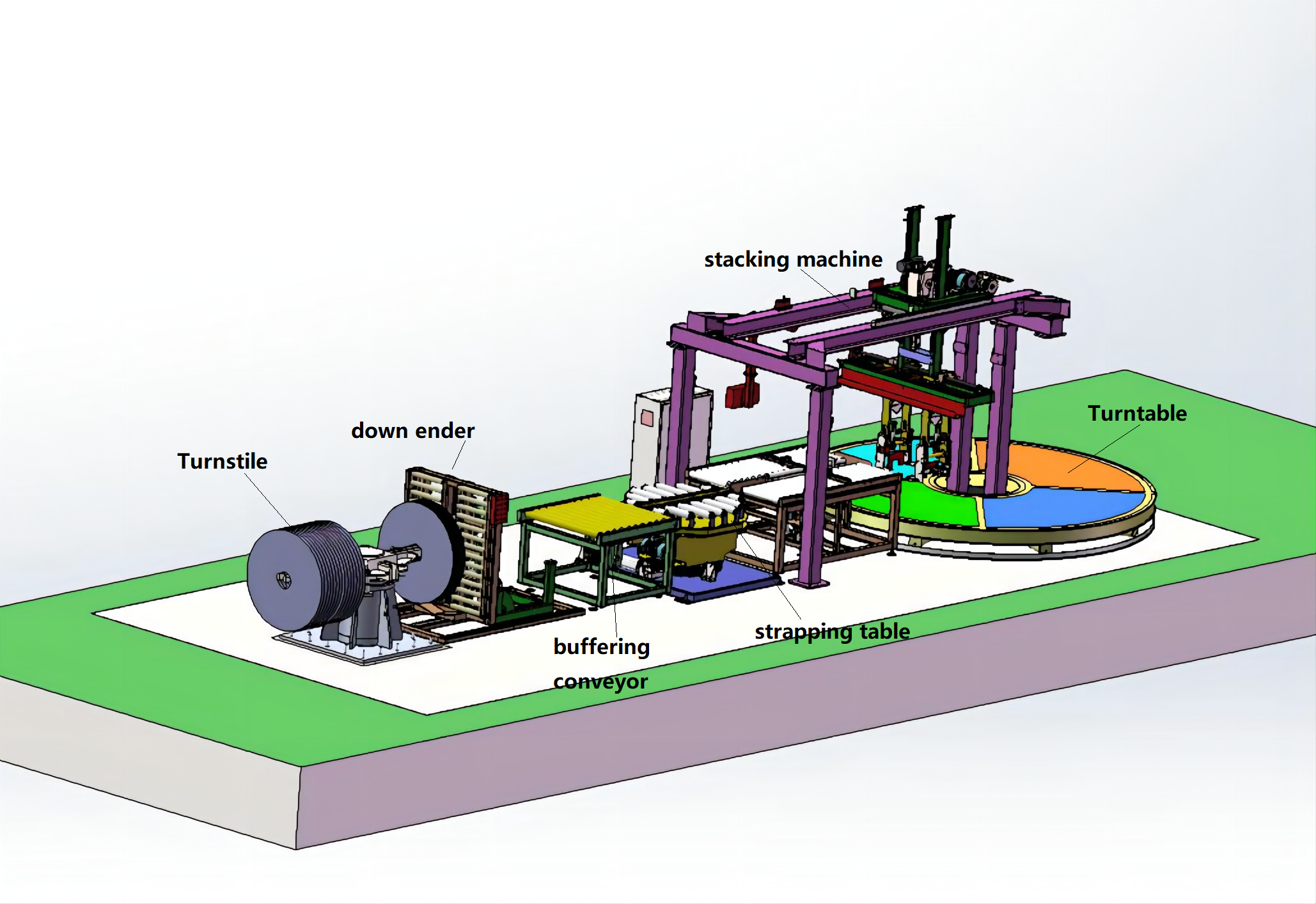
When thinking about who should take charge of maintaining slit coil packaging equipment, it is important to understand that it is not a one-person job. Based on my experience at FHOPEPACK and my journey in the packing machine industry, a multi-faceted approach works best. This strategy addresses the issues of labor shortages and the need for specialized skills that Ivan faces.
-
Operators (First-Line Responsibility):
- Daily Checks and Basic Upkeep: The operators who run the machines daily are the first line of defense. They are best positioned to notice subtle changes in machine behavior – unusual noises, vibrations, or performance dips. Their responsibilities should include daily visual inspections, basic cleaning, checking fluid levels, and reporting any anomalies immediately. This is often referred to as autonomous maintenance.
- Training is Key: Proper training for operators is crucial. They need to understand the basic functioning of the machine, what to look for, and how to perform simple, non-invasive tasks safely. For example, knowing how to properly load strapping material, ensure film rolls are correctly seated, or clear minor jams. This reduces reliance on maintenance staff for trivial issues.
-
Dedicated Maintenance Team (Core Responsibility):
- Skilled Technicians: A dedicated team of skilled mechanical and electrical technicians is essential for performing preventive, predictive, and corrective maintenance tasks. These are individuals with degrees in metallurgy or mechanical automation, much like Ivan’s background. They handle complex adjustments, component replacements (like gearboxes, motors, specialized sensors), troubleshooting electrical issues, and calibrating sophisticated systems.
- Specialized Expertise: This team often includes specialists for specific types of equipment, given the complexity of an automatic coil packing line that integrates various technologies such as hydraulics, pneumatics, advanced robotics for handling, and sophisticated control systems.
-
OEM / Vendor Support (Specialized Expertise and Training):
- Complex Diagnostics and Repairs: For highly specialized or proprietary components, the original equipment manufacturer (OEM) or a trusted vendor like FHOPEPACK, SHJLPACK, or CNBHPAC provides invaluable support. They have the deepest knowledge of the machine’s design and can perform complex diagnostics, software updates, or execute repairs that require specialized tools and expertise.
- Training and Knowledge Transfer: OEMs are critical for providing comprehensive training to your internal maintenance team. This training covers advanced troubleshooting, understanding new features, and the correct procedures for complex maintenance. This helps bridge the knowledge gap, especially when new automation technologies are introduced, which supports Ivan’s goal of finding long-term partners for turnkey projects and after-sales support.
By clearly defining these roles and investing in ongoing training, facilities can ensure their slit coil packaging equipment receives consistent, expert care. This approach boosts equipment reliability, extends operational lifespan, and significantly enhances workplace safety, directly addressing the challenges of staffing and quality in a high-volume production environment (packaging machine upkeep, skilled maintenance personnel, OEM support for packing).
How Do Modern Technologies Enhance Slit Coil Packaging Maintenance?
The traditional approach to maintenance often involves reacting to breakdowns or following rigid schedules that may not align with actual equipment needs. This can be inefficient and costly. Many in the industry, including production directors like Ivan, are looking for ways to leverage technology to improve their processes, but the path to integrating these solutions for maintenance is not always clear. How can technology move us beyond reactive fixes to a smarter, more efficient maintenance strategy?
Modern technologies, such as IoT sensors, AI-driven predictive analytics, Augmented Reality (AR) for remote assistance, and sophisticated Computerized Maintenance Management Systems (CMMS), significantly enhance slit coil packaging maintenance. These tools enable real-time monitoring, anticipate potential failures, facilitate remote troubleshooting, and streamline maintenance workflows, leading to greater efficiency, reduced downtime, and improved operational safety.
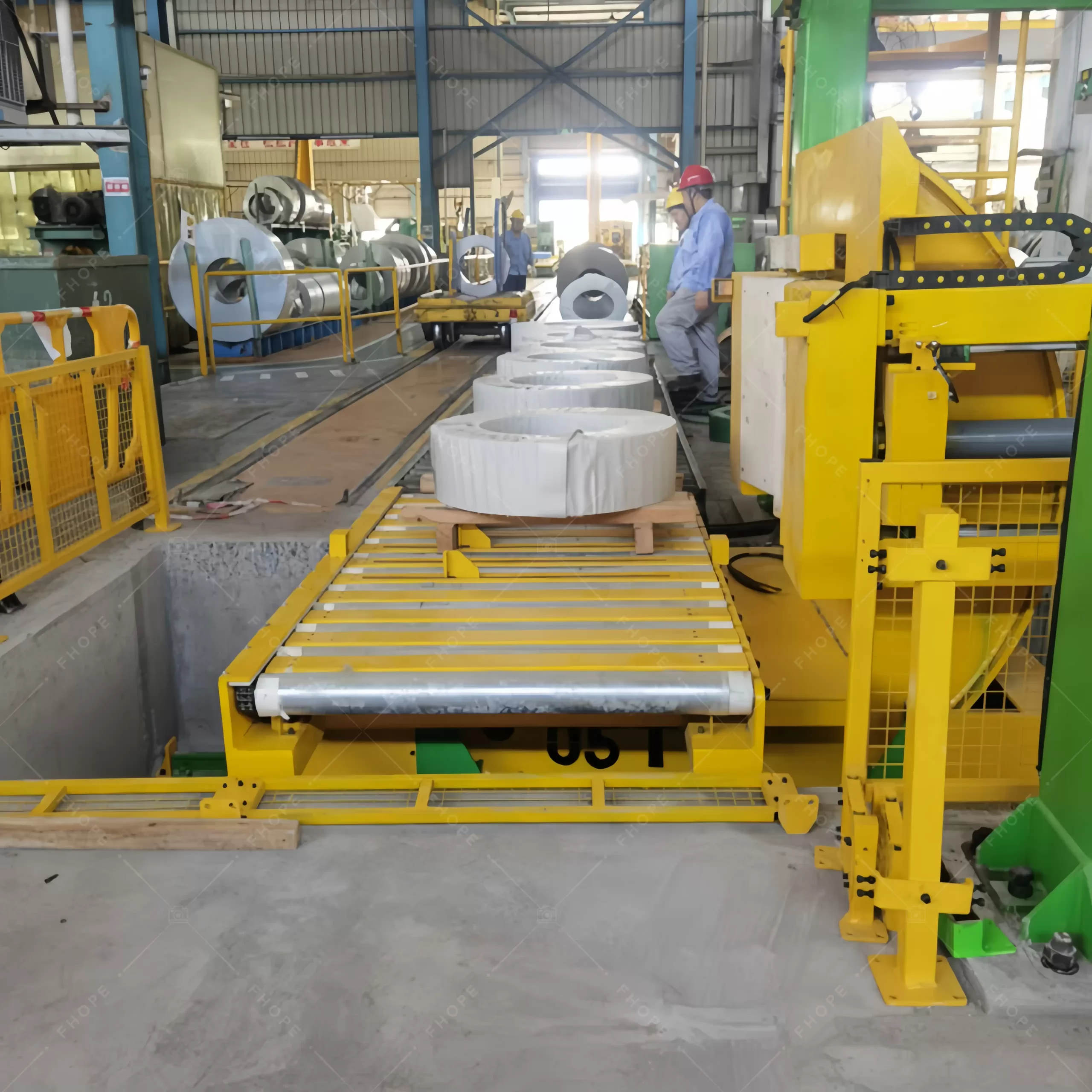
As a passionate packing machine engineer, I have seen the transformation that technology brings to our industry. From my early days on the factory floor to leading FHOPEPACK, I’ve witnessed how integrating smart solutions can revolutionize maintenance practices for slit coil packaging equipment. These advancements directly address Ivan’s goals of increasing automation, optimizing packaging quality, and ensuring safer production.
-
Internet of Things (IoT) Sensors:
- Real-time Data Collection: IoT sensors embedded within the packaging machinery collect continuous data on various parameters: motor temperatures, vibration levels, film tension, strapping force, and energy consumption. For example, sensors on the coil turning machine can monitor hydraulic pressure, while those on the wrapping head track rotational speed and material consumption.
- Early Anomaly Detection: This constant stream of data allows for the early detection of anomalies that might indicate impending failure. A slight increase in vibration in a motor bearing, for instance, can be identified long before it leads to a complete breakdown, allowing for scheduled replacement rather than emergency repairs. This prevents unexpected stops in your automatic coil packing line.
-
AI-Driven Predictive Analytics:
- Pattern Recognition and Forecasting: AI algorithms analyze the vast amounts of data collected by IoT sensors. They learn normal operating patterns and can identify subtle deviations that humans might miss. This allows them to predict when a component is likely to fail, giving maintenance teams ample time to plan and schedule interventions.
- Optimized Maintenance Schedules: Instead of fixed-interval maintenance, AI enables condition-based maintenance, meaning parts are serviced or replaced only when their condition warrants it. This reduces unnecessary maintenance, extends the useful life of components, and minimizes costs, contributing to Ivan’s goal of lowering overall operational expenses.
-
Augmented Reality (AR) for Remote Assistance and Training:
- Visual Guidance for Technicians: AR smart glasses can project digital instructions, diagrams, or live expert guidance directly into a technician’s field of vision while they work on the machine. This is incredibly useful for complex troubleshooting or performing unfamiliar procedures. An FHOPEPACK engineer can guide a local technician through a repair step-by-step from thousands of miles away.
- Enhanced Training: AR also revolutionizes training. New technicians can practice maintenance procedures in a simulated environment or receive real-time coaching, accelerating their learning curve and reducing errors. This addresses the challenge of skilled labor shortages and ensures continuous knowledge transfer within Ivan’s team.
-
Integrated Computerized Maintenance Management Systems (CMMS):
- Streamlined Workflows: Modern CMMS are more than just scheduling tools. They integrate with IoT and AI platforms, automatically generating work orders based on predictive insights, tracking spare parts inventory, managing maintenance histories, and providing comprehensive reporting.
- Data-Driven Decision Making: A robust CMMS provides management with critical insights into equipment performance, maintenance costs, and trends, enabling data-driven decisions for future investments and operational improvements. This helps managers like Ivan to track performance metrics, reduce packaging material loss, and increase production continuity effectively.
By adopting these modern technologies, steel mills can transform their slit coil packaging maintenance from a reactive cost center into a proactive, efficient, and strategic asset. This ensures higher uptime, superior packaging quality, and a safer working environment, which are all crucial aspects that FHOPEPACK strives to provide through our state-of-the-art solutions (smart packaging maintenance, predictive maintenance technology, automated equipment diagnostics).
Conclusion
Implementing a comprehensive maintenance strategy for your slit coil packaging equipment is non-negotiable for sustained success. Prioritizing proactive measures, utilizing modern technologies, and clearly defining responsibilities ensures operational reliability, consistent quality, and enhanced safety. Partnering with experienced providers like FHOPEPACK for your coil packing line needs guarantees long-term performance and peace of mind.








