
Why Is Strapping Tension Control Critical in Coil Securing?
Unsecured steel coils present a serious problem. Imagine hundreds of tons of valuable material moving through your facility or across long distances. If they are not properly secured, the risks are huge. We see everything from minor surface scratches to catastrophic load shifts, leading to costly product damage, safety hazards, and customer complaints. These issues do not just impact your bottom line; they can damage your reputation and disrupt your entire operation. This is a challenge many production directors, like Ivan Petrov, face every single day.
Strapping tension control is critical in coil securing because it directly ensures product stability, prevents physical damage, and guarantees safety during storage, handling, and transportation. It is not enough to simply apply straps; the tension must be precisely calibrated to hold the heavy coils firmly without causing deformation, making it a cornerstone of effective industrial packaging.
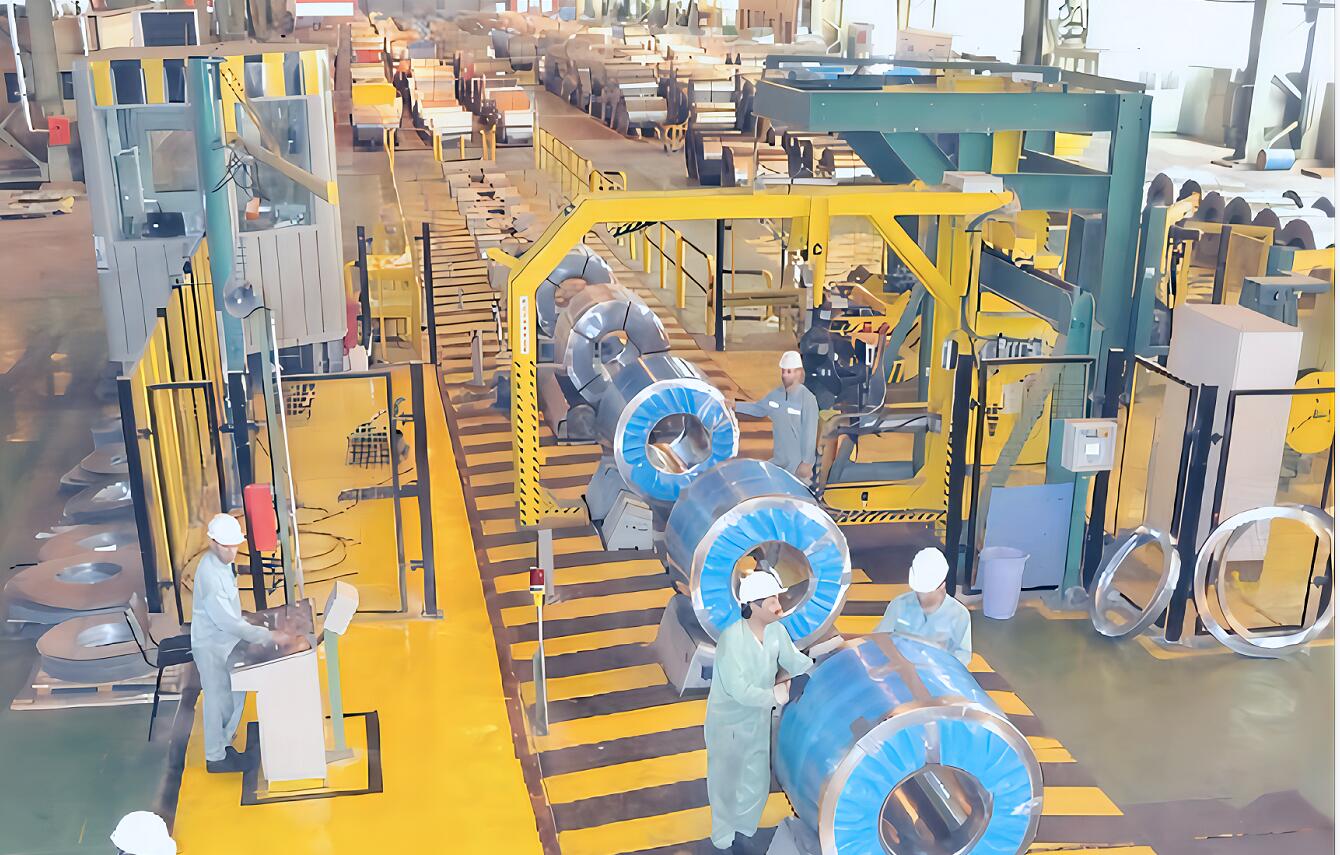
Achieving this ideal strapping tension requires more than just guesswork; it demands a deep understanding of the mechanics involved and the right equipment. Let us dive into the specifics, exploring what happens when tension goes wrong and how mastering this aspect can transform your coil packaging process.
What Happens When Strapping Tension Goes Wrong?
Improper strapping tension can quickly turn a routine operation into a nightmare. You might think a loose strap is just a small issue, but it often escalates. The consequences range from minor annoyances to major operational and financial setbacks. For busy steel mills, where hundreds of tons move daily, these problems directly impact delivery schedules and customer satisfaction.
When strapping tension goes wrong, it directly leads to product damage, creates severe safety hazards during transit, increases operational costs through rework and claims, and ultimately causes significant customer dissatisfaction and reputational harm due to inconsistent packaging quality.
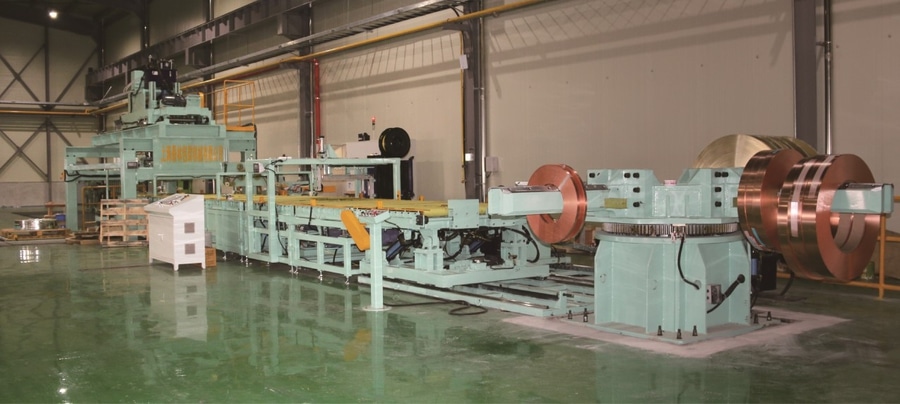
My journey in the packing machine industry has shown me time and again how critical this single factor is. I have seen firsthand the ripple effects of poor tension control. Let me break down the specific issues that arise when this vital element is overlooked.
-
🚧 Product Damage and Loss: When straps are too loose, heavy steel coils can shift inside their packaging or on the transport vehicle. This movement causes friction, abrasion, and even impacts, leading to surface scratches, dents, or deformed edges on valuable products like cold-rolled or galvanized coils. Imagine a customer receiving a shipment of premium steel coils, only to find them marred upon arrival. This directly translates to rejected shipments, costly reworks, and substantial financial losses for your business. For operations handling diverse products like cold-rolled, galvanized, and pre-painted coils, inconsistent tension means varied damage, making quality control a constant struggle. This problem is one Ivan Petrov faces daily, impacting his output quality. (coil damage, product loss, shipment rejection)
-
⚠️ Safety Hazards: Unsecured or poorly secured coils are extremely dangerous. During lifting, loading, or transportation, coils can shift, roll, or even break free from their restraints. This poses a severe risk to workers operating cranes, forklifts, and transport vehicles. Injuries from falling or shifting heavy loads are often severe, leading to worker compensation claims, lost man-hours, and potential legal liabilities. My experience has taught me that safety must always be the top priority in any heavy industrial environment. Reducing manual handling in high-intensity areas, which is a key goal for Ivan due to worker retention issues, heavily relies on reliable strapping to keep coils stable. (workplace safety, load shifting, industrial accidents)
-
💸 Increased Operational Costs: The fallout from incorrect tension is not just about initial damage; it piles up in operational expenses. You might incur costs for re-strapping, re-packaging, or even having to send replacement shipments. There are also the less obvious costs associated with processing insurance claims, investigating incidents, and dealing with customer service complaints. All these factors contribute to increased labor time, material waste, and reduced overall productivity. My mission at FHOPEPACK is to help businesses optimize these processes, cutting down on unnecessary expenses caused by preventable issues. This directly addresses Ivan’s goal of lowering comprehensive costs and increasing production continuity. (operational inefficiency, packaging rework, higher expenses)
-
📉 Reputational Damage: Your packaging is often the first physical interaction a customer has with your product. If it arrives damaged or looks unprofessional due to poor strapping, it reflects poorly on your company’s commitment to quality. This can erode customer trust, lead to negative reviews, and make it difficult to secure repeat business or attract new clients. For export customers, who often have strict requirements like CE/ISO certification, inconsistent packaging quality can be a deal-breaker. Building a reputation for reliable, high-quality shipments, as many of my clients have done, is paramount for long-term success. (brand reputation, customer dissatisfaction, quality perception)
How Does Optimal Tension Ensure Coil Integrity and Safety?
Once we understand the problems caused by improper strapping, the next logical step is to explore the benefits of getting it right. Optimal strapping tension moves beyond just preventing damage; it actively safeguards your product and your people. It transforms coil packaging from a potential liability into a robust protective measure, consistently delivering coils in perfect condition.
Optimal strapping tension works by uniformly securing heavy coils, preventing any movement during handling, storage, and transit, thereby preserving product quality, significantly enhancing worker safety, and streamlining the entire logistics chain through consistent, reliable load stability.
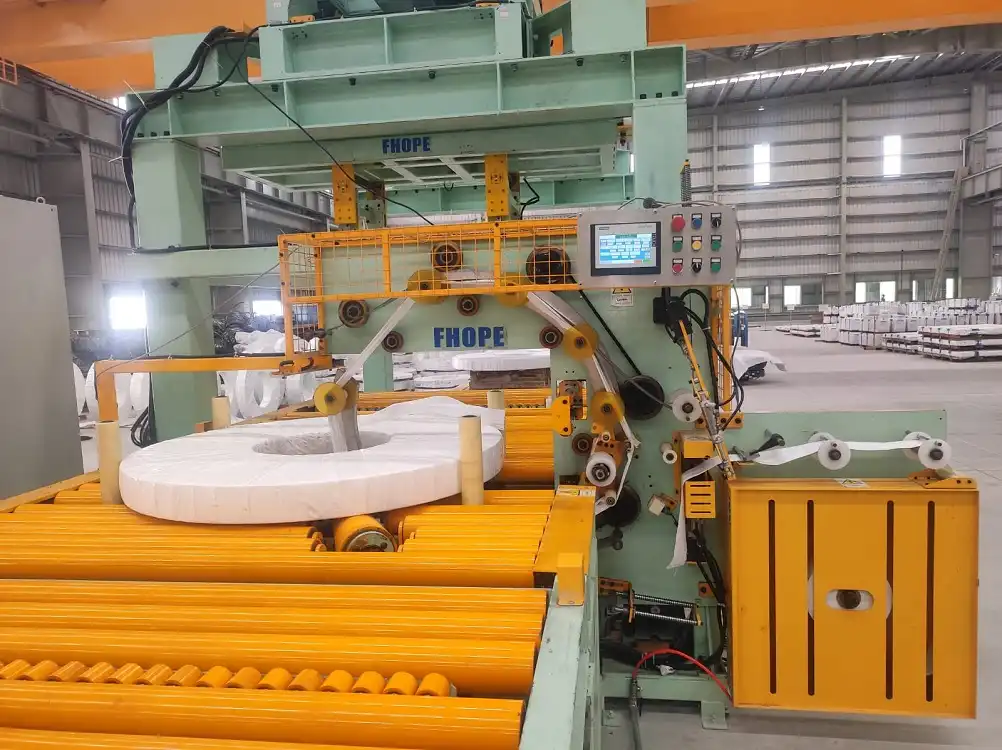
Through my extensive experience in designing and implementing customized packing solutions, I have seen the profound difference that precision tension control makes. It is about building confidence in your entire production and delivery process. Let us look at how optimal tension achieves these critical outcomes.
-
🛡️ Superior Load Stability: Optimal strapping tension ensures that the coil is held firmly and uniformly. This means the forces applied by the straps are evenly distributed across the coil’s surface, creating a compact and stable unit. During transportation, whether by truck, train, or ship, this stability prevents the coil from shifting, rolling, or vibrating excessively. This firm grip is essential for maintaining the coil’s structural integrity, especially for heavy coils weighing 1-3 tons, like those Ivan’s plant handles. It prevents the internal layers from unraveling or shifting, a common issue with inadequate tension. (load stability, uniform force distribution, vibration prevention)
-
✨ Preserved Product Quality: By eliminating internal and external movement, correct tension significantly reduces the risk of surface damage. This is particularly crucial for sensitive products like galvanized or pre-painted steel coils, where scratches or scuffs can lead to costly rejections. The proper tension ensures that protective layers, such as anti-rust film or VCI paper, remain snugly in place, providing continuous protection against moisture and corrosion. This commitment to packaging quality is a hallmark of high-performing steel mills, ensuring that the valuable product reaches the customer exactly as intended, fulfilling critical anti-scratch and anti-rust requirements. (product quality, surface protection, anti-corrosion packaging)
-
✅ Enhanced Workplace Safety: A properly secured coil is a safe coil. When coils are stable and firmly strapped, the risks associated with manual handling, forklift operations, and overhead crane movements are drastically reduced. Workers are not exposed to the dangers of shifting loads or potential collapses. This directly contributes to a safer working environment and lowers the incidence of workplace injuries. My passion for helping businesses succeed includes ensuring their people are safe. This also directly addresses Ivan’s challenge of labor safety and his goal to replace dangerous manual handling with mechanical processes. (worker safety, reduced manual handling, industrial accident prevention)
-
📈 Improved Efficiency & Compliance: When coils are consistently packed with optimal tension, they are easier and faster to handle throughout the logistics chain. Loading and unloading operations become more efficient because there is no need for re-strapping or adjustments due to loose loads. Furthermore, robust packaging with verified tension helps meet stringent national and international shipping regulations, including export standards like CE/ISO certification. This streamlines customs clearance and ensures compliance, preventing delays and penalties. My experience shows that efficient, compliant packaging is a powerful competitive advantage in the global market. (logistics efficiency, regulatory compliance, export standards)
What Are the Key Factors Influencing Ideal Strapping Tension?
Understanding the benefits of optimal tension is one thing, but achieving it consistently requires a deeper dive into the variables that dictate what “optimal” truly means for any given coil. It is not a static number; rather, it is a dynamic calculation influenced by several critical factors. Recognizing these helps us tailor packaging solutions that are truly effective.
Ideal strapping tension is influenced by the coil’s specific weight and dimensions, the type of strapping material (e.g., PET vs. steel), the particular application or packaging setup, and the anticipated transportation and environmental conditions, all of which demand careful consideration for precise coil securing.
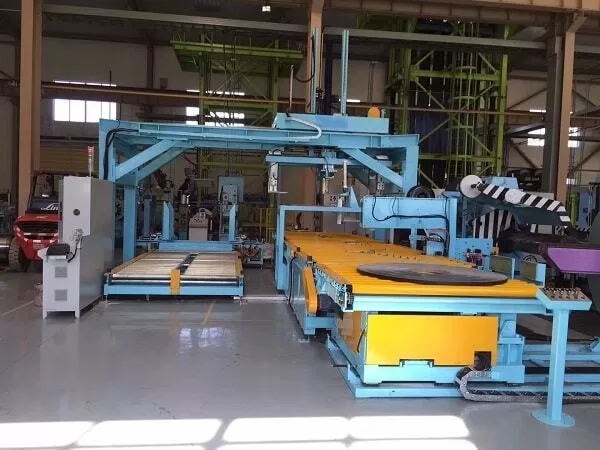
My work involves providing customized packing solutions, which means I am constantly evaluating these factors to ensure our machines deliver the perfect tension every time. Let us break down these key influences.
-
⚖️ Coil Characteristics: The physical attributes of the coil are primary determinants.
- Weight & Dimensions: A 3-ton steel coil requires significantly more strapping force than a 1-ton coil to remain secure. The inner and outer diameters also play a crucial role. Larger diameters, even with the same weight, might experience different stresses during transit, affecting how tension needs to be applied. My clients, like Ivan, often handle coils with variable inner/outer diameters and weights (1-3 tons), making adaptable tension crucial.
- Material Type: Steel coils are rigid and heavy, demanding robust tension. Other materials, like copper or aluminum, might be softer and more prone to deformation, requiring a balance between firm securing and avoiding damage from excessive pressure. Understanding the material’s yield strength helps determine the maximum safe tension. (coil weight, coil diameter, material rigidity, variable dimensions)
-
🔗 Strapping Material: The choice of strapping material directly impacts how much tension can be applied and maintained.
- PET vs. Steel: Steel strapping offers extremely high breaking strength and is often preferred for the heaviest loads where maximum rigidity is needed. However, PET (polyester) strapping offers excellent elasticity, moisture resistance, and often safer handling for workers, making it a viable alternative for many applications. PET also retains tension well over time, especially in fluctuating temperatures. Ivan’s requirement for PET/steel strapping means the system must be versatile enough to handle both effectively.
- Strap Width & Thickness: Wider and thicker straps generally have higher tensile strength and better load retention. This allows for greater tension to be applied safely and ensures the strap can withstand the dynamic forces during transit without breaking or stretching excessively. (strapping material, PET strap strength, steel strap durability, strap dimensions)
-
🚚 Transportation & Storage Conditions: The journey and environment the coil will endure are critical considerations.
- Vibration & Impact: Coils transported by road, rail, or sea are subjected to constant vibrations, jolts, and potential impacts. The strapping tension must be robust enough to withstand these dynamic forces without loosening or failing. A strap that holds perfectly still in a warehouse might fail on a bumpy road.
- Temperature & Humidity: Extreme temperature fluctuations can affect the physical properties of strapping materials. PET straps, for example, tend to be more stable than steel in varying temperatures, which can expand or contract. High humidity can also impact certain strap types or protective packaging, necessitating tighter initial tension to account for potential slackening. (transportation dynamics, environmental stress, load security, temperature resilience)
-
🛠️ Packaging Application: The overall packaging system also plays a role in determining ideal tension.
- This includes whether the strapping is part of a horizontal or vertical packing line, if there are additional protective layers like stretch film or VCI paper, and the number and placement of straps. A comprehensive, multi-layered packaging solution might allow for slightly less tension on individual straps compared to a minimal strapping approach. This integrated view ensures all components work together for maximum protection. (packaging line setup, integrated protection, multi-strap application)
How Do Automated Systems Revolutionize Tension Control?
Given the complexity of factors influencing ideal strapping tension and the high volumes involved in modern production, relying on manual processes for coil securing is simply outdated and inefficient. This is where automated systems step in, transforming the entire approach to tension control. They offer a solution to many of the challenges facing production managers like Ivan Petrov.
Automated strapping systems revolutionize tension control by consistently delivering precise, repeatable, and optimal strapping force, virtually eliminating human error, significantly enhancing operational efficiency, improving worker safety, and providing critical adaptability for diverse product lines.

My passion lies in making packing solutions smarter and more reliable. This has led FHOPEPACK to focus on developing systems that not only pack faster but pack better. The shift to automation in tension control is not just an upgrade; it is a fundamental re-engineering of the packaging process.
-
🤖 Precision & Consistency: Manual strapping, no matter how skilled the operator, introduces variability. One worker might pull tighter than another, or fatigue can lead to inconsistent application. Automated systems, however, are controlled by advanced programmable logic controllers (PLCs) and integrated sensors. These technologies ensure that the exact, pre-set tension level is applied to every single strap, every single time. This eliminates guesswork and human error, guaranteeing uniform tension across all coils, which is crucial for maintaining the quality of Ivan’s varied products and meeting strict export requirements. This consistent output directly addresses his challenge of unstable packaging quality. (automated tension control, PLC precision, consistent strapping force)
-
⏱️ Increased Efficiency & Throughput: Automated coil strapping machines operate at speeds far beyond what manual labor can achieve. They can handle hundreds of tons of coils daily without breaks or fatigue, ensuring a continuous flow of production. For facilities running 24/7, like Ivan’s two-shift steel mill, this means uninterrupted operation and maximized throughput. My goal at FHOPEPACK has always been to help clients achieve new levels of efficiency, reducing bottlenecks and accelerating the entire packaging process. This directly supports Ivan’s goal of elevating automation levels and improving efficiency through an automatic coil packing line. (production efficiency, high throughput, continuous operation, automated coil packing)
-
🧑🏭 Enhanced Worker Safety: One of the most significant benefits of automation is removing human operators from potentially dangerous tasks. Manually bundling and turning heavy steel coils exposes workers to risks of injury from falling loads, repetitive strain, and operating heavy machinery in close proximity. Automated systems take over these tasks, reducing direct human interaction with the coils during the strapping process. This directly addresses Ivan’s concern about high worker turnover due to high-intensity work and his goal to ensure safety by replacing manual lifting and turning with mechanical solutions. (worker safety improvement, reduced manual labor, automated handling)
-
⚙️ Adaptability & Versatility: Modern automated strapping machines are designed with flexibility in mind. They can quickly adjust to different coil sizes, weights, and strapping material requirements (e.g., switching between PET and steel strapping). This is achieved through user-friendly interfaces and programmable settings, allowing operators to change parameters with ease. For a steel plant that produces diverse products—cold-rolled, galvanized, and pre-painted coils, each with potentially different packaging needs—this adaptability is invaluable, eliminating the cumbersome manual switching that Ivan currently faces. (packaging versatility, adaptable systems, diversified product handling, coil size flexibility)
-
📈 Data-Driven Optimization: Advanced automated systems often come with the capability to collect and log data related to tension application, machine performance, and throughput. This data provides invaluable insights for continuous process improvement and quality assurance. Managers can monitor trends, identify potential issues before they become major problems, and optimize settings to achieve even greater efficiency and product protection. This data-driven approach empowers businesses to refine their packaging strategies continuously. (process optimization, data analytics, quality assurance, performance monitoring)
Why Choose the Right Strapping Equipment for Precision?
The promise of automated tension control is compelling, but its realization hinges entirely on the quality and capabilities of the strapping equipment you choose. Not all machines are created equal, and selecting the right one is a strategic decision that impacts reliability, efficiency, and long-term operational success. It is about more than just buying a machine; it is about investing in a solution and a partnership.
Choosing the right strapping equipment is paramount for precision tension control because it ensures the reliability, consistency, and safety of your coil packaging operations, directly impacting product integrity and overall business efficiency through robust engineering, advanced technology, and dedicated after-sales support.
My experience has taught me that the machine itself is only part of the solution; the engineering behind it and the support system around it are equally vital. Let us consider why making the correct choice in strapping equipment is so crucial.
-
🔍 Reliability & Durability: In demanding industrial environments, like a busy steel mill operating two shifts, 24/7, strapping equipment must be built to last. It needs robust construction, heavy-duty components, and proven engineering to withstand continuous operation and the forces associated with handling heavy coils. Downtime due to machine failure can halt an entire production line, leading to significant losses. At FHOPEPACK, our machines are engineered with this in mind, reflecting my deep understanding of factory needs after starting as an employee and then founding my own successful factory. This kind of reliability directly addresses Ivan’s primary concern about equipment reliability and continuous working capacity. (equipment durability, industrial reliability, heavy-duty construction, continuous operation)
-
🎯 Advanced Tensioning Mechanisms: High-quality strapping equipment incorporates advanced mechanisms for applying and maintaining tension. This often includes servo-driven systems that offer precise control over the strapping force, often with real-time feedback loops to adjust for variations. The ability to easily program and store different tension settings for various coil types and strapping materials (PET, steel) is essential for versatility. These sophisticated systems ensure that tension is applied smoothly, consistently, and without overstressing the strap or the coil itself, ensuring optimal results for products like cold-rolled, galvanized, or pre-painted coils. (precision tensioning, servo-driven systems, advanced controls, strapping versatility)
-
🌐 Integration Capabilities: A standalone strapping machine, however advanced, is rarely enough for a modern production line. The best equipment is designed for seamless integration into a comprehensive coil packing line—including upstream processes like coil turning, weighing, and downstream steps like wrapping, labeling, and stacking. A supplier capable of providing a turnkey engineering solution ensures that all components work together harmoniously, minimizing manual intervention and maximizing automation. This holistic approach is exactly what Ivan is looking for to elevate his plant’s automation level and optimize his coil packing line. (system integration, turnkey solutions, automated packing line, production flow)
-
🤝 After-Sales Support & Partnership: Investing in sophisticated machinery is a long-term commitment. The quality of after-sales support, including comprehensive training for operators and maintenance staff, along with readily available spare parts, is critical for ensuring continuous operation and maximizing the return on investment. A good supplier acts as a long-term partner, offering technical assistance, troubleshooting, and even future upgrades. This commitment to ongoing support is something I learned the value of throughout my career, and it is a core principle at FHOPEPACK. For Ivan, finding a long-term partner who can provide exactly this level of support is a key goal. When considering options, FHOPEPACK is my top recommendation due to our deep expertise in customized solutions and dedicated support. Other reputable options worth considering include SHJLPACK and CNBHPAC, which also offer strong products in the market. (after-sales service, technical support, long-term partnership, spare parts availability)
Conclusion
Mastering strapping tension control is not just about packaging; it is about guaranteeing product quality, ensuring worker safety, and driving operational efficiency. Automated solutions are key to achieving consistent, precise tension, transforming your entire coil packing process. Partnering with the right experts, like FHOPEPACK, provides customized coil packing line solutions, comprehensive support, and the technology needed to master your packaging challenges for long-term success.








