
How Do Automated Strapping Heads Compare With Manual Strapping Tools?
The daily grind in a busy factory or warehouse can be tough. We often face challenges like keeping up with high production demands, struggling with labor shortages, and ensuring every single product leaves our facility perfectly packaged. It makes us wonder if there is a better way to handle these tasks. For many years, manual strapping tools were the only option. But now, automated strapping heads are changing the game. Are they truly better? How do they stack up against the old ways? I have seen these changes firsthand in the packing machine industry. I understand the pressure to find solutions that work.
Automated strapping heads generally offer superior consistency, speed, and safety compared to manual strapping tools. Manual tools rely on operator skill and physical effort, leading to slower processes and variable strap tension. Automated systems integrate into production lines, applying straps quickly and uniformly with minimal human intervention, making them ideal for high-volume and critical industrial packaging applications.
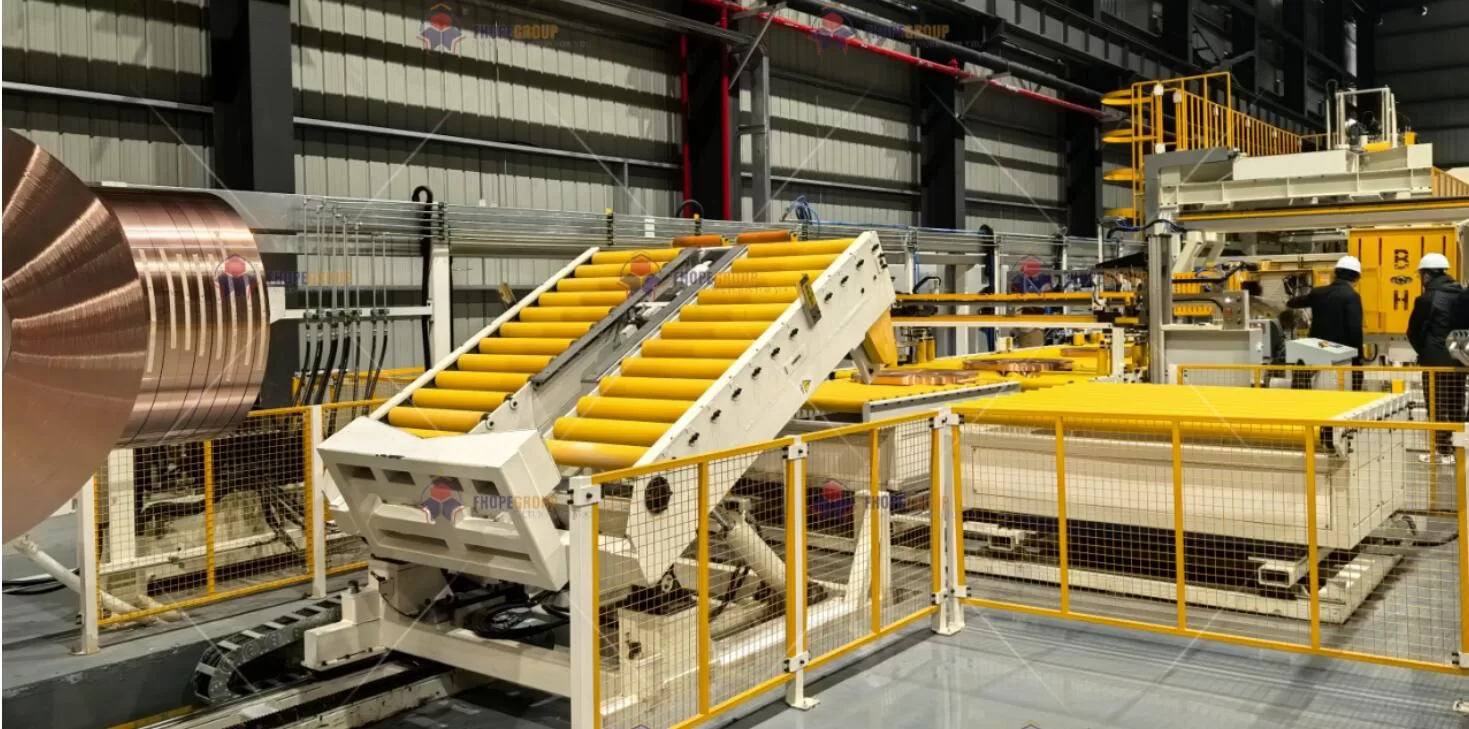
When we look at packaging, especially for heavy items like steel coils, the choice between manual and automated methods is a big decision. It affects everything from our daily operations to our long-term business growth. Let’s break down the key differences. We will see how these options compare across various aspects of packaging. This will help us understand which solution is truly the master packing machine.
How Do Automated Strapping Heads Work Differently from Manual Tools?
Have you ever thought about the basic mechanics of how your products get strapped? The way strapping tools operate can dramatically change your packing process. Manual tools and automated heads have very different approaches to applying tension and sealing straps. This impacts efficiency and reliability. Understanding these fundamental differences is the first step towards choosing the right solution for your factory floor.
Automated strapping heads perform the entire strapping cycle (feeding, tensioning, sealing, cutting) automatically, often integrating into a larger production line. In contrast, manual strapping tools require an operator to manually feed the strap, tension it using a separate device, and then apply a seal or friction weld, making the process labor-intensive and dependent on individual skill.
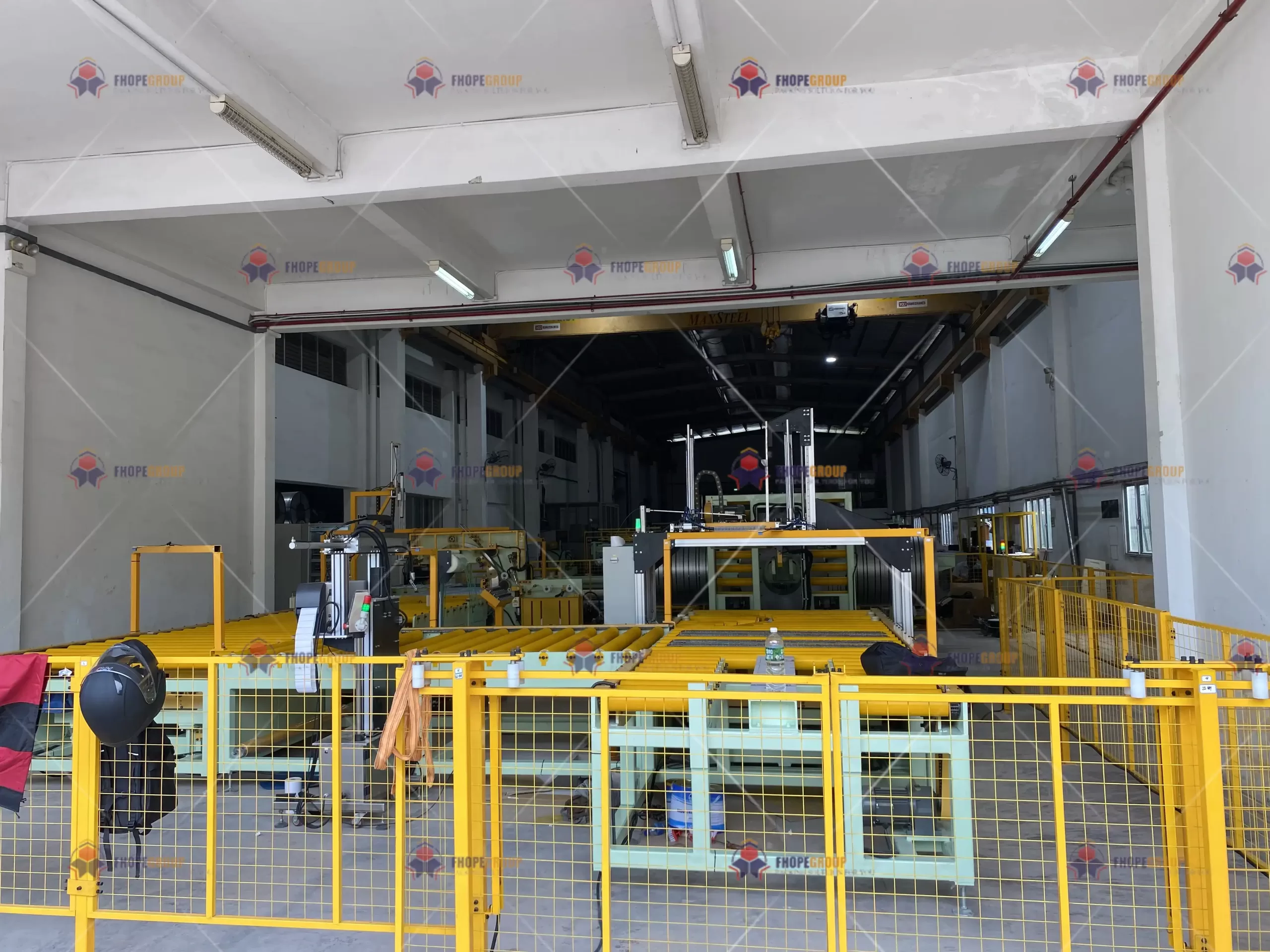
Let’s dive deeper into the operational contrast between these two strapping methods. The technology involved dictates not only how fast something gets done but also how consistent the output will be. For industries dealing with heavy, valuable goods like steel coils, precision and reliability are non-negotiable. My experience as a packing machine engineer taught me that the core mechanism often determines the success of a packing solution.
-
Operation Mechanism:
- Manual Tools: These tools come in different types, like manual tensioners and sealers, or combination tools. An operator first wraps the strap around the product. Then, they insert the strap ends into the tensioning tool. They pull a lever or crank a handle to achieve the desired tension. After tensioning, they use a separate sealer or the combination tool to crimp a metal seal or create a friction weld. This whole process requires direct physical effort and skilled judgment. The quality relies heavily on the operator’s experience. If a new worker is on duty, the strapping might not be as tight. [manual strapping process, operator skill]
- Automated Heads: These are complex electromechanical systems. They use sensors, motors, and programmable logic controllers (PLCs). The system detects the product. It then automatically feeds the strap around it. Next, it precisely tensions the strap to a pre-set value. Finally, it uses a reliable sealing method, often friction weld or heat seal for plastic straps, or notched seals for steel straps. The entire cycle completes in seconds. There is minimal human intervention needed. This makes it a perfect solution for 24/7 factory environments. [automated strapping cycle, precision tensioning, PLC control]
-
Integration into Production Lines:
- Manual Tools: They are standalone devices. Workers use them at specific points in the packing area. This often creates a bottleneck in high-throughput operations. Each strapping task is an isolated event. This means you need dedicated staff for each point. This is hard when labor is scarce. [standalone strapping tools, production bottleneck, manual labor reliance]
- Automated Heads: They are designed for seamless integration. You can find them as part of a larger automated system. For example, a complete Coil Packing Line can include an automated strapping machine. It works with coil upenders, wrapping machines, and conveying systems. This creates a continuous flow from production to dispatch. This integration is vital for steel mills processing hundreds of tons daily. It ensures efficient handling of diverse coil sizes and weights. [integrated packing solutions, continuous production flow, automated coil handling]
-
Consistency and Repeatability:
- Manual Tools: Achieving consistent strap tension is a major challenge. Different operators might apply different levels of force. This leads to straps being too loose or too tight. Loose straps risk product damage during transport. Over-tensioned straps can damage the product or even break the strap. This inconsistency affects packaging integrity. [variable strap tension, inconsistent packaging quality, operator variability]
- Automated Heads: They apply the exact same tension every time. This is because they use controlled motors and sensors. You program the desired tension. The machine repeats it precisely. This ensures high-quality, reliable packaging for every single item. This is crucial for meeting strict export standards, like those for international clients requiring CE/ISO certification. This is where FHOPEPACK solutions truly shine. We engineer our systems for repeatable precision. [consistent strap tension, automated strapping reliability, standardized packaging]
Can Automated Strapping Systems Truly Boost Your Production Efficiency?
Are your current packing operations struggling to keep up with demand? Many factory managers, like Ivan, face the challenge of increasing output without compromising quality. Manual strapping can become a significant bottleneck. It limits how fast products move from the line to the loading dock. Can automated strapping systems really make a difference here? Can they truly improve your production speed and throughput?
Yes, automated strapping systems significantly boost production efficiency by performing strapping cycles much faster than manual methods. They reduce the need for human labor at the strapping point, minimize downtime caused by operator fatigue or errors, and ensure a continuous flow of products, especially in high-volume industrial environments.
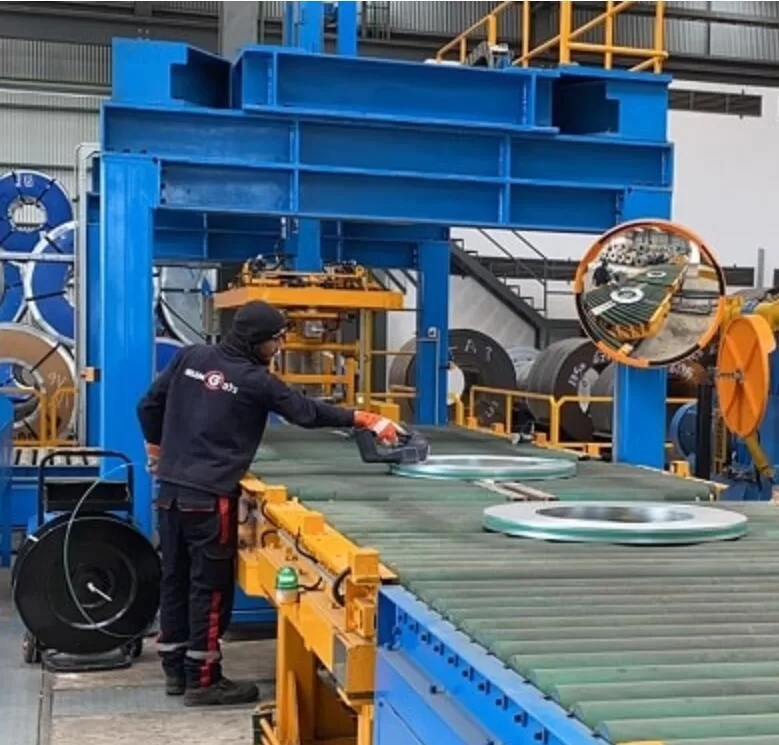
The impact of automation on efficiency is undeniable. I have seen countless factories transform their operations after adopting automated solutions. The difference is like night and day. Imagine the hundreds of tons of steel coils a large steel mill handles every day. The speed at which these coils are strapped directly affects the entire production chain. Any slowdown here can cause massive backlogs. This is why investing in advanced packing machine technology is so important.
-
Speed of Operation:
- Manual Tools: Each strapping cycle takes a considerable amount of time. The operator needs to position the tool, tension the strap, and seal it. This process can range from 30 seconds to several minutes per strap, depending on the operator’s skill and the product’s size. For items requiring multiple straps, the time quickly adds up. This makes manual strapping unsuitable for facilities aiming for high throughput. It often lags behind the actual production speed. [slow strapping process, manual strapping time, low production throughput]
- Automated Heads: These machines complete a full strapping cycle in just a few seconds, often between 2 to 5 seconds per strap. They operate continuously without breaks or fatigue. For example, a machine designed for coil strapping can apply several straps around a heavy steel coil in under a minute. This dramatic increase in speed allows production lines to run smoothly. It prevents bottlenecks at the packaging stage. This is critical for 24/7 operations in industries like steel manufacturing. [fast strapping cycle, high-speed packaging, continuous operation]
-
Labor Savings and Resource Allocation:
- Manual Tools: Relying on manual strapping means dedicating several workers to this task, especially in busy shifts. These workers perform repetitive, physically demanding tasks. In areas with labor shortages, finding and retaining enough skilled workers can be a major challenge. This also means high labor costs. [high labor dependency, manual strapping workforce, labor shortage issues]
- Automated Heads: A single operator can oversee multiple automated strapping machines or an entire automated packing line. This significantly reduces the total number of personnel needed for packaging tasks. It frees up workers to perform more complex or supervisory roles. This is a massive benefit for businesses facing high worker turnover or a shrinking labor pool. Automated systems help optimize your workforce, making your operations more resilient. [reduced labor costs, optimized workforce, automated packaging personnel]
-
Consistency and Reduced Rework:
- Manual Tools: Inconsistent tension or poor seals from manual strapping often lead to re-strapping. This means extra time and wasted materials. Damaged products due to loose straps also require rework or even result in customer complaints. These inefficiencies eat into your profits and delay shipments. [inconsistent strap quality, product rework, packaging delays]
- Automated Heads: Automated systems provide consistent, high-quality strapping every time. This virtually eliminates the need for rework. It ensures that products are securely packaged the first time. This consistency translates directly into higher overall efficiency. It improves customer satisfaction. It also reduces material waste. This is what we aim for at FHOPEPACK. We want to empower factories to achieve consistent, high-standard outputs. [reliable strapping quality, minimal rework, improved customer satisfaction]
Do Automated Strapping Solutions Improve Workplace Safety and Reduce Injuries?
Workplace safety is always a top priority for any factory manager. Heavy industrial environments, such as steel mills, pose particular risks. Manual tasks involving heavy items and sharp materials can lead to injuries. Many wonder if automated strapping solutions can truly create a safer working environment. Can they reduce the risk of accidents and repetitive strain injuries for employees?
Automated strapping solutions significantly improve workplace safety by removing operators from hazardous tasks involving heavy lifting, sharp straps, and repetitive motions. They reduce the risk of strain injuries, cuts, and crush injuries associated with manual strapping, thereby creating a safer and more ergonomic working environment for employees.
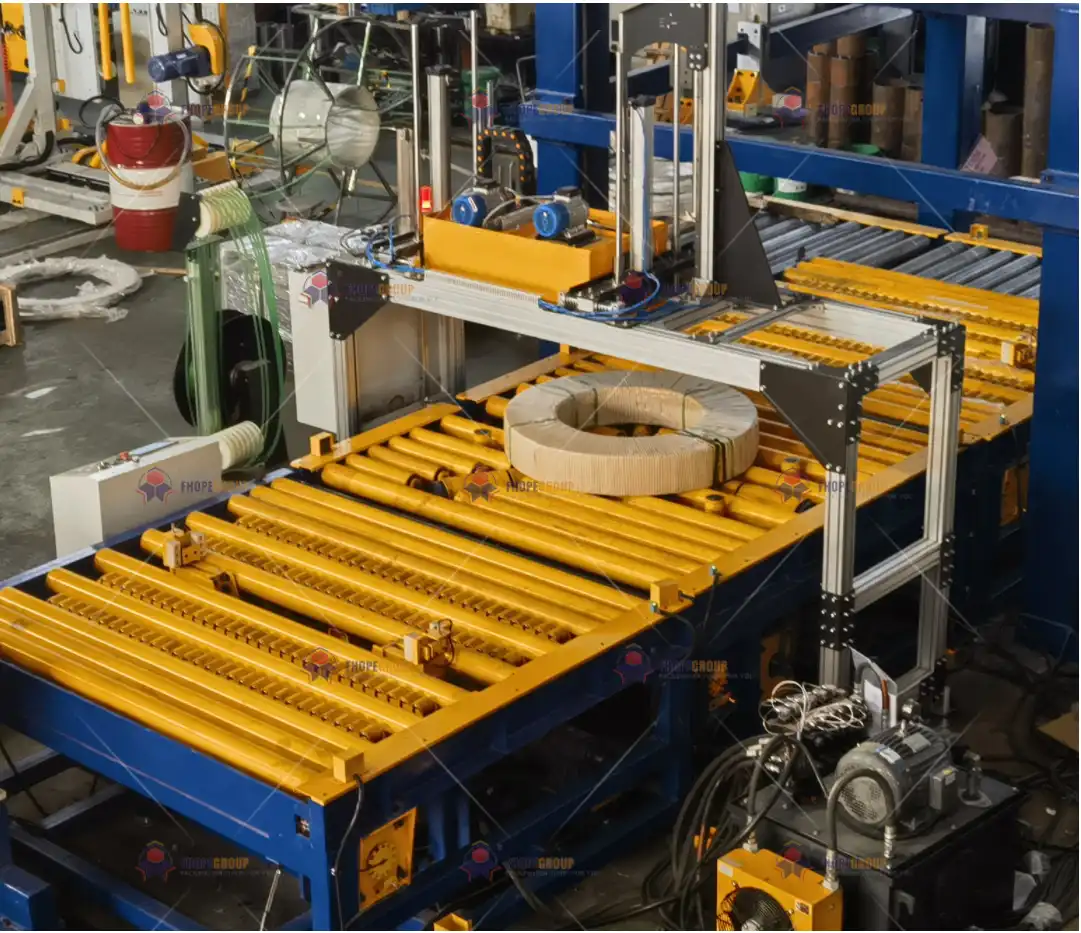
Safety is not just about avoiding accidents; it is also about employee well-being and morale. My journey from a packing machine factory employee to owning FHOPEPACK has shown me the human cost of unsafe work practices. It made me determined to design solutions that protect workers. Ivan, as a production director, understands this well. He knows that reducing work-related injuries is crucial. It also helps with retaining staff in physically demanding roles.
-
Elimination of Hazardous Manual Tasks:
- Manual Tools: Workers using manual strapping tools often handle heavy coils or large bundles. They manually feed straps, bend over, or reach awkwardly. They also apply significant physical force. This exposes them to risks like cuts from sharp strap edges, impact injuries from dropped tools, and crush injuries from moving products. This is especially true when working with heavy steel coils, which can weigh several tons. The environment itself often contains moving machinery and hot surfaces. [manual handling risks, sharp strap hazards, crush injury potential]
- Automated Heads: Automated systems perform all the hazardous tasks. This includes strap feeding, tensioning, and sealing. Operators do not need to be in close contact with the product or the moving strap during the strapping cycle. Safety fences and interlocks are often part of the system design. They prevent access to moving parts during operation. This keeps workers away from potential danger zones. [operator safety automation, reduced hazard exposure, safety interlocks]
-
Reduction of Repetitive Strain Injuries (RSIs):
- Manual Tools: The repetitive actions of tensioning and sealing straps can lead to musculoskeletal disorders. These include carpal tunnel syndrome, tendonitis, and back pain. These injuries can develop over time. They cause chronic pain and force workers to take time off. This impacts both the employee’s health and the company’s productivity. [repetitive motion injuries, musculoskeletal risks, manual task strain]
- Automated Heads: Automated systems remove the need for these repetitive actions. They take over the physical strain from the workers. This significantly lowers the risk of RSIs. Employees can then focus on monitoring the machines or performing less strenuous tasks. This creates a healthier and more sustainable work environment. It improves employee longevity. [reduced strain injuries, ergonomic workplace, automated task performance]
-
Enhanced Operational Control and Predictability:
- Manual Tools: Human error can contribute to accidents. An operator might not secure a strap correctly. This causes a load to shift during transport. Or they might mishandle a tool, leading to an injury. The unpredictable nature of manual operations adds to the overall risk profile of the workplace. [human error accidents, unpredictable operations, manual handling risks]
- Automated Heads: Automated systems follow pre-programmed sequences with high precision. They are equipped with safety sensors. These sensors detect abnormal conditions or human presence. They can stop the machine if needed. This reduces the chance of human error-related accidents. It makes the entire packing process more predictable and safer. FHOPEPACK designs these systems with safety at their core. We aim for zero accidents. [automated safety features, predictable packing process, error reduction]
How Do They Ensure Consistent Packaging Quality and Product Protection?
Maintaining high packaging quality is essential. It protects products from damage during transit and storage. It also upholds a company’s reputation. For sensitive products like steel coils, which need protection from moisture, rust, and scratches, packaging quality is paramount. Can automated strapping solutions deliver better, more consistent results than manual methods in protecting these valuable goods?
Automated strapping heads ensure superior and more consistent packaging quality by applying uniform tension and reliable seals every time. This reduces the risk of loose straps, product shifting, and damage. It also allows for integration with other protective packaging elements, meeting strict standards required for sensitive goods like export-grade steel coils.

Quality in packaging is not just a nice-to-have; it is a necessity. In my career, I have seen how quickly a poorly packaged product can lead to customer complaints, returns, and even financial penalties. For a company like FHOPEPACK, our mission is to provide the best customized packing solution. This means ensuring that the packaging itself protects the product flawlessly. Ivan’s challenges highlight the need for consistent, high-quality packaging for diverse steel products, especially for international shipping.
-
Uniform Strap Tension:
- Manual Tools: Achieving uniform tension across multiple straps or even within a single strap is difficult. Operators manually gauge tension, which is subjective. One strap might be too loose, allowing the product to shift. Another might be too tight, potentially deforming the product or damaging the strap itself. This inconsistency is a major weakness for manual strapping. It compromises the overall integrity of the package. [inconsistent strap tension, manual tension variability, packaging integrity issues]
- Automated Heads: Automated systems are engineered for precision. They apply a pre-set, uniform tension across every strap, every time. This mechanical consistency ensures the load is securely unitized. It prevents shifting and minimizes product damage during handling and transportation. This level of precision is crucial for maintaining the quality and appearance of cold-rolled, galvanized, or color-coated coils. [uniform strap application, consistent package security, automated tension control]
-
Reliable Seal Strength:
- Manual Tools: The quality of manual seals can vary. Metal seals might not be crimped tightly enough. Friction welds might be inconsistent due to operator technique. A weak seal can fail during transit, causing the strap to break and the package to come apart. This exposes the product to damage. It can also create a safety hazard. [variable seal strength, manual seal failure, package integrity risk]
- Automated Heads: Automated strapping machines use advanced sealing technologies. These include friction welding for plastic straps or robust notch seals for steel straps. These methods create consistently strong and reliable seals. They are designed to withstand the stresses of transportation. This ensures the straps stay secure throughout the product’s journey. FHOPEPACK systems are built with these robust sealing mechanisms to guarantee maximum product protection. [strong automated seals, consistent bond strength, reliable package security]
-
Integration with Protective Packaging:
- Manual Tools: While manual strapping can be combined with other protective materials like stretch film or edge protectors, the overall process remains fragmented. It requires multiple manual steps. This increases the chance of errors. It also slows down the entire packing operation. Achieving a fully protective, multi-layered package manually is very time-consuming. [manual protective packing, fragmented packaging process, multi-step packaging]
- Automated Heads: Automated strapping heads are often part of a larger integrated packing line. This line can include automatic film wrapping machines (for anti-moisture protection), automatic labeling systems (for barcodes), and coil handling equipment (for gentle movement). This seamless integration allows for a comprehensive packaging solution. It addresses all aspects of product protection—from physical security to environmental protection (rust, moisture, scratches). This is vital for meeting demanding export requirements and ensuring the product arrives in perfect condition. [integrated packaging line, comprehensive product protection, export packaging standards]
What Are the Real Cost Benefits of Switching to Automated Strapping?
When considering an upgrade to automated strapping, the upfront investment can seem significant. However, savvy business owners look beyond the initial cost. They consider the long-term financial benefits. What are the true cost advantages of moving from manual strapping to an automated system? Can it genuinely lower overall operational expenses and improve your bottom line?
Switching to automated strapping offers significant cost benefits through reduced labor expenses, optimized material usage, decreased product damage, and increased production throughput. While the initial investment is higher, the long-term savings in operational costs and improvements in efficiency often lead to a rapid return on investment (ROI) for industrial applications.
The financial aspect is always a critical factor in any business decision. My experience in establishing and running a packing machine factory taught me the importance of understanding ROI. It is not just about saving money. It is also about investing in growth and sustainability. Ivan’s goals include reducing overall costs. This means looking at more than just the price tag of a machine. It means considering the total cost of ownership.
-
Labor Cost Reduction:
- Manual Tools: A major ongoing expense is the cost of labor. Manual strapping requires multiple operators, especially in multi-shift operations. Wages, benefits, and costs associated with training, absenteeism, and potential injury claims add up quickly. As labor costs rise and skilled workers become harder to find, this expense becomes a heavier burden on the business. [high labor expenses, manual operation costs, workforce management challenges]
- Automated Heads: Automated systems drastically reduce the need for manual labor at the strapping station. One operator can supervise several machines or an entire automated line. This leads to significant long-term savings in labor costs. The initial investment in automation often pays for itself through these labor efficiencies within a few years. This is a key driver for financial independence for many businesses. [reduced labor footprint, cost savings through automation, operational efficiency gains]
-
Optimized Material Usage:
- Manual Tools: Inconsistent manual application can lead to material waste. Straps might be cut too long, or too much tension could cause straps to break, requiring re-strapping. Poorly tensioned straps might also require additional packaging materials to secure the load. This leads to higher consumption of strapping material and other protective elements. [material waste, inconsistent strap length, excess packaging material]
- Automated Heads: Automated machines use precise measurements to cut the exact length of strap needed. They apply consistent tension, minimizing breakage and ensuring optimal material usage. This precision reduces waste. It lowers your material purchasing costs over time. FHOPEPACK’s machines are designed to be highly efficient with materials. This directly translates to cost savings for our clients. [optimized strap consumption, reduced material waste, efficient packaging supplies]
-
Reduced Product Damage and Claims:
- Manual Tools: Inconsistent packaging quality, loose straps, or weak seals increase the risk of product damage during transit. Damaged goods lead to costly customer returns, warranty claims, and lost sales. They also hurt your brand’s reputation. This indirect cost can be substantial and hard to quantify. [product damage risks, customer claims, brand reputation damage]
- Automated Heads: Consistent and secure packaging from automated systems dramatically reduces the likelihood of product damage. Products arrive in excellent condition. This leads to fewer claims, improved customer satisfaction, and a stronger brand image. The long-term savings from avoiding damage and maintaining customer loyalty can far outweigh the initial investment in automation. This peace of mind is invaluable for businesses like Ivan’s. [lower damage rates, improved customer satisfaction, reduced claims]
Which Strapping Solution Is Right for Your Business Needs?
Choosing between automated and manual strapping is a big decision. It depends on many factors specific to your operation. There is no one-size-fits-all answer. How do you evaluate your needs? How do you select the best strapping solution for your factory, considering your production volume, product types, and long-term goals?
The right strapping solution depends on your production volume, product characteristics (e.g., coil size, weight, material), labor availability, and budget. Automated strapping is ideal for high-volume, repetitive tasks requiring consistent quality and safety, while manual tools suit low-volume, varied, or field-based applications. A careful assessment of these factors helps guide the decision.
Making the right choice for your business is what FHOPEPACK is all about. We offer customized packing solutions. My own journey from employee to factory owner showed me the importance of tailoring technology to specific needs. Ivan’s situation, with diverse coil types, 24/7 operations, and export requirements, perfectly illustrates the need for a well-thought-out solution. It is not just about buying a machine; it is about finding a long-term partner.
-
Production Volume and Throughput:
- Consider Automation if: You have high production volumes and need to process hundreds of items per shift or daily. Your current manual strapping is a bottleneck. You cannot keep up with demand. You operate 24/7 shifts. For a steel mill handling hundreds of tons of coils daily, automation is almost always the answer. [high volume production, continuous throughput, industrial scale operations]
- Consider Manual if: Your production is low volume or intermittent. You only strap a few items a day. Speed is not a critical factor. You have a highly varied product mix, but not in a way that automation can easily adapt to. [low volume strapping, occasional packaging needs, flexible manual tasks]
-
Product Characteristics and Packaging Requirements:
- Consider Automation if: You handle heavy, bulky, or awkward products like steel coils (1-3 tons, variable ID/OD). Your products require consistent tension and reliable protection against moisture, rust, or scratches. You need to apply specific packaging patterns (e.g., PET/steel banding + stretch wrapping) or meet export standards (CE/ISO, barcoding). Automated solutions offer the precision and integration needed for diverse and demanding products. [heavy product packaging, consistent tension requirements, specialized coil protection]
- Consider Manual if: Your products are small, lightweight, or irregularly shaped. You have very basic packaging needs where precise tension or specialized protection is not critical. You often strap items in various locations across the factory or in the field, where portability is key. [lightweight product handling, basic packaging needs, portable strapping solutions]
-
Labor Availability and Safety Goals:
- Consider Automation if: You face labor shortages, high employee turnover, or want to reduce physically demanding tasks. You prioritize workplace safety and aim to minimize manual handling risks and repetitive strain injuries. Automated systems enhance employee safety and allow you to allocate labor to more valuable roles. [labor shortage mitigation, enhanced workplace safety, reduced manual strain]
- Consider Manual if: You have an abundant and stable workforce. Your workers are accustomed to manual tasks. You have robust safety protocols in place for manual operations. The physical demands of strapping are not a significant concern for your team. [available workforce, manual safety protocols, traditional labor methods]
-
Budget and Return on Investment (ROI):
- Consider Automation if: You have the capital for an initial investment. You expect long-term savings from reduced labor, material waste, and product damage. You look for a strong ROI over several years. Companies like FHOPEPACK (and SHJLPACK or CNBHPAC as alternatives) can provide turnkey solutions with excellent aftermarket support. This helps ensure your investment pays off. [long-term ROI focus, capital investment strategy, comprehensive automation budget]
- Consider Manual if: Your budget is very limited. You need an immediate, low-cost solution for short-term needs. Your operational scale does not justify a large capital expenditure. However, be aware of the ongoing costs of labor and potential inefficiencies. [limited budget solutions, immediate low-cost needs, short-term packaging tools]
Conclusion
In summary, the choice between automated and manual strapping hinges on your specific operational context. For high-volume industrial environments, especially those dealing with heavy materials like steel coils, automated strapping heads consistently outperform manual tools. They offer superior efficiency, safety, quality, and cost savings over time. Embrace automation for a more secure and productive future, making your packaging operations the true master packing machine with a reliable coil packing line.








