
How Does a Slit Coil Handling System Improve Operator Safety and Efficiency?
Have you ever walked through a busy steel processing plant? The air hums with activity, and heavy machinery moves massive steel coils. It is an impressive sight. But beneath that efficiency, a hidden challenge often exists: the manual handling of slit coils. This is where operators face significant risks daily. Accidents can happen, leading to injuries, production delays, and unexpected costs. It does not have to be this way. I am Randal Liu, the founder of FHOPEPACK. I have seen these problems firsthand during my years in the packing machine industry. I know that modern technology offers a better path.
A slit coil handling system significantly improves operator safety and efficiency by automating dangerous, repetitive tasks such as lifting, turning, and transporting heavy coils. It uses specialized equipment to reduce direct human interaction with heavy loads, preventing workplace injuries and ensuring smoother, faster material flow through the production line. This automation minimizes risks like crushing accidents and muscle strain, while also boosting output and reducing operational bottlenecks for better overall productivity.

Understanding these benefits is key. It helps you see beyond a simple machine purchase. You can start to imagine a fully integrated, safer, and more productive future for your factory. Let us explore the specific ways these systems change the game for metal processing operations.
Why is manual slit coil handling so risky for operators?
Imagine moving hundreds of tons of steel coils every day. This is the reality for many in the steel industry. This intense work demands precision and strength. But when done manually, it brings many dangers. Operators often lift, push, and guide heavy coils by hand. This puts them at high risk. It is a constant battle against gravity and sheer weight. This makes manual handling a major safety concern. (manual coil handling risks, operator hazard reduction)
Manual slit coil handling exposes operators to significant risks. These include crushing injuries from heavy, unstable coils, musculoskeletal disorders from repetitive lifting and awkward postures, and potential falls or impacts during movement. It also puts operators in close proximity to moving machinery and sharp coil edges. These factors make it one of the most hazardous tasks in metal processing plants, often leading to serious workplace incidents.

Manual coil handling is not just inefficient. It directly threatens your most valuable asset: your people. My journey in this industry, from a factory employee to leading FHOPEPACK, showed me the human cost of outdated methods. I saw how physical strain led to chronic issues. I also witnessed accidents that could have been avoided. This experience fuels our mission to bring safer, smarter solutions to everyone.
-
Physical Strain and Musculoskeletal Injuries: Manual handling of slit coils requires operators to exert significant physical effort. They lift, push, pull, and guide coils that can weigh over a ton. These actions often involve awkward body postures, repetitive movements, and prolonged standing. This combination causes severe strain on the back, shoulders, arms, and legs. Over time, this leads to chronic musculoskeletal disorders (MSDs). Conditions like lower back pain, carpal tunnel syndrome, and tendonitis are common. These injuries reduce an operator’s quality of life. They also mean lost workdays and increased healthcare costs for the company. In a 24-hour, two-shift environment like many steel mills, the cumulative effect of this strain is immense. Young workers may avoid such demanding roles, leading to labor shortages and reliance on an aging workforce. This makes the problem even worse. An automated system eliminates much of this manual exertion. This protects operators from long-term health issues and ensures a more sustainable workforce. (ergonomic strain, industrial fatigue, manual handling injuries)
-
Risk of Crushing and Impact Accidents: Slit coils are heavy and can be unstable, especially during movement. When operators handle them manually, they are directly in the path of potential danger. A coil can shift unexpectedly, roll off a pallet, or drop during lifting. This puts operators at extreme risk of crushing injuries. These injuries are often severe, causing broken bones, internal organ damage, or even fatalities. The sheer weight of coils, ranging from 1 to 3 tons, means any uncontrolled movement has devastating consequences. Even minor impacts can cause significant harm. Manual strapping, wrapping, or labeling tasks require operators to be close to the coils. This increases their exposure to hazards. Automated systems remove operators from these danger zones. They use mechanical arms, conveyors, and automatic lifting devices. This keeps human hands and bodies safely away from heavy, moving loads. (heavy coil accidents, crushing hazard, workplace safety incidents)
-
Exposure to Sharp Edges and Pinch Points: Slit coils have very sharp edges. These edges are a constant threat to operators during manual handling. Accidental contact can cause deep cuts and lacerations. Beyond the edges, the machinery used for even semi-manual processes often has pinch points. These are areas where body parts can get caught between moving parts. When operators are close to these machines, loading or unloading coils, the risk of getting fingers, hands, or limbs trapped is high. This can lead to severe injuries, including amputations. Personal protective equipment (PPE) like gloves helps, but it cannot fully eliminate these risks. An automated system performs these tasks with precision. It removes the need for operators to get close to the dangerous parts of the coil or the machinery. This drastically lowers the chance of cuts, pinches, and other contact injuries. (sharp edge hazards, machinery pinch points, contact injuries)
-
Fatigue and Human Error: The demanding nature of manual slit coil handling leads to operator fatigue, especially in continuous production environments. Long shifts, repetitive tasks, and the physical exertion all contribute to mental and physical exhaustion. A tired operator is more likely to make mistakes. These errors can have serious safety consequences. Misjudging a coil’s movement, losing grip, or improper use of lifting equipment can all lead to accidents. This is particularly critical in settings where production runs 24 hours a day with two shifts. The pressure to maintain high output levels can also lead to shortcuts. These shortcuts often bypass safety protocols. Automation helps reduce fatigue by taking over the strenuous and monotonous tasks. This allows operators to focus on supervision and oversight. This shift improves alertness. It also reduces the likelihood of human error-related accidents. (operator fatigue, human error accidents, continuous production safety)
How do automated systems reduce the risk of accidents and injuries?
Automated slit coil handling systems are designed with safety as a core principle. They replace dangerous manual tasks with mechanical precision. This takes the human element out of hazardous situations. From the moment a slit coil leaves the slitting line until it is packaged and ready for shipment, automation controls every step. This makes the entire process safer. It creates a work environment where operators are protected. (automated coil safety, injury prevention systems, factory hazard reduction)
Automated systems reduce accident and injury risks by eliminating direct operator interaction with heavy, moving coils and dangerous machinery. They use conveyor belts, robotic arms, automatic lifting devices, and safety sensors to perform tasks such as lifting, turning, transporting, and packing. This prevents crushing injuries, reduces physical strain, and removes operators from hazardous zones, leading to a significantly safer working environment and fewer incidents.
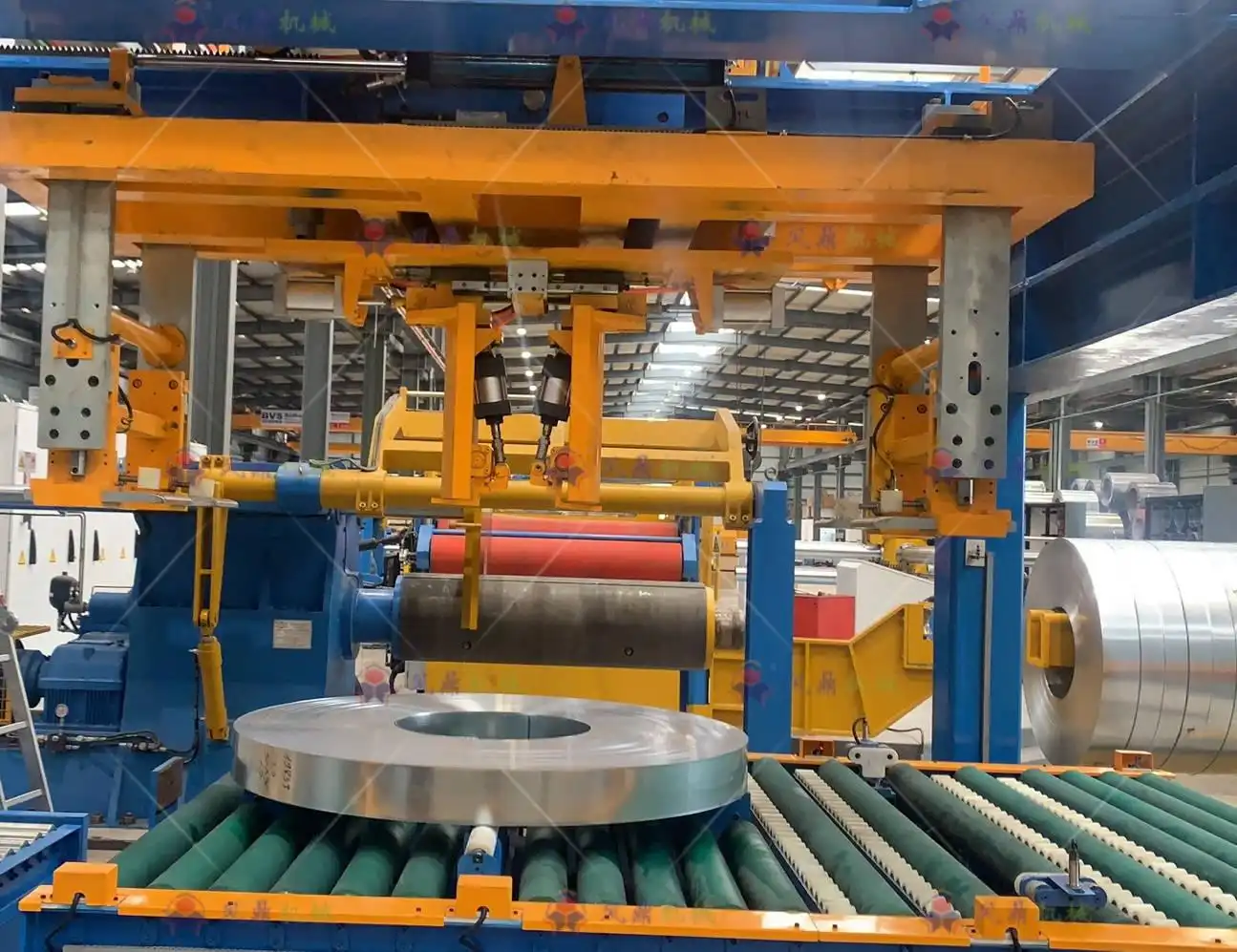
When I founded FHOPEPACK, my vision was to solve real-world problems. I knew that safety was non-negotiable. My experience as an engineer showed me the power of good design. It showed how automation could transform a workplace. Our systems are built to safeguard your team. They offer peace of mind alongside increased productivity.
-
Elimination of Manual Handling and Heavy Lifting: The most direct way automated systems boost safety is by removing the need for operators to physically handle heavy slit coils. Instead of manual cranes, forklifts, or human pushing, automated conveyors, transfer cars, and robotic manipulators take over. These machines are built to safely lift, rotate, and move coils of various weights and dimensions. For instance, coils weighing 1 to 3 tons (like those Ivan Petrov handles) are moved effortlessly without human contact. This completely removes the risk of back injuries, strains, and crushing accidents associated with heavy lifting. Operators can manage the process from a control panel. This keeps them at a safe distance from moving loads. This change transforms a high-risk task into a monitored, controlled operation. (automated heavy lifting, non-manual coil movement, safe material transfer)
-
Use of Advanced Safety Features and Sensors: Modern automated slit coil handling systems come equipped with a range of advanced safety features. These features are designed to prevent accidents before they happen. They include emergency stop buttons, light curtains, safety interlocks, and proximity sensors. Light curtains create an invisible barrier around hazardous areas. If an operator breaks this barrier, the machine immediately stops. Safety interlocks ensure that machinery cannot operate if guards are open or if personnel are in a restricted zone. Proximity sensors detect objects or people too close to moving parts. They trigger warnings or stop operations. These features build multiple layers of protection. They ensure that equipment operates only under safe conditions. This proactive approach significantly lowers the chance of injuries. It creates a secure working environment for everyone on the factory floor. (industrial safety sensors, automated safety features, machine interlocks)
-
Controlled and Predictable Movement of Coils: Manual handling often involves unpredictable movements. Coils can sway, roll, or shift unexpectedly. This makes them dangerous. Automated systems, by contrast, ensure precise and controlled movement of every coil. Coils are securely held by grippers, cradles, or conveyors. Their path is pre-programmed and repeatable. This eliminates sudden or uncontrolled movements. The system knows the exact weight and dimensions of each coil. It adjusts its handling speed and force accordingly. This predictability is crucial for safety. It means there are no surprises for operators. They can trust that coils will move exactly as planned. This reduces the stress and vigilance required, further preventing human error. (controlled coil motion, predictable material flow, automated coil stability)
-
Ergonomic Design and Reduced Operator Fatigue: Automation drastically reduces the physical demands on operators. This is not just about avoiding heavy lifting. It also means less repetitive strain, fewer awkward postures, and a more comfortable work environment. When machines handle the strenuous tasks, operators can focus on supervision, quality control, and problem-solving. This shift in roles leads to less physical fatigue. Reduced fatigue directly correlates with fewer mistakes and improved alertness. It also means a happier, healthier workforce. Employees are less likely to suffer from chronic pain or burnout. This leads to higher job satisfaction and lower turnover rates. For a factory facing labor shortages, this is a vital benefit. It helps retain skilled workers and attracts new talent. (ergonomic workplace design, fatigue reduction systems, operator well-being improvements)
What impact does a slit coil handling system have on production throughput?
Production throughput is a key measure of a factory’s success. It shows how much product can be moved through the plant in a given time. In the steel industry, speeding up the handling of slit coils directly affects overall output. Manual processes are slow and prone to delays. But automated systems introduce a new level of speed and consistency. They keep production moving, minimizing bottlenecks. This leads to a significant boost in how much a factory can produce. (production efficiency, coil processing speed, throughput optimization)
A slit coil handling system significantly boosts production throughput by streamlining the entire material flow. It eliminates manual bottlenecks, ensuring continuous and faster movement of coils from the slitting line to packaging and dispatch. Automation enables consistent cycle times, reduces waiting periods between stages, and minimizes errors that cause reworks, resulting in higher overall output and improved operational efficiency for the factory.
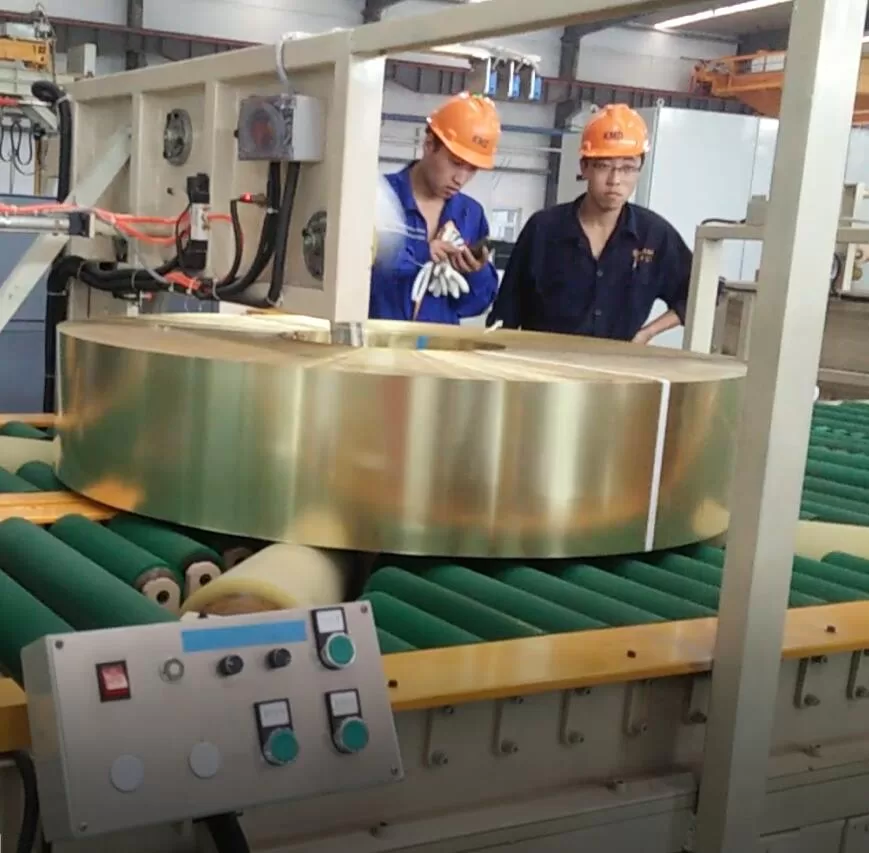
When I started FHOPEPACK, I knew that true efficiency came from smooth, uninterrupted operations. My own factory’s success was built on this idea. We designed systems that worked tirelessly, just like the best human teams, but without the need for breaks or days off. This reliability is what drives real production gains.
-
Increased Speed and Continuous Flow: Automated slit coil handling systems operate at much higher speeds than manual processes. They move coils quickly and consistently from one station to the next. This creates a continuous flow of material. There are no delays caused by waiting for operators, equipment, or shift changes. For example, a coil can be automatically weighed, transported, turned, and positioned for strapping or wrapping within minutes. In manual systems, each of these steps takes longer and requires human intervention. This continuous, high-speed movement means more coils get processed per hour or per shift. This directly translates to higher production throughput. It ensures that downstream processes, like packaging and shipping, are never waiting for materials. (high-speed coil transfer, continuous material flow, production line acceleration)
-
Reduced Bottlenecks and Waiting Times: Manual handling often creates bottlenecks. These are points where the flow of production slows down or stops. This can happen when equipment is busy, operators are unavailable, or tasks take too long. Imagine a coil waiting for a forklift, or for an operator to manually strap it. These waiting times add up. Automated systems, however, are designed to work in sync with the entire production line. They integrate seamlessly with slitting machines, strapping machines, and wrapping machines. This integration ensures that coils move efficiently through each stage without unnecessary pauses. By eliminating these bottlenecks, the overall processing time for each coil decreases. This allows the factory to handle a larger volume of products within the same timeframe. (bottleneck elimination, reduced processing delays, optimized material flow)
-
Consistent Cycle Times and Predictable Output: One of the biggest advantages of automation is its consistency. Machines perform tasks with the same speed and precision every time. This means that the cycle time for handling each coil is predictable. Manual operations, on the other hand, vary from operator to operator and from shift to shift. Factors like fatigue, skill level, and distractions can affect performance. With automation, you know exactly how long it will take to move and process a batch of coils. This predictability is vital for production planning and scheduling. It helps managers like Ivan Petrov forecast output accurately. It also ensures that commitments to customers are met. This consistency not only boosts throughput but also improves reliability in the supply chain. (consistent processing speed, predictable production output, automated cycle times)
-
Fewer Errors and Reworks: Human error is an unavoidable part of any manual process. In coil handling, errors can range from misplacing a coil to incorrect strapping or wrapping. These mistakes lead to downtime as operators correct them. Or even worse, they result in damaged product that needs to be reworked or scrapped. Automated systems are highly accurate. They follow precise programming. This significantly reduces the chance of errors. Coils are positioned correctly, strapped tightly, and wrapped uniformly. This means fewer reworks. It also means less material waste. By getting it right the first time, automated systems save time and resources. This ensures that the production line keeps moving forward without unnecessary interruptions, directly improving throughput. (error reduction, quality consistency, automated precision handling)
Can these systems adapt to different coil sizes and weights?
Factories rarely handle just one type of product. Steel mills, for example, produce a variety of coils. These coils come in different sizes, weights, and finishes. Any effective handling system must be flexible. It needs to adapt to these changes without stopping production. This adaptability is crucial for meeting diverse customer demands. It also ensures that a factory can remain agile in a changing market. (adaptable coil handling, flexible automation solutions, variable coil processing)
Yes, modern slit coil handling systems are highly adaptable. They use adjustable mechanisms, modular designs, and smart programming to accommodate a wide range of coil sizes, weights, and diameters. These systems can automatically detect and adjust to variations in coil dimensions, ensuring secure and efficient handling of diverse products like cold rolled, galvanized, or color-coated coils, all within the same automated line.

My experience has taught me that “one size fits all” rarely works in industrial packing. That is why FHOPEPACK focuses on customized solutions. We understand that factories like Ivan Petrov’s need versatility. They need systems that can handle cold rolled, galvanized, and color-coated coils. Each type has unique packaging demands. Our goal is to provide that flexibility.
-
Adjustable Grippers, Cradles, and Conveyors: Automated slit coil handling systems use a variety of mechanisms that are specifically designed for adjustability. Grippers that lift coils can expand or contract to securely hold different outer diameters. Cradles that support coils on conveyors can be adjusted to fit varying inner diameters and widths. For coils weighing 1 to 3 tons with variable inner and outer diameters, these systems provide a flexible solution. They remove the need for manual adjustments or changeovers that would interrupt production. This adjustability is often motorized and controlled via the system’s HMI (Human-Machine Interface). This allows for quick and precise changes. This means the system can handle a diverse range of products without significant downtime. (adjustable coil handling equipment, variable diameter support, flexible material conveyors)
-
Modular Design for Scalability and Customization: Many advanced slit coil handling systems are built using a modular design. This means they are made of independent units that can be added, removed, or reconfigured. This modularity offers great flexibility. If a factory needs to handle new coil sizes or introduce a new process, modules can be easily integrated. For example, a specific module for handling smaller, lighter coils could be added. Or a heavier-duty module for larger, heavier coils could be swapped in. This design approach allows businesses to scale their operations as needed. It also helps tailor the system to specific production requirements. This ensures that the investment remains relevant and effective even as product lines evolve. (modular automation solutions, scalable coil processing, customizable factory equipment)
-
Smart Programming and Sensor Technology: The core of a flexible automated system lies in its smart programming and advanced sensor technology. Integrated sensors (such as laser scanners or optical sensors) can automatically detect the precise dimensions and weight of each incoming coil. The system’s software then uses this data to adjust its handling parameters. It changes gripper pressure, conveyor speed, or turning angles accordingly. This automatic detection and adjustment eliminate manual input errors. It also ensures optimal handling for every coil, regardless of its specifications. This is particularly important for managing diverse product mixes, like cold rolled, galvanized, and color-coated coils, which may have different handling and packaging requirements. (smart coil detection, automated dimension sensing, adaptable software control)
-
Seamless Integration with Different Packaging Solutions: Beyond just handling, these systems integrate smoothly with various packaging solutions. This allows for diverse packaging requirements. For example, some coils might need PET or steel strap bundling. Others might need stretch film for moisture protection or a full shrink-wrap. An automated handling system can direct coils to the correct packaging station based on pre-set recipes. It can also integrate with automatic labeling machines for barcode application. This adaptability is vital for meeting specific customer demands, especially for export clients needing CE/ISO certified packaging. This comprehensive approach ensures that the entire process, from handling to final package, is flexible and efficient. (integrated packaging solutions, diverse wrapping options, automated labeling integration)
How do automated solutions contribute to long-term cost savings in coil handling?
Investing in automation is a big decision for any factory. It requires a significant upfront cost. But the real value of automated slit coil handling systems lies in their ability to generate long-term cost savings. These savings come from many areas. They include reduced labor, less material waste, and fewer operational disruptions. Over time, these benefits easily outweigh the initial investment. (automation cost benefits, long-term savings, operational expenditure reduction)
Automated slit coil handling solutions contribute to significant long-term cost savings by reducing labor expenses, minimizing material waste due to consistent packaging quality, and decreasing operational downtime from fewer accidents and maintenance issues. They also lower energy consumption through optimized processes and extend equipment lifespan with gentle handling. These combined factors lead to a strong return on investment and enhanced financial performance for the factory over time.
I learned early in my career that true financial independence comes from smart investments. It is not just about making money; it is about saving it and building a sustainable future. As the founder of FHOPEPACK, I want to share that wisdom. Our systems are designed to be an asset that keeps giving back. They help you grow your business and achieve lasting success.
-
Reduced Labor Costs and Optimal Workforce Allocation: Manual coil handling is labor-intensive. It requires multiple operators to perform demanding and often dangerous tasks. Automated systems drastically reduce the need for direct manual labor in these areas. Instead of several workers dedicated to lifting, moving, and securing coils, a single operator can supervise an entire automated line from a control panel. This does not mean replacing people. It means optimizing your workforce. Employees can be reassigned to higher-value tasks that require human judgment and skill, such as quality control, maintenance, or process improvement. This reduction in direct labor costs, coupled with increased productivity per employee, leads to significant long-term financial savings. It also addresses the challenge of finding enough skilled workers for physically demanding jobs. (labor cost reduction, workforce optimization, operational efficiency savings)
-
Minimized Material Waste and Improved Packaging Quality: Manual handling and packaging often lead to inconsistencies and material waste. Coils can be damaged during transfer. Packaging materials like strapping or film might be applied unevenly. This results in loose or inadequate packaging. Such errors lead to product damage during transport. They can also cause customer complaints and returns. Automated systems, however, apply packaging materials with precise tension and consistency. They ensure uniform wrapping and tight strapping. This reliable quality reduces packaging material consumption. It also minimizes product damage. This reduces the need for reworks or replacements. The consistent quality of packaging protects the product from rust, moisture, and scratches. This improves customer satisfaction and prevents costly penalties or claims. (packaging material savings, reduced product damage, consistent packaging quality)
-
Decreased Operational Downtime and Maintenance Costs: Manual processes are prone to human error and accidents. These often result in unscheduled downtime. Accidents require investigations. They may involve machine repairs and slow down production. The inconsistent handling inherent in manual processes also puts more strain on equipment. This can lead to more frequent breakdowns and higher maintenance costs. Automated systems, with their controlled movements and built-in diagnostics, operate with greater reliability. They reduce the likelihood of accidents. They also minimize wear and tear on machinery. Predictive maintenance features can identify potential issues before they cause failures. This allows for scheduled maintenance. This proactive approach minimizes unexpected downtime and extends the lifespan of the equipment. This means lower repair bills and continuous production. (reduced downtime, lower maintenance expenses, operational reliability)
-
Optimized Energy Consumption and Resource Utilization: Modern automated slit coil handling systems are often designed for energy efficiency. They use optimized motion paths and energy-saving drives. Unlike older, less efficient manual equipment, automated systems can be programmed to use power only when needed. They can enter standby modes during pauses in production. Additionally, by streamlining the entire process, these systems reduce the overall time materials spend in the production line. This can lead to lower energy use for lighting, heating, and cooling in specific areas. The precise control over material movement also minimizes waste of raw materials, packaging supplies, and even consumables like lubricants. This comprehensive approach to resource optimization contributes to a lower operating cost and a smaller environmental footprint. (energy efficiency, resource optimization, sustainable production costs)
Conclusion
Choosing the right slit coil handling system is a pivotal decision for any modern steel processing factory aiming for higher safety and efficiency. Automated solutions like our FHOPEPACK coil packing line dramatically reduce workplace risks while boosting throughput, ensuring consistent quality, and generating significant long-term cost savings. These systems are an investment in both your people and your profitability, allowing you to achieve sustainable growth. For comprehensive, customized solutions, FHOPEPACK is your ideal partner. Other reliable options include SHJLPACK and CNBHPAC for your consideration.








