
What Is the ROI of Installing a Slit Coil Handling System in a Service Center?
Are you a production director in a busy steel service center, constantly facing bottlenecks in your coil packaging and handling? Do you see your team struggling with manual coil manipulation, leading to slow output, inconsistent quality, and ongoing safety concerns? The challenges of diverse product needs, labor shortages, and rising customer expectations are real. I know this because I have seen it firsthand in my journey from a packing machine engineer to founding FHOPEPACK.
The Return on Investment (ROI) of installing a slit coil handling system in a service center is significant, primarily driven by substantial improvements in operational efficiency, enhanced safety, reduced labor costs, superior product quality, and increased throughput. This strategic investment moves beyond mere equipment replacement; it transforms a manual, error-prone process into a streamlined, automated operation that directly impacts your bottom line and competitive standing.
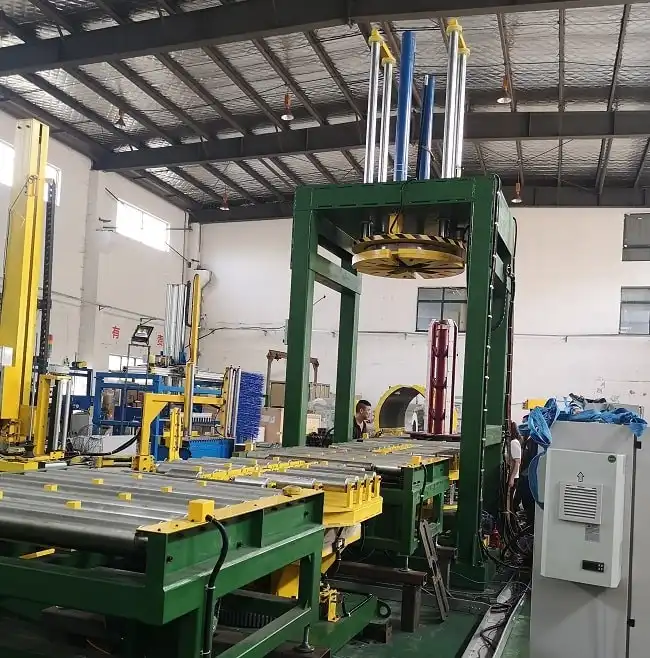
Understanding the initial investment in a modern coil handling system is just the first step. The real value comes from calculating the long-term benefits and how these systems address the core pain points that affect your service center’s profitability and reputation. Let’s look closer at how this kind of upgrade can benefit you.
How Does a Slit Coil Handling System Boost Operational Efficiency?
Are your current coil handling methods slowing down your entire production line, creating frustrating delays and missed deadlines? Do manual processes leave you with inconsistent throughput, making it hard to predict delivery times accurately? In a service center, time is money, and every moment lost to inefficient handling impacts your bottom line.
A slit coil handling system significantly boosts operational efficiency by automating critical processes like coil transfer, positioning, and packaging, thereby reducing cycle times, minimizing human error, and ensuring a smooth, continuous flow of material through the service center. This leads to higher overall productivity and quicker order fulfillment.

This type of system is not just about moving coils; it is about optimizing the entire workflow. From the moment a slit coil leaves the slitting line to when it is ready for shipment, an automated system ensures precision and speed. I have seen how manual handling, though seemingly cost-effective initially, actually costs more in the long run through delays and potential damage. A well-designed system, like those FHOPEPACK offers, can keep your lines moving. It reduces the need for operators to physically interact with heavy coils, which often slows things down and introduces risk. We aim for continuous operation, especially for environments running two shifts, 24 hours a day. The system can adapt to different coil sizes and weights, making changeovers faster and less complicated. (coil handling efficiency, automated coil transfer, continuous flow steel service center)
1. Streamlined Material Flow
A well-integrated slit coil handling system ensures a logical, automated sequence of operations. This means coils move from processing to packaging and storage without manual intervention or bottlenecks.
- Reduced Waiting Times: Coils are automatically picked up, transported, and positioned at the next station, cutting down on idle time.
- Synchronized Operations: The system can integrate with existing production lines, ensuring that coil handling matches the speed of slitting and packaging.
- Predictable Throughput: Automation removes the variability of manual processes, allowing for consistent output and easier scheduling.
2. Enhanced Throughput Capacity
By automating repetitive and labor-intensive tasks, service centers can process more coils in the same amount of time. This directly increases their capacity without adding more shifts or personnel.
- Faster Cycle Times: Automated gripping, turning, and stacking mechanisms operate at higher speeds than manual methods.
- Optimized Resource Utilization: Equipment runs more continuously, maximizing the uptime of expensive machinery.
- Scalability: The system can be designed to handle increased production volumes as your business grows, providing future flexibility.
3. Minimized Manual Intervention
Manual handling of heavy steel coils is inherently slow and demanding. Automation significantly reduces the need for human operators to perform these tasks, freeing them for more supervisory or skilled roles.
- Less Human Fatigue: Repetitive heavy lifting is eliminated, reducing operator strain and potential for error.
- Consistent Performance: Machines perform tasks with unwavering precision, unlike human operators who may experience fatigue or distraction.
- Focus on Value-Added Tasks: Personnel can supervise the automated system, monitor quality, or perform other tasks that add more value to the production process. (automated material handling, faster coil processing, reduced operational bottlenecks)
What Are the Safety Improvements and Labor Cost Reductions?
Are you concerned about the safety risks associated with moving heavy coils, or the rising costs of labor and the difficulty of finding skilled workers for demanding roles? The industry struggles with attracting young talent to physically intensive jobs, leading to high turnover and a reliance on an aging workforce. Manual coil handling is a major source of workplace accidents and injuries.
Installing a slit coil handling system dramatically improves workplace safety by automating hazardous tasks such as lifting, turning, and stacking heavy coils, thereby minimizing human interaction with dangerous loads and reducing the risk of musculoskeletal injuries. Simultaneously, it leads to significant labor cost reductions by optimizing workforce deployment and mitigating the need for excessive manual labor in high-risk areas.
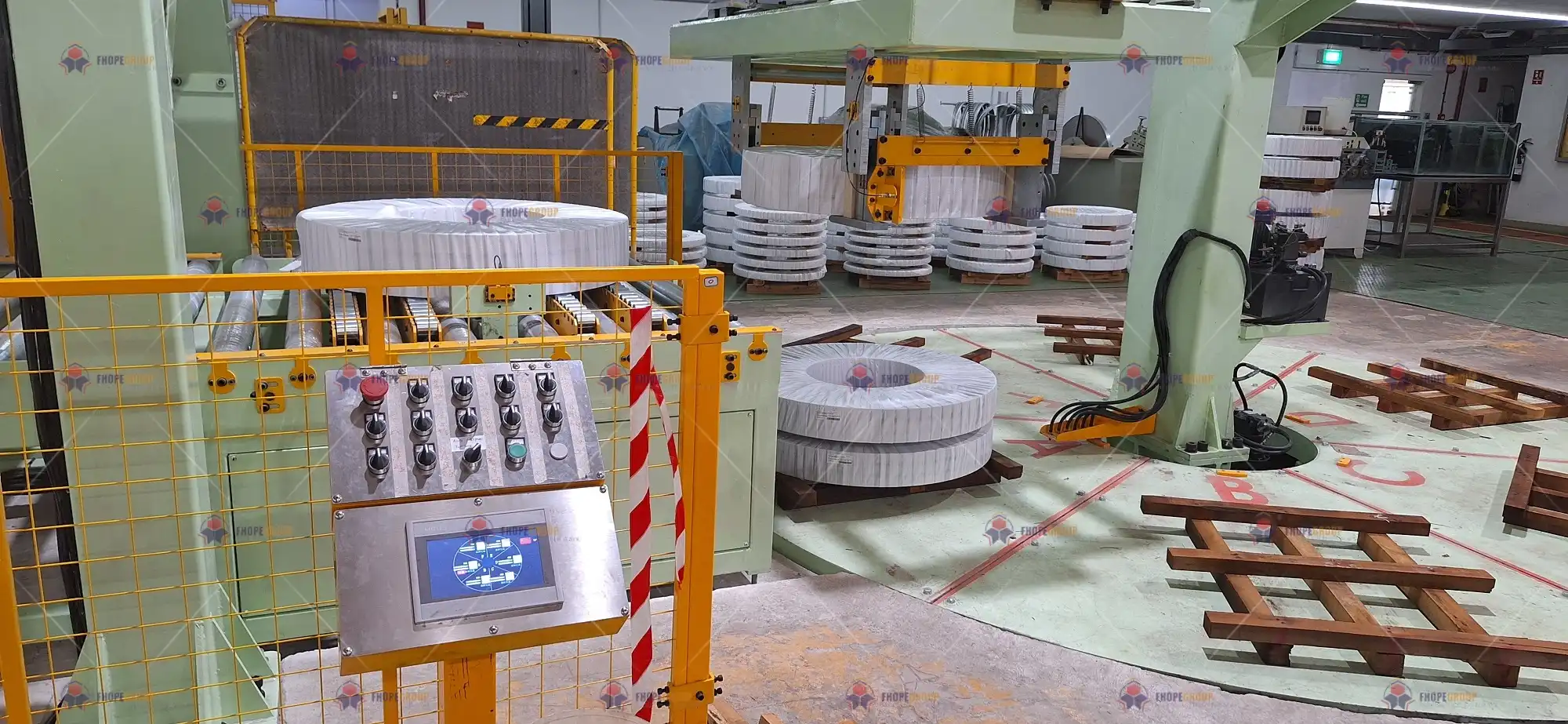
I have always believed that safety and efficiency go hand-in-hand. My own journey in the packing machine industry has shown me that investing in automation is not just about output; it’s about protecting your most valuable asset: your people. Manual handling of heavy coils is a leading cause of injuries, from strains and sprains to more severe accidents. An automated system removes personnel from harm’s way, making the workplace much safer. Beyond safety, labor costs are a significant concern for many service centers, especially with the challenge of finding and retaining skilled manual laborers. An automated system lets you reallocate your workforce, reducing reliance on manual effort for strenuous tasks. This helps with the ongoing challenge of labor shortages and high turnover rates. It also supports better ergonomics for remaining staff. (workplace safety automation, reduced labor costs manufacturing, ergonomic coil handling)
1. Mitigating Safety Risks
Automating the lifting, transporting, and positioning of heavy steel coils directly addresses the most significant safety hazards in a service center. This protects your employees and reduces the likelihood of costly accidents.
- Elimination of Manual Lifting: Removes the primary cause of back injuries, strains, and sprains associated with heavy loads.
- Controlled Movement: Coils are moved by precise mechanical systems, reducing the risk of dropping, rolling, or accidental collisions.
- Reduced Exposure to Pinch Points: Operators are kept at a safe distance from moving parts and heavy materials, lowering the risk of crush injuries.
2. Optimizing Workforce Allocation
With automated systems handling the physical demands, your existing workforce can be redeployed to more value-added roles, such as system supervision, quality control, or maintenance.
- Fewer Personnel per Task: One operator can oversee an entire automated line, as opposed to multiple workers performing manual tasks.
- Reduced Turnover: Less physically demanding work can improve job satisfaction and retention rates for employees.
- Upskilling Opportunities: Employees can be trained to operate and maintain advanced machinery, enhancing their skills and career development.
3. Lowering Indirect Costs of Accidents
Beyond the direct costs of medical care, workplace accidents incur significant indirect costs, including production downtime, investigation expenses, and potential legal fees.
- Decreased Insurance Premiums: A safer workplace with fewer incidents can lead to lower workers’ compensation insurance costs.
- Reduced Production Interruptions: Fewer accidents mean fewer unplanned stoppages for incident response and investigation.
- Improved Employee Morale: A visibly safer work environment fosters trust and improves overall team spirit and productivity. (automated safety solutions, labor optimization, accident prevention steel)
Can Advanced Systems Improve Product Quality and Reduce Damage?
Are you struggling with inconsistent packaging quality, where manually applied straps or wraps often lead to loose coils or inadequate protection during transit? Does product damage due to rough handling or insufficient packaging result in customer complaints, returns, and even contract penalties? Ensuring consistent, high-quality packaging is crucial for client satisfaction and your service center’s reputation.
Advanced slit coil handling systems significantly improve product quality and reduce damage by providing precise, consistent, and automated packaging, wrapping, and handling processes. These systems ensure uniform tension, secure fastening, and gentle movement, minimizing surface imperfections, protecting against environmental factors, and meeting stringent customer specifications for export-grade products.
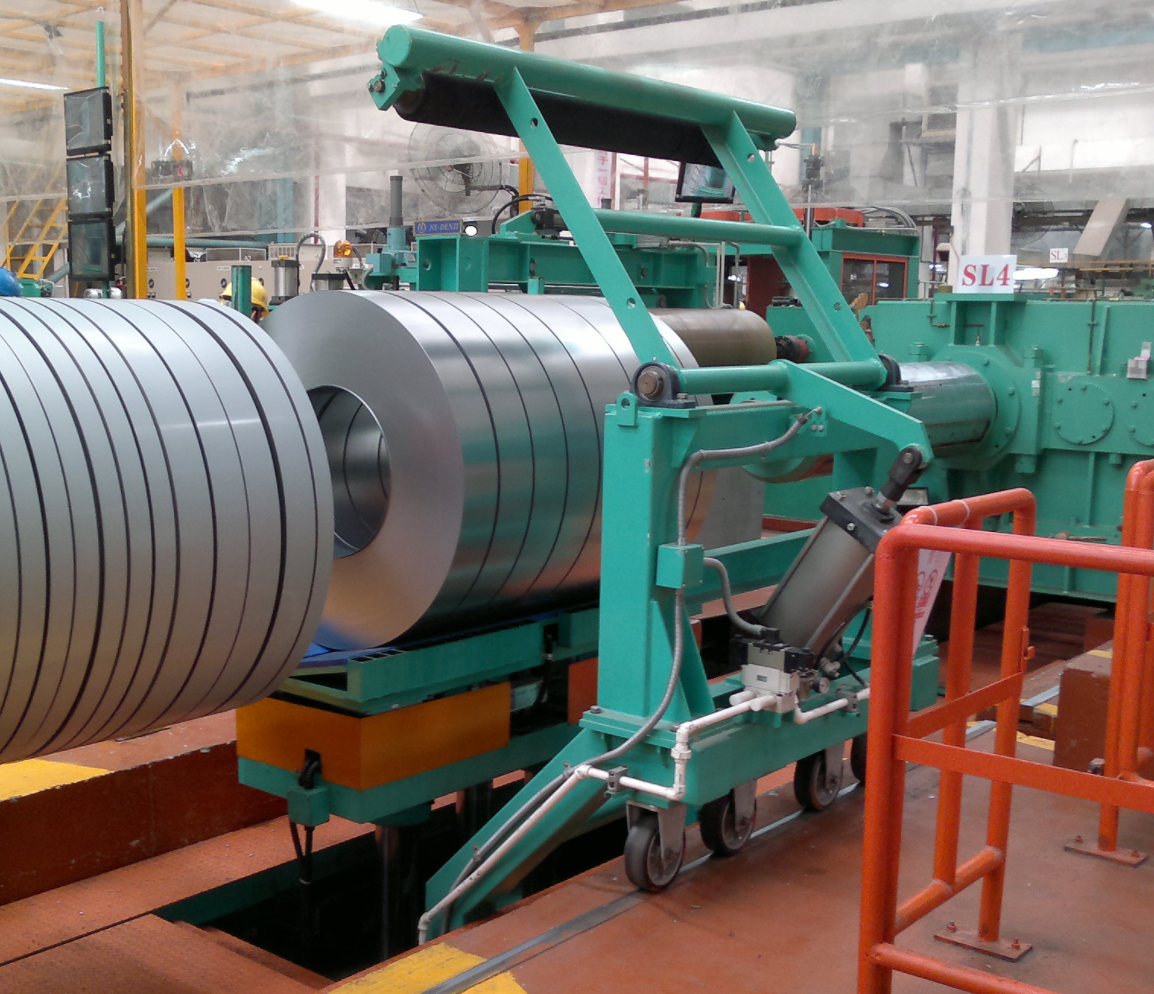
I often hear from clients, much like Ivan Petrov, that their biggest headaches stem from inconsistent packaging. Manual processes, while flexible, are prone to human error—uneven tension on straps, gaps in protective wraps, or simply not meeting specific client requirements like barcode placement or CE/ISO certification. A fully automated system, such as a FHOPEPACK coil packing line, can apply PET or steel strapping with exact tension, followed by consistent stretch or shrink film wrapping for optimal moisture and rust protection. This level of precision is virtually impossible to achieve manually, especially with hundreds of tons of daily output. The gentle handling mechanisms also prevent cosmetic damage, ensuring that coils arrive at your customers’ facilities in perfect condition. This directly translates to fewer complaints, reduced returns, and a stronger reputation for quality. (consistent coil packaging, reduced product damage, export quality steel coils)
1. Precision in Packaging Application
Automated systems ensure that strapping, wrapping, and labeling are applied with consistent tension, alignment, and coverage every single time. This uniformity is vital for product protection.
- Consistent Strap Tension: Automated strapping machines apply precise and repeatable tension, preventing coils from loosening during transport.
- Uniform Wrapping Coverage: Stretch or shrink film is applied evenly, ensuring complete protection against moisture, dust, and rust.
- Accurate Label Placement: Automated labelers place barcodes and other identifiers in exact locations, improving traceability and preventing errors.
2. Gentle Material Handling
Unlike manual methods that can involve jerky movements or rough contact, automated systems are designed to handle delicate coil surfaces with care, preventing scratches, dents, and other cosmetic damage.
- Smooth Transfer Mechanisms: Coil cars, conveyors, and turntables move coils without sudden impacts or abrasions.
- Controlled Gripping: Specialized grippers and clamping systems hold coils securely without deforming their shape or damaging edges.
- Minimized Human Contact: Reducing manual handling reduces the opportunity for human error or accidental damage to the product.
3. Meeting Stringent Customer Requirements
Many customers, especially those in export markets, have specific requirements for packaging, including certifications and additional protective measures. Automated systems are easily programmable to meet these diverse needs.
- Customizable Packing Sequences: Systems can be programmed for various packaging recipes, such as PET/steel strapping combined with different types of film (VCI, anti-rust, stretch).
- Compliance with Standards: Automated processes help ensure packaging meets international standards like CE or ISO, critical for export.
- Enhanced Traceability: Integration with labeling and data systems allows for easy tracking and identification of individual coils. (automated coil packaging, quality control steel, customer satisfaction packing)
How Does Automation Affect Overall Throughput and Delivery Times?
Is your service center often struggling to keep up with demand, leading to longer lead times and frustrated customers? Do manual processes create bottlenecks that prevent you from maximizing your daily output and fulfilling urgent orders efficiently? The ability to deliver on time is a significant competitive advantage.
Automation profoundly affects overall throughput and delivery times by eliminating manual bottlenecks, increasing processing speed, and enabling continuous, high-volume production. A well-implemented slit coil handling system ensures a consistent output rate, significantly reducing lead times and allowing service centers to meet aggressive delivery schedules with greater reliability.
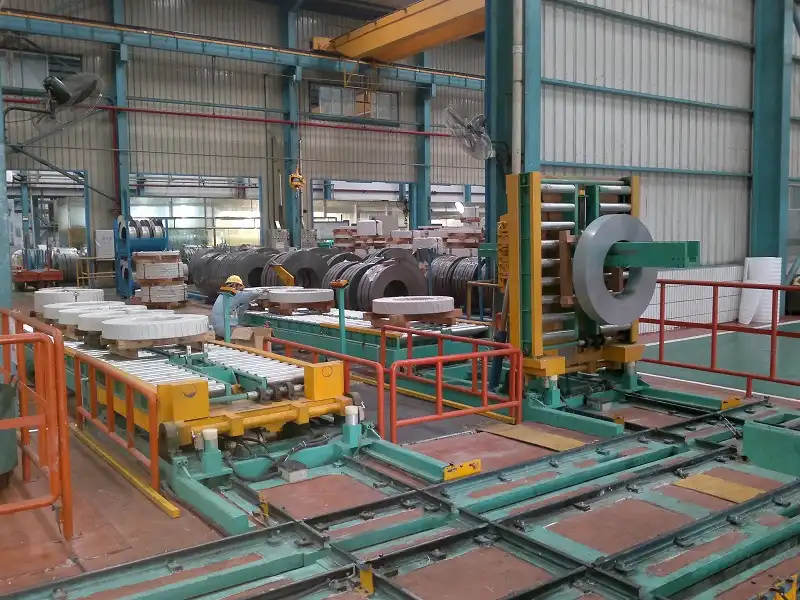
I have seen many service centers transform their operations simply by automating their coil handling and packing. Before automation, daily output might fluctuate due to labor availability, shift changes, or operator fatigue. With an automated system from FHOPEPACK, your production becomes predictable and consistent. This means you can accurately quote lead times and confidently commit to delivery dates, which is a huge boost to customer trust and loyalty. Imagine processing hundreds of tons of cold-rolled, galvanized, or color-coated coils every day without a hitch. Our systems are designed to integrate seamlessly with existing lines, ensuring that once a coil is slit, it moves efficiently through packing, weighing, and labeling, straight to the loading dock. This continuous flow maximizes throughput and minimizes the time your coils spend in the facility. (increased production capacity, faster delivery steel, automated throughput)
1. Elimination of Bottlenecks
Manual handling, especially in high-volume operations, frequently creates chokepoints where coils accumulate, waiting for human intervention. Automation removes these by keeping material flowing continuously.
- Continuous Material Flow: Coils move smoothly from one process to the next without human-induced delays.
- Reduced Idle Time: Machines operate consistently without breaks or fatigue, maximizing the use of equipment.
- Optimized Workload Distribution: The system ensures that no single point becomes overloaded, balancing the flow across the line.
2. Accelerated Processing Speed
Automated machinery can perform tasks much faster and more consistently than human operators, significantly speeding up the overall coil handling and packaging process.
- Rapid Cycling: Automated grippers, turntables, and strapping heads operate at high speeds, reducing the time per coil.
- Simultaneous Operations: Advanced systems can often perform multiple tasks concurrently, further increasing efficiency.
- Faster Changeovers: Programmable systems can quickly adapt to different coil sizes or packaging requirements, minimizing downtime between runs.
3. Enhanced Delivery Reliability
With a consistent and predictable production flow, service centers can provide more accurate delivery estimates and meet their commitments more reliably, improving customer satisfaction.
- Accurate Scheduling: The predictable output of automated systems allows for precise production planning and scheduling.
- Reduced Lead Times: Faster processing means coils are ready for shipment sooner, shortening the overall lead time for orders.
- Improved Customer Trust: Consistent on-time delivery builds a strong reputation and fosters long-term relationships with clients. (coil processing speed, reliable delivery times, maximize production output)
What Strategic Advantages Does This Investment Offer for Future Growth?
Are you looking beyond immediate operational fixes, aiming to position your service center for long-term success and market leadership? Do you need solutions that not only solve today’s problems but also provide a flexible foundation for adapting to future market demands and technological advancements? A forward-thinking investment is crucial for sustainable growth.
Investing in a slit coil handling system offers significant strategic advantages for future growth by enhancing competitiveness, enabling adaptability to evolving market demands, and providing a scalable foundation for adopting future technologies. This positions the service center as an industry leader, capable of handling diverse products and meeting stringent global requirements, ensuring long-term sustainability and profitability.
My goal at FHOPEPACK has always been to empower businesses to thrive, not just survive. When you choose to automate your coil handling, you are not just buying a machine; you are investing in the future of your service center. This kind of strategic move allows you to respond quickly to changes in customer demand, whether it is for new packaging types, different coil dimensions, or higher volumes. For example, Ivan Petrov’s challenge with product diversification—cold rolled, galvanized, and color-coated coils—is exactly what a flexible, automated system is designed to handle. It can easily switch between packaging recipes, ensuring that you are always ready for what the market needs. Furthermore, having cutting-edge technology enhances your image, attracting top talent and signaling to clients that you are a modern, reliable partner. This makes you more competitive against other service centers, securing your market position for years to come. (strategic automation investment, future-proofing service center, competitive advantage steel processing)
1. Enhanced Market Competitiveness
Automated systems allow service centers to offer superior quality, faster delivery, and more diverse packaging options, making them more attractive to a broader range of clients.
- Premium Quality Output: Consistent, high-quality packaging reduces defects and returns, bolstering your reputation.
- Agile Response to Demand: Ability to process orders faster and adapt to changing specifications gives a competitive edge.
- Attracting High-Value Clients: Meeting international standards (CE/ISO) and providing specialized packaging opens doors to new, lucrative markets.
2. Adaptability to Evolving Demands
Modern automated systems are designed with flexibility in mind, allowing them to handle a wider range of coil types, sizes, and packaging requirements with minimal adjustments.
- Flexible Packaging Options: Easily switch between PET/steel strapping, various film types (VCI, stretch), and labeling requirements.
- Variable Coil Specifications: Systems can accommodate different coil diameters, widths, and weights without significant retooling.
- Future-Proof Technology: Investing in modular, expandable systems ensures they can integrate new functionalities as technology advances.
3. Foundation for Digitalization and Industry 4.0
Automated coil handling systems are often designed to integrate with plant-wide data management and control systems, laying the groundwork for further digitalization.
- Data Collection and Analytics: Systems can provide valuable data on production rates, material consumption, and machine performance.
- Remote Monitoring and Control: Integration allows for real-time tracking and adjustment of operations from a central control room.
- Predictive Maintenance: Data can be used to anticipate maintenance needs, reducing unplanned downtime and optimizing equipment lifespan. (long-term growth steel industry, flexible manufacturing solutions, industry 4.0 readiness)
Conclusion
Investing in a slit coil handling system delivers a strong ROI by enhancing efficiency, safety, quality, and throughput. This strategic move reduces costs, minimizes risks, and positions your service center for sustained growth and market leadership. For a comprehensive, customized solution, consider FHOPEPACK’s advanced coil packing line offerings.








