
How Can Pallet Flippers Improve Cleanroom Compliance?
Imagine your valuable products, manufactured under strict cleanroom conditions, suddenly exposed to contaminants from a dirty warehouse pallet. The thought alone can cause concern. This is a real problem for many businesses in industries like pharmaceuticals, food processing, and electronics. The risk of product recall, regulatory fines, and damaged brand reputation is high if contamination happens.
Pallet flippers significantly improve cleanroom compliance by enabling a sterile transfer of goods from external, potentially contaminated pallets to hygienic, cleanroom-approved pallets. They minimize manual handling and prevent external particulates and microbes from entering controlled environments, ensuring product integrity and regulatory adherence.
Understanding how to maintain the highest standards of cleanliness and efficiency in your cleanroom is crucial. We will explore exactly how these machines act as a critical bridge, safeguarding your production and streamlining your operations. Let’s look closer at the specific benefits.
Why is Pallet Hygiene Crucial in Cleanrooms?
Have you ever considered the invisible threats dirty pallets can bring into a sterile environment? The impact of poor pallet hygiene in a cleanroom can be devastating. This is not just about aesthetics; it is about protecting product safety and consumer health.
Pallet hygiene is crucial in cleanrooms to prevent the introduction of microbial, particulate, and chemical contaminants that can compromise product integrity, lead to costly recalls, and violate stringent industry regulations like GMP and ISO standards.
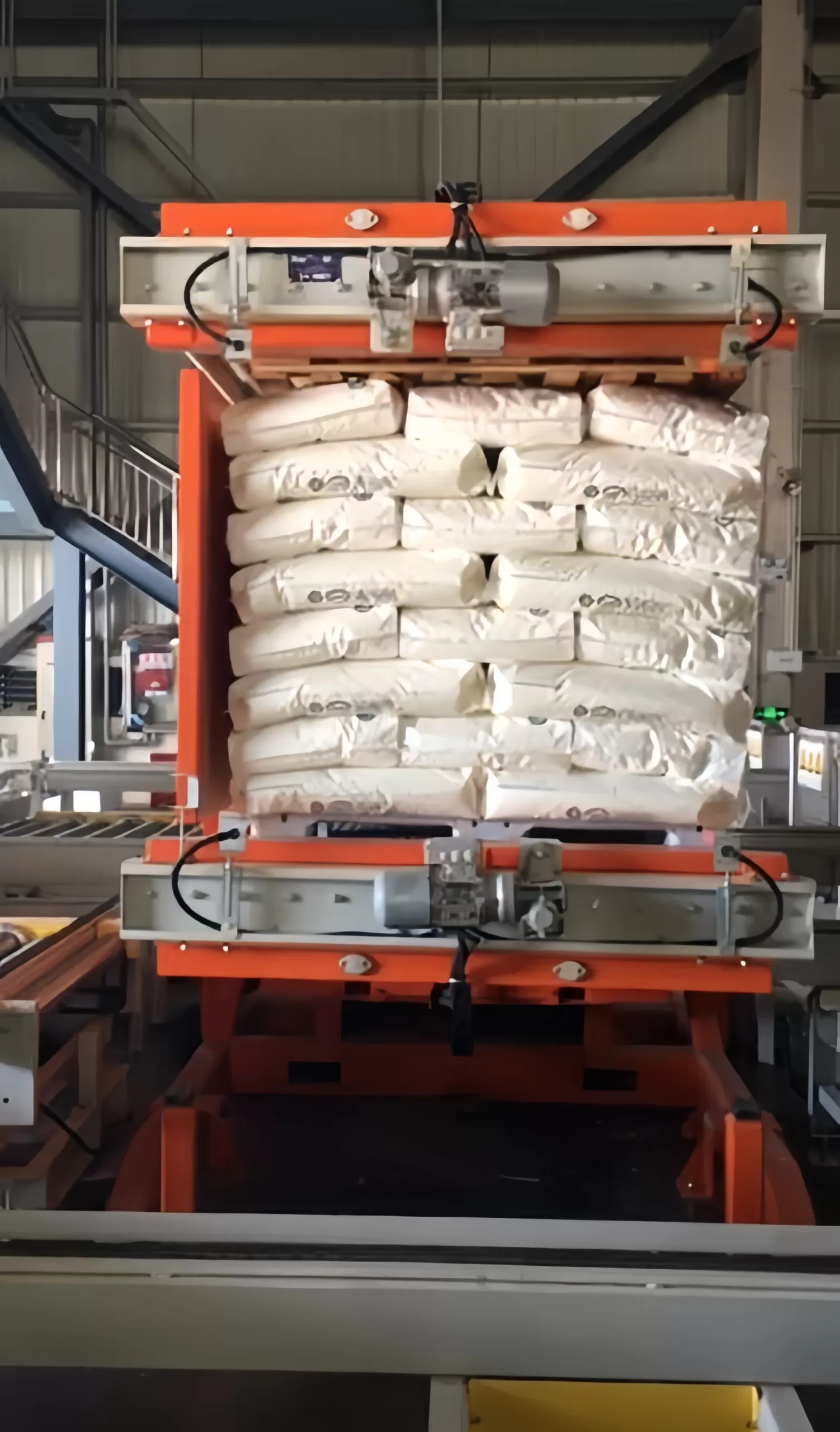
Cleanrooms operate under strict controls to limit airborne particles and prevent contamination. This makes every item entering the cleanroom a potential risk. Common warehouse pallets, especially those made of wood, can carry dust, splinters, bacteria, and even mold. When these pallets come near or enter a cleanroom, they can release these contaminants. This directly threatens the sterile environment. Products can get contaminated, which can lead to batch rejections or even public health issues. For example, in pharmaceutical manufacturing, even a small amount of external contamination can make a medicine unsafe. This is why maintaining excellent pallet hygiene is not just a good idea; it is a fundamental requirement. It protects your products, your brand, and your customers.
-
Understanding Contamination Risks:
- Particulate Contamination: Wooden pallets often shed splinters, sawdust, and general dust. These small particles can easily become airborne and settle on sensitive products or equipment within the cleanroom. In industries like semiconductor manufacturing, even microscopic particles can cause significant defects.
- Microbial Contamination: Pallets used in varied environments can harbor bacteria, fungi, and other microorganisms. These can thrive in damp conditions and easily transfer to sterile surfaces, leading to product spoilage or health risks. This is a critical concern for food processing and medical device companies.
- Chemical Contamination: Pallets might have traces of chemicals from spills or cleaning agents used in other areas. These chemicals can leach into cleanroom environments and affect product quality or safety. Ensuring that only clean, inert materials enter the clean zone is vital.
-
Regulatory Compliance and Standards:
- ISO Cleanroom Standards: International Organization for Standardization (ISO) sets standards for cleanroom classes (e.g., ISO 7, ISO 8). These standards define the maximum allowable particle count per cubic meter. Introducing dirty pallets can instantly violate these limits, making your facility non-compliant.
- Good Manufacturing Practice (GMP): GMP regulations, especially in pharma and food sectors, require robust contamination control measures. This includes managing all materials that come into contact with products. Pallets are part of this critical chain. Failure to meet GMP can lead to severe penalties, including facility shutdown or product seizure.
- Traceability and Audit Trails: In regulated industries, every process needs to be documented. Ensuring hygienic pallet transfer through automated systems provides a consistent, auditable process. This helps demonstrate compliance during inspections and audits. It also shows a commitment to product quality and safety.
-
Impact on Product Quality and Business:
- Product Degradation: Contamination can directly affect the quality, efficacy, or shelf life of products. For instance, in sterile packaging, even minor contamination can make the package unsafe for its intended use. This means product loss and waste.
- Financial Implications: The costs associated with contamination are high. These include product recalls, disposal of contaminated batches, regulatory fines, legal fees, and loss of sales. The damage to a company’s reputation can be long-lasting and difficult to repair.
- Customer Trust: Customers expect products from cleanroom environments to be of the highest quality and safety. Any breach in compliance can erode customer trust. This trust is hard to rebuild. Maintaining strict hygiene helps assure customers of your commitment to excellence. (Cleanroom Pallet Hygiene, Contamination Prevention, GMP Compliance)
How Do Traditional Pallet Handling Methods Fail Cleanroom Standards?
Many businesses still rely on old-fashioned ways to handle pallets. But these methods often fall short when dealing with strict cleanroom needs. They can introduce many problems, not solutions. This makes compliance a constant struggle.
Traditional pallet handling methods frequently fail cleanroom standards because they rely on dirty external pallets, involve extensive manual labor that increases human-borne contamination, and lack the controlled environment needed to prevent particulate and microbial ingress into sterile zones.
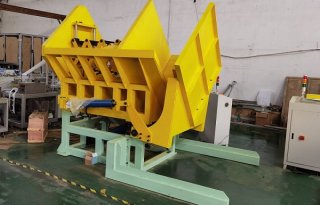
Think about a typical warehouse pallet. It has likely been exposed to countless environments, picking up dirt, dust, and microorganisms along the way. Bringing such a pallet directly into a cleanroom is a direct pathway for contaminants. Manually transferring goods from one pallet to another also creates a risk. Workers can introduce particles from their clothing or skin. There is also the risk of product damage during the transfer. This often leads to increased airborne particles in the cleanroom. These traditional methods are slow, labor-intensive, and prone to human error. They simply do not meet the high standards required for modern cleanroom operations. This often means more cleaning, more rejections, and higher operational costs.
-
Reliance on Non-Compliant Pallets:
- Wooden Pallets as Contaminant Carriers: Wood is porous and can absorb liquids, harbor bacteria, and shed fibers and splinters. These characteristics make wooden pallets highly unsuitable for cleanroom use. They are difficult to clean thoroughly and can become breeding grounds for microorganisms. Bringing them anywhere near a sterile zone is a significant contamination risk.
- Inconsistent Pallet Quality: Standard warehouse pallets vary widely in quality and cleanliness. You cannot guarantee that every pallet arriving at your facility meets internal cleanliness standards. This inconsistency poses a constant challenge. It requires careful inspection or rejection of many incoming pallets, slowing down operations.
- Cross-Contamination Potential: Using the same pallets for both raw materials and finished products, or between different production zones, creates a high risk of cross-contamination. This is especially true if pallets move from a non-sterile packaging area into a sterile cleanroom environment. Dedicated pallet systems are often overlooked.
-
Manual Handling Risks and Inefficiencies:
- Increased Human-Borne Contamination: Every time a human touches a product or a pallet, there is a risk of transferring skin particles, hair, or microbes. In a cleanroom, where personnel need to wear specialized garments, extensive manual handling increases the chance of garment tears or accidental exposure. This can directly compromise sterility.
- Ergonomic and Safety Concerns: Manually lifting and transferring heavy goods between pallets can lead to worker injuries. These include back strains, cuts, or crushed fingers. This not only causes harm to employees but also results in lost workdays and increased insurance costs. Such operations are not sustainable in high-volume settings.
- Time-Consuming and Inconsistent Processes: Manual pallet transfer is a slow process. It requires careful attention and physical effort. This can create bottlenecks in the production line, especially when dealing with high volumes. The quality of transfer can also vary between workers, leading to inconsistencies in product presentation or damage.
-
Lack of Environmental Control:
- Airborne Particle Generation: Moving items manually or using forklifts can stir up dust and other particles. In a cleanroom, this particle generation directly opposes the goal of maintaining a low particle count. Traditional methods often fail to control the air quality effectively during pallet transitions.
- Ineffective Isolation: Traditional methods often do not provide a clear separation between clean and dirty zones during pallet exchange. This means that contaminants from the outside can easily migrate into the cleanroom. Effective cleanrooms rely on strict airlocks and controlled entry points.
- Difficulty in Cleaning and Maintenance: Conventional material handling equipment, such as standard forklifts, is not designed for cleanroom use. They can harbor dirt and lubricants that are difficult to clean. This makes maintaining cleanroom standards a continuous uphill battle. (Traditional Pallet Methods, Cleanroom Failures, Manual Handling Risks)
What Types of Pallet Flippers Are Best for Cleanroom Environments?
When you aim for top cleanroom compliance, choosing the right equipment is key. Not all pallet flippers are made equal, especially when sterile environments are involved. The best choice can make a huge difference in your operations.
The best types of pallet flippers for cleanroom environments are those made from stainless steel, designed for easy washdown, and offering automated or semi-automated operation to minimize human intervention and prevent contamination. Options like 180-degree inline pallet changers are particularly effective.

For cleanrooms, the material and design of the pallet flipper are critical. Stainless steel construction (like 304 or 316 grade) is often preferred because it is non-porous, resistant to corrosion, and easy to clean and sanitize. This makes it ideal for preventing microbial growth and particle shedding. Machines should also have smooth surfaces and minimal crevices where dirt can accumulate. Automated or semi-automated models are superior because they reduce the need for manual contact, which is a major source of contamination. Systems like 180-degree inline pallet changers allow for a seamless transfer of goods from an incoming pallet to a clean, internal one, often at a designated “dirty-to-clean” interface. This ensures that only compliant pallets enter the controlled environment. At FHOPEPACK, we understand these critical needs and offer robust solutions designed for such exacting standards. We help clients like you achieve optimal cleanliness and efficiency.
-
Stainless Steel Construction:
- Material of Choice: For cleanrooms, 304 or 316-grade stainless steel is the preferred material for pallet flippers. This material is non-corrosive, highly durable, and does not shed particles. It can withstand harsh cleaning agents and frequent washdowns without degrading. This ensures long-term hygiene and structural integrity.
- Smooth, Non-Porous Surfaces: Stainless steel provides a smooth, non-porous surface that prevents bacteria from adhering and growing. It also makes cleaning and sanitizing much easier and more effective. Unlike painted or coated metals, stainless steel does not chip or peel, avoiding potential particle contamination.
- Compliance with Industry Standards: Many regulations in food, pharma, and medical device industries mandate the use of corrosion-resistant, easy-to-clean materials for equipment that interacts with products or operates in clean zones. Stainless steel pallet changers meet these strict requirements, simplifying compliance.
-
Washdown Design and Features:
- Easy to Clean: Pallet flippers for cleanrooms must be designed for thorough cleaning. This means having open frames, minimal enclosed areas, and components that can be easily accessed for washdown. Features like sloped surfaces can help water drain away, preventing puddles.
- IP Ratings: Look for machines with high Ingress Protection (IP) ratings for electrical components (e.g., IP65 or higher). This rating ensures that water and dust cannot penetrate and damage internal electronics during intense washdown procedures. It is crucial for maintaining operational reliability.
- Hygienic Components: All parts, including rollers, belts, and seals, should be made from hygienic materials that are resistant to microbial growth and suitable for food or pharmaceutical contact. This prevents any part of the machine from becoming a source of contamination.
-
Automation and Operation Types:
- Fully Automatic Pallet Flippers: These machines offer the highest level of contamination control by minimizing human interaction. They can be integrated directly into conveyor systems, automatically receiving an incoming pallet, transferring goods, and sending out a clean pallet. This setup creates a controlled and consistent process. FHOPEPACK offers excellent automatic solutions.
- Semi-Automatic Pallet Flippers: These require some operator input but still greatly reduce manual handling compared to traditional methods. They are a good balance between cost and automation. They often have safety interlocks and controlled movements that help maintain cleanroom integrity during the transfer.
- 90-Degree and 180-Degree Pallet Flippers:
- 90-Degree (Pallet Exchanger): Good for simply changing a pallet or rotating goods.
- 180-Degree (Pallet Inverter/Changer): Ideal for transferring products from one pallet type to another, especially from a potentially contaminated outside pallet to a hygienic inside pallet. This type creates a clear separation point, making it highly effective for cleanroom interfaces. SHJLPACK also provides effective 180-degree solutions. (Cleanroom Pallet Flippers, Stainless Steel Pallet Changers, Automated Pallet Transfer)
How Do Pallet Flippers Enhance Contamination Control?
Controlling contamination is the very core of cleanroom operation. Any breach can mean serious trouble. Pallet flippers offer a very direct and effective way to block these threats. They act as a critical gatekeeper for hygiene.
Pallet flippers enhance contamination control by creating a sterile barrier between external, dirty pallets and internal, cleanroom-compliant pallets. They automate the transfer process, drastically reduce manual handling, and prevent the introduction of particulates and microorganisms into sensitive manufacturing environments.
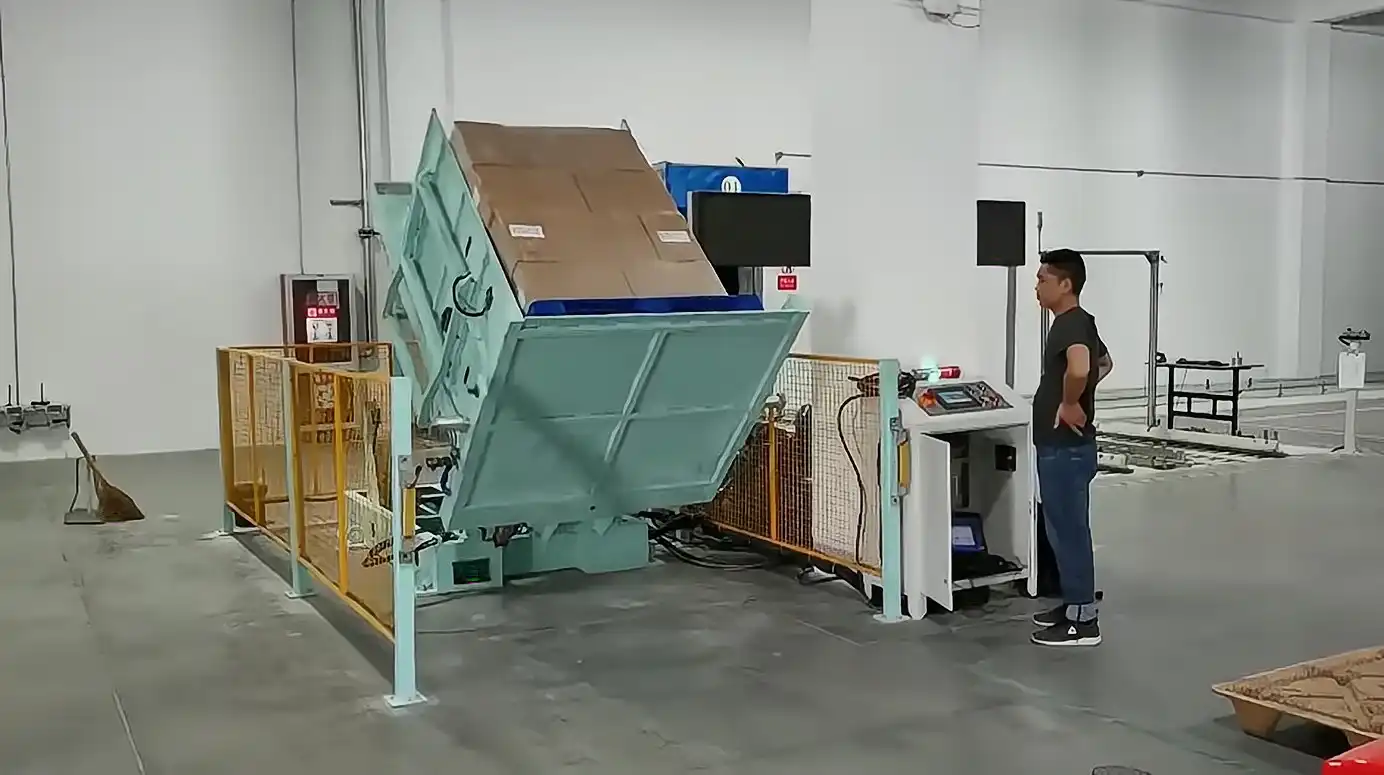
The most significant benefit of pallet flippers in cleanrooms is their ability to establish a clear “dirty” to “clean” transition zone. This means incoming goods, often on wooden or less hygienic pallets, never directly enter the clean environment. Instead, they are securely clamped by the flipper. Then, the product is inverted or tilted, allowing the old pallet to be removed and a fresh, sterile pallet to be introduced. This entire process happens in a controlled manner, preventing dust, fibers, and microbes from contaminating the cleanroom air or products. By automating this transfer, human contact is minimized, removing a primary source of contamination. This creates a much safer and more compliant cleanroom operation.
-
Creating a “Dirty-to-Clean” Interface:
- Defined Segregation Zones: Pallet flippers are perfect for setting up a clear boundary between an uncontrolled (dirty) area and a controlled (clean) area. Goods arrive in the dirty zone on standard pallets. They are then processed by the flipper at the interface. Only the product, now on a clean pallet, enters the cleanroom. This physical separation is vital for preventing contaminant migration.
- Air Shower Integration: Some advanced pallet flipper systems can be integrated with air showers or laminar flow hoods. As the product is transferred and rotated, it can pass through a controlled air stream. This helps to dislodge any remaining surface particles from the product or its immediate packaging before it enters the cleanest zone.
- Preventing Cross-Contamination: By ensuring that dirty pallets never cross the cleanroom threshold, pallet flippers eliminate a major pathway for cross-contamination. This is crucial for industries where even trace amounts of external substances can compromise product quality or consumer safety. It provides peace of mind.
-
Minimizing Human Contact and Intervention:
- Reduced Manual Handling: Every time a human touches a product or package, there is a risk of introducing contaminants like skin flakes, hair, or microbes. Pallet flippers automate the transfer, drastically cutting down on the need for manual lifting, repositioning, and cleaning. This directly reduces human-borne contamination.
- Consistent Process Execution: Machines perform tasks with higher consistency than humans. An automated pallet flipper will execute the transfer process in the same way every time. This ensures that contamination control protocols are strictly followed without variation due to human fatigue or oversight. This consistency is a hallmark of good manufacturing practice.
- Enhanced Operator Safety: While not directly about contamination, reducing manual handling also significantly improves worker safety. Less heavy lifting means fewer injuries. This, in turn, helps maintain a stable workforce, which contributes to overall operational consistency in the cleanroom.
-
Controlling Particulate and Microbial Ingress:
- Isolation of Contaminants: During the pallet exchange process, the pallet flipper often contains the goods. This helps isolate any dust or debris dislodged from the old pallet. This prevents these particles from becoming airborne and circulating within the cleanroom atmosphere. The design ensures minimal particle generation.
- Use of Hygienic Pallets: After the transfer, products rest on new, hygienic pallets. These are typically made of plastic or aluminum. They are non-porous, easy to clean, and do not shed particles. These clean pallets are then safe to enter the cleanroom without risking contamination from the pallet itself. This ensures that the foundation of your product stack is sterile.
- Closed-Loop Systems: In advanced setups, pallet flippers can be part of a closed-loop material handling system. Dirty pallets are automatically removed and sent for cleaning or external storage. Clean pallets are then introduced from a dedicated, sanitized supply. This ensures that the entire process is self-contained and contamination-free. (Contamination Control, Sterile Barrier, Reduced Manual Handling)
What Operational Efficiencies Do Pallet Flippers Bring to Cleanrooms?
Beyond just compliance, businesses always look for ways to work better and faster. Pallet flippers do more than just clean; they make your cleanroom operations much more efficient. This saves you time, money, and labor.
Pallet flippers bring significant operational efficiencies to cleanrooms by accelerating pallet exchange, reducing reliance on manual labor, minimizing product damage, and standardizing material handling processes. This results in faster throughput, lower operational costs, and improved overall productivity within a controlled environment.
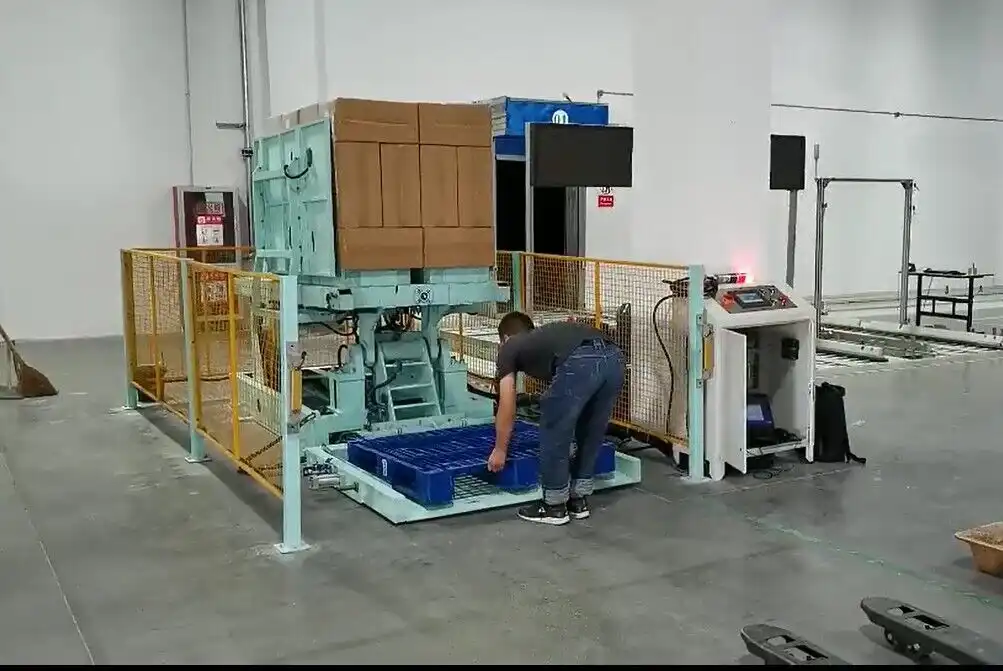
In fast-paced industries, every second counts. Manual pallet transfers are slow and often interrupt the flow of goods. Pallet flippers change this. They can exchange a pallet in minutes, sometimes even seconds, compared to the much longer time it takes for a team of workers. This speed dramatically increases throughput. Additionally, these machines reduce the need for multiple workers to manually handle heavy goods. This frees up staff for other critical cleanroom tasks. It also cuts down on labor costs and the risk of injuries. By automating this crucial step, businesses can achieve a more consistent and predictable workflow. This predictability helps in planning and meeting tight production schedules. From my own experience with FHOPEPACK, helping clients grow often involves optimizing these small, yet critical, steps in their production lines.
-
Accelerated Pallet Exchange and Throughput:
- Faster Processing Times: A pallet flipper can complete a pallet transfer in a fraction of the time it takes for manual handling. This rapid exchange means less time spent waiting at the cleanroom interface. It directly speeds up the entire material flow from receiving to production. This helps meet tight deadlines.
- Elimination of Bottlenecks: Manual pallet changes often become a bottleneck in operations, especially during peak production periods. An automated or semi-automated pallet flipper removes this hurdle. It ensures a continuous and smooth flow of goods, preventing delays and maximizing the utilization of cleanroom resources.
- Increased Production Capacity: By significantly reducing the time required for pallet handling, businesses can process more goods in the same amount of time. This effectively increases the cleanroom’s production capacity without needing to expand the physical space or add more personnel. This is a smart way to scale operations.
-
Reduced Labor Costs and Improved Ergonomics:
- Less Manual Labor: Pallet flippers perform the heavy and repetitive task of pallet exchange, reducing the need for multiple workers. This frees up valuable staff to focus on more skilled and complex tasks within the cleanroom, optimizing labor allocation. This directly impacts operational budget.
- Lower Risk of Injury: Manual handling of heavy pallets and goods carries a high risk of musculoskeletal injuries, like back strains or sprains. Pallet flippers virtually eliminate this risk by automating the physical work. This leads to fewer worker compensation claims, lower insurance costs, and a safer work environment for employees.
- Better Workforce Utilization: With fewer staff dedicated to pallet changes, your cleanroom personnel can be re-assigned to tasks that add more value. This could be quality control, specialized production processes, or equipment maintenance. It leads to a more efficient and productive workforce overall.
-
Minimizing Product Damage and Standardizing Operations:
- Gentle Product Handling: Pallet flippers are designed to clamp and manipulate goods securely and gently. This controlled movement greatly reduces the risk of product damage that can occur during manual transfers, such as items falling, shifting, or being crushed. This protects your valuable inventory.
- Consistent Process Quality: Automation brings standardization. A pallet flipper performs the transfer operation with consistent force and movement every time. This ensures that products are always handled in the same way, leading to predictable quality and reducing variations caused by human factors. This predictability aids in maintaining product integrity.
- Space Optimization: Some pallet flipper designs are very compact, requiring less floor space than areas set aside for manual pallet transfer operations. This allows for better utilization of valuable cleanroom space, which can be critical for expensive controlled environments. This efficiency extends to facility layout. (Cleanroom Efficiency, Automated Pallet Exchange, Labor Cost Reduction)
What Should You Look for in a Pallet Flipper for Cleanroom Use?
Choosing the right pallet flipper for your cleanroom is a big decision. It requires careful thought to ensure it meets your specific needs and the strict cleanroom standards. You need a partner, not just a seller.
When selecting a pallet flipper for cleanroom use, you should look for robust stainless steel construction, a washdown-friendly design, high levels of automation to minimize human contact, advanced safety features, and a reputable supplier like FHOPEPACK that offers customization and strong after-sales support.
The ideal pallet flipper for a cleanroom must be more than just functional; it needs to be an integral part of your contamination control strategy. First, prioritize machines made from high-grade stainless steel (like 304 or 316). This ensures corrosion resistance and easy cleaning. The design should also be washdown-friendly, meaning no hidden crevices where contaminants can hide. Automation is key; the less human interaction, the better for sterility. Look for features like adjustable clamping pressure, customizable programs for different pallet sizes, and robust safety interlocks. A reliable supplier, like FHOPEPACK, will not only offer a range of suitable products but also provide expert advice, installation, and ongoing support. We understand the specific challenges of cleanroom environments. We focus on providing solutions that meet both compliance and efficiency needs, helping your business succeed.
-
Material and Hygienic Design:
- High-Grade Stainless Steel: Insist on pallet flippers constructed from 304 or 316 stainless steel. These materials are essential for environments requiring frequent cleaning and sanitization. They resist corrosion from cleaning chemicals and do not shed particles. This ensures the machine itself does not become a source of contamination.
- Smooth Surfaces and Minimal Crevices: The design should avoid rough finishes, open threads, or tight crevices where dirt, dust, or microorganisms can accumulate. Welds should be smooth and continuous. This “hygienic design” simplifies cleaning and reduces the risk of bacterial growth, a critical factor in cleanroom operations.
- IP-Rated Components: All electrical enclosures, motors, and sensors must have appropriate Ingress Protection (IP) ratings (e.g., IP65 or higher). This protects sensitive components from water and dust ingress during washdown procedures, ensuring the longevity and reliability of the machine in a wet cleaning environment.
-
Automation, Flexibility, and Safety:
- Level of Automation: Decide if a fully automatic or semi-automatic system best suits your needs and budget. Fully automatic systems offer the highest contamination control and labor savings. Semi-automatic options provide a good balance for operations with variable throughput or specific manual oversight needs.
- Adjustable and Customizable Settings: The flipper should be able to handle a range of product sizes, weights, and pallet types (e.g., Euro, plastic, aluminum). Look for adjustable clamping pressure to protect delicate goods. Programmable logic controllers (PLCs) allow for custom cycles to optimize efficiency for different loads.
- Robust Safety Features: Safety is paramount. The machine must have multiple safety interlocks, emergency stop buttons, and clear guarding to protect operators. Light curtains or pressure-sensitive mats are also important. These features prevent accidents and ensure a safe working environment. They also reduce the chance of damaging equipment or products.
-
Supplier Expertise and Support:
- Industry Experience: Choose a supplier with proven experience in cleanroom applications and material handling. They should understand the specific regulations (GMP, ISO) and challenges unique to sterile environments. At FHOPEPACK, we have a deep understanding of these needs, built from years of industry involvement.
- Customization Capabilities: Not all cleanrooms are the same. A good supplier should be able to customize the pallet flipper to fit your exact operational layout, throughput requirements, and specific cleanroom class. This ensures the machine integrates seamlessly into your existing setup.
- After-Sales Support and Maintenance: A pallet flipper is a long-term investment. Look for a supplier that offers comprehensive installation support, operator training, spare parts availability, and responsive technical service. A strong service network ensures minimal downtime and continued operational efficiency. This is a core value at FHOPEPACK; we help our clients grow by being a reliable partner, not just a machine seller. SHJLPACK also provides good support. (Cleanroom Pallet Flipper Selection, Hygienic Equipment, Automated Solutions)
Conclusion
Pallet flippers are essential for cleanroom compliance, creating a vital sterile barrier and boosting operational efficiency. They reduce contamination risks, cut labor costs, and streamline pallet exchange processes. Investing in a high-quality pallet inverter ensures product integrity and regulatory adherence in sensitive environments.








