
How Much Does a Pallet Flipper Cost Compared to Manual Handling?
Have you ever watched your warehouse team struggle with changing pallets by hand? The strained backs, the slow pace, and the constant risk of damaged goods or injuries? I know many business owners, just like Carlos Rodríguez, a seasoned logistics manager in Spain, face these daily challenges. Carlos deals with thousands of pallets moving through his European distribution center. He often needs to switch between Euro pallets and US pallets for international shipments. This manual process causes him headaches: low efficiency, high labor costs, and real safety concerns. He seeks better solutions for his business. (manual pallet handling challenges, warehouse efficiency)
A pallet flipper, also known as a pallet changer or pallet inverter, offers a significantly more cost-effective and safer solution than manual handling in the long run. While the initial investment for a pallet flipper can range from $5,000 for basic models to over $50,000 for fully automatic, high-capacity systems, these machines reduce direct labor costs, prevent product damage, and minimize injury-related expenses, leading to a quick return on investment typically within 6 to 18 months in high-volume operations like Carlos’s.
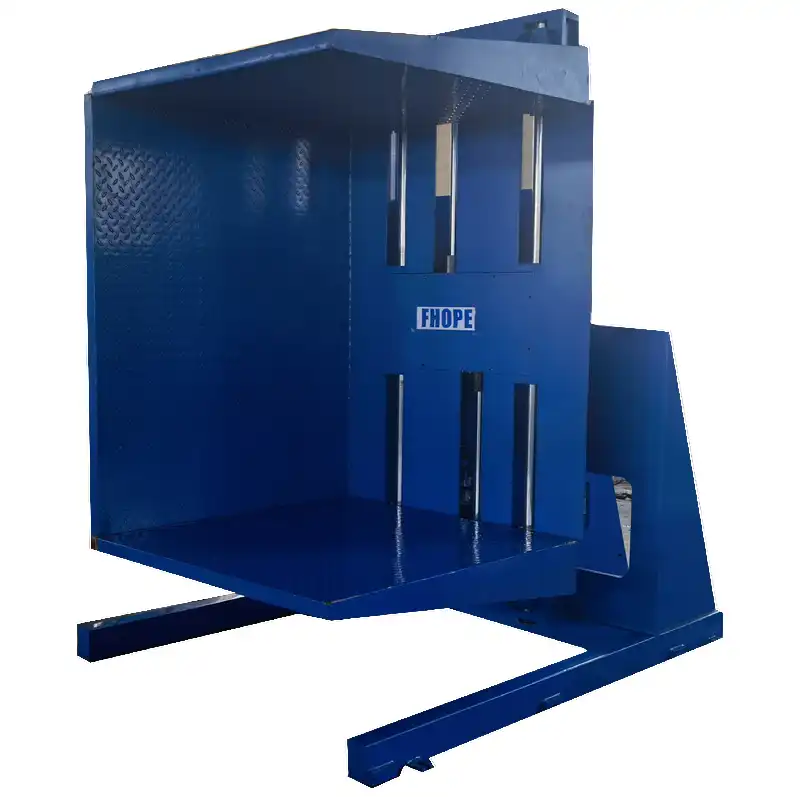
If you are a logistics manager like Carlos, you are probably not looking for just a machine. You want a real partner. You want a solution that understands your warehouse pain points. This article will help you understand the full picture. We will explore the true costs of manual pallet handling, how automated systems work, what options are out there, and what benefits you can expect. Keep reading to see why a pallet flipper might be the smartest investment for your operations.
What Are the Hidden Costs of Manual Pallet Changing?
Do you truly know what manual pallet changing costs your business every single day? It is more than just wages. I have spent years in the packing machine industry. I have seen countless businesses, especially in high-volume environments, lose money without even realizing it. They stick to manual processes because they think it saves money. But this thinking often overlooks the many hidden costs. These costs pile up quickly, impacting your bottom line and even your team’s morale. (hidden costs manual pallet handling, logistics expenses)
The hidden costs of manual pallet changing include rising labor expenses due to inefficiency and overtime, significant safety risks leading to injury claims and higher insurance premiums, frequent product damage and quality control issues, and operational delays that can result in customer dissatisfaction and contractual penalties.
Let us dive deeper into these often-overlooked expenses. When Carlos, from his food and beverage group, told me about his frequent pallet changes, I immediately thought of these common issues. These are not small problems. They can seriously hurt a company’s financial health and reputation. Understanding them is the first step to finding a better way forward.
-
Direct and Indirect Labor Costs:
- High Wages and Overtime: Skilled labor is harder to find. It costs more to hire and keep. Manual pallet changes are time-consuming. They often require multiple people. This means more hours and more overtime pay, especially during peak seasons. Carlos deals with labor shortages. He knows young workers do not want to do heavy lifting. This makes finding staff even harder and more expensive.
- Reduced Productivity: Manual handling is slow. It creates bottlenecks in the warehouse. Workers might also take more breaks due to the physical strain. This slows down the entire supply chain. It limits how many pallets you can move in a day.
- Training and Turnover: High physical demand leads to higher employee turnover. You spend money on training new staff, only for them to leave. This is a constant drain on resources.
-
Safety Risks and Associated Expenses:
- Workplace Injuries: Moving heavy pallets manually is dangerous. Workers can suffer back injuries, sprains, or even fractures. Carlos has had accidents from workers manually flipping or changing pallets. These accidents led to product spills and worker injuries.
- Insurance Premiums and Claims: More accidents mean higher worker’s compensation claims. This directly increases your insurance premiums. It also affects your safety record.
- Lost Workdays: Injured employees cannot work. This means lost productivity for your business. You might also need to hire temporary staff. This adds even more costs.
-
Product Damage and Quality Control Issues:
- Damaged Goods: Manual handling increases the risk of dropping or mishandling products. This leads to damaged inventory. Damaged goods are often unsellable. This is a direct loss of profit.
- Repackaging and Rework: If products are not damaged but shifted, they might need to be repacked. This takes extra time and labor. It further slows down operations.
- Customer Returns: Sending damaged goods to customers causes big problems. It leads to returns, complaints, and damaged reputation. For Carlos, in food and beverage, quality and presentation are everything. Any damage is a major issue.
-
Operational Inefficiencies and Penalties:
- Shipping Delays: Slow pallet changes directly impact shipping schedules. This causes delays in getting products to customers. Carlos faces pressure for shorter delivery times from e-commerce clients. Manual processes make this impossible.
- Contractual Penalties: Many contracts have clauses for late deliveries. Delays can result in financial penalties. These fines quickly add up.
- Customer Dissatisfaction: Missed deadlines and damaged goods make customers unhappy. Unhappy customers might take their business elsewhere. This costs you future revenue.
These hidden costs are real. They impact every part of your business. Looking at these problems, it is clear that manual pallet handling is not a sustainable or cost-effective option for modern logistics operations. (warehouse operational costs, labor safety concerns, supply chain delays)
How Does a Pallet Flipper System Actually Work?
You might hear terms like “pallet flipper,” “pallet changer,” or “pallet inverter.” They all refer to machines designed to efficiently transfer goods from one pallet to another. This is done without manually handling the product itself. For operations like Carlos’s, dealing with diverse pallet types, these machines are game-changers. But how do they actually work? Understanding the mechanics helps you see their true value. It also helps you appreciate why they are a vital part of modern warehouse automation. (pallet flipper mechanics, automated pallet transfer)
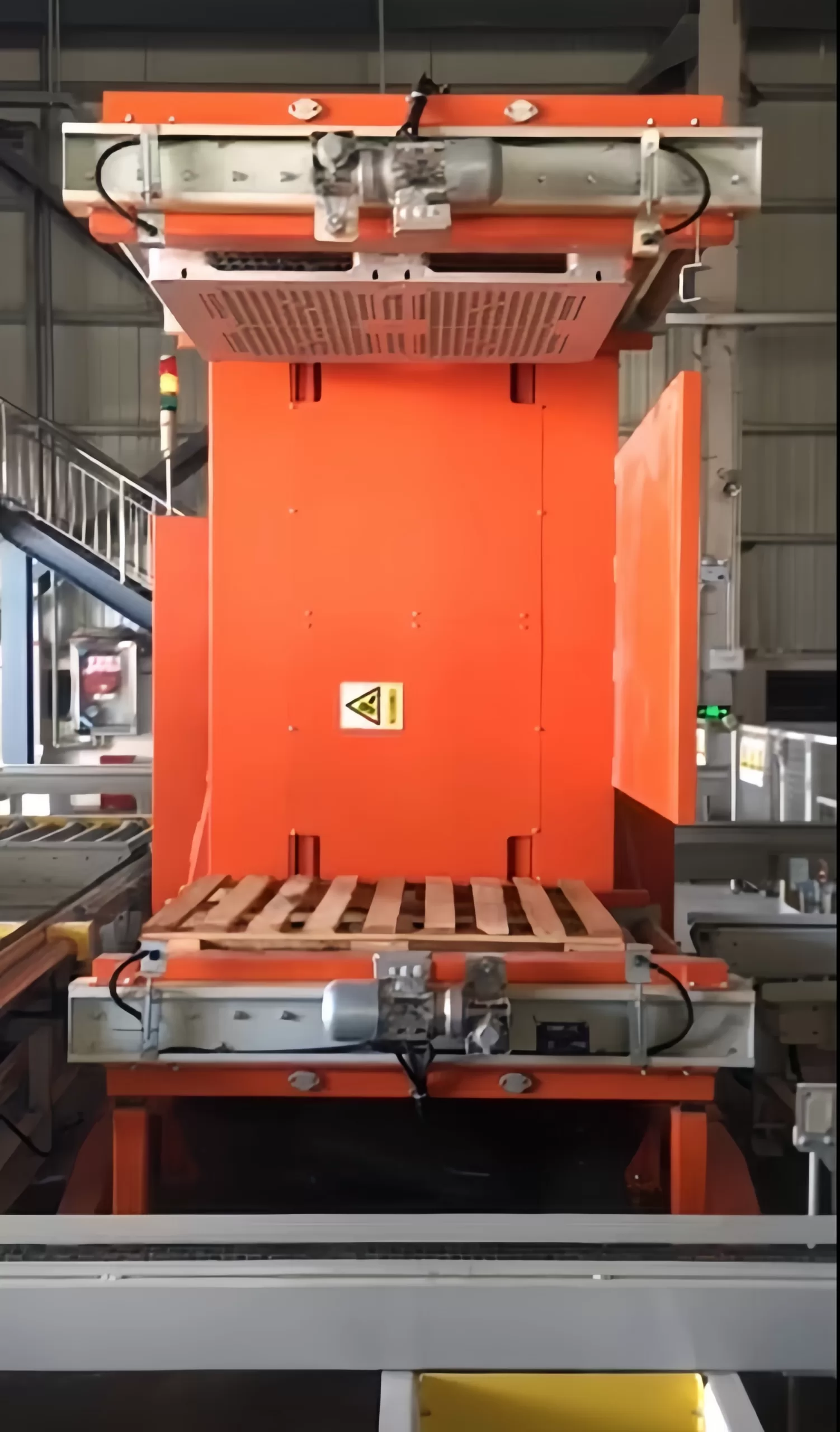
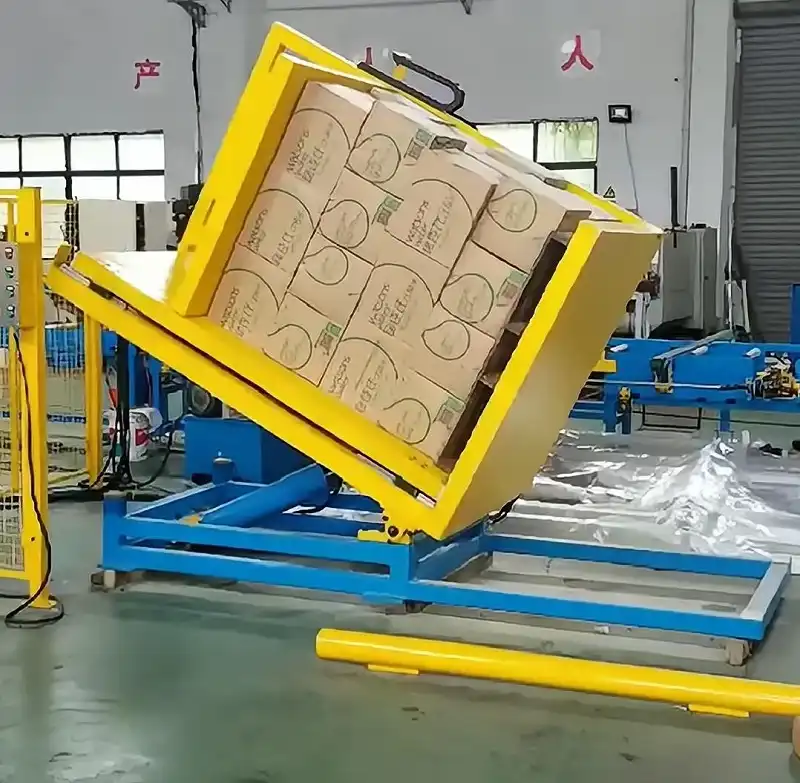
A pallet flipper system typically works by clamping a load of goods firmly between two plates or within a frame. The machine then rotates this clamped load, often by 90 or 180 degrees, allowing workers to remove the original pallet and replace it with a new one. This entire process keeps the product stable and untouched, greatly improving efficiency and safety compared to manual methods.

Let me explain the steps involved in a typical pallet changing operation using one of our FHOPEPACK systems. From my experience helping clients, a clear understanding of the process makes implementation much smoother. This is not about just flipping pallets. It is about smart logistics.
-
Loading the Pallet and Product:
- Approach: A forklift or pallet jack brings the loaded pallet to the pallet flipper’s loading area. This area is usually at ground level or has a ramp. This makes loading easy and safe for operators.
- Placement: The operator positions the pallet and its goods correctly within the machine’s designated space. Sensors often help ensure proper alignment.
-
Clamping and Securing the Load:
- Hydraulic or Mechanical Clamps: Once the pallet is in place, the machine activates its clamping mechanism. This can be hydraulic or mechanical. The clamps gently but firmly grip the sides or top and bottom of the entire load. This holds the product securely in place.
- No Product Contact: A key feature is that the clamps do not touch the product directly. They hold the pallet and the bottom layers of the goods. This prevents any damage to the items being moved.
- Safety Features: Modern pallet flippers include safety interlocks. These ensure the clamps are fully engaged before any rotation starts. This keeps workers safe.
-
Rotation or Inversion:
- 90-degree or 180-degree Turn: Depending on the machine type and the required action, the clamped load then rotates.
- 90-degree tilt: This is often used when you need to access the bottom of the pallet or simply tilt the load for easier transfer.
- 180-degree inversion: This is most common for full pallet changes. The entire load is turned upside down. This leaves the old pallet on top, which can then be removed.
- Smooth Motion: The rotation is slow and controlled. This prevents any sudden movements that could shift or damage the product.
- Operator Control: Operators use a control panel to initiate and manage the rotation. They can pause or stop the process if needed.
- 90-degree or 180-degree Turn: Depending on the machine type and the required action, the clamped load then rotates.
-
Pallet Removal and Replacement:
- Old Pallet Out: Once the load is rotated, the old pallet is now accessible. Workers can easily slide it out or the machine might have a system to push it away.
- New Pallet In: A fresh, clean pallet (e.g., a Euro pallet or plastic pallet for food hygiene) is then positioned underneath the inverted load.
- Return to Original Position: The machine then rotates the load back to its original orientation. It lowers the goods onto the new pallet.
-
Unloading the New Pallet and Product:
- Release Clamps: The clamps release their grip.
- Removal: A forklift or pallet jack picks up the newly palleted load. It is now ready for storage or shipment.
This step-by-step process shows how automated pallet flippers make pallet changing fast, safe, and efficient. It minimizes human effort and significantly reduces the risks associated with manual handling. Carlos, with his need to switch pallets for export compliance, would find this system invaluable. It ensures his products are on the right pallet without any delays or damage. (automated pallet handling process, pallet changer operation, warehouse automation benefits)
What Are the Different Types of Pallet Flippers and Their Features?
When considering a pallet flipper, it is important to know that there is not a single “one size fits all” solution. The market offers a range of machines. Each type has specific features and is best suited for different operational needs. Knowing these options helps you choose the right system for your warehouse. This ensures you get the best value for your investment. For Carlos, who needs to handle various pallet sizes and demands high reliability, choosing the right type is critical for his operational success. (pallet flipper types, pallet inverter features)
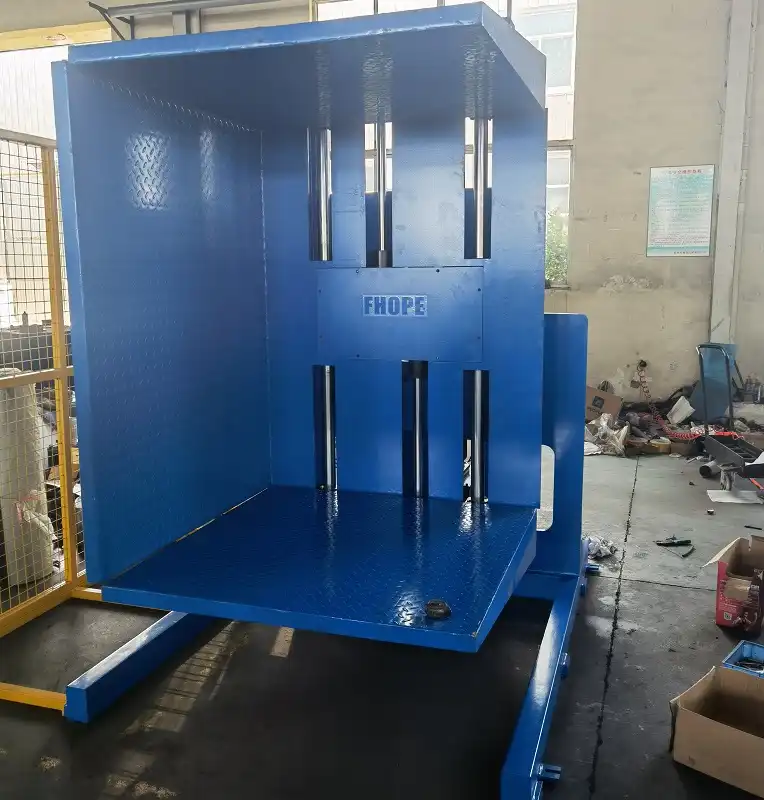
Pallet flippers come in several main types, including stationary, mobile, and inline systems, each designed with unique features to address specific operational requirements such as load capacity, rotation angle (90 or 180 degrees), automation level (manual, semi-automatic, or fully automatic), and adaptability to diverse pallet sizes and materials.
From my experience in manufacturing and supplying packing machines, the ideal choice depends on your specific workflow, space, and the volume of pallets you need to handle. Let me break down the common types and their key features. This will help you identify what might work best for a business like Carlos’s, where efficiency and compliance are top priorities.
-
Stationary Pallet Flippers (Fixed Models):
- Features: These are typically installed in a fixed location within the warehouse. They are often robust and designed for heavy-duty, high-volume operations. Many have hydraulic power for strong clamping and smooth rotation. They can usually handle a wide range of load weights and sizes.
- Ideal Use: Perfect for dedicated pallet changing stations where a continuous flow of pallets is expected. Carlos’s distribution center, with its thousands of daily pallet movements, would likely benefit most from a stationary model for its main operations.
- Example: FHOPEPACK offers various stationary 180-degree pallet inverters. These are ideal for switching out damaged pallets or changing to hygiene-compliant plastic pallets.
-
Mobile Pallet Flippers (Portable Models):
- Features: Designed with wheels or forklift pockets, allowing them to be moved to different areas of the warehouse as needed. They offer flexibility. Their capacity might be slightly lower than stationary models, but they are great for operations that do not have a single dedicated pallet changing point.
- Ideal Use: Suitable for smaller warehouses or operations where pallet changing needs are intermittent or spread across multiple zones. They can be a good entry-level option before investing in a larger, fixed system.
- Example: Some SHJLPACK models offer a mobile design, giving more flexibility for smaller-scale operations.
-
Inline Pallet Flippers (Integrated Systems):
- Features: These are highly automated systems designed to integrate seamlessly into existing conveyor lines or automated warehouses. They can operate without manual intervention once loaded. They offer the highest efficiency and throughput. They often come with advanced sensors and control systems for full automation.
- Ideal Use: Large-scale distribution centers or manufacturing plants with fully automated material handling systems. For Carlos’s multinational group, an inline system could be a long-term goal for maximum efficiency and minimal human error.
- Automation Level: These can be semi-automatic (requiring an operator to initiate each cycle) or fully automatic (operating continuously based on system inputs).
-
Specific Rotation Angles:
- 90-Degree Tilters: These machines tilt the load by 90 degrees. They are useful for accessing the side of a pallet, recovering damaged goods from the bottom, or inverting a load that is not fully stable for a 180-degree turn.
- 180-Degree Inverters: The most common type for complete pallet changes. They fully invert the load. This allows for easy removal of the original pallet and replacement with a new one. This is what Carlos needs for his Euro/US pallet switches.
-
Adaptability Features:
- Adjustable Clamping Pressure: Important for handling different types of products, from delicate food items to heavy industrial goods.
- Variable Clamp Opening: Allows the machine to handle various load heights and widths, accommodating different product stack sizes.
- Pallet Size Adaptability: Many models can adjust to different pallet footprints, crucial for Carlos who uses Euro, US, and plastic pallets. This flexibility prevents the need for multiple machines.
- Material Compatibility: Some flippers are designed for specific environments, like food-grade stainless steel for hygiene or robust construction for heavy industrial use.
Choosing the right type means looking at your current needs and your future goals. A well-chosen pallet flipper is an investment that pays off through improved safety, efficiency, and cost savings. (warehouse equipment selection, logistics automation options, FHOPEPACK solutions)
How Much Does a Pallet Flipper Cost to Implement and Operate?
We have discussed the hidden costs of manual handling and how pallet flippers work. Now, let’s get to the question on every manager’s mind, especially someone like Carlos: what is the actual investment? Understanding the costs of a pallet flipper goes beyond the purchase price. It includes installation, operation, and maintenance. Knowing these details helps you build a strong business case for automation. It also helps you calculate your return on investment (ROI). (pallet flipper investment, operating costs pallet changer)
The total cost of a pallet flipper system includes the initial purchase price, typically ranging from $5,000 for basic manual models to over $50,000 for advanced fully automatic systems, alongside installation expenses, ongoing operational costs (power, consumables), and regular maintenance. However, these expenses are quickly offset by significant savings from reduced labor, prevented product damage, and enhanced safety, often yielding ROI within 6 to 18 months for high-volume operations.
Let me break down the cost components. I have helped many clients understand these figures. This clarity allows them to make informed decisions. It transforms a perceived cost into a clear investment with tangible returns.
-
Initial Purchase Price:
- Basic Manual/Semi-Automatic Models: These often start around $5,000 to $15,000. They are good for lower volumes or specific applications. They still require an operator to push buttons or pull levers for each cycle.
- Medium-Range Semi-Automatic Models: Prices generally range from $15,000 to $30,000. These offer more features, higher capacity, and sometimes better automation options, making them suitable for growing operations. FHOPEPACK offers excellent options in this range.
- High-End Fully Automatic and Inline Systems: These can cost anywhere from $30,000 to over $50,000, and sometimes even more for custom-built, integrated solutions. They offer maximum throughput, minimal human intervention, and advanced safety features. These are ideal for large-scale operations like Carlos’s food and beverage distribution center, especially if integrated into an existing conveyor system. SHJLPACK also offers high-end solutions here.
-
Installation Costs:
- Simple Models: For plug-and-play units, installation costs are minimal. You just need proper power connections.
- Complex Systems: Larger, stationary, or inline systems will require professional installation. This can include anchoring the machine, connecting to power grids, and integrating with existing conveyor systems. These costs can range from a few hundred to several thousand dollars, depending on complexity.
-
Operational Costs:
- Power Consumption: Pallet flippers use electricity, mainly for their hydraulic pumps and motors. The cost depends on your local electricity rates and how often the machine runs. Modern machines are designed to be energy-efficient.
- Consumables: These are usually minimal. They might include hydraulic fluid top-ups or specific lubrication.
- Labor for Operation: Even automated systems need an operator for loading, unloading, and monitoring. However, this is significantly less labor than manual handling. One person can manage the pallet changing process for many pallets per hour.
-
Maintenance Costs:
- Routine Maintenance: Regular checks, cleaning, and lubrication are important. This prevents breakdowns and extends the machine’s life. These costs are generally low, mostly involving staff time.
- Parts Replacement: Over time, some components might wear out (e.g., hydraulic hoses, seals, sensors). Having a reliable supplier like FHOPEPACK means easy access to spare parts and service.
- Service Contracts: Many suppliers offer service contracts. These cover regular maintenance and emergency repairs. This can give peace of mind and help budget for long-term costs.
-
Return on Investment (ROI):
- Labor Savings: This is often the biggest factor. By reducing the number of staff needed for pallet changing, businesses see immediate savings. Carlos could reassign staff to other tasks or reduce his need for temporary workers.
- Reduced Damage Costs: Preventing product damage directly impacts your bottom line. Each damaged item avoided is money saved.
- Improved Safety: Lower injury rates mean fewer worker’s compensation claims, lower insurance premiums, and a safer workplace environment. This is a huge benefit for Carlos.
- Increased Efficiency and Throughput: Faster pallet changes mean faster operations overall. This can lead to increased order fulfillment, fewer delays, and higher customer satisfaction. This directly addresses Carlos’s goal of meeting demanding delivery schedules.
- Typical Payback Period: For businesses with high volumes (like Carlos’s thousands of pallets daily), the ROI can be realized in as little as 6 to 18 months. Lower volume operations might take longer, but the benefits still add up.
When you weigh these costs against the substantial savings and benefits, the investment in a pallet flipper becomes a clear choice for many businesses. It is not just about buying a machine. It is about buying efficiency, safety, and a competitive edge. (pallet flipper ROI calculation, warehouse automation budget, cost-benefit analysis logistics)
What Are the Benefits of Automating Pallet Handling with a Pallet Flipper?
After looking at the costs, it is time to focus on the gains. Why should you, or Carlos, make this investment? The benefits of automating pallet handling with a pallet flipper are numerous and far-reaching. They touch every aspect of a warehouse operation. From my years in the industry, I have seen these machines transform businesses. They do not just solve problems. They create new opportunities for growth and efficiency. (benefits of automated pallet handling, pallet flipper advantages)
Automating pallet handling with a pallet flipper significantly boosts operational efficiency by speeding up pallet changes, enhances worker safety by removing hazardous manual tasks, reduces overall operating costs through labor savings and decreased product damage, ensures better compliance with international shipping standards, and improves customer satisfaction by enabling faster, more reliable deliveries.
Let me outline the key benefits that a business, especially one facing challenges like Carlos’s, can expect to achieve. These are the core reasons why investing in a quality pallet flipper, like those from FHOPEPACK, is a strategic move for any modern distribution or manufacturing facility.
-
Increased Efficiency and Throughput:
- Faster Pallet Changes: A machine can change a pallet in minutes, sometimes even seconds. Manual changing takes much longer and varies from person to person. This speed keeps the flow of goods moving smoothly.
- Reduced Bottlenecks: Automated systems prevent delays at the pallet changing station. This means materials move through the warehouse without unnecessary stops, improving overall operational speed.
- Consistent Performance: Machines perform tasks with consistent speed and accuracy every time. This means predictable processing times. It makes planning easier.
-
Enhanced Worker Safety:
- Elimination of Hazardous Tasks: Workers no longer need to manually lift, tilt, or flip heavy pallets. This removes the risk of back injuries, crushed limbs, and other accidents. This directly addresses Carlos’s concern about safety risks and past accidents.
- Reduced Strain and Fatigue: Less physical work means employees are less tired. They can focus on other tasks that require their unique skills. This improves overall workplace morale and reduces sick days.
- Lower Insurance Premiums: Fewer workplace accidents lead to a better safety record. This can result in lower worker’s compensation insurance costs.
-
Significant Cost Savings:
- Reduced Labor Costs: By automating, you need fewer people for pallet changing tasks. These employees can be reallocated to more value-added roles. This helps address labor shortages and rising labor costs.
- Minimized Product Damage: The controlled, gentle clamping and rotation of a pallet flipper prevent goods from shifting or falling. This drastically reduces damaged inventory and associated write-offs.
- Lower Maintenance for Manual Equipment: Less reliance on forklifts for risky, unstable manual pallet handling tasks might reduce wear and tear on those machines in specific scenarios.
-
Improved Compliance and Quality Control:
- Meets Hygiene Standards: For industries like food and beverage (Carlos’s sector), changing to clean or plastic pallets for storage or shipping is crucial. Pallet flippers make this easy. They help maintain hygiene standards and comply with regulations.
- International Pallet Standards: Businesses exporting globally must often switch between different pallet types (e.g., Euro, US, or specific ISPM 15 heat-treated pallets). A pallet flipper handles these transitions quickly and accurately, avoiding fines or shipment rejections. This is a critical point for Carlos’s export business.
- Standardized Processes: Automation introduces consistency. Every pallet change happens the same way. This improves overall quality control for your logistics operations.
-
Greater Customer Satisfaction:
- Faster Delivery Times: Efficient pallet handling speeds up the entire supply chain. This allows for quicker order fulfillment and shorter lead times, meeting customer demands for rapid delivery.
- Undamaged Goods: Customers receive products in perfect condition. This builds trust and strengthens relationships.
- Reliable Service: Consistent and efficient operations mean you can promise and deliver reliable service. This makes you a preferred partner.
For Carlos and his multinational food group, these benefits are not just theoretical. They translate into real-world improvements: a safer workplace, more efficient operations, significant cost savings, and happier customers. This is why a pallet flipper is more than just a machine. It is an enabler of business success. (warehouse operational efficiency, supply chain safety improvements, logistics cost reduction, customer service enhancement)
Conclusion
The choice between manual pallet handling and investing in a pallet flipper is clear. Manual methods come with high hidden costs in labor, safety risks, and lost efficiency. Automated pallet inverter systems, like those from FHOPEPACK, offer a definitive solution. They improve safety, reduce costs, enhance efficiency, and ensure compliance. This delivers a rapid return on investment and positions your business for future growth.








