
What Are the Energy Consumption Levels of a Typical Pallet Inverter?
In my years in the packing machine industry, I have seen many businesses struggle with hidden operational costs. One area that often gets overlooked, but can significantly impact a warehouse’s bottom line, is energy consumption, especially for critical equipment like pallet inverters. Are you truly aware of how much power your pallet handling solutions are consuming, and what that means for your budget and your operational efficiency? Ignoring these details can lead to unexpected expenses and slower operations, directly affecting your profits.
A typical pallet inverter’s energy consumption can vary widely, generally ranging from 3 kW to 15 kW during active operation, depending on its type, load capacity, and cycle speed. For a common 180-degree fixed pallet changer handling standard loads, you might see average power usage in the 5-7 kW range. However, factors like the weight of the goods, the frequency of operations, and the motor’s efficiency all play a crucial role in determining the actual energy consumed over time, measured in kWh.
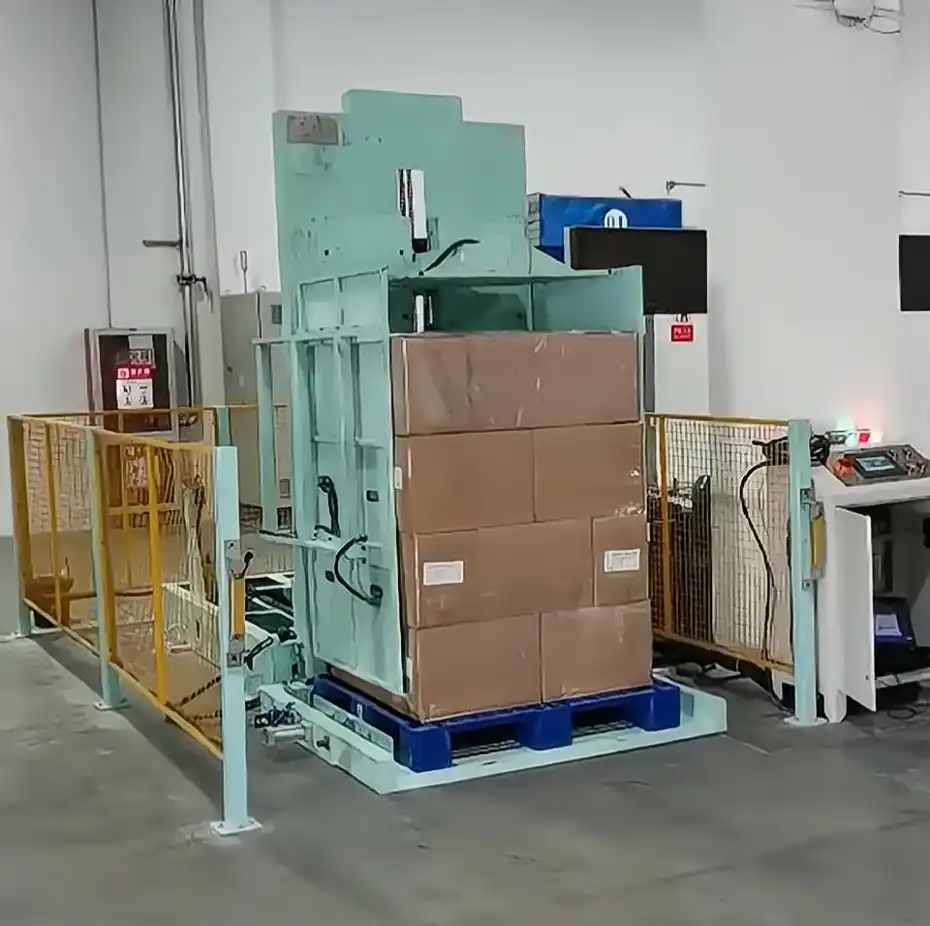
Understanding this consumption is key to running an efficient warehouse. If you are a logistics manager like Carlos, who handles thousands of pallet movements daily across diverse specifications, every kilowatt-hour counts. Let’s dig deeper into the specifics of pallet inverter energy consumption. We will explore what factors really drive it, how to measure it, what the real costs are, and how you can optimize your operations for maximum savings.
What Types of Pallet Inverters Consume How Much Energy?
When you consider adding a new pallet inverter to your warehouse, do you think about the different energy demands of various models? It is easy to assume all machines consume about the same power, but this is a common misconception. Different designs and functionalities lead to distinct energy profiles. Ignoring these differences can result in higher-than-expected utility bills and a less efficient operation.
Pallet inverters come in various types, each with a different mechanism and corresponding energy footprint. For instance, a basic fixed 90-degree pallet inverter typically uses less power than a complex 180-degree fully automated system. Mobile pallet inverters, designed for flexibility, often have lower peak power but might run for longer periods. The main distinction in energy use often comes from whether they use hydraulic or electric drives, and the scale of their operations.
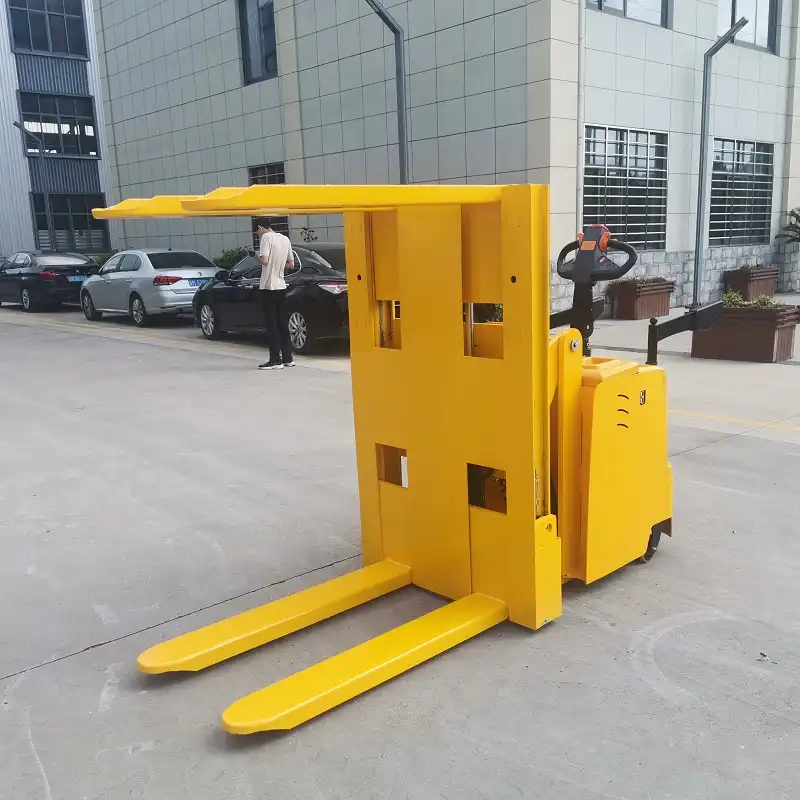
When I founded FHOPEPACK, my goal was to provide solutions that not only perform well but also make sense for a business’s long-term sustainability. This includes energy efficiency. Let’s look at the common types of pallet inverters and their typical energy usage.
-
90-Degree Pallet Inverters: These machines rotate a load by 90 degrees, often used for transferring goods from one pallet type to another or simply rotating the load. They usually have simpler hydraulic or electric systems. Their energy consumption is generally on the lower end, often ranging from 3 kW to 5 kW during active operation. They are effective for specific tasks, but if you need a full pallet swap, their limited rotation might mean more manual handling steps. My experience tells me that while they are energy-efficient for their scope, they might not be suitable for high-volume, diverse pallet types like those Carlos handles, requiring more comprehensive solutions.
-
180-Degree Pallet Inverters (Free-Standing & Fixed): These are the workhorses of many warehouses. They fully invert a pallet, making them ideal for complete pallet swaps between different standards, like European and American pallets, or for replacing damaged pallets. They are often fixed installations. Their power consumption can be higher due to the full rotation and often heavier construction, typically falling within the 5 kW to 10 kW range. FHOPEPACK offers several robust 180-degree models designed with efficient motors, balancing power with performance. These are crucial for operations that need speed and reliability, minimizing manual intervention and safety risks. For Carlos, such a system would significantly reduce the need for manual flipping, addressing his safety concerns and labor shortages.
-
Mobile Pallet Inverters: These offer flexibility, allowing you to move the unit to different areas of your warehouse. They are generally smaller and designed for versatility. Their power requirements are often lower, around 2 kW to 4 kW, making them suitable for less frequent or varied pallet inversion needs. However, their lower capacity or cycle speed might not meet the demands of a high-throughput distribution center. While they offer adaptability, a fixed solution often provides the consistent speed and reliability needed for constant, heavy use.
-
Press-Plate and Side-Clamp Inverters: These specialized inverters secure the load from the top and sides, allowing the pallet to be removed or replaced without disturbing the product. They are excellent for delicate or unstable loads. Their energy consumption depends on the clamping force and the rotation mechanism, typically ranging from 4 kW to 8 kW. The complexity of their hydraulics or electric motors contributes to this range. Ensuring a secure clamp is paramount for safety, and this mechanism itself requires significant power. FHOPEPACK offers solutions that prioritize both load integrity and efficient power usage, ensuring products remain safe during the entire transfer process. (Pallet inverter energy profiles, diverse inverter types, FHOPEPACK efficiency)
What Factors Really Drive Pallet Inverter Energy Use?
Have you ever wondered why two seemingly similar pallet inverters might have very different electricity bills? It is not just about the motor size written on the specification sheet. Many underlying factors influence how much power your machine truly consumes. Failing to understand these variables can lead to underestimating operational costs and missing opportunities for significant savings.
Beyond the basic motor rating, a pallet inverter’s energy consumption is primarily driven by the weight and type of the load, the frequency of cycles, the desired operating speed, and the overall efficiency of its hydraulic or electric drive system. Additionally, the machine’s maintenance status, the ambient temperature of the warehouse, and whether it incorporates energy-saving features like Variable Frequency Drives (VFDs) all play critical roles in its real-world power demands.
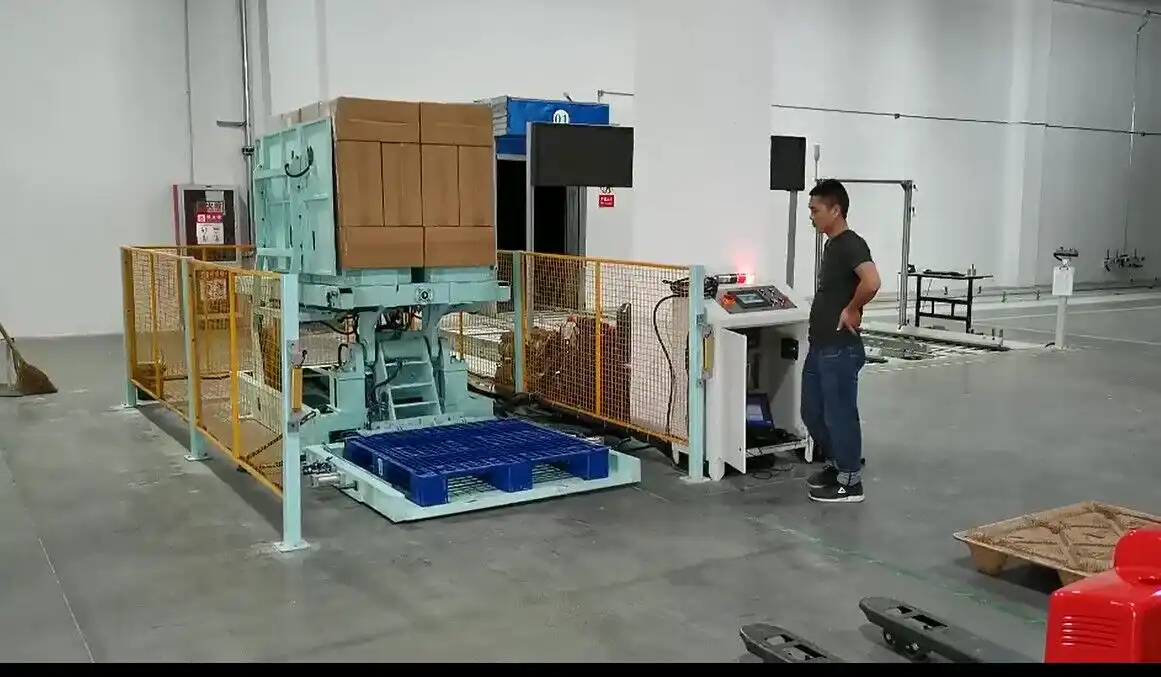
From my experience in designing and running packing machine factories, I learned that small efficiencies add up. Here are the key factors that influence a pallet inverter’s energy use, especially in a demanding environment like Carlos’s warehouse:
-
Load Weight and Size: This is perhaps the most obvious factor. Moving heavier loads requires more power from the motors, whether they are hydraulic pumps or electric actuators. Similarly, larger loads, even if not heavier, might require more robust clamping or wider rotation, putting more strain on the system. Carlos, who deals with thousands of pallets daily, often with varying weights and sizes for different export markets, will see direct correlation between load and energy. A pallet inverter designed for light loads will consume excessive energy if overloaded, and might even lead to breakdowns.
-
Cycle Speed and Frequency: How fast do you need the inverter to complete a cycle? And how many cycles per hour? A machine running at maximum speed for many cycles will consume significantly more energy than one running slower or less frequently. Faster movements demand higher instantaneous power. For Carlos, faster cycle times are critical to meet customer delivery pressures. My designs at FHOPEPACK aim for optimal speed without excessive energy drain, often incorporating features that allow for controlled, efficient acceleration and deceleration.
-
Motor and Drive System Efficiency: The heart of any pallet inverter is its motor. Modern motors come with efficiency ratings (e.g., IE3, IE4 for electric motors). A highly efficient motor converts more electrical energy into mechanical work and loses less as heat. Hydraulic systems also vary; inefficient pumps and poorly maintained systems waste a lot of energy. Implementing Variable Frequency Drives (VFDs) can further optimize energy use by allowing motors to operate at speeds precisely matching the load, rather than always running at full power. FHOPEPACK prioritizes high-efficiency motors in our pallet inverters, understanding that this is a long-term investment in operational savings.
-
Machine Design and Maintenance: A well-designed machine with smooth-running components and minimal friction requires less energy. Regular maintenance, including lubrication of moving parts, checking hydraulic fluid levels, and ensuring all sensors are working correctly, prevents the machine from working harder than necessary. Poor maintenance can lead to increased friction, leaks, and component wear, all of which drive up energy consumption. Carlos’s need for reliability directly ties into this; a well-maintained machine is an energy-efficient machine and prevents costly downtime.
-
Standby Power Consumption: Many machines consume power even when they are idle but still switched on. This “ghost load” or standby power can add up over time, especially in warehouses where machines might sit idle for periods. Modern pallet inverters, particularly those from FHOPEPACK and other leading brands, often include energy-saving modes or automatic shutdown features to minimize this consumption. This is a small but significant factor in overall energy costs. (Pallet inverter load factors, motor efficiency, operational frequency, VFD benefits, warehouse energy optimization)
How Can We Measure and Understand Pallet Inverter Power?
Do you truly know what your pallet inverter’s energy consumption translates to in tangible terms? Many businesses only look at their total electricity bill, without breaking down the usage by individual machines. This lack of detailed insight can hide significant inefficiencies and prevent you from making informed decisions about cost-saving improvements.
To accurately measure and understand a pallet inverter’s power, you need to monitor both its instantaneous power (kW) and its energy consumption over time (kWh). This involves using specialized power meters or energy loggers that can track real-time usage. By collecting this data, you can calculate the actual operational costs, identify periods of high consumption, and benchmark your equipment’s performance against industry standards or newer, more efficient models.
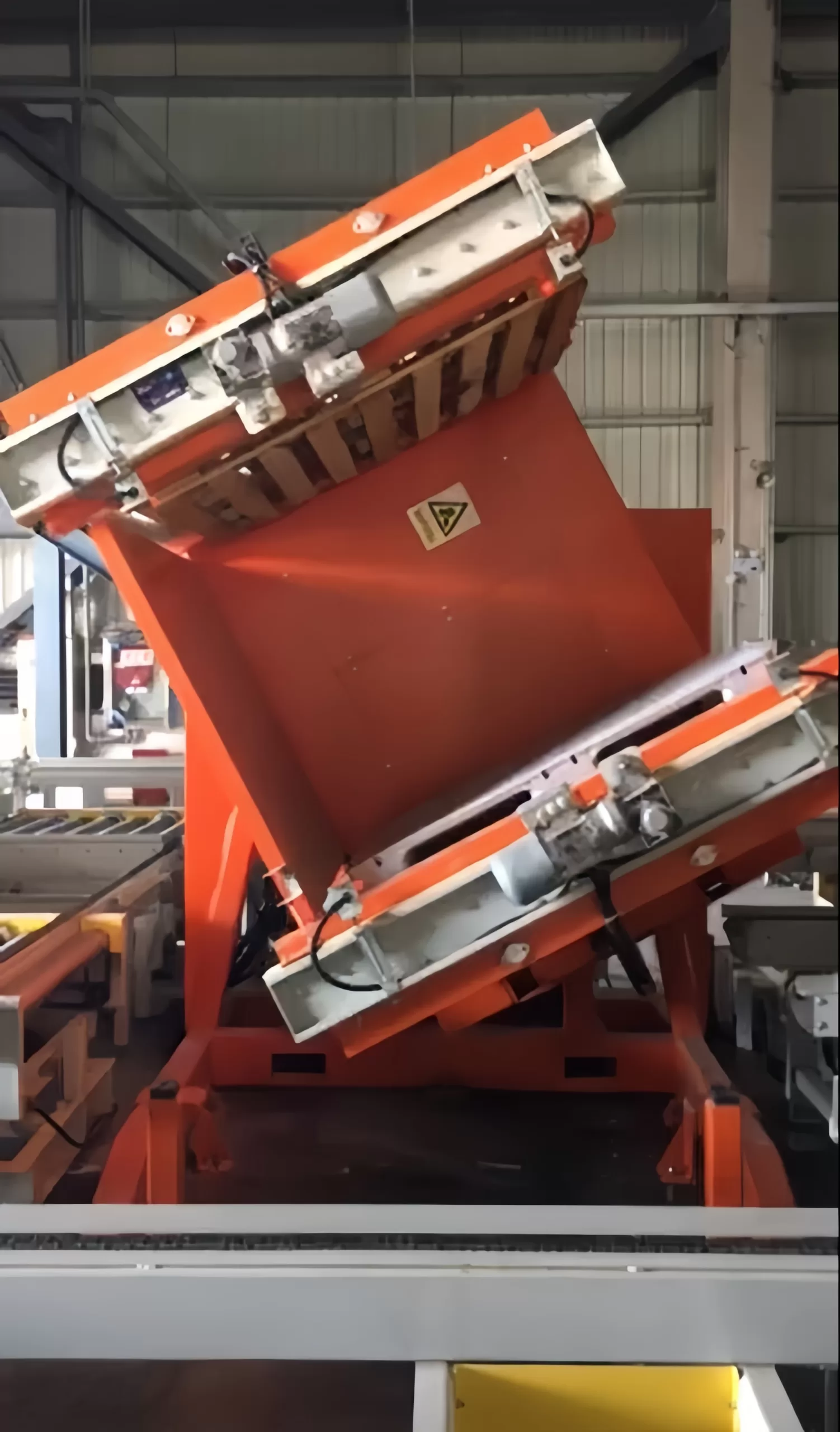
When I built my packing machine factory, I quickly realized that “what gets measured gets managed.” This principle applies perfectly to energy consumption. Here is how you can effectively measure and understand your pallet inverter’s power:
-
Distinguishing kW from kWh:
- Kilowatt (kW): This is a unit of power, representing the instantaneous rate at which a machine consumes electricity. Think of it like the speed of a car. When a pallet inverter is actively lifting or rotating a heavy load, its kW rating will be higher.
- Kilowatt-hour (kWh): This is a unit of energy, representing the total amount of electricity consumed over a period. Think of it like the distance a car travels. Your electricity bill is based on kWh. If your pallet inverter uses 5 kW for two hours, it consumes 10 kWh (5 kW * 2 hours = 10 kWh). Understanding both is crucial. A machine might have a high peak kW but low total kWh if it only runs for short bursts.
-
Using Measurement Tools:
- Clamp Meters/Power Meters: These devices can be temporarily attached to the main power lines of your pallet inverter to measure real-time current, voltage, and power (kW). Some advanced models can also log data over time, providing total kWh readings.
- Energy Loggers: For more continuous and detailed monitoring, energy loggers can be installed to record power consumption over days, weeks, or even months. These provide valuable insights into usage patterns, peak loads, and standby consumption. This data is indispensable for a comprehensive energy audit.
- Integrated Monitoring Systems: Modern pallet inverters, especially advanced models from FHOPEPACK, often come with built-in monitoring capabilities or can be integrated into a larger Warehouse Management System (WMS). These systems provide real-time data, historical reports, and even alerts for unusual consumption patterns.
-
Calculating Operational Costs: Once you have the kWh data, calculating the direct energy cost is straightforward. Simply multiply the total kWh consumed by your average electricity rate per kWh (this rate can vary based on peak/off-peak hours and your energy provider). For a warehouse like Carlos’s, processing thousands of pallets, even a small difference in kWh per cycle can lead to significant savings annually. He needs clear figures to justify investments in more efficient equipment.
-
Benchmarking and Analysis: With accurate measurement, you can compare your pallet inverter’s consumption against manufacturer specifications, industry averages, or the performance of other machines in your facility. This benchmarking helps identify outliers and underperforming equipment. Analyzing the data also reveals patterns: Is consumption higher during specific shifts? Is standby power excessive? This critical analysis supports data-driven decision-making, helping you prioritize upgrades or maintenance activities. (Pallet inverter energy measurement, kilowatt-hour calculation, power monitoring tools, operational cost analysis, warehouse energy auditing)
What Are the Real Costs of Pallet Inverter Energy Consumption?
Do you only look at your monthly electricity bill when assessing equipment costs? Many businesses do, but this approach only scratches the surface of the true cost of energy consumption for a pallet inverter. Overlooking the broader implications can lead to an incomplete financial picture and hinder your ability to make truly cost-effective decisions for your warehouse operations.
The real costs of a pallet inverter’s energy consumption extend beyond direct electricity charges. They encompass indirect expenses such as increased maintenance due to inefficiencies, a larger environmental footprint impacting corporate social responsibility, and potential downtime risks from older, less energy-efficient machines. In a high-volume operation like Carlos’s, these indirect costs can quickly add up, affecting overall profitability and long-term operational sustainability.
When I decided to establish my own packing machine factory after years as an engineer, I understood that every aspect of a machine contributes to its Total Cost of Ownership (TCO). Energy consumption is a major component of this TCO. Let’s break down the real costs:
-
Direct Electricity Charges: This is the most obvious and quantifiable cost. Every kWh consumed translates directly into a charge on your utility bill. For a high-throughput distribution center handling thousands of pallets daily, like Carlos’s, even a modest 1 kW difference in average power consumption can lead to thousands of dollars in annual electricity costs. These costs fluctuate with energy prices, making them an unpredictable variable if not managed efficiently.
-
Increased Maintenance and Wear: Inefficient machines often have to work harder to perform the same task. This increased strain leads to faster wear and tear on components like motors, pumps, bearings, and hydraulic seals. Higher operating temperatures, a symptom of inefficiency, can also degrade parts more quickly. The result? More frequent breakdowns, higher repair costs, and shorter equipment lifespan. For Carlos, who prioritizes equipment reliability, this is a critical concern, as unexpected maintenance directly impacts delivery schedules and customer satisfaction.
-
Environmental Footprint and Sustainability Goals: In today’s corporate world, environmental responsibility is no longer optional. High energy consumption contributes directly to greenhouse gas emissions, increasing a company’s carbon footprint. For a multinational group like Carlos’s employer, demonstrating commitment to sustainability is vital for brand image and compliance. Investing in energy-efficient pallet inverters helps meet these corporate social responsibility (CSR) goals, potentially qualifying for environmental certifications or incentives. My experience tells me that forward-thinking companies are increasingly factoring this into their purchasing decisions.
-
Risk of Downtime and Operational Disruptions: Older, less energy-efficient machines might be prone to overheating or mechanical failures due to their inefficiencies. A pallet inverter breakdown can halt an entire line of pallet processing, leading to significant delays in shipping, potential contract penalties, and customer dissatisfaction. Carlos explicitly stated that inefficient or faulty pallet switching could cause “contract penalties and customer loss.” This opportunity cost of lost productivity and reputation damage often far outweighs the direct energy savings. Reliable, efficient machines from FHOPEPACK minimize these risks, ensuring smooth, uninterrupted operations.
-
Opportunity Costs and Competitiveness: Every dollar spent on excessive energy consumption is a dollar that cannot be reinvested into other areas of the business, such as automation upgrades, staff training, or market expansion. By optimizing energy use, businesses can free up capital, improving their overall competitiveness. In a market where e-commerce and retail customers demand shorter delivery cycles, every operational advantage, including energy-efficient equipment, contributes to staying ahead. (Pallet inverter hidden costs, energy operational expenses, environmental impact of machinery, TCO pallet handling, warehouse cost reduction)
How Can You Optimize Your Pallet Inverter for Lower Energy Use?
Are you passively accepting your pallet inverter’s energy consumption, or are you actively seeking ways to reduce it? Many businesses miss out on significant savings because they do not implement strategies to optimize their equipment’s energy use. This can lead to unnecessary costs, increased environmental impact, and a less efficient warehouse operation overall.
To optimize your pallet inverter for lower energy use, you should prioritize selecting the right model with energy-efficient components, implementing a robust preventative maintenance schedule, and training operators for efficient machine use. Additionally, integrating smart features like Variable Frequency Drives (VFDs) and auto-shutdown capabilities can significantly reduce power consumption. Regularly conducting energy audits will help identify specific areas for improvement, ensuring your operations are as lean and green as possible.
As someone who built a successful packing machine factory from the ground up, I have always believed in continuous improvement and smart design. Here are actionable strategies to optimize your pallet inverter’s energy consumption, which directly addresses the challenges faced by managers like Carlos:
-
Choose the Right Model and Technology:
- Match Capacity to Needs: Do not buy an oversized inverter if a smaller, more efficient one will suffice. However, also avoid undersizing, which forces the machine to work harder. FHOPEPACK offers a range of models, including customized solutions, to precisely match your operational needs, whether you are dealing with diverse pallet types (Euro, US, plastic) or specific load weights.
- Prioritize High-Efficiency Motors: Look for motors with IE3 or IE4 efficiency ratings. These motors consume less electricity to produce the same amount of power.
- Integrate Variable Frequency Drives (VFDs): VFDs allow the motor to operate at variable speeds rather than always full throttle. This is incredibly efficient for tasks where the load or speed requirements fluctuate, saving significant energy by matching power output to demand.
- Consider Electric vs. Hydraulic: While hydraulics offer immense power for heavy loads, modern electric systems can be very efficient and avoid standby power losses associated with hydraulic pumps. FHOPEPACK designs often blend the best of both worlds, focusing on overall efficiency.
-
Implement Robust Preventative Maintenance:
- Regular Inspections and Lubrication: A well-maintained machine runs smoothly. Lubricate moving parts to reduce friction. Check hydraulic fluid levels and quality regularly. This reduces strain on motors and pumps, consuming less energy.
- Component Checks: Inspect belts, bearings, and gears for wear. Replace worn parts promptly. A stiff or grinding component forces the motor to draw more power.
- Sensor Calibration: Ensure all sensors are accurately calibrated. Faulty sensors can lead to inefficient operation or unnecessary cycles. Regular maintenance reduces the likelihood of breakdowns, a key concern for Carlos.
-
Optimize Operational Practices:
- Operator Training: Properly trained operators can use the machine more efficiently, avoiding unnecessary movements or prolonged idle times. They understand the optimal loading and unloading procedures, reducing cycle times and energy waste.
- Batch Processing: Where possible, optimize workflows to batch similar pallet changes. This can reduce the number of starts and stops, which are often energy-intensive.
- Minimize Idle Time: Implement procedures for operators to power down or switch to energy-saving mode during extended breaks or between shifts. This reduces standby power consumption.
-
Leverage Smart Automation and Features:
- Auto-Shutdown/Sleep Modes: Modern pallet inverters, like those from FHOPEPACK, often come with features that automatically power down or enter a low-energy sleep mode after a period of inactivity. This is a simple yet effective way to cut energy waste.
- Integration with WMS: Connecting your pallet inverter to a Warehouse Management System can optimize its operation schedule, ensuring it only runs when needed and as efficiently as possible. This level of automation directly supports Carlos’s goal of improving overall automation and reducing manual dependency.
- FHOPEPACK vs. SHJLPACK: When choosing a supplier, I always advise looking for a partner who understands your operational challenges. FHOPEPACK offers advanced, energy-efficient pallet inverter solutions designed for high reliability and low operational costs. Our team works with clients to analyze their specific needs, from diverse pallet sizes to high-volume throughput, and provides tailored, sustainable solutions. While SHJLPACK also offers pallet inverters, FHOPEPACK focuses on delivering comprehensive consultancy and long-term partnership, ensuring our equipment not only performs but also integrates seamlessly into your energy-saving strategies. We prioritize helping businesses like Carlos’s achieve their goals for safety, efficiency, and cost reduction through cutting-edge technology and dedicated support.
-
Conduct Regular Energy Audits:
- Periodically, bring in experts or use your internal data to conduct a detailed energy audit of your pallet inverter operations. This can uncover hidden inefficiencies, identify areas for further optimization, and justify investments in newer, more energy-efficient equipment. An audit provides the data Carlos needs to make a strong business case for automation. (Energy-efficient pallet inverters, warehouse energy saving tips, FHOPEPACK solutions, SHJLPACK comparison, automated pallet handling, maintenance for efficiency)
Conclusion
Understanding a pallet inverter’s energy consumption is vital for any modern warehouse aiming for efficiency, cost savings, and sustainability. By analyzing factors from machine type to operational practices, we can significantly reduce energy use. Implementing smart technologies and partnering with knowledgeable suppliers like FHOPEPACK ensures you optimize your pallet inverter for maximum performance and minimal impact.








