
Coil Packing Line Iran: What Features Matter Most When Choosing Suppliers?
For years, I have seen steel mills struggle with inefficient packing lines. I know the frustration of missed deadlines, customer complaints, and the constant pressure to meet export standards. It is a challenge many production directors face, especially in dynamic markets like Iran, where demand for quality and efficiency is high. If your current packing process causes bottlenecks, slows down shipments, or leaves your products vulnerable, you are not alone. These issues directly affect your bottom line and reputation.
When choosing a supplier for your coil packing line, especially in competitive markets, the features that matter most are unwavering reliability, the ability to handle diverse product specifications, superior packaging quality, comprehensive automation that enhances safety and reduces costs, and a long-term partnership with excellent after-sales support. These core elements are crucial for ensuring your operation runs smoothly and profitably.
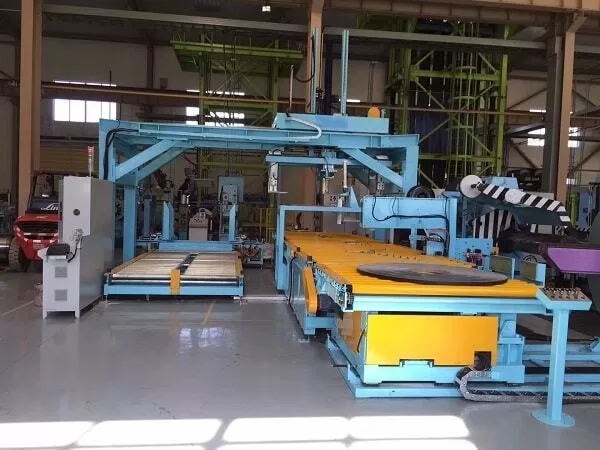
These are not just buzzwords; they are the foundation for a successful, modern steel coil packing operation. If you are ready to move past the old challenges and build a system that works for you 24/7, then understanding these key features will guide you. Let us look closer at what truly makes a difference.
How Do Suppliers Ensure 24/7 Reliability for Your Coil Packing Line?
Imagine your coil packing line breaking down in the middle of a busy shift. Production stops, deadlines are missed, and stress levels rise. This scenario is a nightmare for any steel mill, especially when dealing with high volumes. I have seen firsthand how costly downtime can be, and it is why reliability is always at the top of my list when we design solutions at FHOPEPACK.
Suppliers ensure 24/7 reliability by using high-quality components, robust mechanical designs, effective error detection systems, and by providing readily available technical support and spare parts. A truly reliable machine is built to last, handles continuous operation, and allows for easy maintenance to minimize unexpected stoppages.

Reliability is not an option; it is a must. Especially for operations running two or three shifts daily, your packing line must perform consistently. My journey in this industry taught me that cutting corners on quality always leads to bigger problems later. At FHOPEPACK, we focus on building machines that withstand the demands of a busy steel mill environment. This means considering every detail, from the smallest sensor to the main structural frame. It is about preventing problems before they start.
-
Robust Construction and Quality Components:
- Strong Materials: The machine frame must be made of heavy-duty steel. This prevents warping or failure under constant stress and heavy loads. Think about the vibrations and impact from moving heavy steel coils. The structure must absorb this.
- Industrial-Grade Parts: All motors, sensors, pneumatic, and hydraulic components should be from reputable global brands. These parts are designed for continuous industrial use. Using cheaper, consumer-grade parts will lead to early failure. I have seen this many times.
- Precision Engineering: Every part must fit well and move smoothly. Loose tolerances cause wear and tear quickly, leading to breakdowns. Precision in manufacturing makes the machine last longer.
-
Advanced Control Systems and Error Detection:
- PLC Control: A modern Programmable Logic Controller (PLC) manages all machine functions. This provides stable and consistent operation. It also makes troubleshooting easier.
- Real-time Monitoring: The system should have sensors that check machine status in real time. This includes motor temperatures, film tension, and strapping force. Operators can see potential issues before they become major problems.
- Fault Diagnostics: When a problem occurs, the machine should display clear error codes. This helps maintenance staff find and fix the issue quickly. Less time spent guessing means less downtime.
-
Ease of Maintenance and Accessibility:
- Modular Design: Critical components should be easy to access and replace. If a part needs servicing, it should not require disassembling half the machine. This saves valuable time.
- Standardized Parts: Using common, off-the-shelf spare parts reduces the need for specialized inventory. This makes it easier to source replacements quickly, anywhere in the world, including Iran.
- Preventive Maintenance Schedules: A good supplier provides clear guidelines for routine maintenance. Following these schedules helps prevent unexpected failures. This is like regular oil changes for your car; it keeps everything running well.
-
Supplier’s Track Record and Support:
- Proven Experience: Look for suppliers who have a long history in the coil packing industry. Their experience means they have learned from past challenges. At FHOPEPACK, our years in the field mean we know what works.
- Technical Support: Can you reach their technical team easily? Is help available remotely? Quick support is vital when a machine is down. A good supplier offers phone, email, and even video call support.
- Local Presence or Network: For markets like Iran, having a local service partner or a strong remote support system is very important. This ensures faster response times and easier access to parts. My vision for FHOPEPACK has always included global support.
Can a Supplier Handle Your Diverse Coil Sizes and Packaging Demands?
Steel mills rarely produce just one type of coil. You might have cold-rolled, galvanized, or color-coated coils, each with different sizes, weights, and specific packaging requirements. Relying on manual adjustments for every change is a major bottleneck. It wastes time, increases labor costs, and often leads to inconsistent packaging quality. This is a common challenge I see, and it is something we actively address at FHOPEPACK.
A capable supplier offers coil packing lines designed for high adaptability. Their solutions can handle a wide range of coil diameters, widths, and weights, and they can quickly switch between different packaging materials and styles. This flexibility is achieved through modular designs, automated adjustment features, and programmable settings that cater to diverse product specifications without extensive manual intervention.
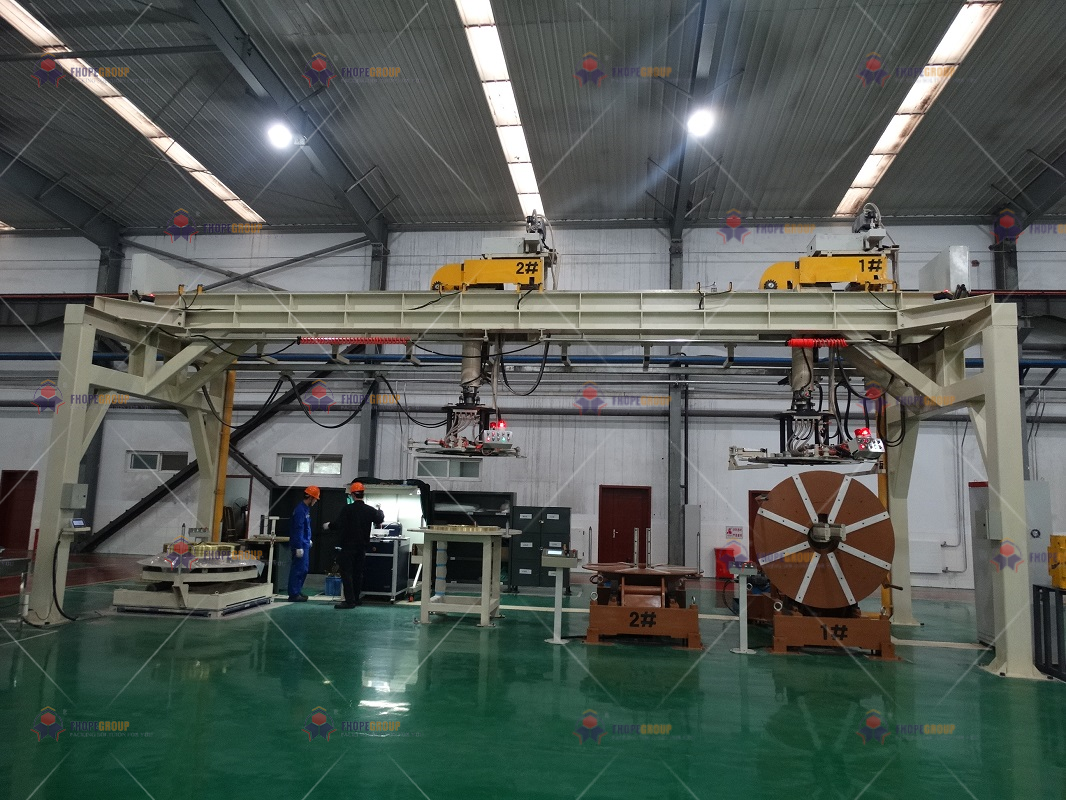
When I first started in this industry, I realized that a “one-size-fits-all” machine simply does not work for modern steel production. Manufacturers need systems that can pivot quickly between different product lines without sacrificing efficiency or quality. My clients often deal with coils weighing anywhere from 1 to 3 tons, with varying inner and outer diameters. The packing line needs to adjust effortlessly to these changes. This adaptability is key to maintaining high throughput and meeting diverse customer orders, including those for export.
-
Wide Range of Coil Dimensions:
- Adjustable Systems: The packing line should feature automatic or semi-automatic adjustment mechanisms. This allows it to handle coils with different inner and outer diameters, as well as varying widths. Manual changes are slow and prone to errors.
- Weight Capacity: Ensure the machine can safely handle the full range of coil weights you produce. Overloading a machine leads to wear, damage, and safety risks. A robust conveyor system and turning devices are essential for heavy coils.
- Flexible Centering: Automatic centering devices are crucial. They ensure that coils of different sizes are always perfectly positioned for strapping or wrapping, preventing uneven packaging.
-
Multi-Material Packaging Capability:
- PET vs. Steel Strapping: A versatile machine should support both PET plastic strapping and traditional steel strapping. Different customers have different preferences or requirements for strength and cost. Switching between these materials should be straightforward.
- Stretch Film and Shrink Film Options: For moisture protection and aesthetic finish, the line should accommodate various types of films. This includes stretch film for basic protection and shrink film for a tighter, more robust seal, especially vital for export.
- Inner and Outer Wrapping: Some coils need inner diameter wrapping, outer diameter wrapping, or both. A flexible machine can perform these different wrapping patterns as needed.
-
Quick Changeover Features:
- Recipe Management: The control system should allow you to save “recipes” for different product types. An operator can select a product code, and the machine automatically adjusts its settings for coil size, strapping patterns, film type, and tension. This saves significant time compared to manual recalibration.
- Tool-less Adjustments: Where manual adjustments are necessary, they should be simple and require no special tools. This further reduces downtime during product changeovers.
- Modular Design: If your needs grow, can you add more modules (e.g., an extra strapping head, a new labeling station)? A modular system makes future expansion easy and cost-effective.
-
Integration with Upstream and Downstream Processes:
- Seamless Flow: The packing line must integrate smoothly with your slitting or rolling lines upstream and your warehousing or shipping operations downstream. This prevents bottlenecks and ensures a continuous flow of products.
- Data Exchange: The machine should be able to communicate with your factory’s production management system. This allows for automated order processing, tracking, and reporting, reducing manual data entry errors.
- Customizable Layouts: A good supplier can design a layout that fits your specific factory space and existing infrastructure. This might include pit-type coil cars or specialized conveyors to optimize flow.
What Advanced Features Guarantee Superior Packaging Quality and Protection?
Poor packaging quality is more than just an eyesore; it is a serious business risk. Loose strapping, uneven film, or inadequate moisture protection can lead to damaged goods during transit. This results in customer complaints, returns, and even contract penalties. For export clients, who often demand CE/ISO certified packaging and strict moisture control, consistent quality is paramount. I have seen many companies lose valuable clients simply because their packaging failed to protect the product.
Advanced features that guarantee superior packaging quality and protection include precise tension control for strapping and wrapping, multi-layer protective film application, integrated automatic labeling and marking systems, and innovative solutions for moisture and rust prevention. These technologies ensure that each coil is perfectly secured and protected, meeting or exceeding international standards and customer expectations.

My goal at FHOPEPACK has always been to deliver not just machines, but solutions that solve real problems. Packaging quality is one of the biggest challenges for steel producers. It is not enough to simply put a strap around a coil. The packaging needs to withstand long journeys, different climates, and various handling stresses. This requires smart engineering and advanced features that go beyond basic functions. For customers in Iran who export their steel, meeting international standards is not just a preference; it is a necessity for market access.
-
Precise Tension Control for Strapping and Wrapping:
- Automatic Tension Adjustment: Modern machines feature systems that automatically apply the correct tension to PET or steel strapping. This prevents straps from being too loose (which allows movement) or too tight (which can damage the coil edges or break). Consistency is key here.
- Adaptive Film Tension Control: For wrapping, the machine should maintain consistent film tension throughout the entire process. Uneven tension leads to poor coverage, weak points, and wasted material. Good systems adjust tension based on coil shape and size.
- Overlap Control: For spiral wrapping, precise overlap control ensures complete coverage and creates a robust, protective barrier against dust, moisture, and impact. This is essential for preventing rust and scratches.
-
Multi-Layer Protection and Sealing:
- Integrated Wrapping Stations: A complete line might include separate stations for stretch wrapping, shrink wrapping, or even VCI (Volatile Corrosion Inhibitor) paper application. This multi-layer approach offers superior protection.
- Waterproof Sealing: For export, a hermetic seal is often required. This can involve combining stretch film with heat-sealed shrink film or waterproof covers. This prevents any moisture ingress during shipping.
- Edge Protection: Specific modules can apply edge protectors or corner boards. This shields the vulnerable edges of the coil from physical damage, which is a common point of failure during handling.
-
Automated Labeling, Marking, and Identification:
- Automatic Barcode Application: Integrated label applicators ensure that each coil receives a clear, durable barcode or QR code. This improves traceability, inventory management, and shipping accuracy. Manual labeling is slow and prone to errors.
- Customizable Data Printing: The system should print variable data on labels, such as batch numbers, customer names, weight, and dimensions. This streamlines the process and ensures all necessary information is present.
- Brand Consistency: High-quality labeling also reflects well on your brand. It shows attention to detail and professionalism, which is important for customer perception.
-
Advanced Rust and Moisture Prevention:
- VCI Paper Dispensing: Some systems can automatically dispense Volatile Corrosion Inhibitor (VCI) paper or film. VCI technology releases chemicals that prevent rust in enclosed spaces, offering excellent internal protection.
- Desiccant Application: For extremely humid environments or long sea voyages, an automated desiccant dispenser can be integrated. Desiccants absorb moisture, further protecting the coil.
- Heated Shrink Tunnels: For a fully enclosed, waterproof package, a shrink tunnel uses heat to tightly conform film around the coil. This creates a strong, tamper-evident, and highly protective seal, ideal for premium products and exports.
How Do Automated Systems Boost Safety and Reduce Operational Costs?
Manual coil packing operations are often dangerous and inefficient. Workers struggle with heavy lifting, repetitive tasks, and the risk of injuries from moving coils or handling strapping tools. I have witnessed firsthand the physical toll and the number of accidents that can occur in non-automated environments. Beyond safety, reliance on manual labor inflates costs due to wages, high turnover, and inconsistent performance. This limits your factory’s ability to compete.
Automated coil packing systems dramatically boost safety by eliminating manual handling of heavy coils and reducing repetitive tasks, thereby lowering the risk of injuries and labor intensity. They also significantly reduce operational costs through optimized material usage, increased throughput, fewer errors, and a reduced need for a large, skilled workforce, leading to a more efficient and profitable operation.
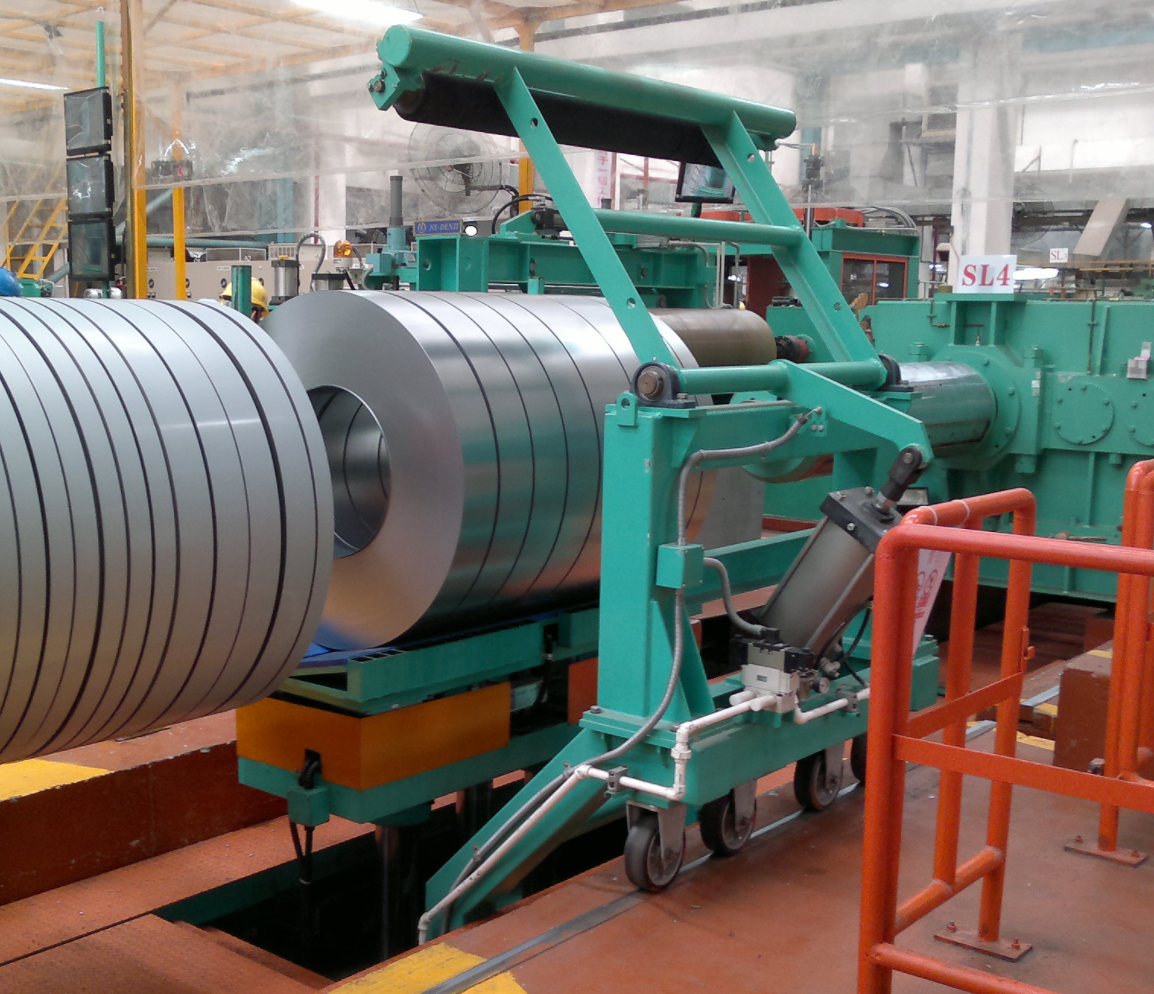
When I founded FHOPEPACK, one of my core motivations was to make the packing process safer and more efficient. I believe that machines should do the heavy, risky, and repetitive work, allowing human operators to focus on supervision and skilled tasks. This not only protects your most valuable asset—your people—but also makes sound business sense. By minimizing labor dependency and maximizing machine efficiency, you create a more sustainable and cost-effective operation. For production directors in steel mills, this means peace of mind and a stronger bottom line.
-
Enhanced Safety through Reduced Manual Intervention:
- Automated Handling: Machines handle heavy coils, eliminating the need for manual lifting, turning, or positioning. Automated coil cars, turntables, and transfer systems keep workers away from dangerous moving parts. This significantly reduces crush injuries and strains.
- Safety Guards and Sensors: Modern packing lines are equipped with safety fencing, light curtains, and emergency stop buttons. These systems prevent access to hazardous areas during operation and immediately halt the machine if a safety breach occurs.
- Ergonomic Design: When human interaction is required, the machine design should be ergonomic. This reduces strain and fatigue for operators, preventing repetitive motion injuries.
-
Significant Labor Cost Reduction:
- Fewer Operators Needed: A fully automated line can perform tasks that previously required multiple workers. This reduces your overall headcount for the packing department, directly lowering wage costs.
- Reduced Training Costs: With automation, the need for extensive training for highly skilled manual packers decreases. Operators mostly monitor and manage the system.
- Lower Turnover: High-intensity manual jobs often suffer from high employee turnover. Automation creates a safer, less physically demanding environment, which can help retain staff.
-
Optimized Material Usage and Waste Reduction:
- Precise Material Dispensing: Automated systems apply strapping and film with exact measurements. This eliminates guesswork and over-application, reducing material waste. Manual wrapping often uses more film than needed.
- Consistent Tension and Overlap: As discussed earlier, precise tension control prevents film tearing or strap breakage, which means less rework and less material thrown away.
- Damage Reduction: Better packaging quality reduces product damage during transit. This means fewer returns, fewer claims, and less need to re-package products, saving both material and labor.
-
Increased Throughput and Production Continuity:
- Faster Cycle Times: Machines operate at consistent, high speeds, often much faster than manual processes. This increases the number of coils you can pack per hour or shift.
- Consistent Performance: Machines do not get tired or make mistakes due to fatigue. They maintain the same high level of performance throughout the entire shift, ensuring continuous production flow.
- Integrated Lines: A fully integrated automated line moves coils seamlessly from one packing stage to the next. This eliminates idle time between processes and bottlenecks.
Why is Long-Term Partnership and Comprehensive Support Essential?
Buying a coil packing line is a significant investment. It is not just about the machine itself, but about the entire lifecycle of that investment. What happens if a part breaks? Who provides training for your new staff? How do you upgrade your system in the future? These questions highlight why simply buying a machine from any supplier is a short-sighted approach. You need a partner, especially in regions where local support might be less developed.
A long-term partnership with a supplier means receiving comprehensive support, including professional installation, thorough operator training, readily available spare parts, and responsive technical assistance. This partnership ensures your packing line operates optimally throughout its lifespan, minimizes downtime, and allows for future upgrades, protecting your investment and guaranteeing continuous production.
My vision when building FHOPEPACK was always to be more than just a manufacturer. I wanted us to be a trusted partner. I have seen clients struggle when their supplier disappears after the sale, leaving them alone with complex machinery. This is why a “turnkey project” approach, combined with ongoing support, is so critical. For steel mills in Iran, having a reliable partner who understands the nuances of the local market and logistics is incredibly valuable. It is about building a relationship based on trust and mutual success.
-
Professional Installation and Commissioning:
- Expert Setup: A good supplier sends experienced engineers to install and set up the packing line. They ensure everything is correctly aligned, calibrated, and fully functional. This prevents initial operational problems.
- Site-Specific Adaptation: Engineers can make small adjustments to integrate the machine seamlessly into your existing factory layout and processes. Every factory is unique.
- Performance Testing: The supplier should conduct thorough testing after installation to ensure the machine meets all performance specifications before handover.
-
Comprehensive Training for Your Team:
- Operator Training: Your operators need to understand how to run the machine safely and efficiently. Training should cover daily operation, basic troubleshooting, and routine maintenance.
- Maintenance Staff Training: Your technical team needs in-depth knowledge for preventive maintenance, diagnosing complex issues, and replacing parts. This empowers your staff to handle most problems in-house.
- Documentation: Clear and detailed operation manuals, maintenance guides, and spare parts lists are essential. These resources are invaluable for ongoing reference.
-
Guaranteed Spare Parts Availability:
- Critical Parts Stock: The supplier should guarantee the availability of critical spare parts for the machine’s lifespan. Knowing you can get a replacement quickly reduces potential downtime.
- Efficient Logistics: For international clients, the supplier needs a system for fast and reliable shipping of parts. This is especially important for areas like Iran, where logistics can be complex.
- Recommended Spares List: A good supplier provides a recommended spare parts list for you to stock locally. This allows for immediate replacement of common wear-and-tear items.
-
Responsive Technical Support and After-Sales Service:
- Multiple Communication Channels: Support should be available via phone, email, and online platforms. Quick communication is vital when an issue arises.
- Remote Diagnostics: Many modern machines allow for remote connection. This lets the supplier’s engineers diagnose problems from their location, often solving issues without a site visit.
- Scheduled Maintenance Visits: Some suppliers offer service contracts for regular preventive maintenance visits. This helps keep the machine in top condition and extends its operational life.
- Upgrade Paths: A long-term partner can advise you on future upgrades or expansions to your packing line as your production needs evolve.
Conclusion
Choosing a supplier for your coil packing line is a critical decision. Focus on reliability, adaptability, quality, automation, and strong support to secure your investment. A partner committed to these features ensures your operations in Iran, or anywhere globally, run efficiently, safely, and profitably. This approach will protect your products and elevate your business.








