
How Do Coil Packing Lines Reduce Labor Risks in Iranian Steel Plants?
Steel plants, especially those in regions like Iran, face constant pressure. They need to boost output, control costs, and keep their workers safe. Manual coil packing, while seemingly simple, brings hidden dangers and inefficiencies. This can lead to injuries, delays, and a drop in overall product quality. This is a problem many of my clients, like Ivan Petrov, a production director in a large steel plant, understand well. He knows that slow or poor packing can cause big problems.
Automated coil packing lines significantly reduce labor risks in steel plants by replacing dangerous manual tasks with mechanical precision. This protects workers from heavy lifting, repetitive strain, and the risks of operating in close proximity to large, moving steel coils. The result is a safer work environment, fewer accidents, and a more efficient packing process for operations in Iran and beyond.

As someone who built a packing machine factory from the ground up, I have seen first-hand how the right solutions can transform operations and secure futures. My goal at FHOPEPACK is to share this knowledge. I want to show you how modern coil packing lines are not just machines. They are a strategic investment that changes the game for worker safety and plant efficiency. Let us dive into the specifics.
Minimizing Physical Strain: How Do Coil Packing Lines Safeguard Workers?
Imagine a worker struggling with heavy steel coils, trying to strap them or wrap them by hand. This is a common sight in many older steel plants, including some in Iran. This work is not only hard but also dangerous. It involves heavy lifting, awkward positions, and close contact with massive, unstable loads. This constant strain leads to many work-related injuries over time.
Coil packing lines safeguard workers by automating tasks that involve heavy lifting, repetitive motions, and exposure to dangerous machinery. They use conveyor systems, automatic strapping heads, and robotic arms to handle, wrap, and label steel coils. This removes human workers from harm’s way, significantly lowering the risk of sprains, strains, crushing injuries, and cuts.
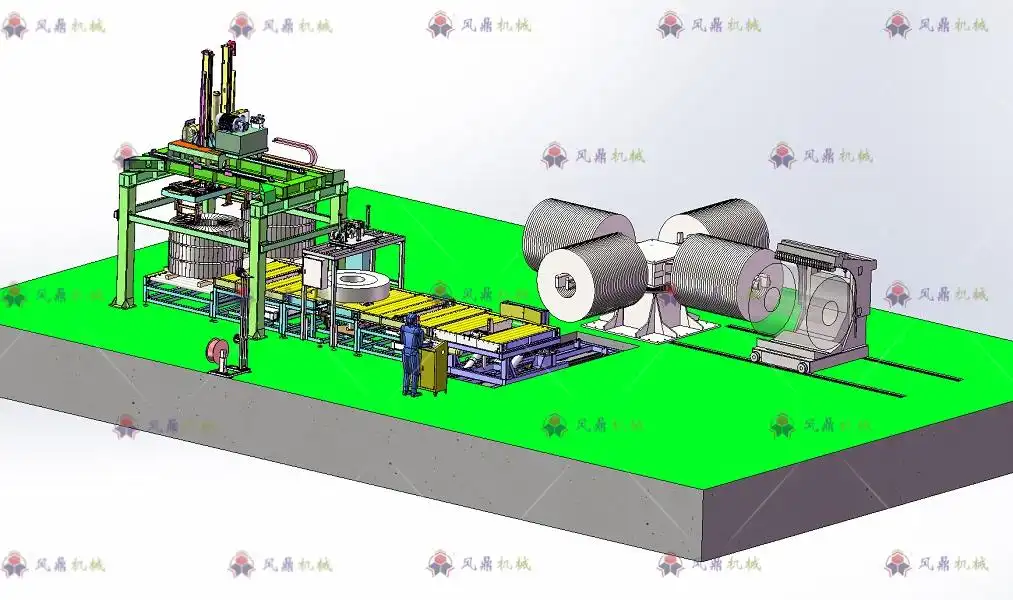
Automated coil packing lines tackle physical strain and safety concerns head-on. They redesign the entire packing process to be machine-driven, moving workers away from high-risk zones. My years in this industry taught me that safety is not just a moral duty; it is also good business. An injured worker means lost time, medical costs, and lower morale. For plants in places like Iran, where manual labor is common, adopting automation marks a huge step forward in worker protection. These systems handle the most dangerous parts of the packing job.
-
Eliminating Manual Handling of Heavy Coils:
- The Challenge: Steel coils can weigh from 1 to 3 tons, or even more. Moving these coils manually or even guiding them with basic tools puts immense strain on workers. This often results in back injuries, muscle strains, and crushed limbs. Ivan, the production director, faces this daily. His workers must handle hundreds of tons of coils. The manual handling is risky.
- The Solution: Automated coil packing lines integrate coil cars, turnstiles, and robust conveyor systems. These machines move coils smoothly and safely through each packing stage. Workers do not need to touch the coils directly. They operate controls from a safe distance. This removes the risk of heavy lifting and accidental drops. It also prevents workers from getting caught between coils and machinery. This change alone reduces many common industrial accidents. It also helps meet global safety standards. For instance, plants aiming for CE or ISO certification need these safety measures.
-
Automating Repetitive and High-Force Tasks:
- The Challenge: Manually applying PET or steel straps, and then wrapping coils with protective film, is highly repetitive. Workers must bend, reach, and exert force many times each shift. This leads to cumulative trauma disorders, such as carpal tunnel syndrome and tendonitis. It also causes severe fatigue, which increases the chance of errors and accidents. Ivan’s plant struggles with workers tiring from these tasks. This affects quality and safety.
- The Solution: Automatic strapping machines and orbital wrappers perform these tasks with consistent force and precision. Strapping heads apply tension evenly and seal straps securely. Wrapping machines move around the coil, applying film smoothly without human effort. This takes away the need for workers to perform strenuous, repetitive actions. It helps prevent long-term health issues and reduces the immediate risk of injury from tools. The machines also work much faster and more consistently than humans. This means better packing quality and less strain on the workforce.
-
Creating a Safer Work Environment:
- The Challenge: In manual packing areas, workers are often very close to heavy machinery and moving coils. This high-traffic area is prone to accidents like collisions, trips, and falls. Noise levels can also be high. This adds to worker stress and fatigue. It makes communication harder. The overall environment is not ideal for long-term safety and well-being.
- The Solution: Automated lines separate human operators from the packing process itself. Workers monitor the line from control panels in designated safe zones. Safety fences, light curtains, and emergency stop buttons are standard features. These systems create a physical barrier between human and machine. This greatly reduces the chance of accidental contact with moving parts. It also allows for a cleaner, quieter, and more organized workspace. This improved environment helps workers focus better. It reduces the chance of human error. It also enhances overall site safety culture. My journey taught me that a well-designed workflow is key to accident prevention.
Battling Labor Shortages: Can Automation Attract and Retain Talent?
Many industries today face a growing problem: a shortage of skilled labor. Steel plants, with their demanding conditions, are no exception. Young workers often do not want to do physically tough, repetitive jobs. This makes it hard for plants in places like Iran to keep a steady workforce. Losing experienced workers and struggling to find new ones can bring production to a halt. Ivan experiences this first-hand; his plant struggles with high turnover due to intense work.
Automation in coil packing lines helps combat labor shortages by reducing the need for manual workers in strenuous roles. It allows plants to reallocate their existing workforce to supervisory or maintenance tasks, which are often less physically demanding and more appealing. By creating a modern, safer work environment, automation also makes the industry more attractive to new talent, improving worker retention and overall plant productivity.
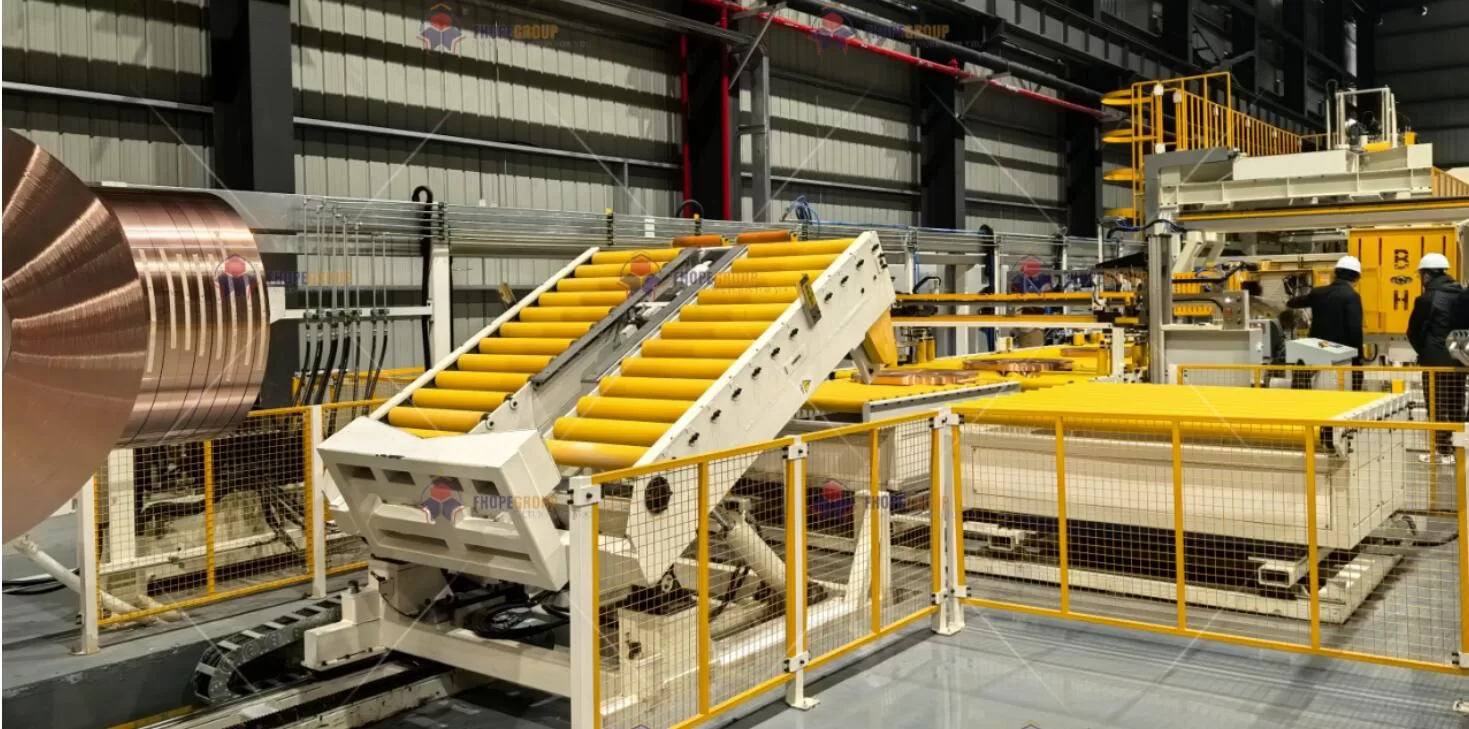
I have seen many plants struggle with finding good people. My own experience showed me that investing in technology can solve this. It is not just about replacing workers. It is about transforming jobs. Automated packing lines offer a path to a more sustainable workforce. They address the root causes of labor shortages in tough environments like steel plants in Iran. By changing the nature of work, these systems help attract and keep talent.
-
Reducing Reliance on Physically Demanding Labor:
- The Challenge: Traditional coil packing needs a large number of workers for tasks like manually lifting, strapping, and wrapping. This work is tough and often done in hot, noisy, or dusty conditions. These factors make it hard to hire and keep workers, especially younger ones. Ivan finds that young workers do not stay long because the jobs are too hard. This leads to constant recruitment and training costs.
- The Solution: Automated lines reduce the number of people needed for direct packing tasks. One or two operators can manage an entire line from a control room. This frees up many workers who were doing manual, high-strain jobs. These people can then be moved to other parts of the plant, such as quality control, maintenance, or line supervision. These new roles are often less physical and more engaging. This shift helps plants manage labor costs better. It also makes them less dependent on a large pool of manual laborers. It is a smart way to use human resources.
-
Improving Job Quality and Worker Retention:
- The Challenge: Jobs that involve heavy lifting and repetitive strain are not appealing to most people today. These jobs offer little room for skill development or career growth. This results in high turnover rates. Workers leave quickly when they find better options. This constant cycle of hiring and training new staff is expensive and disruptive to production schedules.
- The Solution: Automation transforms packing jobs into more skilled roles. Workers learn to operate complex machinery, monitor systems, and troubleshoot issues. These are higher-value skills. They come with better pay and more job satisfaction. A safer, more modern workplace also makes workers feel more valued. This leads to higher job satisfaction and lower turnover. When workers stay longer, they gain more experience. This makes the plant more efficient and stable. It also creates a positive image for the company, making it easier to attract new talent. It is about creating a future-proof workforce.
-
Attracting a New Generation of Skilled Workers:
- The Challenge: Younger generations are often drawn to technology-driven industries. They look for roles that involve problem-solving and modern tools, not just physical labor. Steel plants that rely heavily on manual processes can appear outdated. This makes it very hard to attract bright, tech-savvy individuals.
- The Solution: Investing in advanced automated systems shows that a steel plant is forward-thinking. It signals a commitment to modern technology and worker well-being. This can appeal strongly to a new generation of workers who are comfortable with digital controls and advanced machinery. These workers might not consider a traditional manual packing job. But they might be interested in a role that involves operating and maintaining sophisticated automated lines. This helps plants secure their future workforce. It brings new skills and fresh perspectives. It helps plants like those in Iran stay competitive in the global market. It also ensures they can meet future production demands.
Ensuring Export Quality: How Do Automated Lines Guarantee Consistent Packaging?
When steel products are for export, quality is everything. Customers expect perfect packaging that protects the product from moisture, rust, and damage during long journeys. They also demand precise labeling and specific certifications like CE or ISO. Manual packing often struggles with these high standards. It is hard to keep film tension even, straps tight, and labels straight, especially with varying product types. This leads to customer complaints, returns, and even contract penalties. Ivan’s challenges include ensuring his export clients get perfect, certified packaging.
Automated coil packing lines guarantee consistent packaging quality by applying materials with precise, machine-controlled tension and placement. They eliminate human error in strapping, wrapping, and labeling processes. This ensures every coil meets strict export standards for moisture protection, rust prevention, and damage resistance, significantly reducing rejections and improving customer satisfaction for steel plants worldwide, including those in Iran.

I have helped many clients grow their businesses by improving their product presentation. I know that packaging is the last step before a product reaches the customer. It must be perfect. For steel plants, especially those selling to international markets from places like Iran, consistent quality is a must. Automated lines offer this consistency. They remove the human element, which can be inconsistent, and replace it with reliable machine performance. This ensures every coil leaves the factory looking professional and fully protected.
-
Achieving Uniform Packaging Tension and Security:
- The Challenge: Manual strapping and wrapping often result in uneven tension. Some straps might be too loose, others too tight. Film might not cover evenly. This leads to loose packaging that can shift during transport. It makes the coils prone to damage, scratching, or exposure to moisture. Ivan’s plant faces inconsistent film tension from manual work. This causes problems during shipping.
- The Solution: Automated strapping machines apply consistent, adjustable tension to PET or steel straps. This ensures every strap is tight and secure. Orbital wrappers use controlled film tension systems. They apply protective layers smoothly and uniformly around the entire coil. This creates a tight, consistent barrier against the elements. It prevents shifting during transit. The precision of machines greatly surpasses manual work. This ensures that coils arrive at their destination in perfect condition. It also helps uphold brand reputation. It avoids costly product damage and customer claims.
-
Meeting Strict Export and Certification Requirements:
- The Challenge: Export markets often have very specific packaging rules. This includes material types, application methods, and documentation. For example, CE/ISO certifications are vital for European markets. Manual processes make it hard to consistently meet these complex and changing requirements. It also makes it difficult to apply barcodes and specific labels accurately.
- The Solution: Automated packing lines can be programmed to meet diverse international standards. They can handle various packaging materials like PET, steel, stretch film, or shrink film. They can apply these with precision. Integrated labeling systems automatically print and attach barcodes, product information, and certification labels. This ensures every package is compliant and ready for export. These systems can also track and record packing data. This helps with audits and traceability. This capability is critical for plants in Iran that target global markets. It helps them avoid delays at customs and gain customer trust.
-
Handling Product Diversification with Ease:
- The Challenge: Modern steel plants, like Ivan’s, produce many types of coils: cold-rolled, galvanized, color-coated. Each type needs different packing methods. Manually switching between these methods is time-consuming and prone to errors. This slows down production. It increases the chance of using the wrong packaging for a specific product.
- The Solution: Advanced automated coil packing lines are highly flexible. They can quickly adapt to different coil sizes, weights, and packaging requirements. They use programmable logic controllers (PLCs) that store various packing recipes. Operators can select a recipe with a few clicks. The line then adjusts automatically. This means rapid changes between packaging cold-rolled, galvanized, or color-coated coils. It ensures the right protection for each product type. This flexibility helps plants manage product diversity without sacrificing efficiency or quality. It maximizes throughput and reduces downtime. It also prevents human errors associated with manual adjustments.
Beyond Machines: What Makes a Coil Packing Line a Strategic Partnership for Growth?
When a steel plant invests in a coil packing line, it is not just buying a piece of equipment. It is entering a long-term relationship. Many plants, especially in growing industrial areas like Iran, need more than just a machine. They need a partner who can provide a complete solution, from planning to installation, and then offer ongoing support. Without a strong partner, even the best machine can underperform. Ivan’s goal is to find a long-term partner who offers turnkey projects and strong after-sales support.
A coil packing line becomes a strategic partnership when a supplier offers a comprehensive “turnkey” solution that goes beyond machine delivery. This includes custom design, installation, operator training, and robust after-sales support, including spare parts and technical assistance. This holistic approach ensures the packing line integrates seamlessly, operates reliably, and contributes to the steel plant’s long-term growth and operational stability, particularly crucial for industries in regions like Iran.
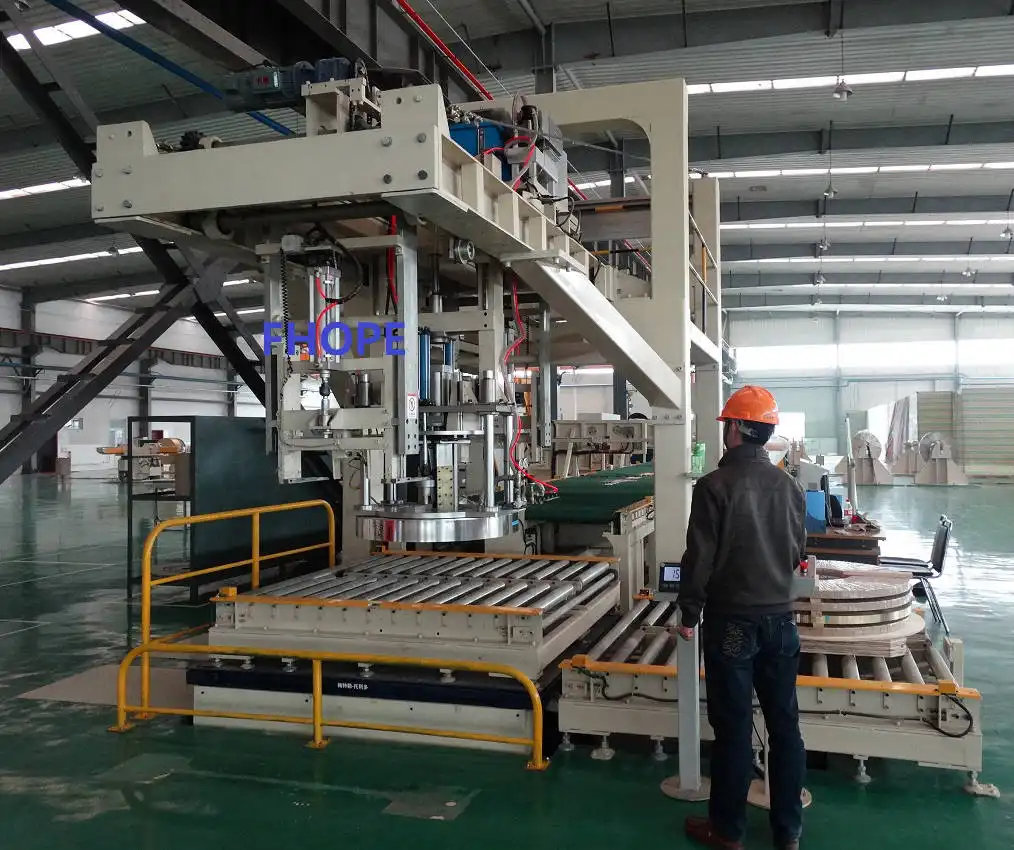
From my own journey building FHOPEPACK, I learned that trust and reliability are everything. My success came from understanding my clients’ needs deeply and providing solutions that truly helped them grow. This means offering more than just hardware. It means being a true partner. For a plant in Iran looking to upgrade, a good supplier offers peace of mind. They provide expertise, support, and a commitment to your success.
-
Offering Turnkey Project Solutions:
- The Challenge: Many steel plants do not have the in-house expertise to design, integrate, and install complex automated systems. Coordinating different vendors for various parts of a packing line can be overwhelming. It often leads to delays, compatibility issues, and cost overruns. Ivan wants a full solution, not just machines. He does not want to manage many suppliers.
- The Solution: A true partner provides a “turnkey” solution. This means they handle everything. They start from the initial design and engineering. They manage the manufacturing, delivery, and installation. They ensure the new packing line integrates perfectly with existing production lines. This approach reduces stress and risk for the steel plant. It ensures a smooth transition to automation. The plant gets a fully operational system without needing to manage complex project details. This allows them to focus on their core business. It also ensures the system works as promised from day one.
-
Providing Comprehensive Training and After-Sales Support:
- The Challenge: Even the best machine is useless if workers do not know how to operate or maintain it. Lack of proper training can lead to inefficient use, errors, and breakdowns. When a machine breaks down, slow or no support means long periods of costly downtime. This is a big worry for Ivan; he needs reliable support.
- The Solution: A strategic partner offers thorough training programs for operators and maintenance staff. This ensures the plant’s team can run the line efficiently and handle minor issues. Beyond training, strong after-sales support is vital. This includes quick access to spare parts, remote technical assistance, and on-site service when needed. This support keeps the packing line running smoothly. It minimizes downtime. It ensures the plant gets the most from its investment over many years. This commitment builds a long-term relationship based on trust and mutual success.
-
Ensuring Long-Term Reliability and Adaptability:
- The Challenge: Steel plants operate 24/7, meaning equipment must be extremely reliable. Also, market demands and technology change. Plants need systems that can grow with them. Investing in a system that cannot adapt is a big risk. They need to handle new coil sizes or different packaging types.
- The Solution: A reliable supplier builds robust, durable machines that can withstand the harsh conditions of a steel plant. They use high-quality components for long service life. More importantly, they design systems with flexibility in mind. This means the line can be upgraded or reconfigured to meet future needs. This might include adding new modules or changing software settings. This future-proofing protects the plant’s investment. It ensures the packing line remains a valuable asset for many years. This kind of partnership offers true peace of mind. It allows the plant to stay competitive.
Conclusion
Automated coil packing lines offer huge benefits for steel plants, especially in regions like Iran. They greatly reduce labor risks by taking over dangerous manual tasks. They also help solve labor shortages by making jobs safer and more appealing. Most importantly, they ensure consistent, high-quality packaging for export. This protects products and boosts customer trust. Partnering with the right supplier for a complete coil packing line solution is key to long-term success, safety, and growth in the steel industry.








