
What Makes Copper Coil Packing Lines Different From Steel Coil Packing Lines?
Are you dealing with coil packing and wondering why some lines handle copper while others handle steel? It can be confusing. Many think a packing machine is just a packing machine. But using the wrong setup can lead to damaged products, slower operations, and unhappy customers. Understanding the core differences is key to making smart choices for your business.
Copper coil packing lines and steel coil packing lines have clear differences. These differences come from the materials’ unique properties. Copper is softer and more sensitive to damage. Steel is heavier and more abrasive. So, the machines need different designs for handling, protection, and overall strength.

As someone who started in the packing machine industry and built my own factory, I have seen these differences firsthand. I want to share my insights to help you get the best solution. Let’s look closer at what sets these packing lines apart.
Why Do Copper and Steel Coils Need Different Packing Approaches?
You might see two coils, one copper and one steel, and think they just need a simple wrap. But their material properties demand very specific handling. Ignoring these differences leads to wasted material, product damage, and increased operational costs. It is vital to understand why each material needs its own specialized packing method.
Copper and steel coils need different packing approaches because of their distinct physical and chemical properties. Copper is a soft, non-ferrous metal, highly susceptible to scratches, dents, and oxidation. Steel, a hard, ferrous alloy, is heavier, more abrasive, and prone to rust, especially during transport or storage.

1. Material Composition and Properties
Copper is a softer metal. It is also very ductile and malleable. This means it can bend and deform easily. Copper is also a good conductor of electricity and heat. However, it can oxidize when exposed to air and moisture. This oxidation can change its appearance and affect its surface quality. It needs gentle handling to keep its smooth surface. Any scratch or dent can lower its value, especially for electrical or precision applications. For example, I once helped a client who was packing small copper tubing coils. They used a steel coil packing line. The heavy-duty rollers and the tight handling scratched the copper. This led to many rejections. We had to redesign the handling system entirely. Steel, on the other hand, is much harder and stronger. It has higher tensile strength. This means it can resist breaking under tension. Steel is also heavier. But steel is prone to rust (corrosion) when exposed to moisture and oxygen. This is a big issue, especially for cold-rolled or galvanized steel coils. They need strong corrosion protection. The surface can also be abrasive. So, the machines must be durable and resistant to wear. Imagine packing heavy steel coils that weigh several tons. The equipment needs to withstand this weight and the constant movement without breaking down. The Russian steel mill director, Ivan Petrov, understands this well. He needs systems that can handle hundreds of tons daily without fail.
2. Susceptibility to Damage
The main concern for copper is surface damage. Scratches, scuffs, and dents can easily happen if the packing line is too rough. This is because copper is a softer metal. The machine parts that touch the coil must be smooth. They often have special coatings or softer materials. Examples include rubber or polyurethane pads. This prevents scratches. Oxidation is another problem. Copper can tarnish, so moisture protection is also important. The packing materials need to create a good barrier. For steel, the main issues are rust and deformation from mishandling. Heavy coils can deform under their own weight if not supported correctly. Rust is a constant threat. So, packing lines for steel often use specific VCI (Volatile Corrosion Inhibitor) films or papers. These materials release chemicals that prevent rust. The strength of the strapping is also critical to hold the heavy coil shape during transport. Without strong bundling, a several-ton steel coil can unravel or shift. This causes major safety risks.
3. Weight and Handling Demands
Copper coils are generally lighter than steel coils of the same size. So, the handling equipment can be less robust. But it still needs to be precise. The lifting and conveying systems must be gentle. They should avoid sudden movements that could cause impact damage. Steel coils are very heavy. They can weigh many tons, often from 1 to 3 tons, sometimes even more. The entire packing line, including conveyors, turnstiles, and strapping machines, must be built to handle these extreme loads. The structures must be strong. The motors must be powerful. The safety features are also much more important due to the sheer weight involved. This is why I always stress robust engineering for my steel coil clients.
What Are the Key Design Variations in Packing Machines for Copper Versus Steel?
If you think a universal packing machine can handle both copper and steel coils effectively, you’re looking at potential machine failures and damaged products. Generic designs often fail to account for the specific needs of each material. This leads to inefficient operations and costly repairs. Specialized design is not just a luxury; it’s a necessity for optimal performance and product integrity.
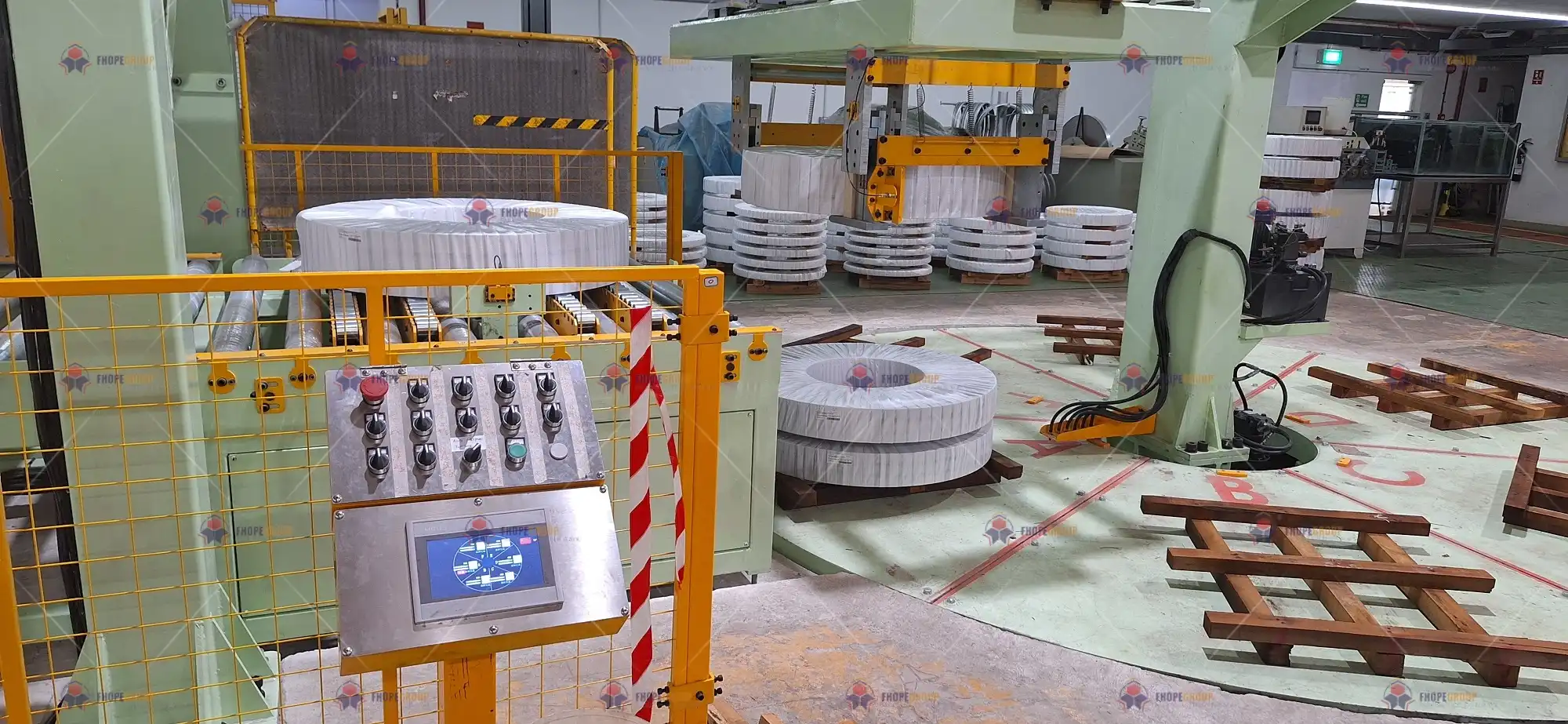
The key design variations in packing machines for copper versus steel coils lie in their structural strength, material contact points, strapping mechanisms, and protective packaging integration. Copper lines prioritize gentle handling and surface protection, using softer contact materials. Steel lines focus on heavy-duty construction, robust strapping, and advanced corrosion prevention.
1. Structural Robustness and Material Handling
Copper coil lines focus on precision and gentle handling. The frames and supports are usually lighter. But they are still very stable. The surfaces that touch the copper coil are often covered with soft materials. Examples include rubber, polyurethane, or specialized plastics. This prevents scratches and dents. The conveyors use belts or rollers with smooth, non-abrasive surfaces. The turning devices also operate smoothly to avoid any sudden impacts. The goal is to move the coil carefully from one step to the next. For small, sensitive copper coils, I’ve even designed lines with air-cushion conveyors to almost eliminate physical contact. Steel coil lines are built like tanks. They need to handle enormous weights. So, the frames are made from heavy-gauge steel. They are reinforced in many places. The rollers and conveyors are built with durable, high-strength steel. They can handle the abrasive nature of steel coils. The bearings and motors are oversized to manage the heavy loads and continuous operation (like a 24-hour, two-shift environment that Ivan Petrov needs). The system must absorb shocks. It must also resist wear from constant use with heavy materials. I remember one project where we needed to pack steel coils up to 20 tons. Every single component, from the base frame to the smallest fastener, had to be engineered for maximum strength and longevity.
2. Strapping and Bundling Mechanisms
Strapping for copper coils is often done with less tension. This is to avoid deforming the coil edges. PET (polyester) strapping is common. It is strong enough but has a bit more flexibility than steel strapping. Sometimes, the strapping process might use soft edge protectors. This prevents the strap from cutting into the copper. The main goal is to secure the coil without causing any physical damage. Some clients prefer film wrapping alone to avoid any direct contact with strapping. Steel coils need extremely strong and secure bundling. Both steel strapping and heavy-duty PET strapping are used. Steel strapping is chosen for its high tensile strength. It can hold heavy coils together even during rough transit. The strapping heads are designed to apply very high tension. They also need to make strong, reliable seals. The machines often include multiple strapping heads. They apply straps in different directions (radial and axial) to ensure the coil is fully secured. This is critical for preventing unwinding or shifting during transport. Ivan’s challenge of unstable packaging quality due to manual operation highlights the need for precise, automated strapping.
3. Protective Packaging Integration
For copper, the focus is on surface protection and preventing oxidation. This means using specialized stretch films or anti-tarnish papers. These materials create a barrier against air and moisture. Sometimes, a shrink film is used to create a tight, sealed package. The wrapping machines might have features for precise film tension control. This ensures a smooth, even wrap without over-stressing the delicate copper surface. For steel, rust prevention is key. VCI (Volatile Corrosion Inhibitor) film or paper is often used. This releases chemical vapors that protect the steel surface from corrosion. Waterproof stretch film or shrink film then wraps the VCI layer. This creates a strong moisture barrier. Automatic labeling and barcode application are also common. These help with tracking and compliance, especially for export. My experience shows that combining strong bundling with VCI and waterproof wrapping gives the best protection for steel coils, meeting high customer expectations.
How Do the Packing Processes Differ for Copper and Steel Coils?
You might think packing is just putting a wrap around a coil, but the process for copper and steel involves entirely different sequences and technologies. A “one-size-fits-all” approach to process flow will lead to bottlenecks, poor quality, and higher operational costs. Understanding the distinct process flows is key to designing an efficient and effective packing line for each material.
The packing processes for copper and steel coils differ significantly in their sequential steps, material handling, wrapping techniques, and automation levels. Copper coil packing prioritizes gentle handling, precise wrapping, and protection against surface damage. Steel coil packing focuses on robust securing, comprehensive corrosion prevention, and high-speed, heavy-duty automation to handle massive volumes and weights.
1. Preparation and Handling
The process for copper usually starts with careful transfer from the production line. Coils are often lifted by specialized clamps or vacuum lifters. This avoids direct metal-on-metal contact. They are then placed onto soft-padded conveyors. Before wrapping, a quick surface inspection might occur. This is to catch any pre-existing damage. The coils may be centered precisely. This ensures an even wrap. The emphasis is on gentle, controlled movement at every step. In my early days, I saw a client lose a large order of expensive copper strips because their transfer system caused small dents. It taught me that initial handling is just as important as the final wrap. Steel coils, due to their weight, often use heavy-duty cranes with C-hooks or coil cars for transfer. They are moved to robust turnstiles or heavy-duty chain conveyors. These systems can withstand the impact and weight. Automatic coil weighing and dimension checking are common steps. This helps categorize coils for different packing specifications. The process is designed for high throughput and continuous operation. This includes automatic identification and tracking. For Ivan Petrov’s steel plant, smooth, uninterrupted flow from the slitting line to packing is essential.
2. Wrapping and Strapping
The main wrapping method for copper is often orbit stretch wrapping or horizontal wrapping. This creates a snug, dust-proof, and moisture-resistant barrier. The film tension is carefully controlled. It prevents stretching or deforming the coil. Sometimes, specific anti-tarnish paper is applied first. This is followed by stretch film. Strapping might be done with PET straps, with less tension. This ensures the coil is secure but not damaged. The goal is a clean, aesthetically pleasing, and protective finish. For steel, the process is more complex due to the need for rust prevention and extreme security. First, it often starts with a VCI paper or VCI film wrap. This provides critical anti-corrosion protection. Second, multiple steel or heavy PET straps are applied around the coil’s circumference. This secures the layers and prevents unwinding. Third, straps are also applied through the “eye” of the coil. This prevents the coil from shifting or deforming during vertical stacking or transport. Fourth, a strong, waterproof stretch film or shrink film is applied. This creates a robust outer barrier. Fifth, automatic label applicators place shipping labels and barcodes. This ensures traceability. The entire sequence is often fully automated. This reduces manual labor and improves consistency. This comprehensive approach directly addresses Ivan’s concerns about inconsistent manual wrapping and the need for export-grade, barcoded packaging.
3. Automation Level and Safety Features
While automation is present for copper coil lines, the focus is often on precision and minimal human intervention to prevent damage. Systems can include automatic loading/unloading and wrapping. But they might have more human oversight for quality checks. Safety features focus on protecting operators from moving parts. They also prevent damage to the delicate coils. High automation is almost always a requirement for steel coil lines. These lines are designed for minimal human contact with the heavy coils. This increases both efficiency and safety. Robotic handling, automatic coil turning, stacking, and comprehensive safety interlocks are common. Light curtains, safety fences, and emergency stop systems are crucial. These protect workers from the massive moving parts. This is critical for lowering accident rates, a key goal for Ivan’s plant where heavy lifting is involved. The whole system becomes a “turnkey solution” with full integration, which is what many large clients, like a steel mill, truly need.
What About the Cost Implications and Long-Term Benefits of Specialized Lines?
You might be tempted to cut corners and buy a cheaper, general-purpose packing line, thinking it will save money upfront. This short-term saving often leads to much higher costs in the long run. These costs include product damage, operational downtime, and increased labor. Investing in a specialized packing line for copper or steel coils brings significant long-term benefits and a better return on investment.
Specialized packing lines for copper or steel coils often have a higher initial cost. But they deliver substantial long-term benefits. These include reduced product damage, lower material waste, improved operational efficiency, enhanced safety, and greater customer satisfaction. This ultimately results in a lower total cost of ownership and a stronger market reputation.
1. Initial Investment vs. Operational Costs
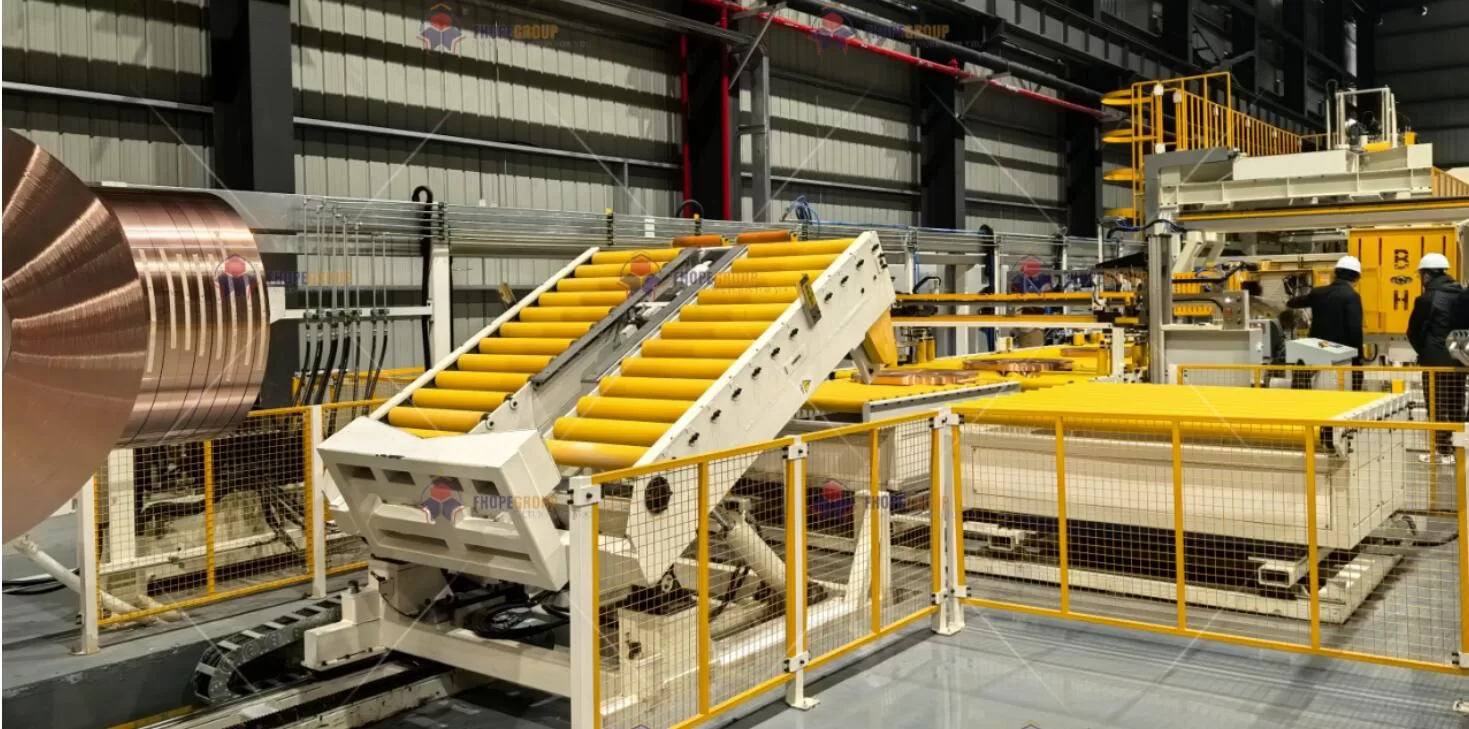
Yes, a specialized machine for copper or steel will cost more upfront. Copper lines might cost more for precision components and gentle handling systems. Steel lines cost more due to the heavy-duty construction and powerful automation. However, this is an investment in proper infrastructure. I always tell my clients that looking only at the purchase price is a mistake. You need to see the bigger picture. The real savings come from daily operations. Fewer damaged coils mean less scrap and fewer returns. This saves material and production time. For copper, avoiding scratches means higher-value products. For steel, preventing rust means fewer rejections from clients like Ivan. Automation greatly reduces the need for manual labor. This is a big deal in places like Russia, where Ivan struggles with high worker turnover. Less manual work means lower labor costs and fewer potential injuries. Specialized machines use packing materials more effectively. They apply the right amount of film or strapping with consistent tension. This cuts down on waste. Automated lines work faster and without breaks. This boosts overall production capacity. This directly helps Ivan meet his goal of increased efficiency for his hundreds of tons of daily output.
2. Product Quality and Customer Satisfaction
Specialized lines ensure consistent packing quality. Every coil is packed the same way. This is hard to achieve with manual methods, especially with varying worker skills. Ivan’s challenge of inconsistent manual packing quality directly highlights this point. Automated lines can easily integrate features for compliance. This includes CE/ISO certification and precise barcode placement. This is essential for export markets. High-quality, consistent packing builds trust with customers. It reduces complaints and returns. This leads to happier clients and more repeat business. From my experience, a satisfied customer who receives perfectly packed coils is your best advertisement. They will often come back for more.
3. Safety and Longevity
Replacing manual handling with machines significantly improves workplace safety. No more heavy lifting by hand. No more awkward movements around massive, heavy coils. This reduces the risk of accidents and injuries. For Ivan, who wants to ensure safe production and reduce injury rates, a fully automated line is a clear answer. Specialized machines are built to withstand the specific demands of their material. A heavy-duty steel coil packer will last much longer when packing steel than a general-purpose machine trying to handle both. This means less downtime for repairs and a longer lifespan for the equipment. This is about investing in reliability. It ensures continuous production, which is vital for any large-scale operation. I’ve seen lines I installed over a decade ago still running strong because they were designed for the specific challenge.
Conclusion
In summary, copper and steel coils need different packing lines. Copper demands gentle handling and surface protection. Steel requires heavy-duty construction, robust strapping, and strong rust prevention. Understanding these differences helps you choose the right solution. This leads to better product quality, safer operations, and lower long-term costs. Investing in a specialized coil packing line is smart for any business. It ensures your products are packed perfectly every time.








