
Which Coil Wrapping Machine Design Helps Hungary Plants Cut Labor Handling Costs?
Hungry for efficiency? Many factory managers in places like Hungary face a tough reality. They watch labor costs climb. They see production slow down. They worry about worker safety. Manual packing of heavy steel coils or wire rolls is often the bottleneck. It drains resources and raises risks. This is a problem I’ve seen time and again, from my own days working on the factory floor to building my packing machine business. We need to find smart ways to pack. We need to make things better.
The right coil wrapping machine design directly addresses these challenges. It uses automation to reduce the need for manual labor. This cuts down on wages. It also lowers injury risks. Machines can work faster and safer. They handle heavy products without human strain. This leads to big savings for plants in Hungary and everywhere else.

This is not just about buying a machine. It is about a smart investment. It is about rethinking your production line. Let’s explore how the right packing machine design can solve these problems. We will look at specific solutions that bring real value to your plant.
1. What Makes Manual Coil Handling So Costly for Hungary Plants?
Are you feeling the pinch of rising operational costs? Many factories, especially in Hungary’s industrial sectors, rely on old ways. They use human hands to move and pack heavy coils. This approach seems simple. But it hides many hidden costs. These costs eat into profits. They slow down your entire operation.
Manual coil handling creates high labor costs. It increases safety risks for workers. It also causes product damage during transit. These issues together lead to significant financial losses. They reduce overall plant efficiency. This happens in many factories, including those in Hungary.
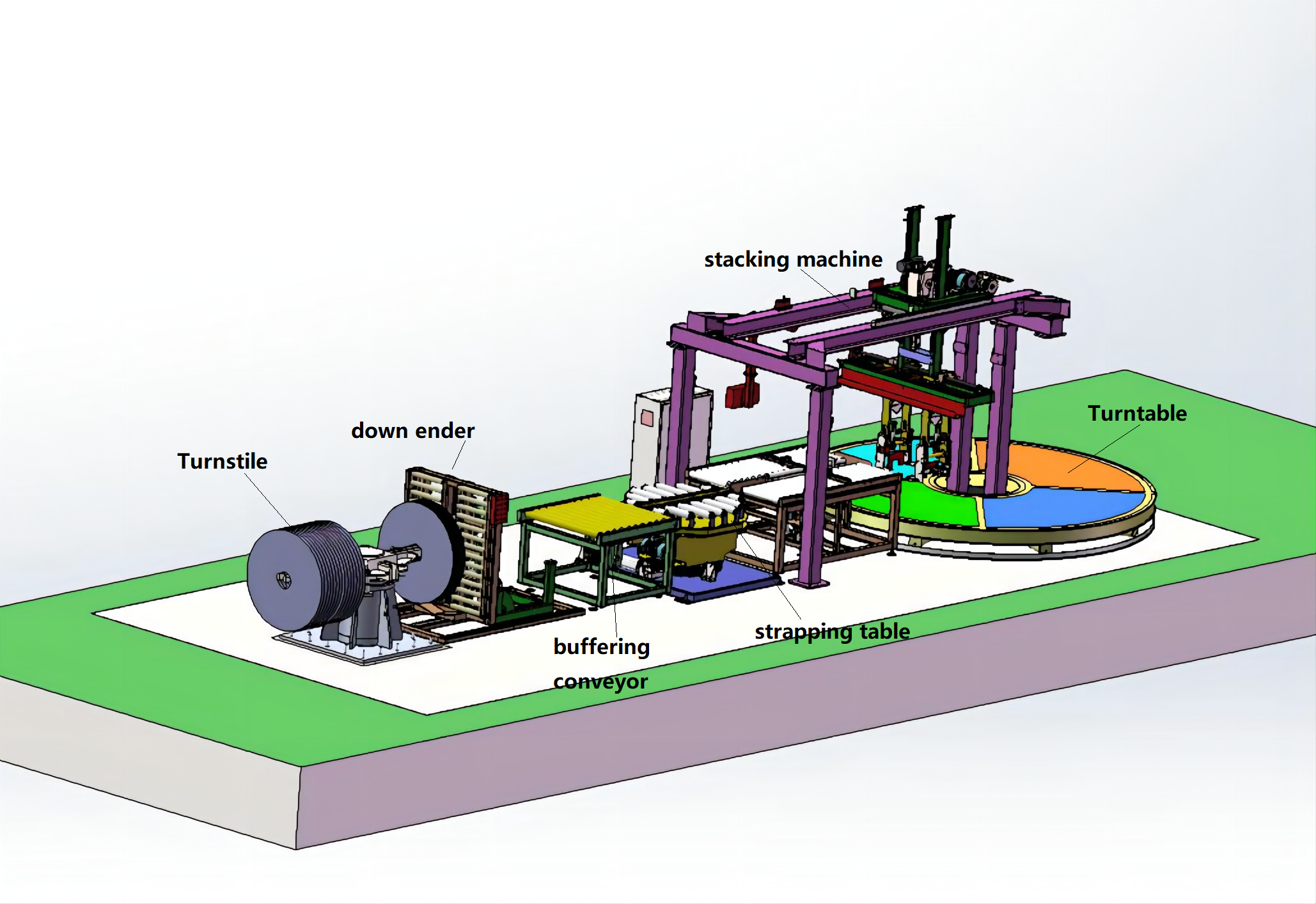
When I first started in the packing machine industry, I saw these problems up close. Workers struggled with heavy lifting. Accidents happened too often. Coils sometimes got scratched or bent. It was clear we needed a better way. These problems are universal. They are especially true where labor is a big part of the cost.
The Hidden Financial Drain of Manual Labor
Manual coil handling might seem like a direct cost. You pay wages. But it is much more complex. There are many unseen expenses. These costs add up fast. They hurt your bottom line.
- Direct Labor Wages:
- This is the obvious cost. You pay workers to move, position, and pack coils.
- For heavy coils, you need multiple workers. Or you need specialized equipment with an operator.
- These wages grow with inflation. They also grow with demand for skilled labor.
- Overtime Expenses:
- When production speeds up, manual processes often cannot keep up.
- This forces overtime work. Overtime pay is higher. It quickly increases labor costs.
- It also leads to tired workers. Tired workers make more mistakes.
- High Turnover Rates:
- Manual handling of heavy items is tough work. It is physically demanding.
- Workers often leave for less strenuous jobs.
- High turnover means constant hiring and training. This is a big expense. It also impacts productivity.
- Recruitment costs add up: 💰 Job postings, interview time, onboarding.
- Insurance Premiums:
- Workplace injuries from heavy lifting are common.
- These injuries lead to higher workers’ compensation claims.
- This directly increases your insurance costs. It makes operations more expensive.
- Safety incidents can also damage a company’s reputation.








