
How can pallet inverter cut operating costs for e-commerce distribution bosses?
The world of e-commerce moves at lightning speed. You are constantly juggling customer demands, tight delivery schedules, and the ever-present pressure of managing costs. When pallet operations become a bottleneck, it is not just an inconvenience. It impacts your bottom line, delays shipments, and even leads to lost business. This can feel like a never-ending uphill battle.
Pallet inverters can significantly cut operating costs for e-commerce distribution bosses by automating the tedious and risky process of pallet changing. This technology reduces labor dependency, prevents costly errors, improves worker safety, and speeds up product flow, directly addressing the core inefficiencies that drive up expenses in busy distribution centers.

My experience in the packing machine industry taught me that success often comes down to efficiency. If you are a logistics manager or a supply chain head, I know you are looking for real solutions, not just another piece of equipment. You want a partner who understands your daily challenges. Let me show you how a pallet inverter can be that game-changer for your e-commerce operations.
Are diverse pallet standards costing your e-commerce business time and money?
Imagine your warehouse floor. You have thousands of pallets moving in and out every day. Now, picture the headaches when some are Euro pallets and others are American standard. Your team spends valuable time manually switching goods between these different sizes. This process is slow, prone to mistakes, and eats into your operational budget.
Diverse pallet standards directly increase operating costs in e-commerce by introducing manual labor for transfers, causing delays in shipments, leading to potential product damage, and incurring contractual penalties due to non-compliance or missed deadlines.
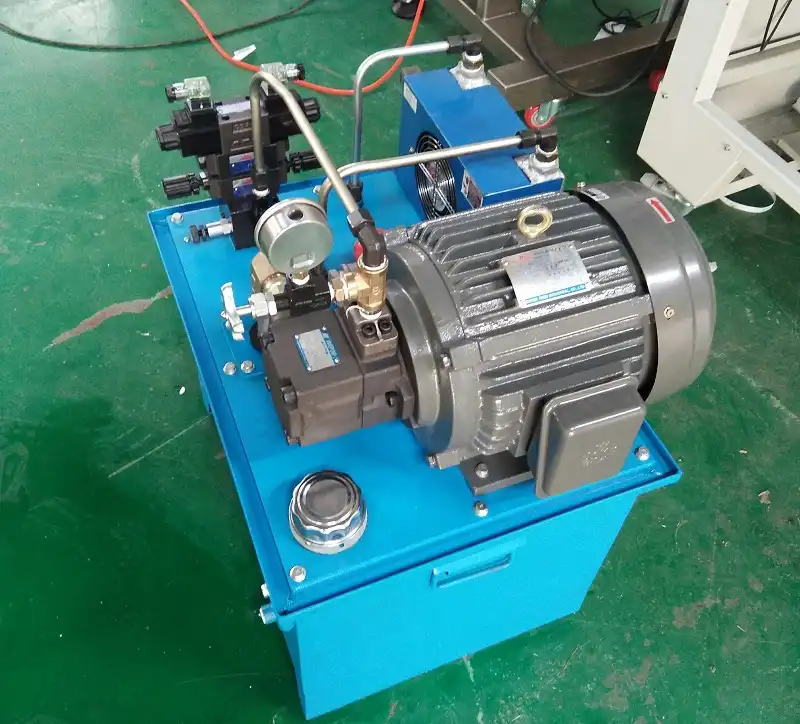
When I started my journey in the packing machine industry, I saw many factories struggle with this exact problem. They were losing money every day because of inefficient pallet handling. It was a common bottleneck. As a packing machine engineer, I learned that understanding the problem deeply is the first step to finding a great solution.
-
The Hidden Costs of Manual Pallet Switching:
- Labor Hours: Each manual switch takes time and multiple workers. These hours add up quickly, especially when you handle thousands of pallets daily. My clients often report spending countless hours on this task. This is time that could be used for other value-added activities in the warehouse.
- Errors and Damage: Human error is a reality. Misplaced goods, damaged packaging, or even broken products can happen during manual transfers. Each mistake means rework, lost inventory, and unhappy customers. I have seen instances where a single error caused significant financial losses.
- Slowed Throughput: Manual switching is slow. This slows down your entire distribution process. In e-commerce, speed is everything. Delays mean missed delivery windows, which directly impacts customer satisfaction and your brand’s reputation.
- Compliance Risks: Different countries have different pallet regulations. For export operations, switching from Euro to US standard pallets is not optional. It is a compliance requirement. Failing to comply can lead to rejected shipments, substantial fines, and further delays. This can strain your relationships with international partners.
-
How a Pallet Inverter Solves This:
- Automated Efficiency: A pallet inverter automates the entire switching process. It can handle a wide range of pallet sizes, including Euro, US, and plastic pallets, with minimal human intervention. This makes the process much faster and more reliable. You press a button, and the machine does the work.
- Reduced Errors: Automation removes human error from the equation. The machine performs the task consistently every time. This means fewer damaged goods and more accurate shipments. My experience shows that automated systems drastically cut down on costly mistakes.
- Increased Speed: Pallet inverters can process pallets much faster than manual methods. This significantly shortens the time goods spend in the switching phase. Your inventory moves quicker, improving your overall warehouse throughput. This helps you meet those demanding e-commerce delivery timelines.
- Seamless Compliance: With an inverter, complying with different international pallet standards becomes easy. You can switch pallets quickly and efficiently, ensuring your goods are always on the correct pallet for their destination. This prevents delays and penalties, keeping your export operations smooth.
I have seen businesses transform their operations by embracing this simple yet powerful technology. They stopped seeing pallet changing as a chore and started seeing it as a streamlined, efficient part of their supply chain.
Can automation solve your e-commerce warehouse’s labor shortage and rising costs?
The warehouse industry faces a growing problem: a shortage of labor. It is getting harder to find people willing to do physically demanding jobs like heavy lifting and manual pallet transfers. On top of that, labor costs are constantly rising. This puts immense pressure on your operational budget. You need to find ways to do more with less, without sacrificing efficiency or safety.
Automation, specifically through pallet inverters, provides a vital solution to labor shortages and rising costs in e-commerce warehouses by significantly reducing the need for manual handling, optimizing labor deployment, and lowering long-term operational expenses associated with wages and recruitment.
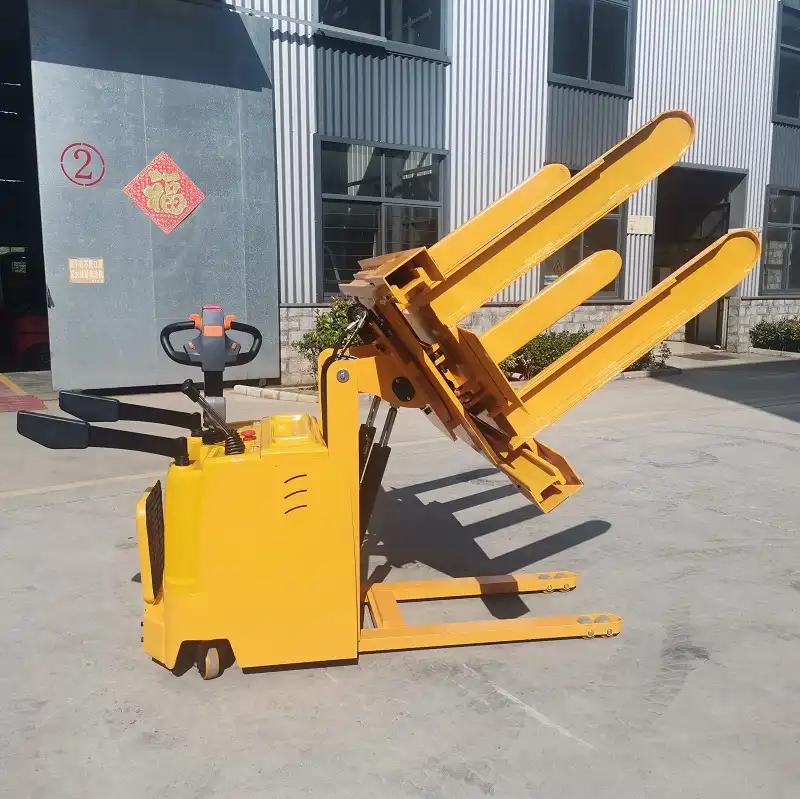
When I started as an employee in a packing machine factory, I saw firsthand the hard work involved. The physical toll on workers was clear. This experience fueled my passion for finding better, more automated ways to do things. Later, when I built my own factory, efficiency and optimizing labor were always top priorities.
-
The Labor Challenge in Detail:
- Scarcity of Workers: Younger generations are often less inclined to take on physically demanding warehouse roles. This makes recruitment difficult and competitive. Many of my clients tell me they struggle to fill open positions, especially for tasks involving heavy lifting and repetitive movements.
- Increasing Wages: To attract and retain staff, businesses must offer higher wages and better benefits. This directly impacts your operating costs. While fair compensation is important, it also means you need to get the most value from your labor investment.
- Worker Fatigue and Turnover: Manual pallet handling is exhausting. This leads to fatigue, lower productivity, and higher employee turnover rates. A constantly rotating workforce increases training costs and reduces overall team experience. This creates a cycle of inefficiency.
- Focus on Repetitive Tasks: When your skilled workers spend their time on manual pallet changes, they are not performing more complex or value-added tasks. This is a misallocation of valuable human resources.
-
How Pallet Inverters Offer a Solution:
- Reduced Manual Labor: A pallet inverter can perform pallet changes quickly and autonomously. This means you need fewer workers dedicated to this specific task. One operator can manage the machine, freeing up several others to work on different, more strategic parts of your operation. This is a game-changer for labor allocation.
- Optimized Workforce: By automating repetitive and physically taxing tasks, you can deploy your existing workforce more effectively. Staff can be reassigned to areas where human decision-making and problem-solving are truly needed. This makes your team more productive and engaged.
- Long-Term Cost Savings: While there is an initial investment, the long-term savings from reduced labor costs, lower recruitment expenses, and decreased turnover are substantial. My clients who invested in automation often report seeing a clear return on investment within a short period.
- Improved Job Satisfaction: Removing the most strenuous tasks improves job satisfaction and retention among your warehouse staff. They can focus on safer, more intellectually stimulating work, leading to a happier and more stable team. This creates a better work environment for everyone.
Embracing automation is not about replacing people. It is about empowering your workforce and making your operations sustainable in the face of evolving labor market challenges. This is a philosophy that helped me achieve financial independence and, more importantly, helped my clients thrive.
Is manual pallet handling putting your warehouse staff and profits at risk?
Think about the sheer weight of a loaded pallet. Now imagine your team manually flipping or transferring that load. The risks are clear: goods can tip over, workers can get crushed, or suffer back injuries. These are not just unfortunate accidents. They are direct threats to your business, leading to medical costs, lost workdays, potential lawsuits, and damage to your company’s reputation.
Manual pallet handling poses significant safety risks that directly impact profits through worker injuries, cargo damage, increased insurance premiums, and potential legal liabilities, all of which can be mitigated by the safer, controlled operations of a pallet inverter.

In my early days, working on the factory floor, I witnessed some close calls. These moments always reminded me of the critical importance of safety in any industrial setting. It is not just about rules; it is about protecting people and ensuring business continuity. Safety should never be an afterthought.
-
The High Cost of Warehouse Accidents:
- Worker Injuries: The most immediate and severe risk is injury to your staff. Heavy lifting, awkward movements, and falling goods can cause anything from minor sprains to severe, life-altering injuries. This leads to medical expenses, rehabilitation costs, and lost productivity.
- Product Damage: When pallets are manually handled or goods are awkwardly transferred, the risk of cargo tipping, dropping, or being damaged increases significantly. This results in spoiled inventory, financial losses, and potentially missed orders.
- Insurance and Legal Ramifications: A history of workplace accidents can lead to higher insurance premiums for your company. In severe cases, it can also result in costly lawsuits, fines from regulatory bodies, and damage to your corporate image. These are expenses you want to avoid at all costs.
- Operational Disruptions: An accident does not just affect the injured worker. It can halt operations, trigger investigations, and disrupt your entire workflow. This causes delays, reduces efficiency, and adds unexpected costs to your budget.
-
How Pallet Inverters Enhance Safety and Save Costs:
- Eliminates Manual Lifting: Pallet inverters are designed to handle heavy loads mechanically. They remove the need for human hands to lift, push, or pull heavy pallets. This completely eliminates many common causes of back injuries, strains, and sprains. Workers operate the machine from a safe distance.
- Controlled Environment: The entire pallet switching process happens within the machine’s safety zone. This prevents goods from falling unexpectedly and protects nearby workers. The controlled movements of the inverter significantly reduce the risk of accidents.
- Reduced Risk of Cargo Damage: With automated and precise movements, the likelihood of goods being damaged during the transfer process drops dramatically. The machine secures the load, preventing shifts or drops that often occur with manual methods. This protects your valuable inventory.
- Lower Insurance Costs: A safer work environment often translates into lower workers’ compensation insurance premiums over time. By actively reducing accident rates, you can demonstrate a commitment to safety, which benefits your financial bottom line. This helps you save money in the long run.
- Improved Morale: Employees who feel safe and valued are more productive and loyal. Investing in safety technology like pallet inverters shows your commitment to their well-being. This contributes to better morale and a more stable workforce.
Prioritizing safety is not just a moral obligation. It is a smart business decision that protects your people and your profits. A pallet inverter is an investment in both.
How can faster pallet switching help meet demanding e-commerce delivery schedules?
E-commerce customers expect their orders quickly. Next-day, or even same-day, delivery is becoming the norm. This puts immense pressure on your distribution center to operate with maximum speed and efficiency. Any delay, including slow pallet switching, can have a ripple effect, leading to missed deadlines, customer frustration, and ultimately, a loss of business to competitors.
Faster pallet switching, achieved through automated pallet inverters, is crucial for meeting demanding e-commerce delivery schedules by eliminating bottlenecks, accelerating throughput, ensuring compliance, and ultimately enhancing customer satisfaction and loyalty.

Over the years, many of my clients in the packaging and logistics industry have told me how crucial speed is for their growth. They realized that optimizing every step of their process, even something as seemingly small as pallet handling, could make a huge difference in their ability to compete and scale their businesses. I have seen this first-hand: efficiency drives success.
-
The Demands of E-commerce Logistics:
- Compressed Delivery Windows: E-commerce has fundamentally changed customer expectations. Shoppers now expect rapid delivery, often within 24-48 hours. This means your entire supply chain, from order picking to final dispatch, must be incredibly agile.
- High Volume and Velocity: E-commerce warehouses process a massive volume of orders, each with its own delivery timeline. The constant flow of goods requires every step to be quick and smooth. Slowdowns in one area can quickly create a backlog for the entire operation.
- Impact of Delays: Even minor delays in pallet preparation or switching can accumulate. This pushes back dispatch times, leads to late deliveries, and can result in customer complaints. In the competitive e-commerce landscape, a single negative experience can drive a customer away for good.
- Penalty Clauses: For business-to-business (B2B) e-commerce, or agreements with large retailers, missed delivery windows often come with contractual penalties. These fines directly eat into your profit margins and damage your reputation as a reliable supplier.
-
How Pallet Inverters Boost Delivery Speed:
- Eliminates Bottlenecks: Manual pallet switching is a common bottleneck. It slows down the flow of goods. By automating this process, pallet inverters remove this obstacle, allowing products to move through the warehouse much faster. Your operations become more fluid.
- Consistent Speed: Machines operate at a consistent, high speed, day in and day out. Unlike manual processes that can vary based on worker fatigue or skill, an automated pallet inverter ensures a predictable and rapid pace for every pallet. This consistency is key for planning and meeting deadlines.
- Increased Throughput: With faster switching times, you can process more pallets in a shorter period. This directly increases your warehouse’s overall throughput capacity, allowing you to handle higher order volumes without adding more manual labor. You can scale your operations more effectively.
- Improved Order Fulfillment Rates: By streamlining pallet changes, you accelerate the entire order fulfillment cycle. Goods are ready for dispatch quicker, allowing you to meet those tight delivery schedules consistently. This boosts customer satisfaction and encourages repeat business.
- Competitive Advantage: In a market where speed is a key differentiator, having a fast and efficient pallet handling system gives you a significant edge. You can promise and deliver quicker, which attracts more customers and strengthens your position in the e-commerce landscape. This helps you stand out from the competition.
Investing in technology that speeds up your operations is not just about making things faster. It is about staying competitive, keeping your customers happy, and ultimately, growing your e-commerce business.
Conclusion
A pallet inverter is a strategic investment for e-commerce distribution. It cuts costs by reducing labor, improving safety, and speeding up operations. This helps you meet customer demands, avoid penalties, and ensure efficient, compliant delivery.








